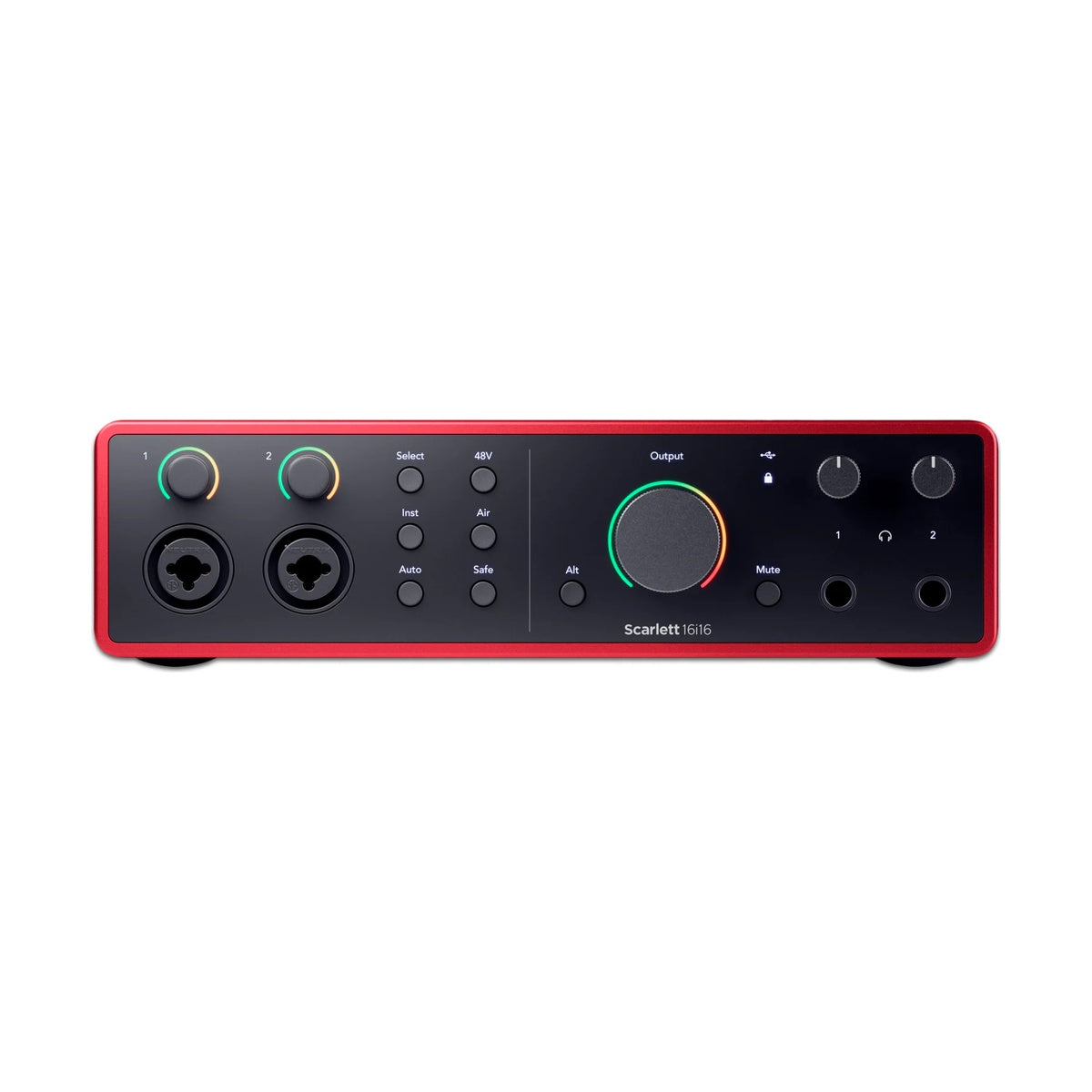
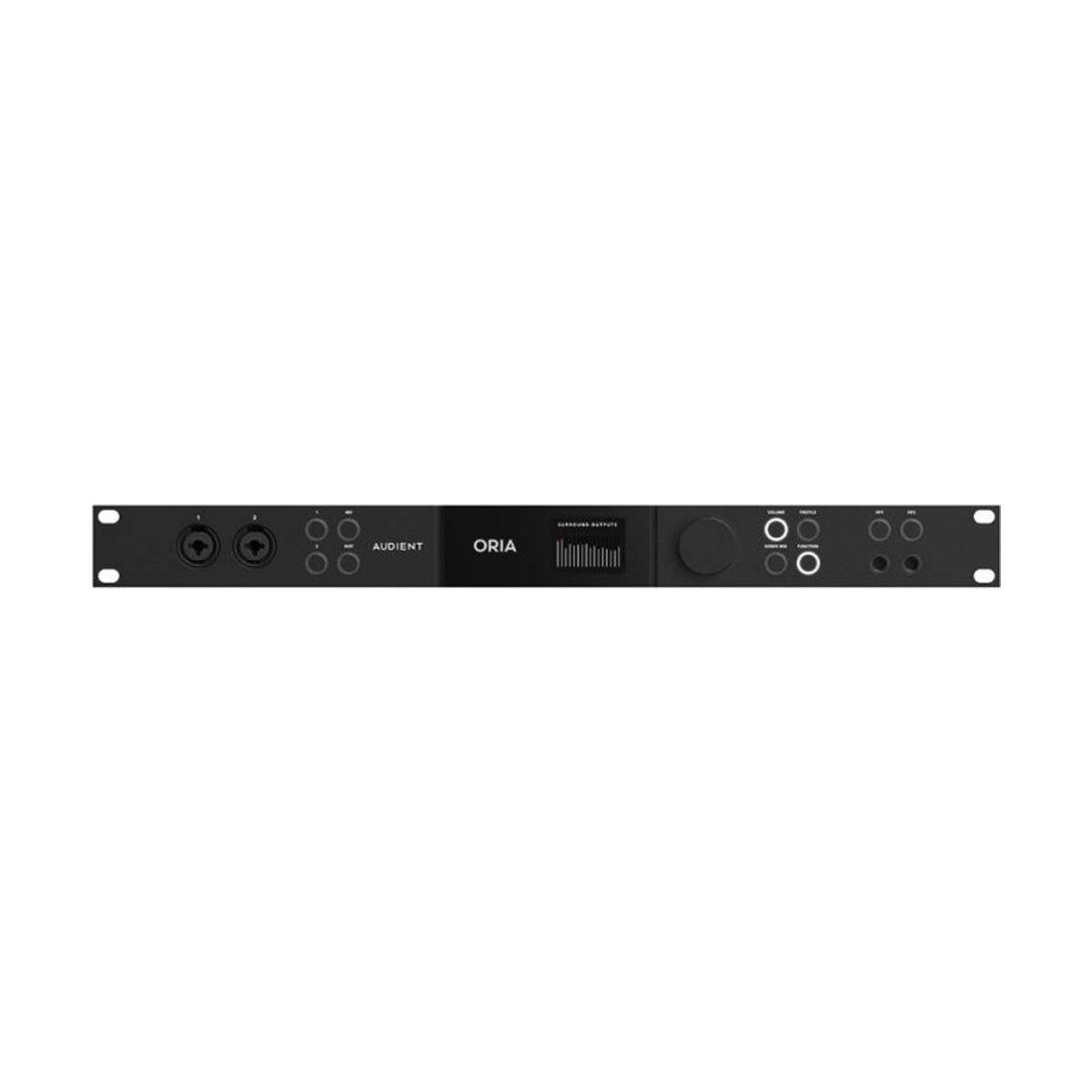
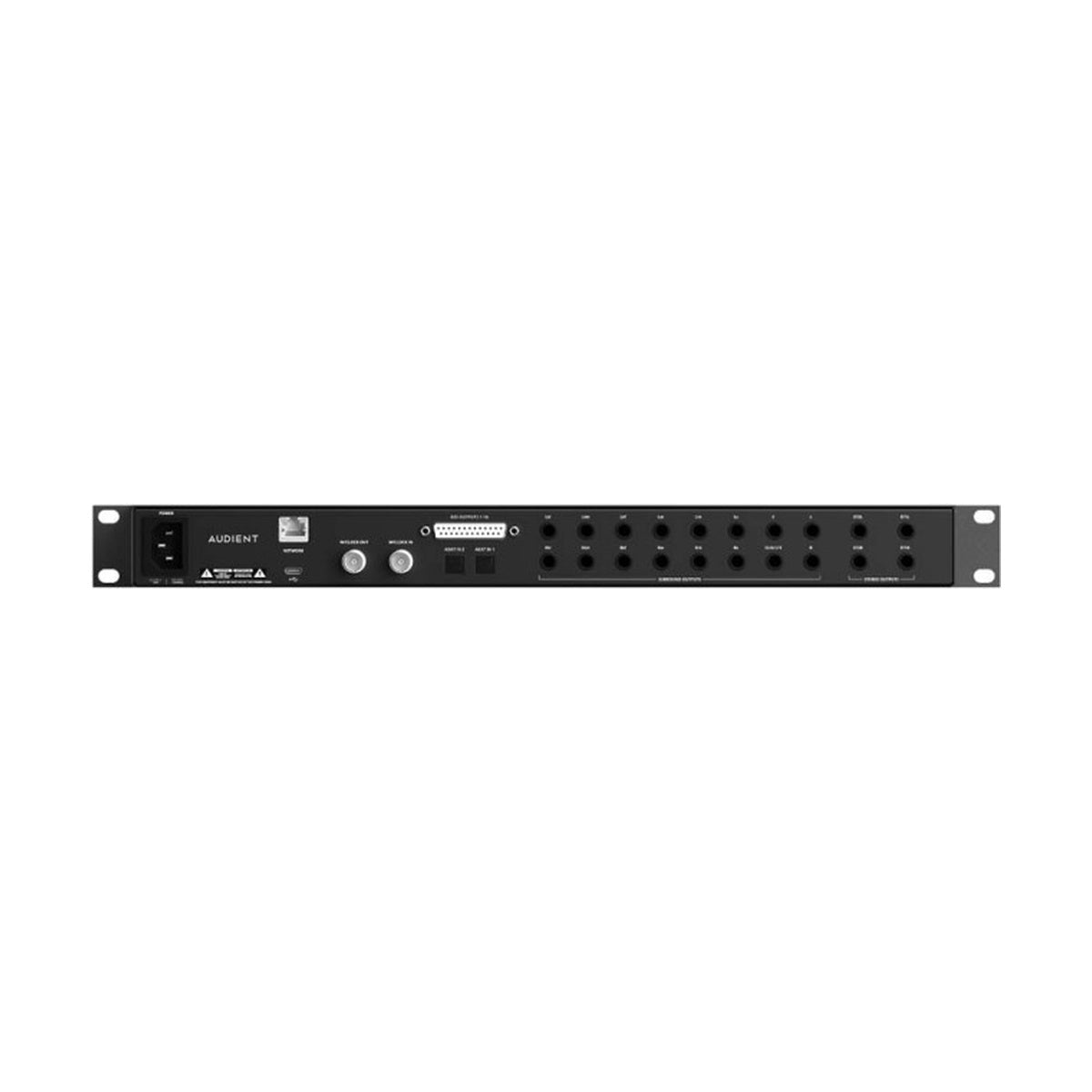
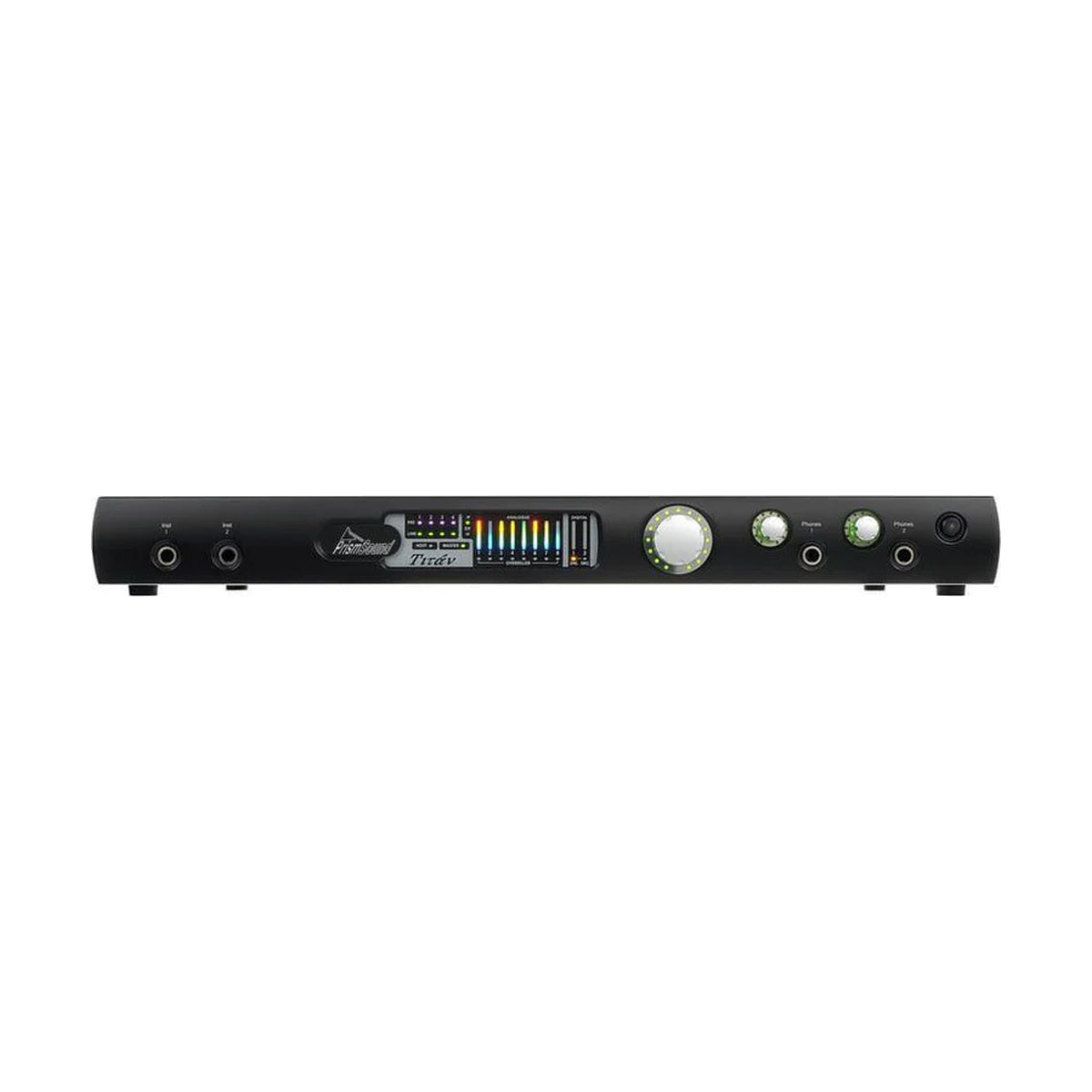
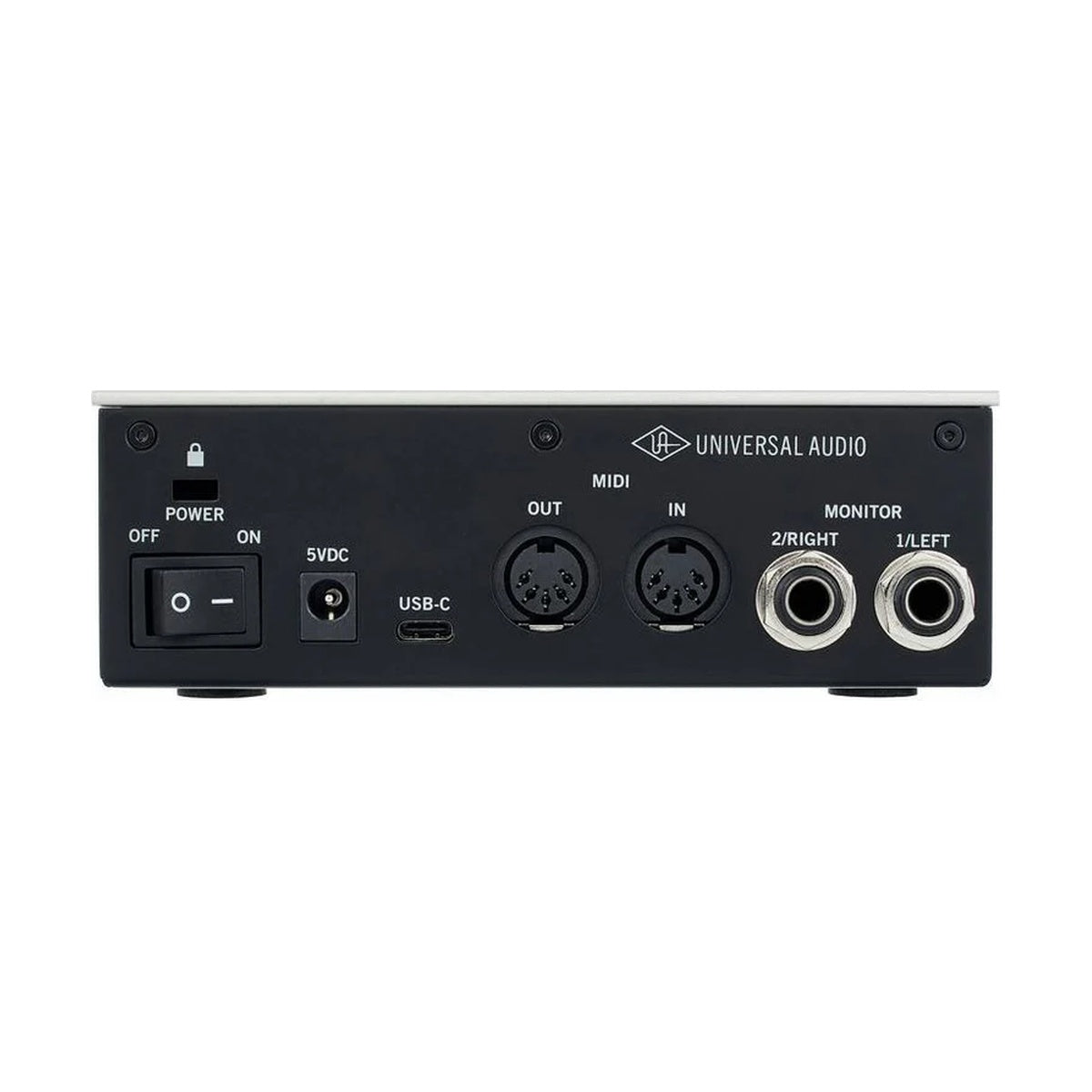
USB Audio Interfaces – Universal Connection, Studio-Grade Sound
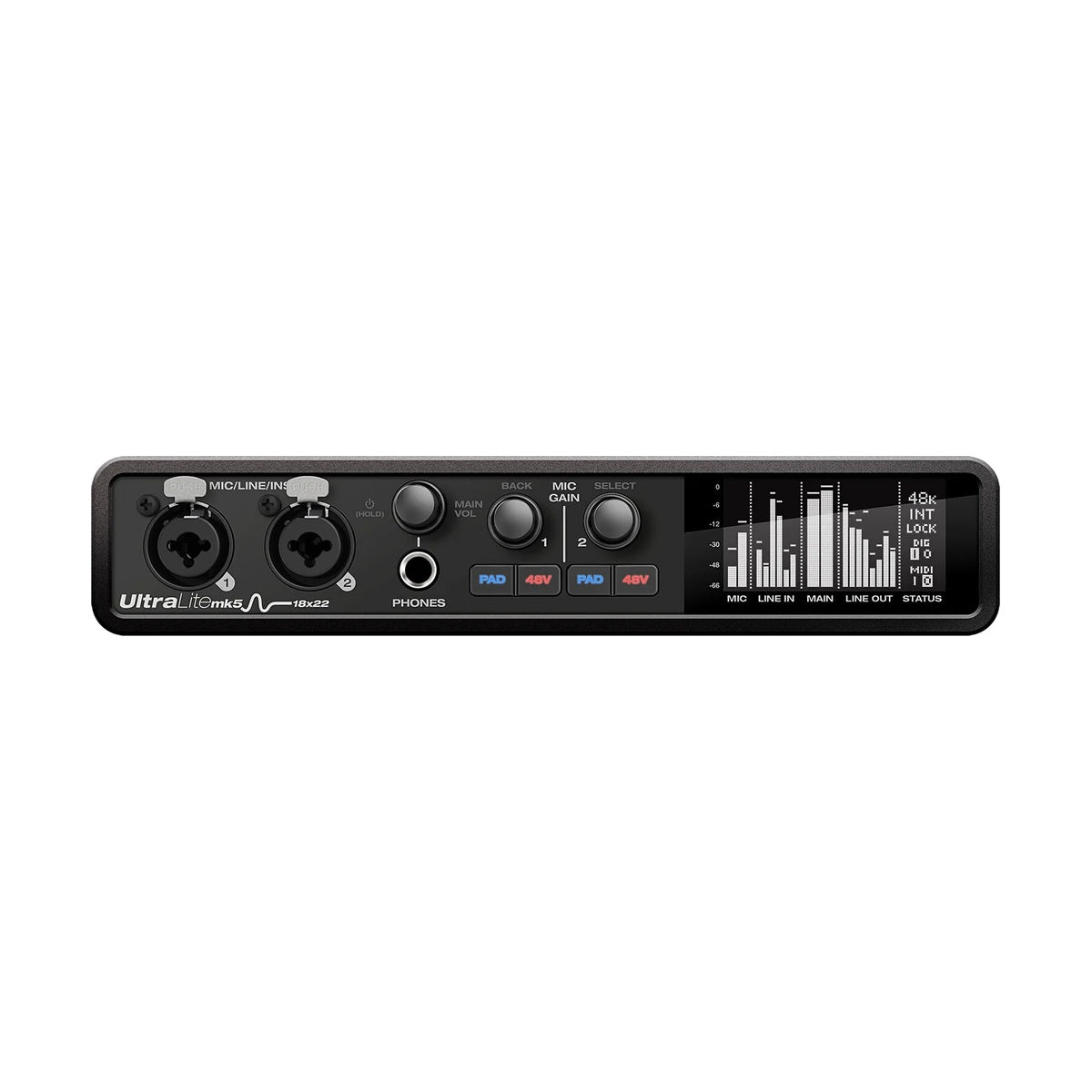
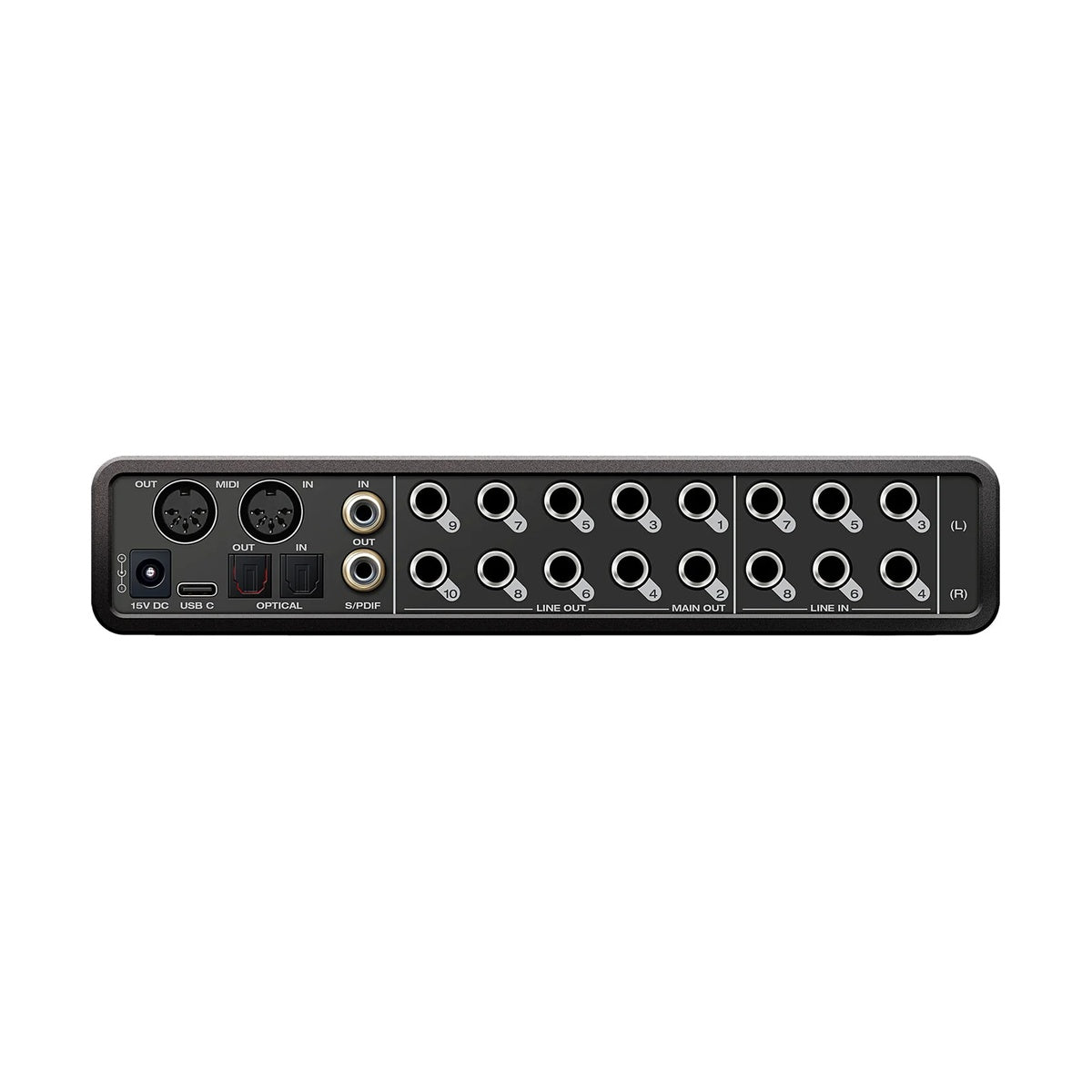
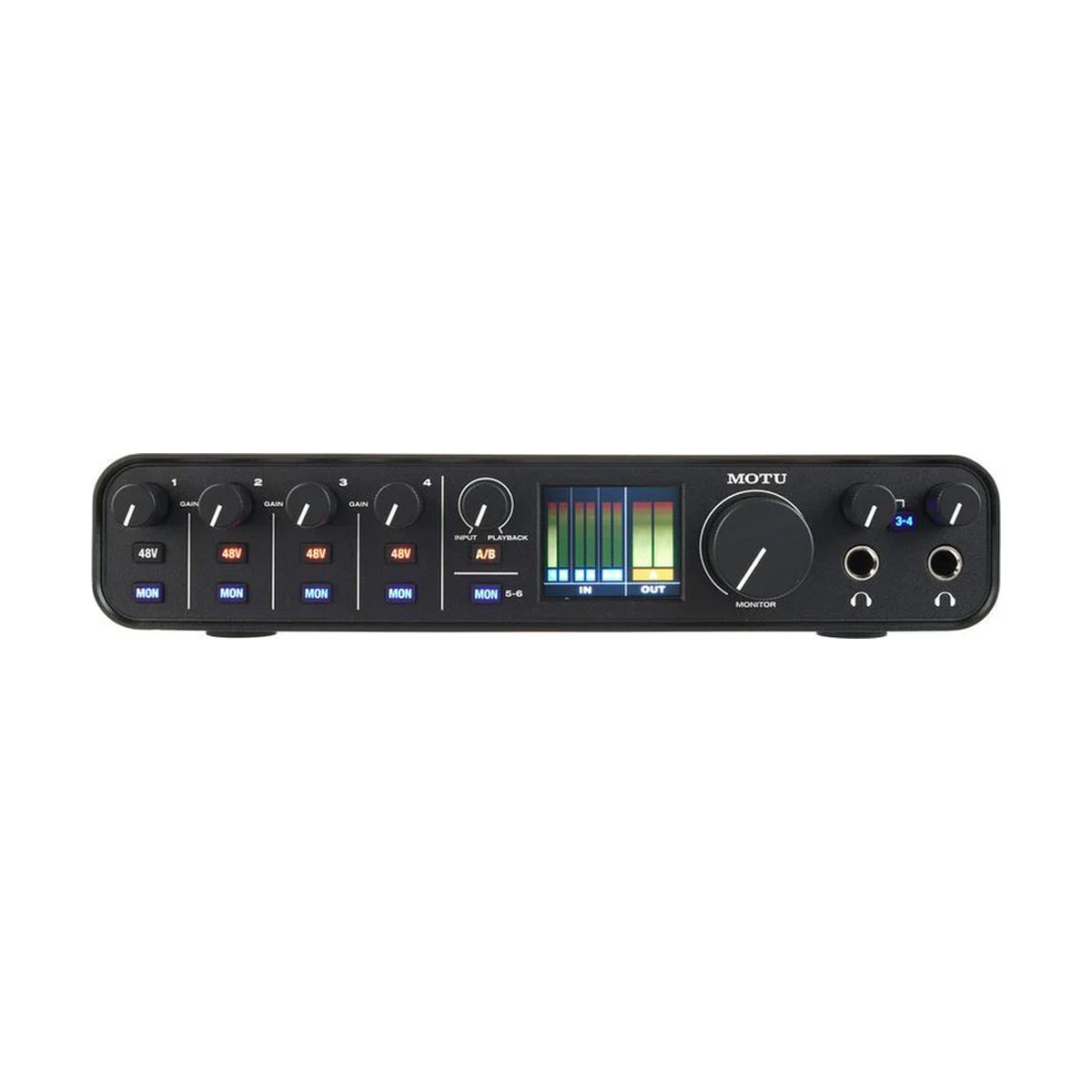
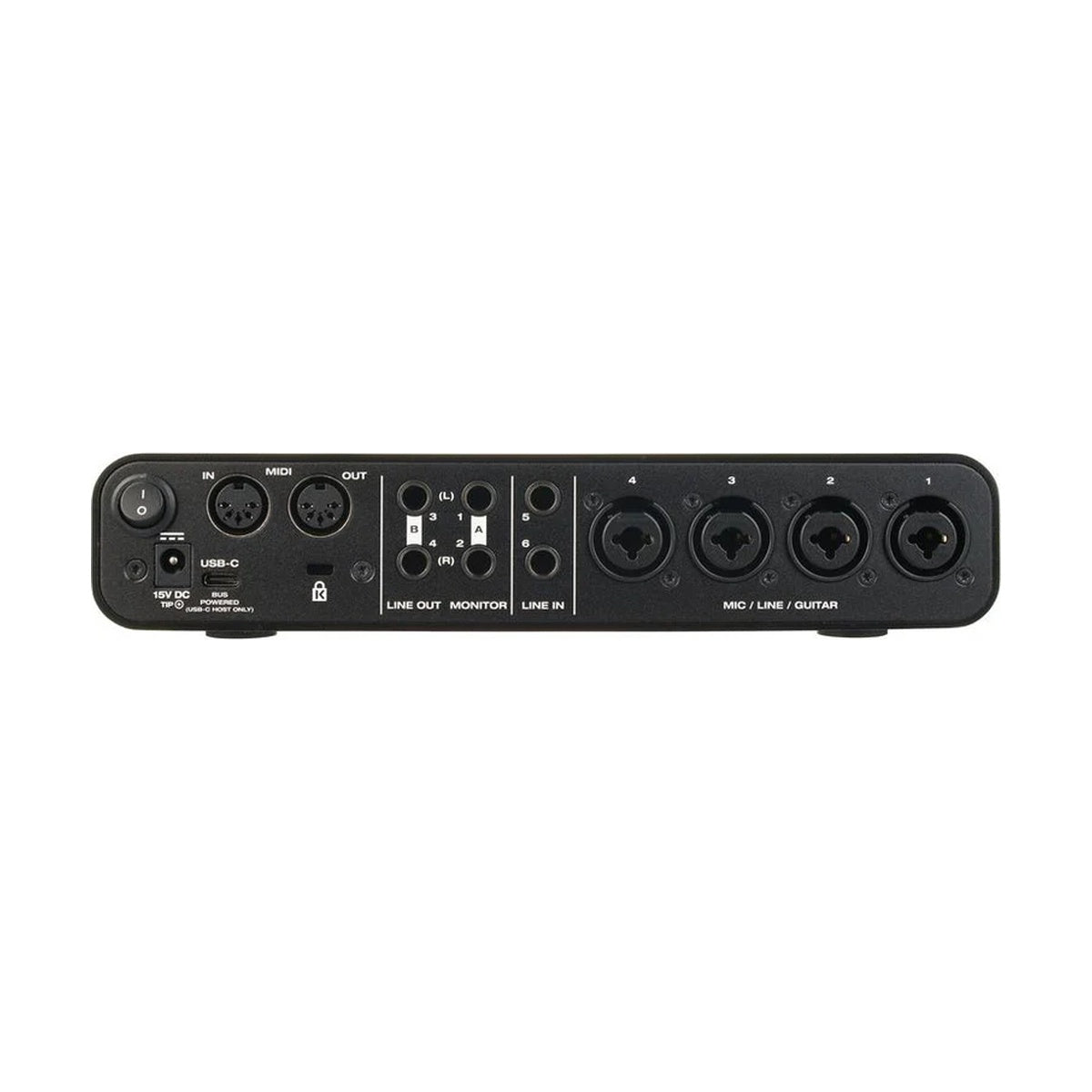
USB is the connection every computer already has, and modern USB-C interfaces deliver quality that used to require Thunderbolt. This collection covers USB and USB-C audio interfaces for home and project studios.
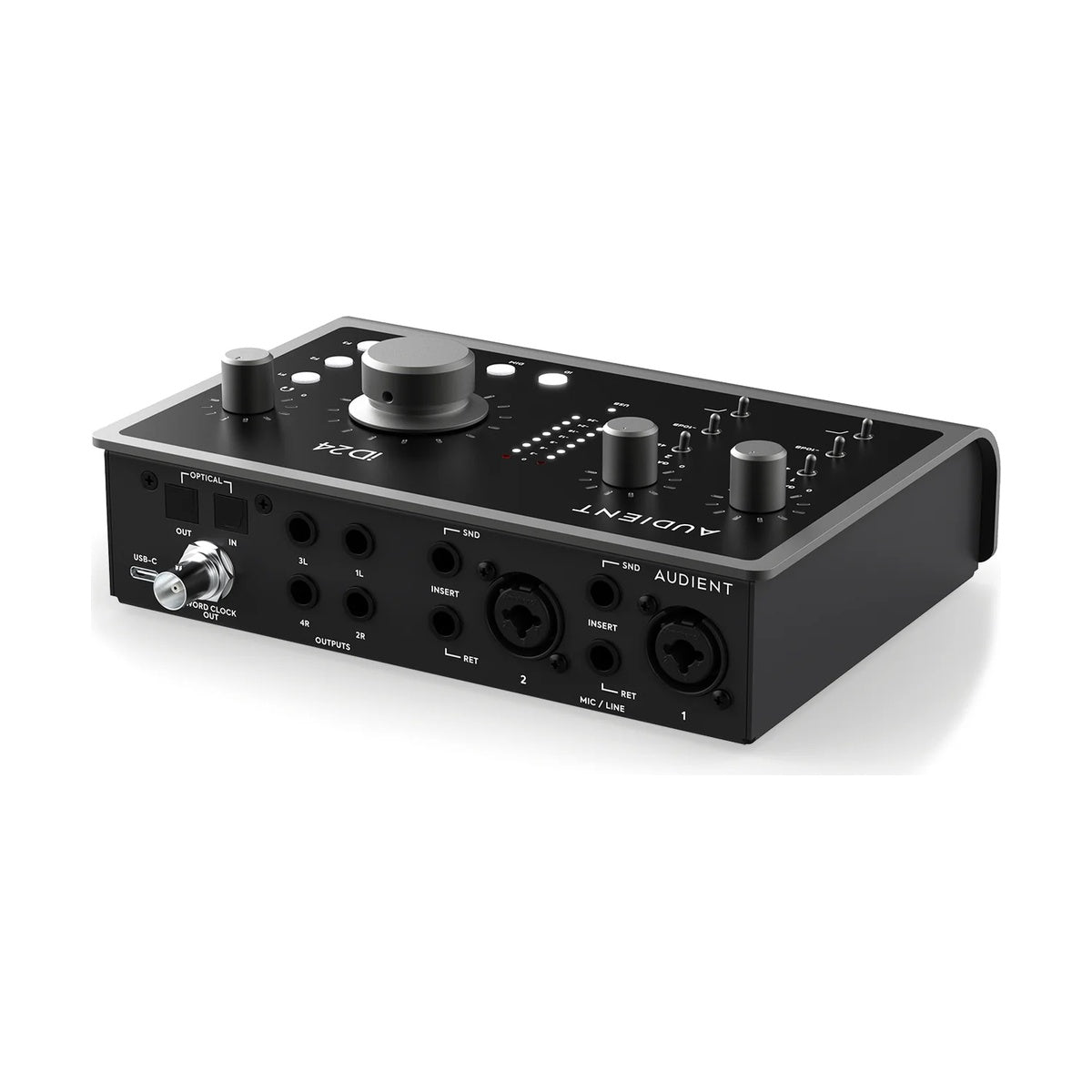
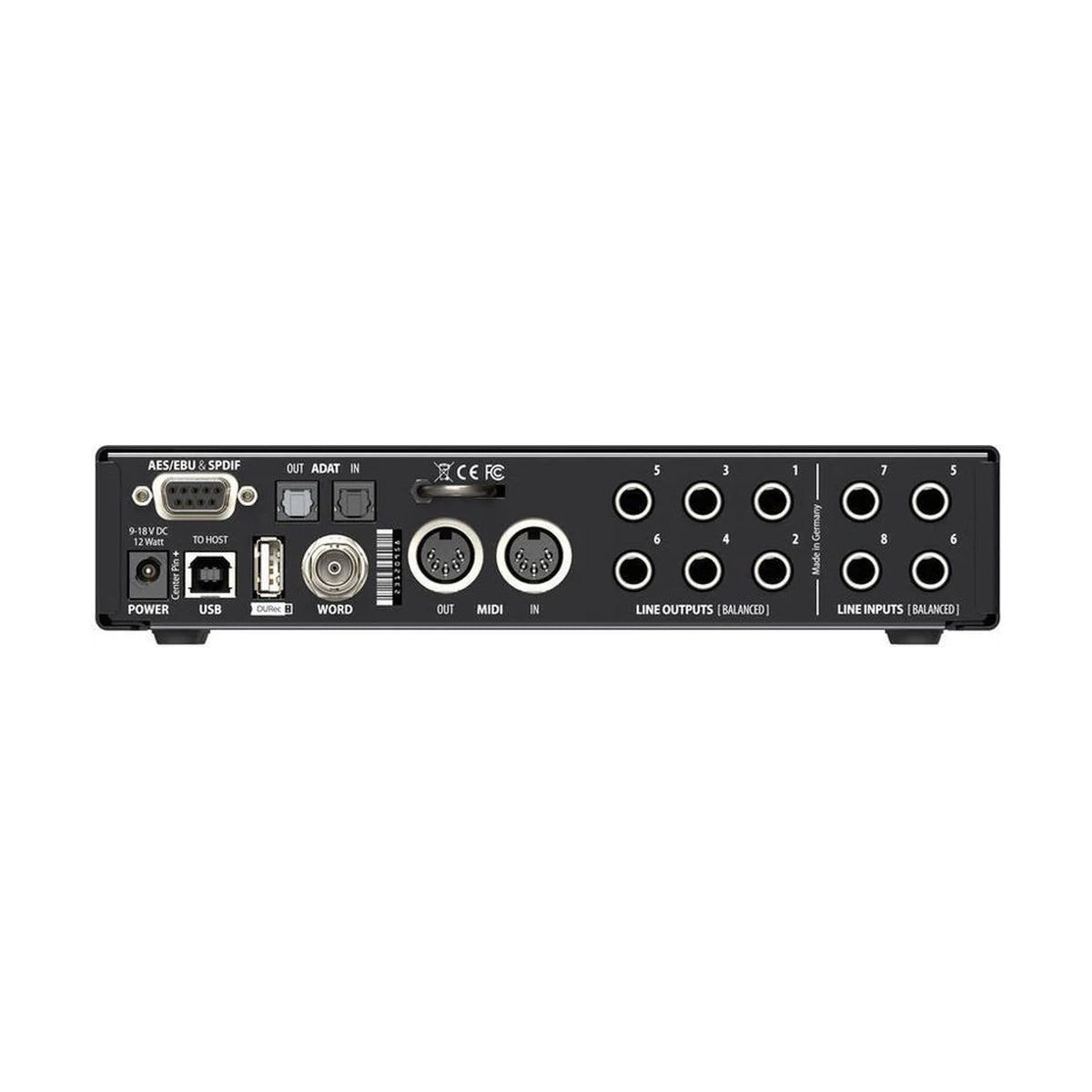
USB-C, USB-A or legacy USB-B
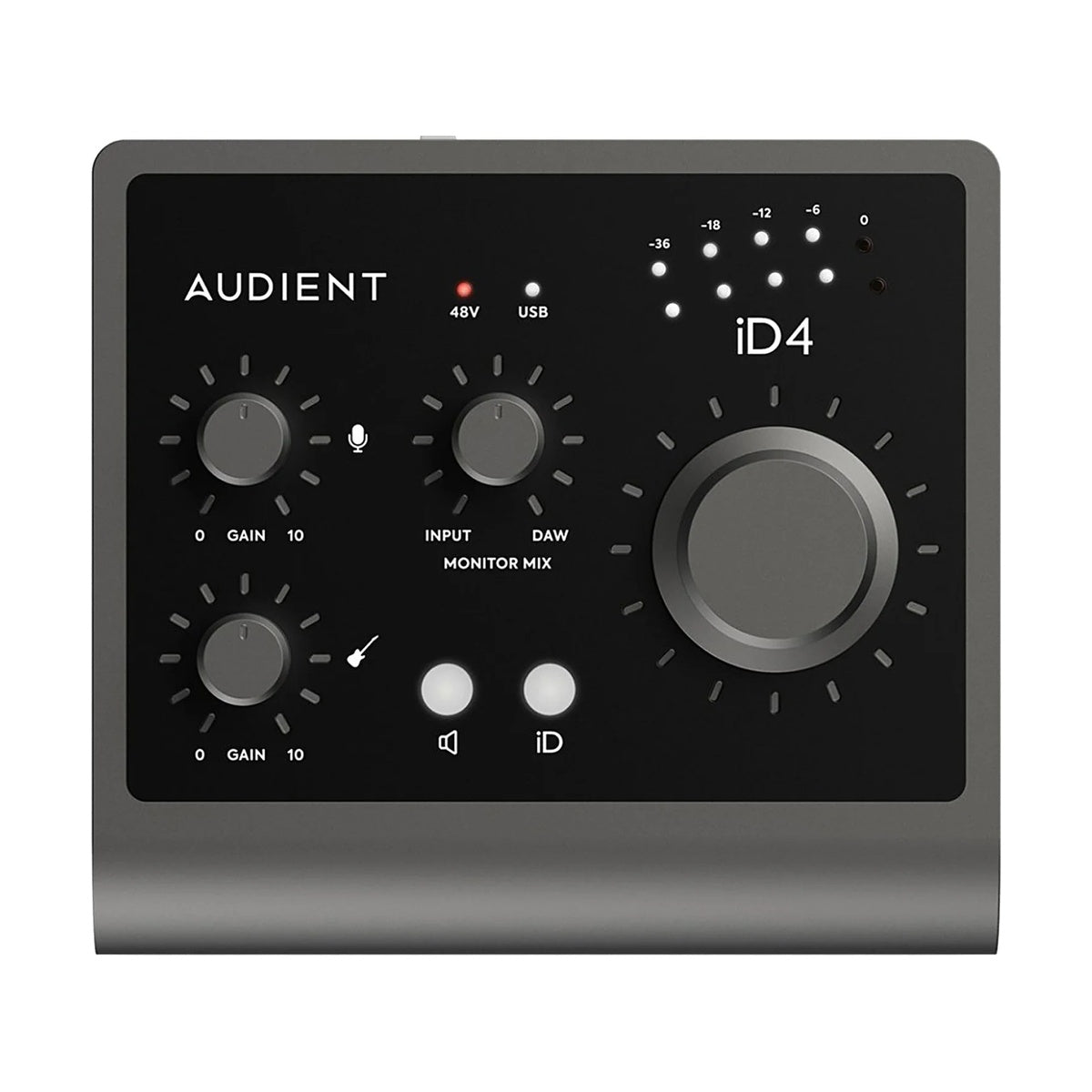
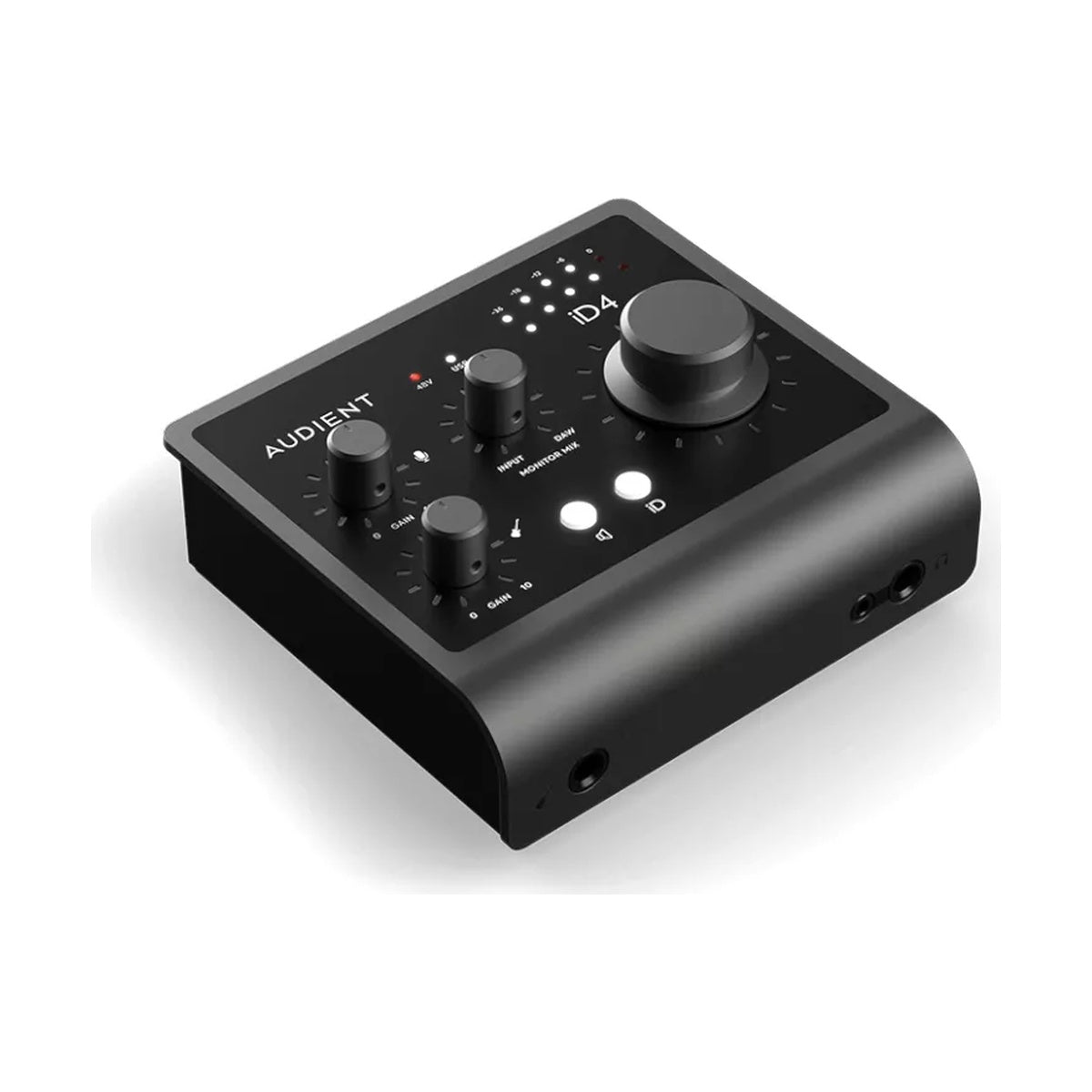
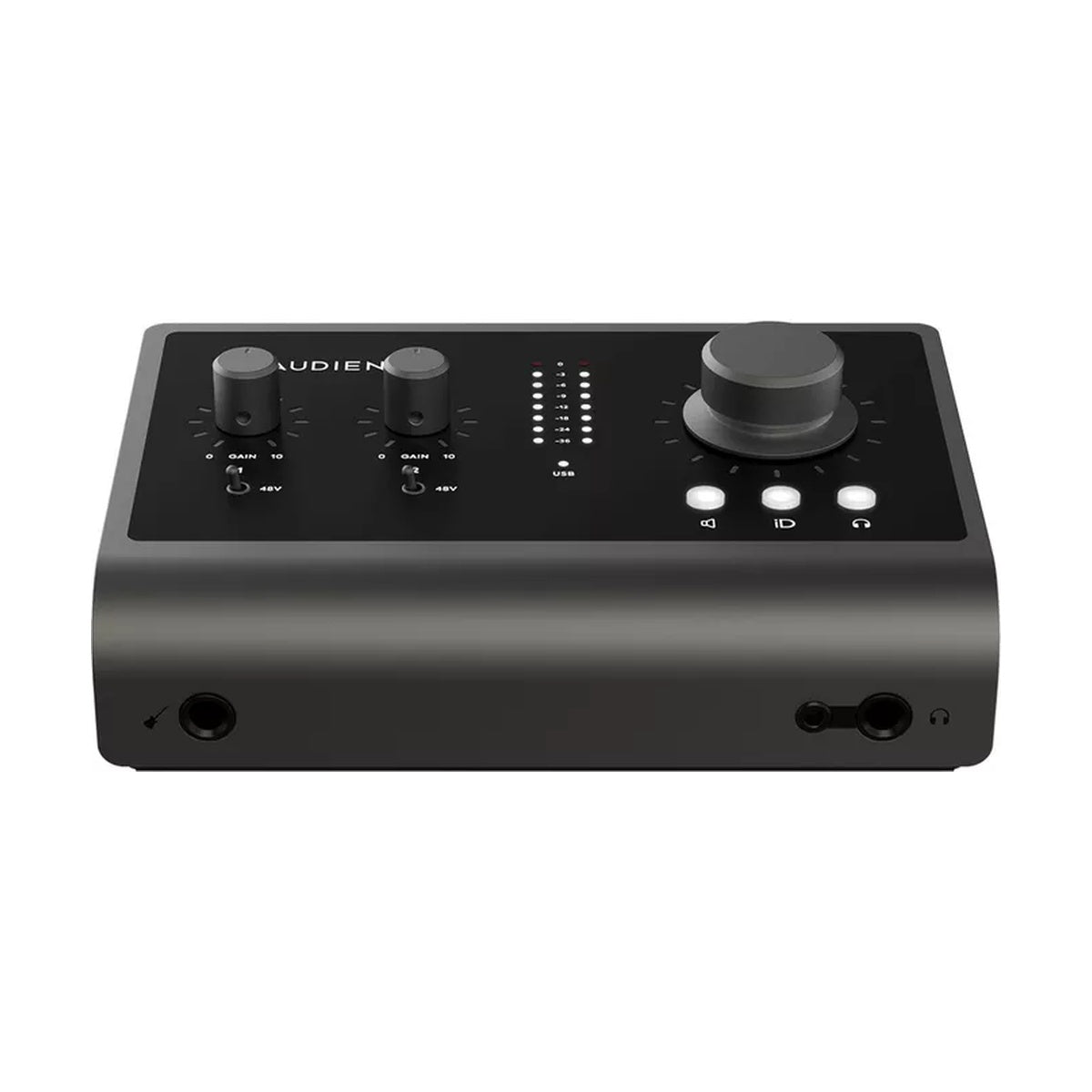
Modern interfaces like Audient iD4 MKII use USB-C for higher bandwidth and more stable performance under load. Older or budget models still use USB-B — check that your computer's ports match, or budget for an adapter.
Where to start
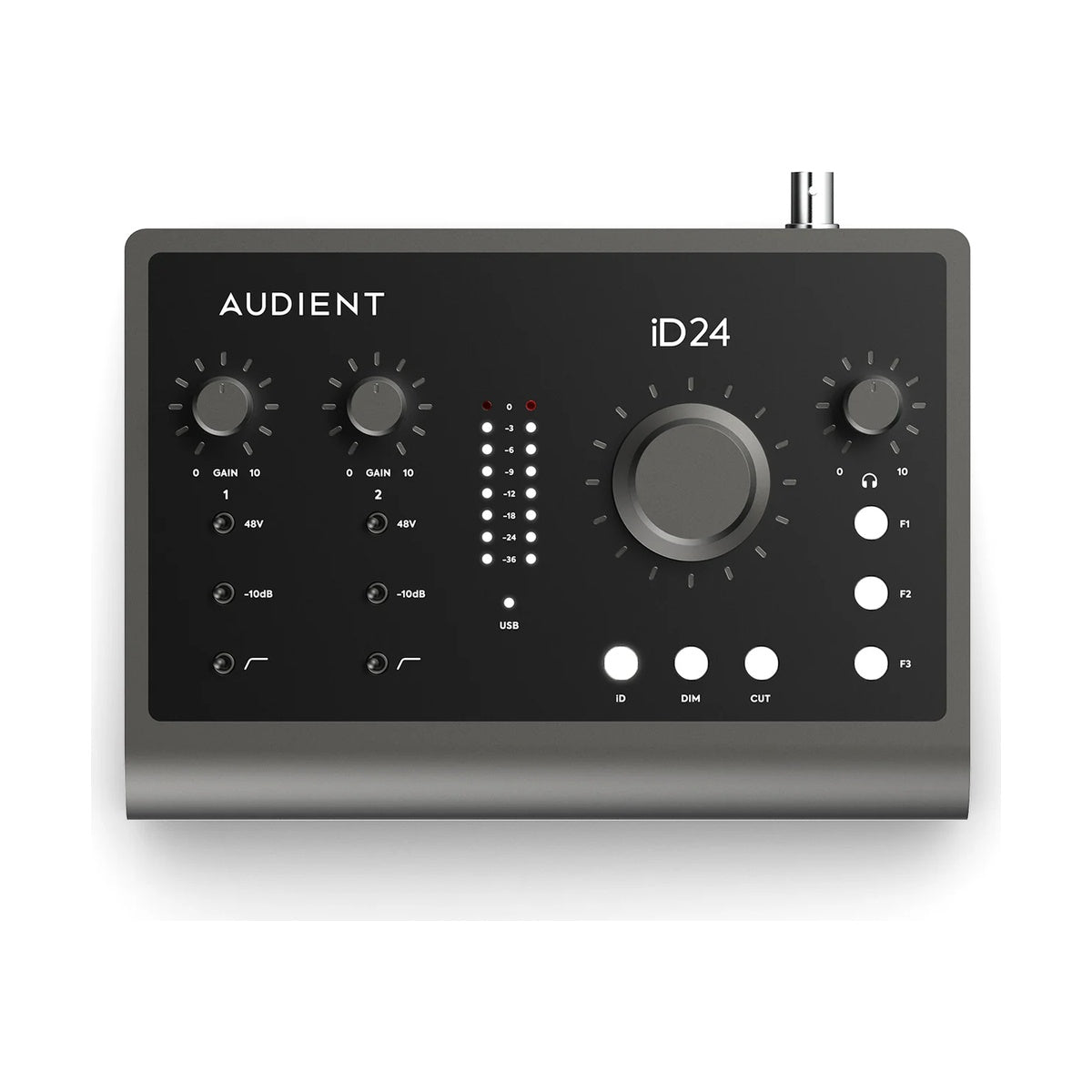
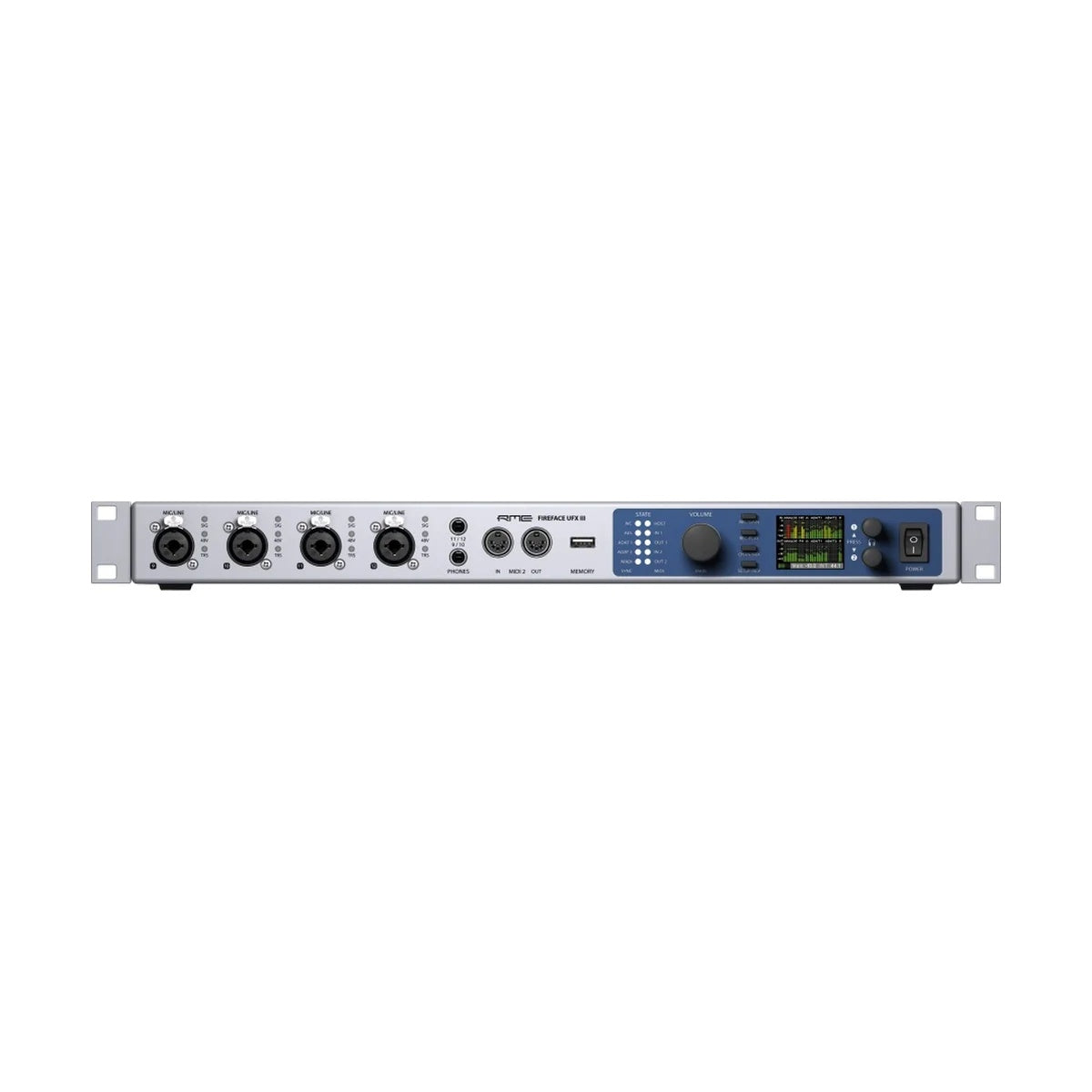
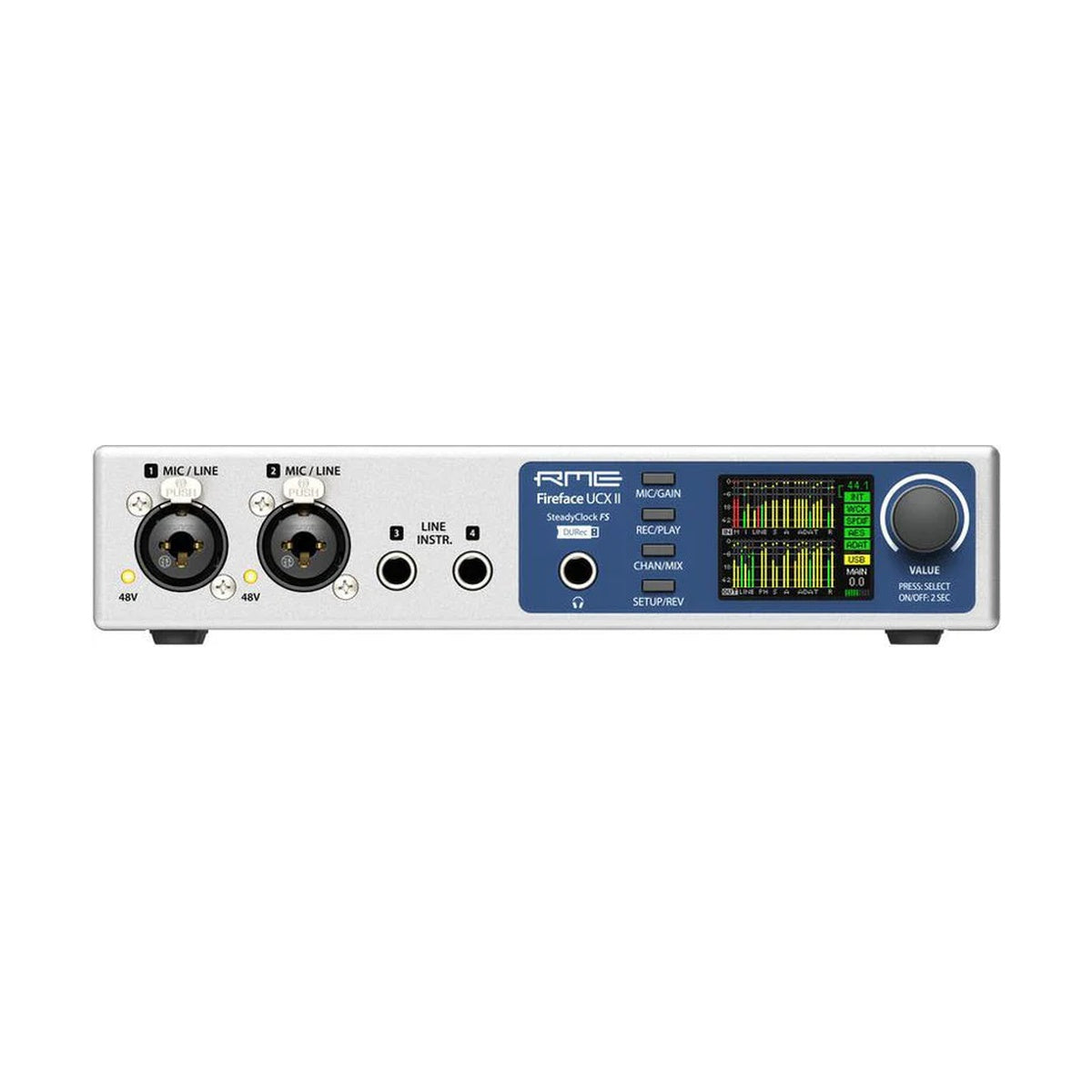
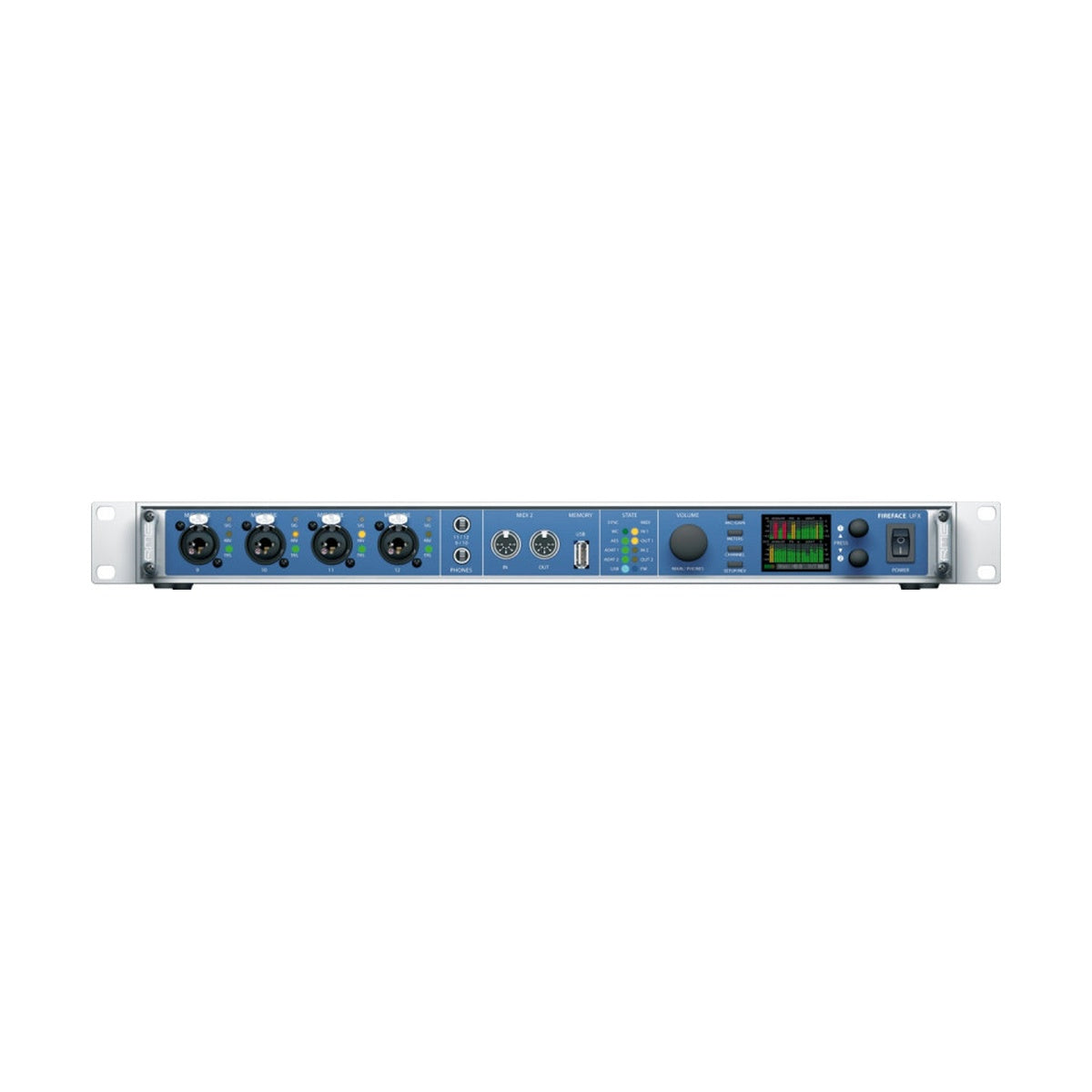
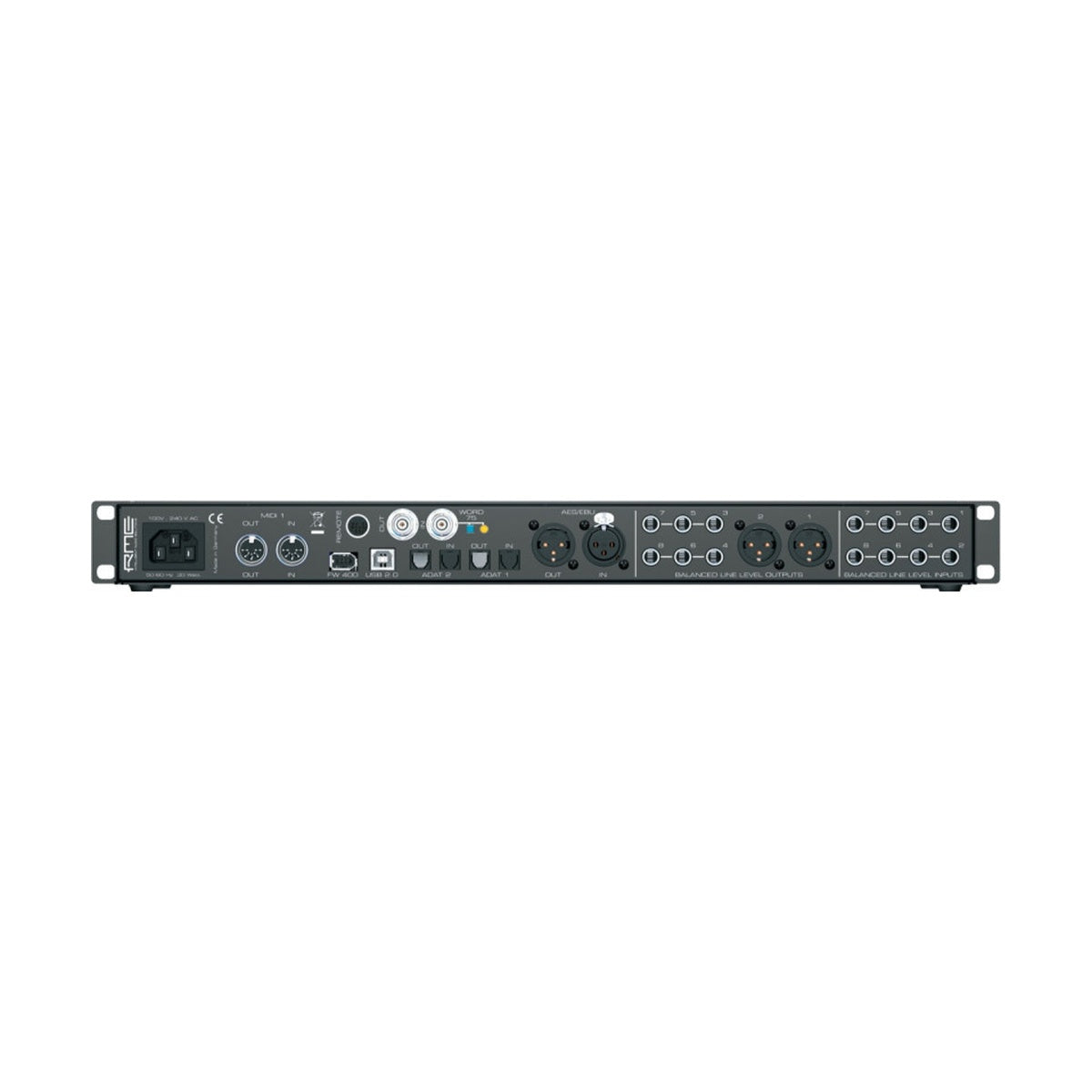
Want a compact, no-frills two-input interface with a genuinely good preamp? Audient iD4 MKII is the one we recommend most. Need more channels and console-style monitoring control? Audient iD24 scales up without losing that build quality. Chasing the highest channel count and rock-solid drivers over USB? RME Fireface UFX III is the reference.
The brands we carry
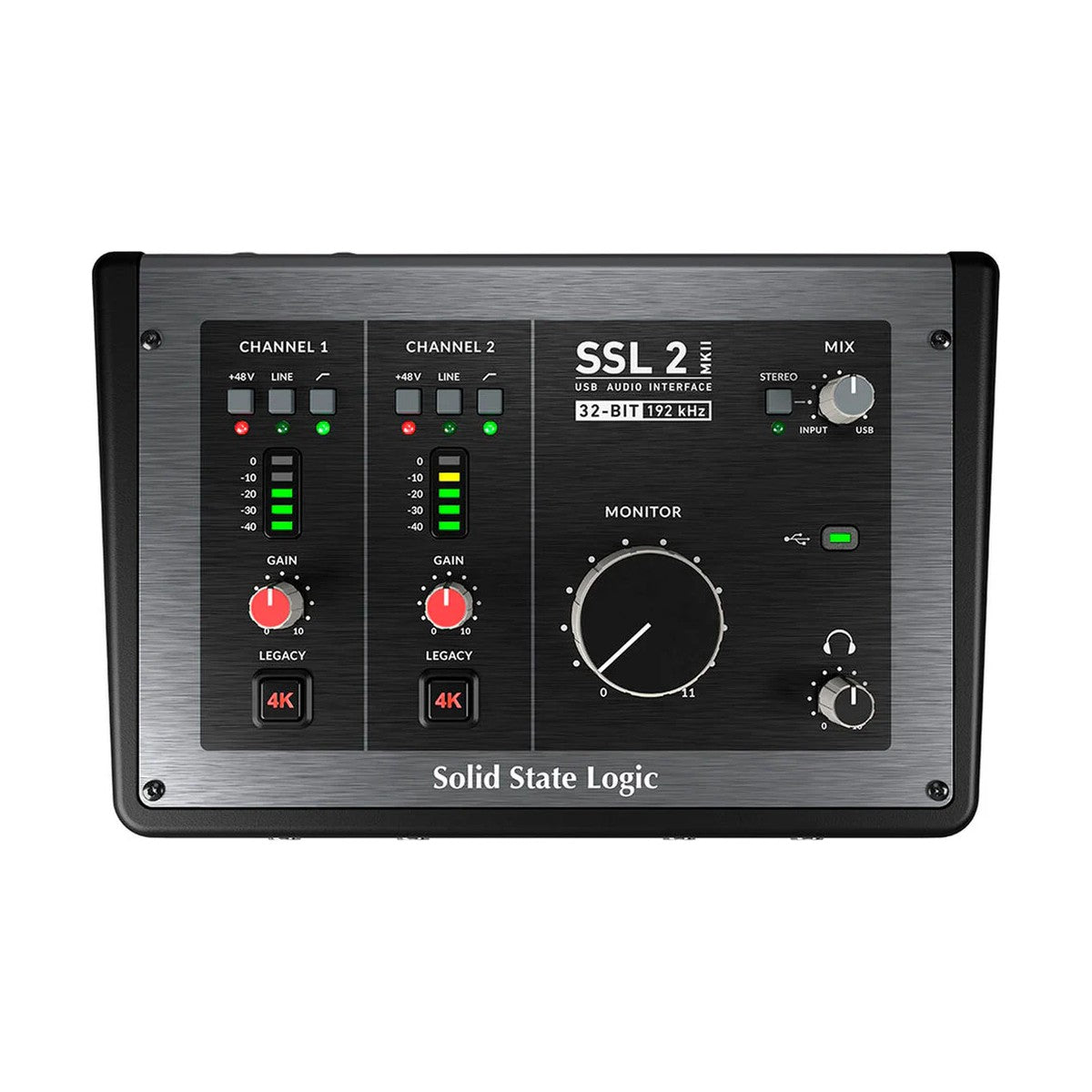
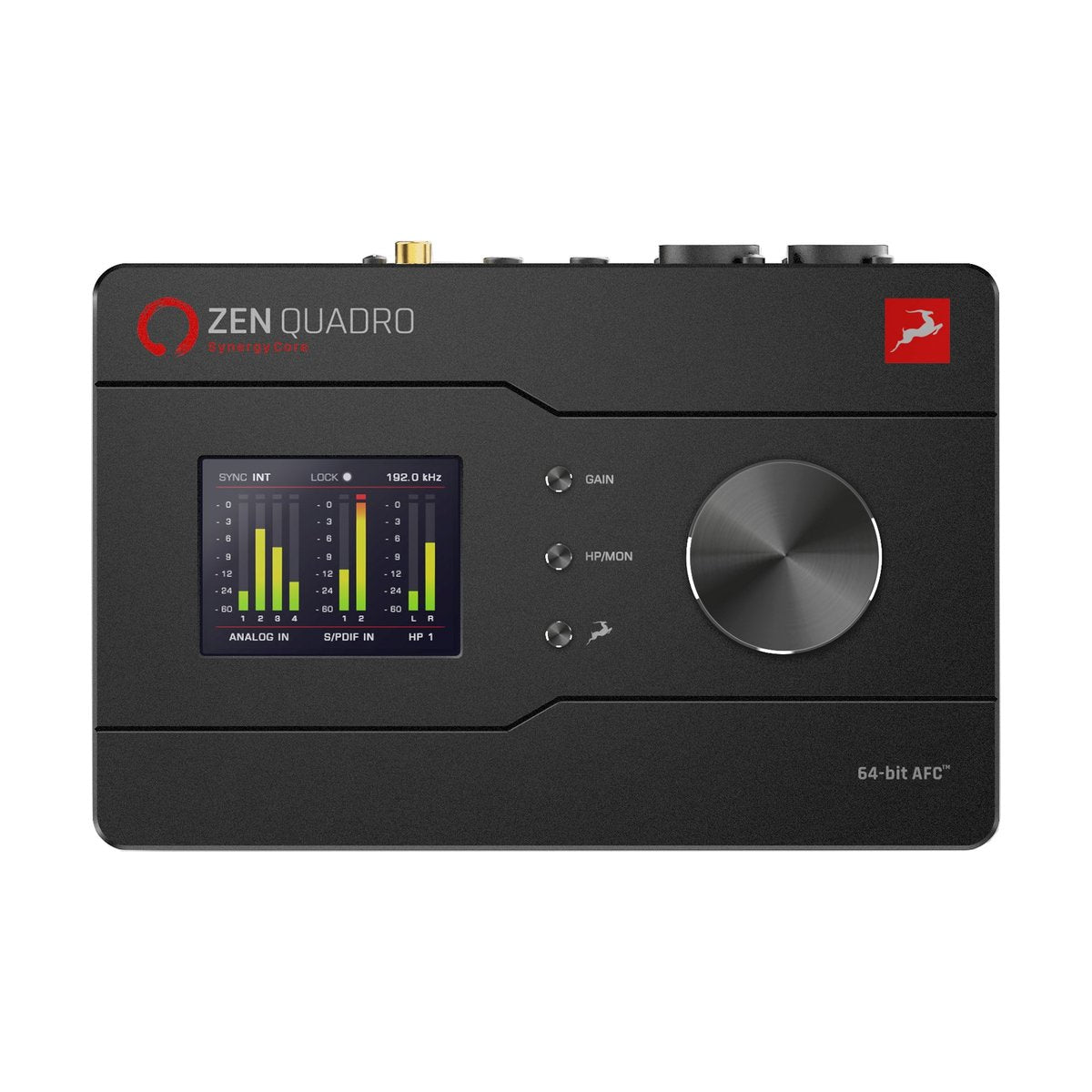
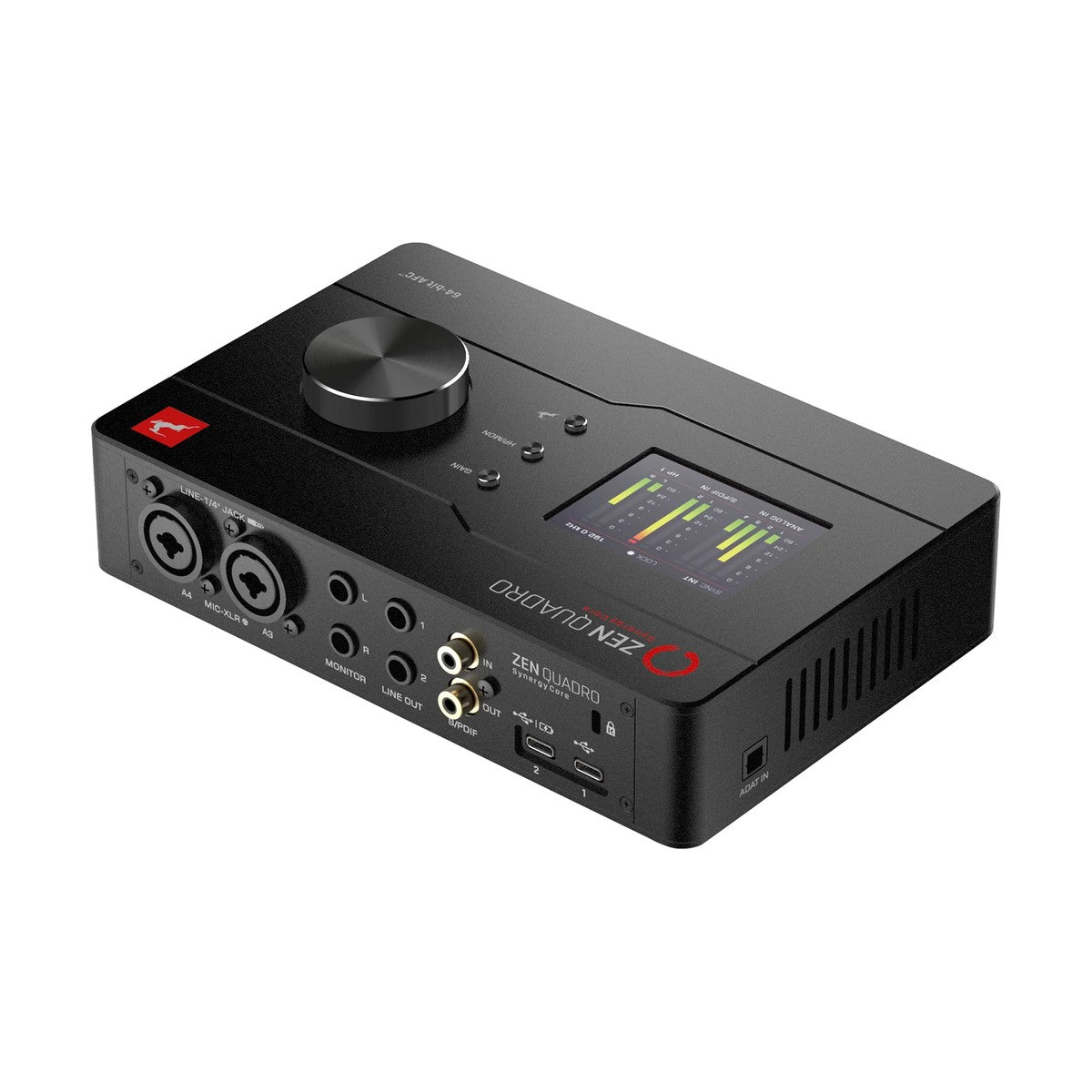
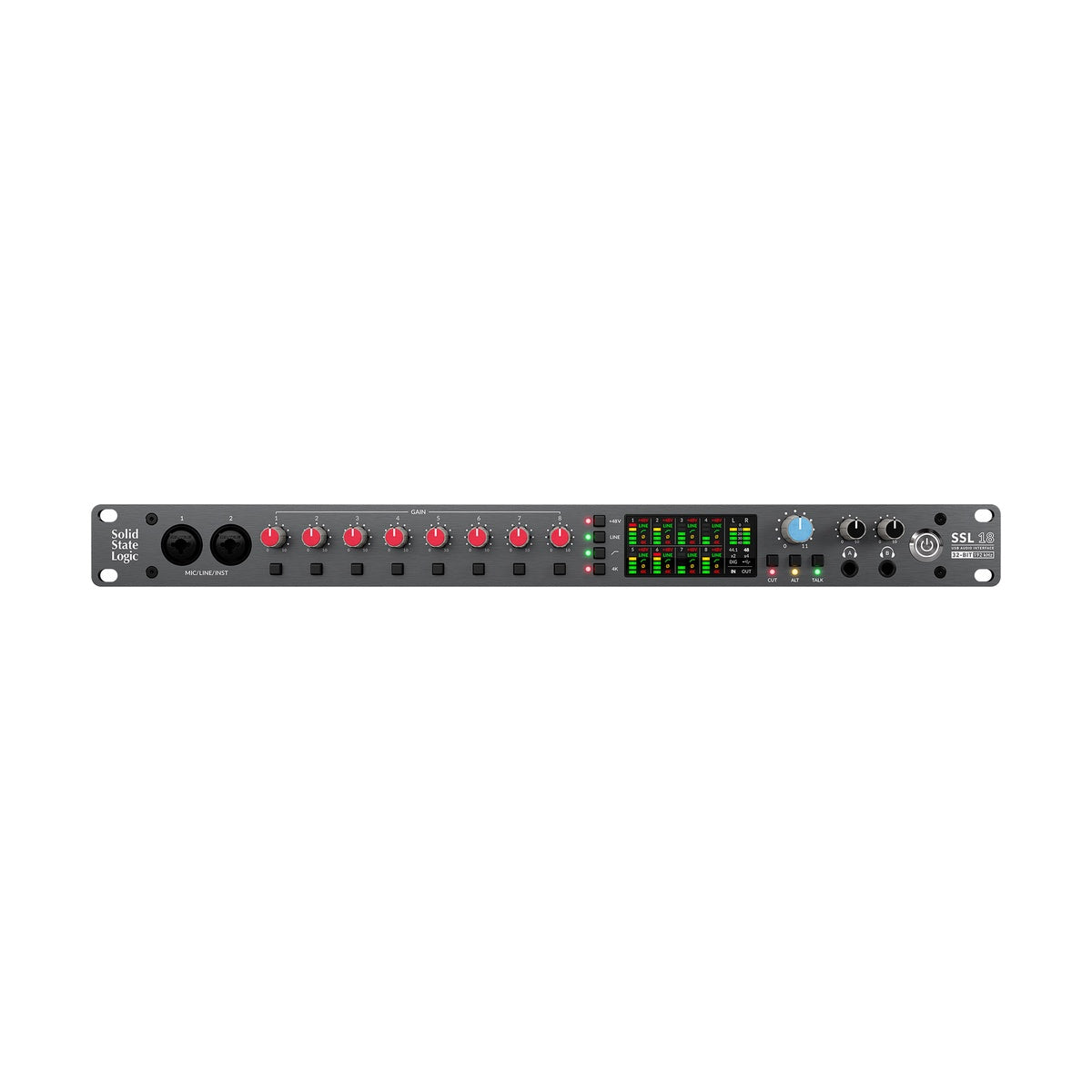
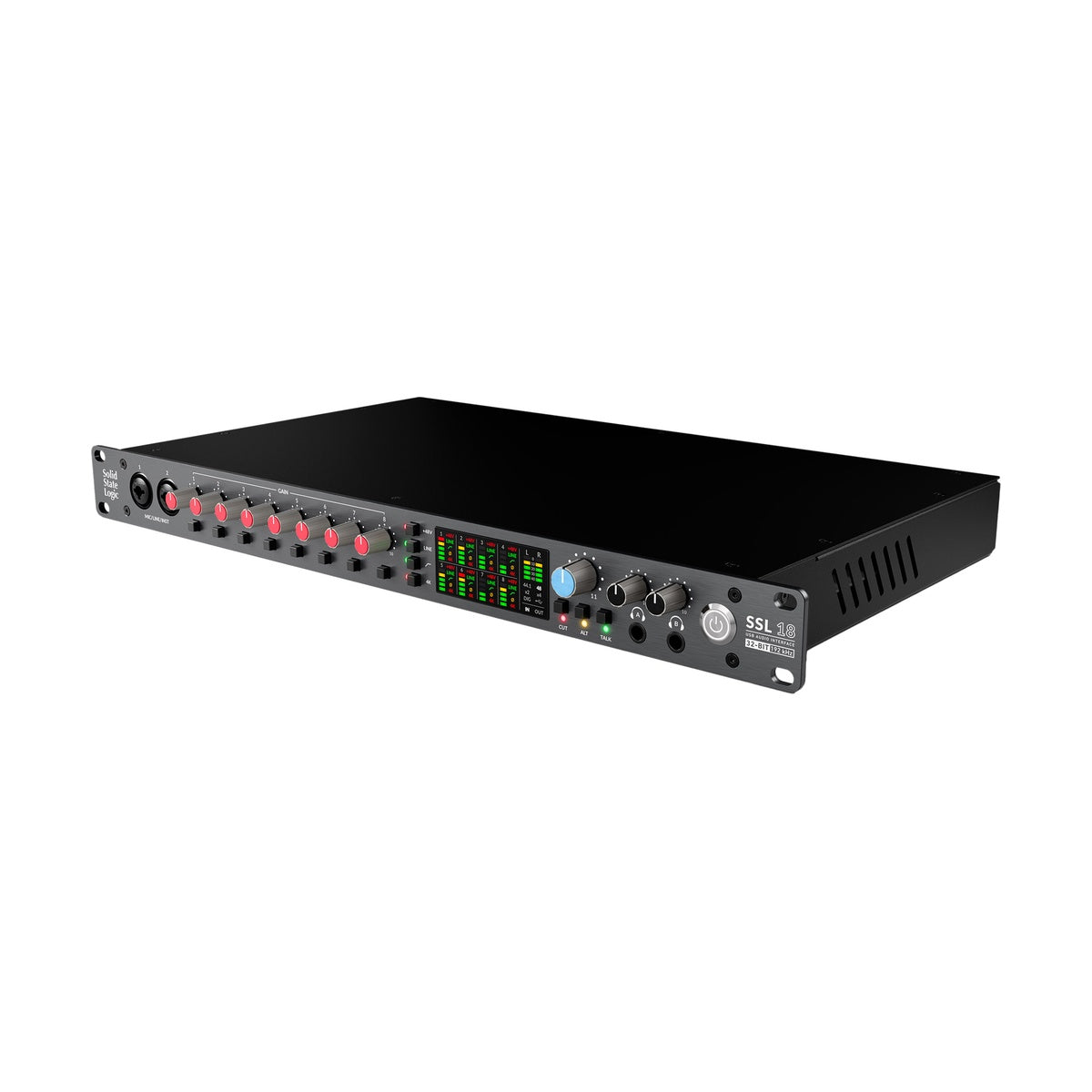
We carry Audient, RME, SSL, Antelope Audio and MOTU.
Hear it in our Warsaw showroom
The biggest difference between us and a mail-order shop: you can hear the gear before you buy it. Our showroom at Nowogrodzka 6A/102 in Warsaw is there so you can try it on your own material, not a shop demo. Book a visit or just swing by — we'll help without the sales pitch. Call: +48 573 580 840.
FAQ
Is USB-C interface quality really comparable to Thunderbolt now?
For the vast majority of home and project studio work, yes — the gap that mattered a decade ago has mostly closed for typical channel counts and buffer sizes.
Do I need a powered USB hub for my interface?
Most interfaces are bus-powered and don't need one. Check the specific model's power draw if you're running it alongside several other USB devices on a laptop.
What's the actual difference between budget and premium USB interfaces?
Mainly preamp quality, converter performance near 0dB, driver stability under heavy plugin load, and build quality — not the USB connection itself.
Guides & related
See also: Audio Interfaces · Thunderbolt Audio Interfaces · Preamps