Studio design service
We design professional recording, Dolby Atmos, podcast and mastering studios
From acoustic design to calibration and gear installation, everything in one place. We design around the equipment we use ourselves every day.
Why acoustics come first
The best gear in an untreated room still sounds wrong
Most rooms work against the sound: early reflections smear the stereo image, room modes muddy the low end, and noise leaks in and out. No monitor or microphone can fix that. We start with measurements and design the room around the way you actually work.
- Tamed reflections and a clean stereo image
- Controlled bass thanks to properly placed bass traps
- Sound isolation that quiets the room
- A space tuned by measurement, not by guesswork
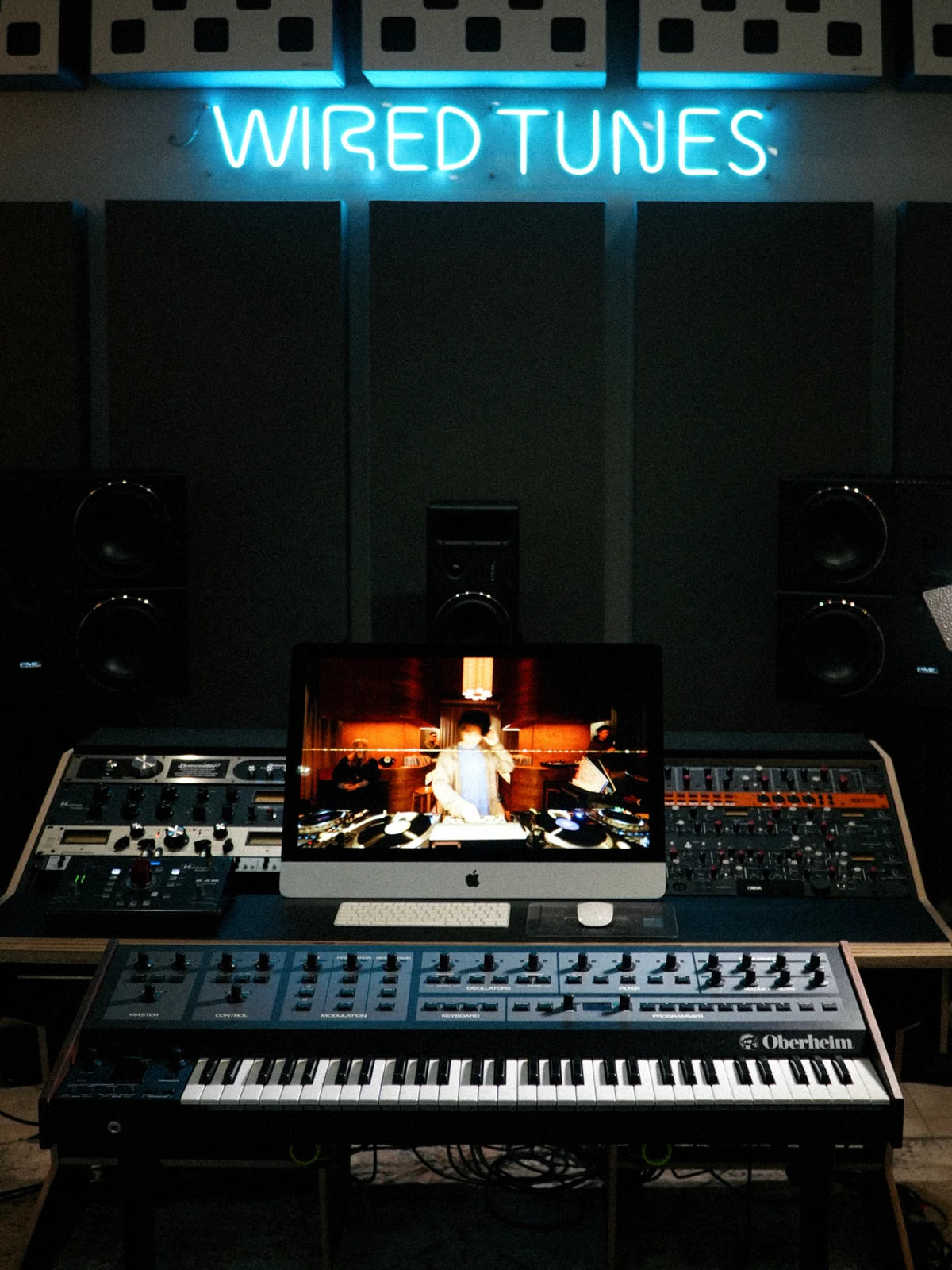
What we do
Everything from the first idea to the first session
One team for the whole journey, no more bouncing between an acoustician and three different shops.
Acoustic consultation
We start by understanding your goals, your room and your budget, in our showroom or online.
On-site visit and measurement
We measure RT60, room modes and noise so the design rests on data, not on guesswork.
Studio and acoustic design
A full treatment plan and gear list matched to the way you work.
Gear selection
Monitors, microphones, interfaces, panels and cables, chosen for your room and available from us.
Installation and calibration
We set up the room and calibrate the monitoring so your mixes translate to every system.
Support after delivery
Questions after launch? We stay in touch and help you grow your setup.
How it works
Your studio in six steps
Free consultation
We learn how you work, what you record and what you expect from the room.
On-site measurement
We come over, measure the acoustics and find the real problems in your space.
Acoustic and gear design
You get a treatment plan and a complete gear list matched to your budget.
Selection and purchase in one place
Everything on the list is available at Wired Tunes, with no running between five shops.
Installation and calibration
We install the treatment and calibrate the monitoring in the finished room.
Support and contact
We stay available for adjustments, expansion and the next stage of your studio.
Every studio, every scale
Studios we design
From a home-studio corner to a professional mastering suite, we scale the design to your goals.
Home and project studios
Home and bedroom setups that sound bigger than they are.
Podcast and voice-over studios
Dry, intelligible rooms for clean speech recording.
Mastering and listening rooms
Neutral, accurate spaces for mixing and mastering decisions.
Dolby Atmos and immersive
Multichannel rooms designed to immersive-audio standards.
Radio and TV
Speech-focused acoustics for radio, television and streaming.
Commercial and post-production
Production and post-production rooms for studios and companies.
What competitors can't copy
We design studios around gear we use ourselves
We don't just sell equipment, we work on it every day in our own studio. We know PMC, Genelec, Prism and Neumann from practice, not from a catalogue. That's why we choose solutions that actually hold up.
- Our own Dolby Atmos studio as a reference
- Gear tested in real work, not just sold
- Recommendations from experience, not from a brochure

Knowledge base
How to design and soundproof a recording studio
A guide to the basics of studio acoustics. Before you start, it helps to understand what really shapes the sound.
What is the difference between acoustic treatment and soundproofing?
They serve two different goals. Acoustic treatment improves the sound inside the room: it shortens reverb time and controls reflections with panels and bass traps. Soundproofing (isolation) stops sound from leaving or entering the room and requires work on the structure itself.
In practice, most home recording studios need treatment first. It decides whether your mixes translate to other systems.
How do you choose studio monitors?
Studio monitors are chosen to match the size of the room and the way you work. A small room is better served by nearfield monitors with a 5 to 7 inch woofer; a larger room can handle bigger designs.
The key rule: a monitor should be neutral, not flattering. That's why it's worth hearing it in our showroom and matching it to an acoustically treated room, otherwise even the best speaker will tell you the wrong story.
Why does room geometry matter?
The proportions and shape of a room determine how room modes are distributed: frequencies that build up or cancel out. Unfavourable geometry creates "booming" and dead spots in the bass.
That's why we start a studio design by analysing the dimensions and the listening position. Well-chosen geometry is half the success before you hang the first panel.
What are RT60 and first reflections?
RT60 is the time it takes for sound in a room to decay by 60 decibels, a measure of reverb. Too long an RT60 smears detail; too short makes the room feel "dead".
A first reflection is the point on a wall or ceiling where sound bounces to your ears right after the direct sound. Treating those points with panels dramatically improves the stereo image, and it's one of the first steps of any treatment.
What sets us apart
Design and gear in one place
Acoustic firms design, then send you elsewhere for the gear. Retailers sell, but offer no design service. We do both, plus a showroom where you can listen before you buy.

The people behind the project
Your studio is designed by experts
You're not buying a website, you're buying the knowledge and experience of people who have built dozens of studios.
Wired Tunes consultant
Helps you choose the right solution and guides you through the whole process, from idea to installation.
Acoustic engineer
Handles measurements, treatment design and monitoring calibration in the finished room.
Wired Tunes team
Delivers, installs and commissions the studio, all under one roof.
Equip your room
Acoustic treatment and studio gear
Panels, bass traps, studio monitors and the rest of the setup: specific models we recommend on our own projects.
Acoustic treatment
Panels, bass traps and diffusers: every project starts here.


Studio monitors
Monitoring that tells the truth about your mix, from nearfields to main monitors.


The rest of the setup
Interfaces, microphones and cabling that complete the studio.


Trusted by creators
What our clients say
They designed the room, chose the gear and set everything up. It finally sounds the way I hear it in professional studios.
Being able to listen to the monitors in the showroom before buying changed everything. No more guessing online.
One contact for acoustics, gear and installation. It saved me weeks and a lot of mistakes.
Good to know
Frequently asked questions
How long does a recording studio project take?
Do you do on-site visits and measurements?
Can I buy all the gear from you?
Do you design professional studios?
How much does it cost?
Can I visit the showroom?
Ready to design your studio?
Tell us about your room and your goals. We'll come back with a plan, a gear list and a clear next step, no obligation.