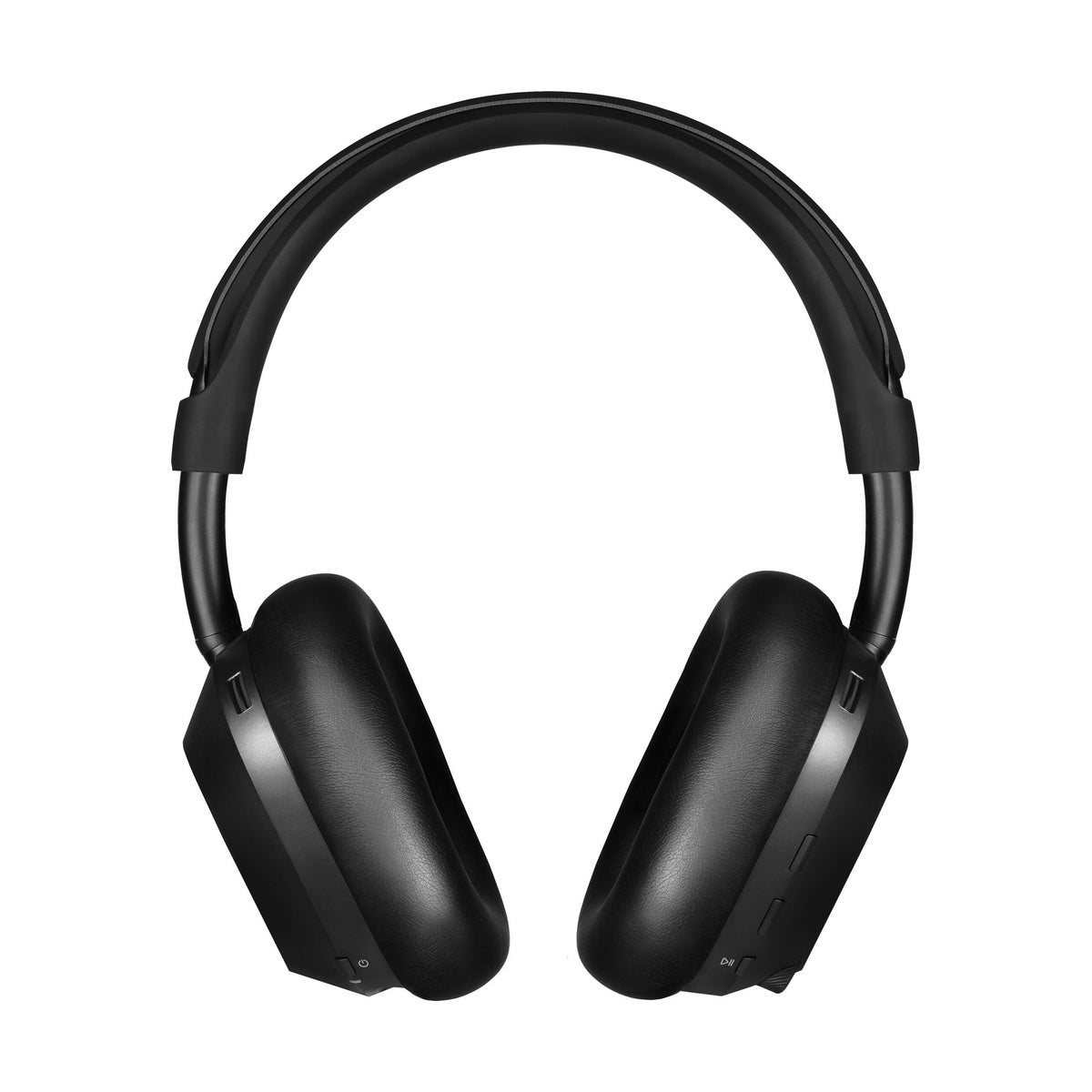
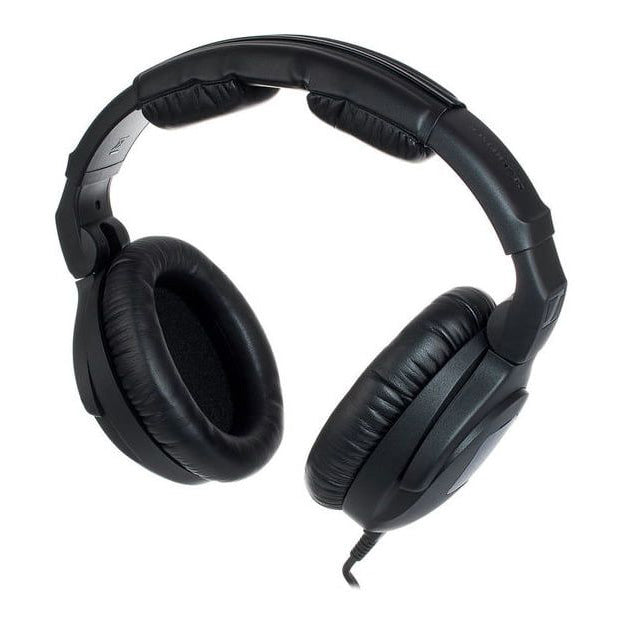
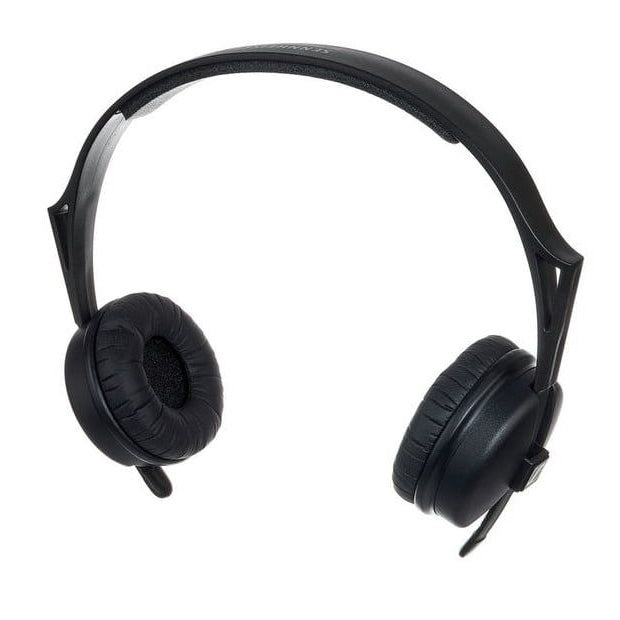
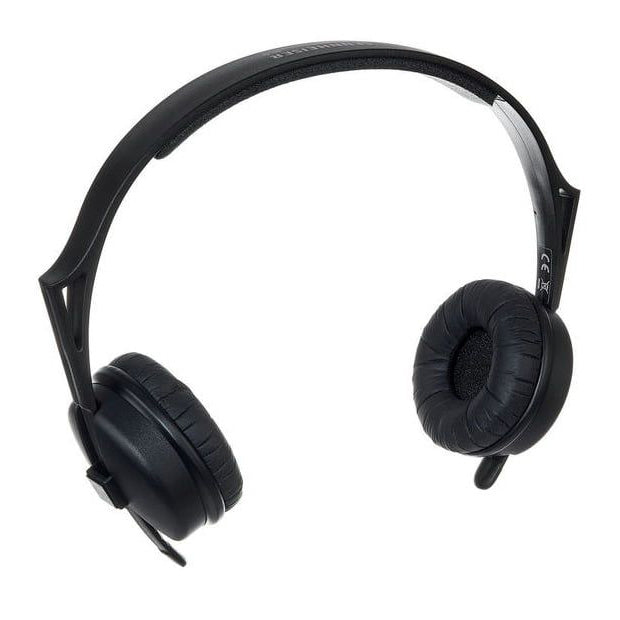
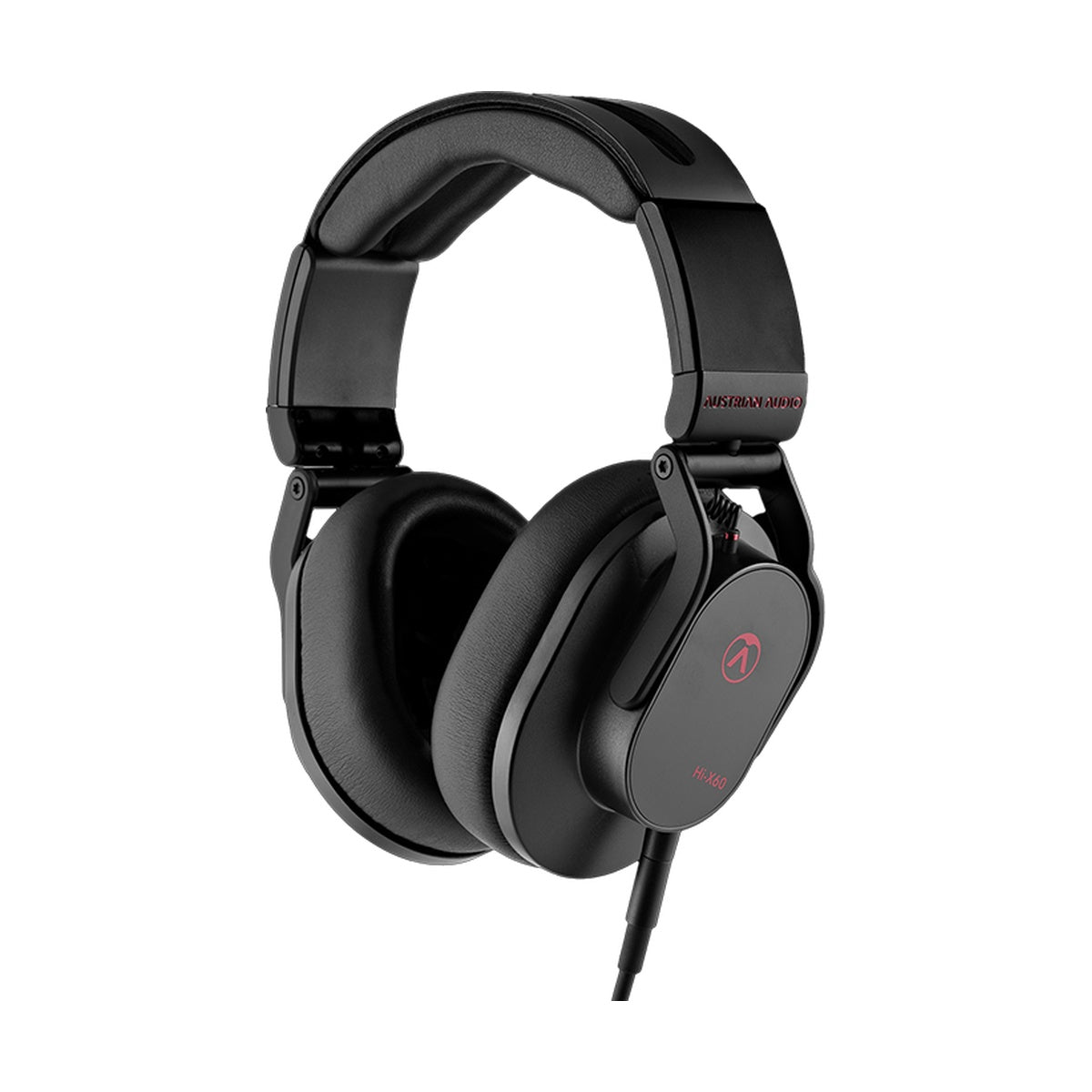
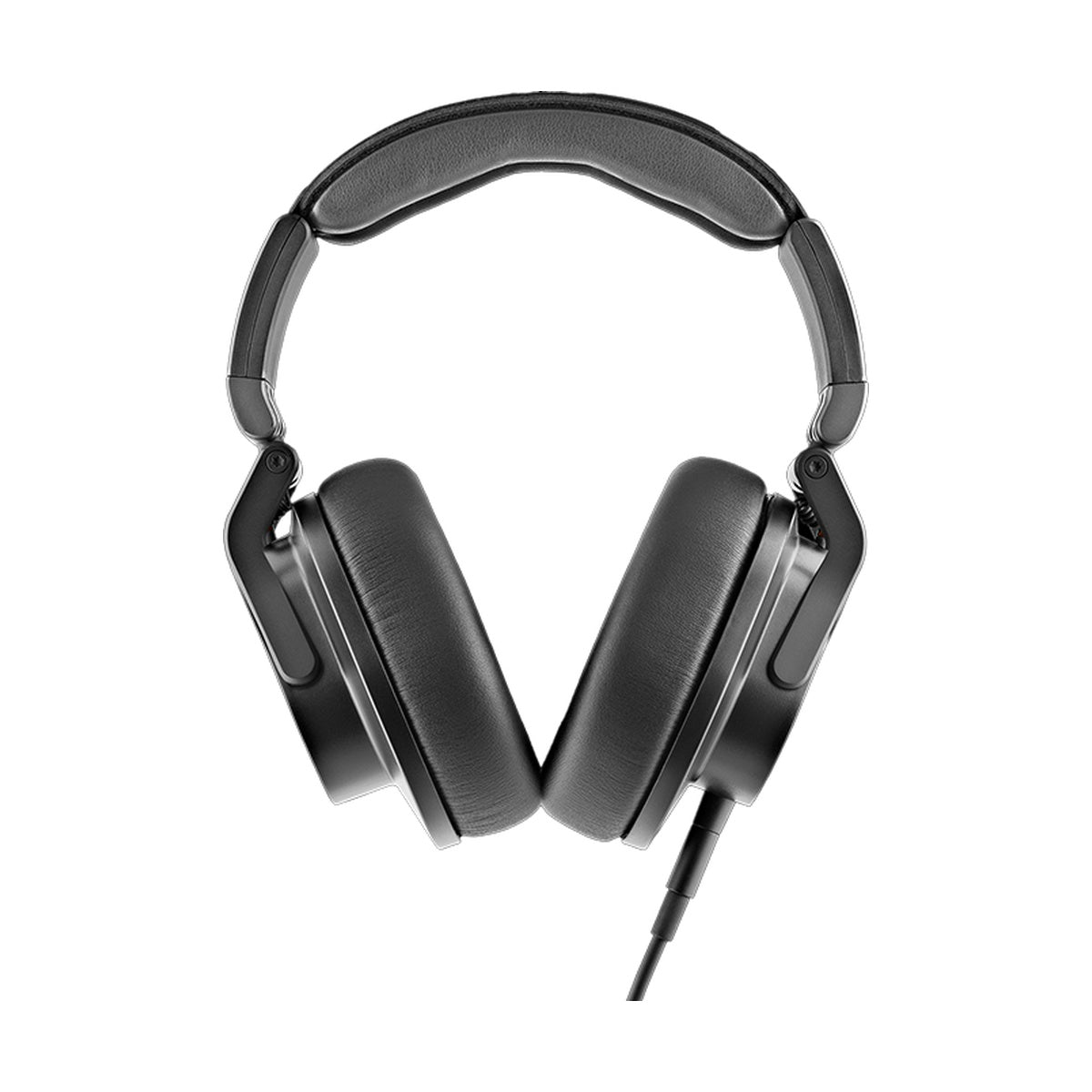
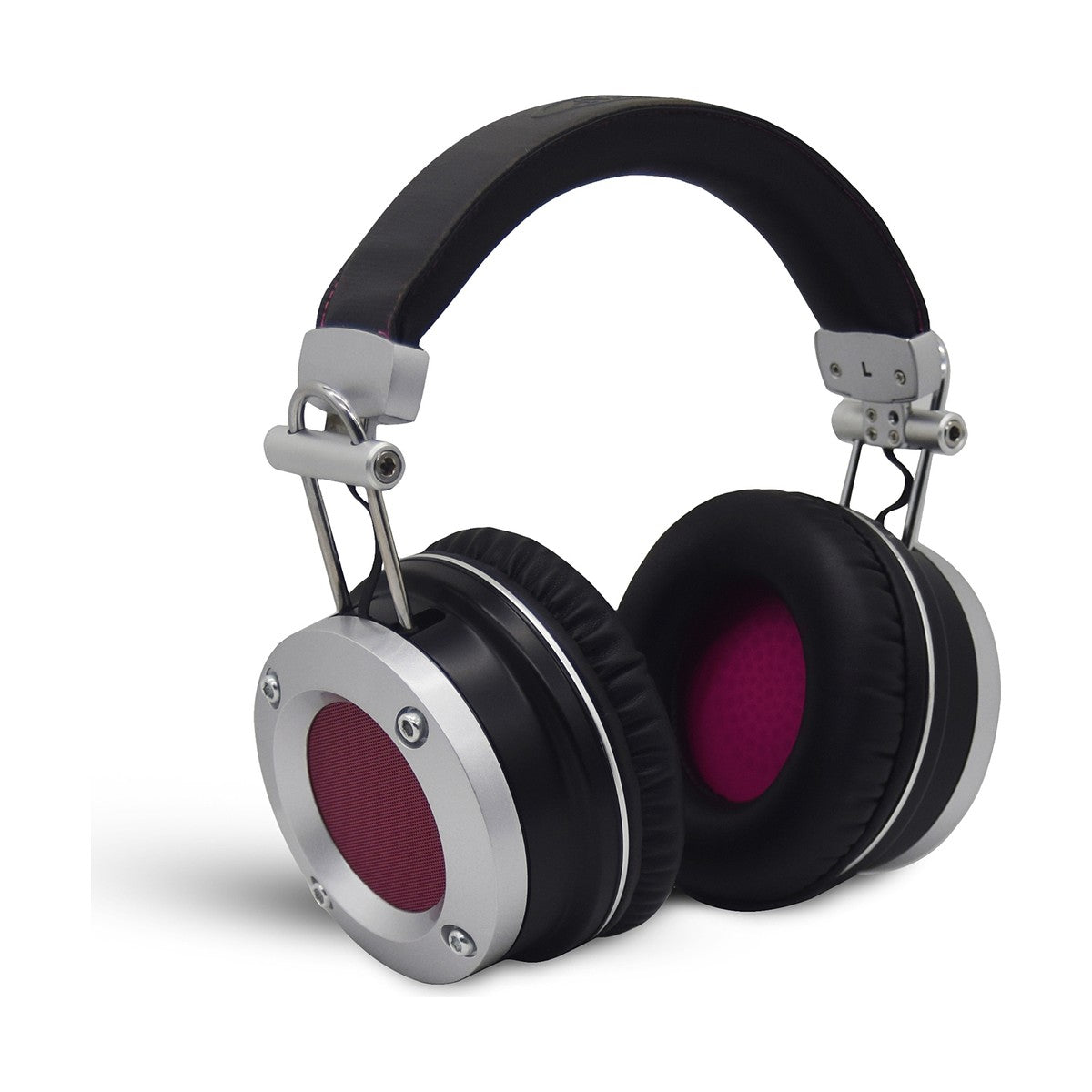
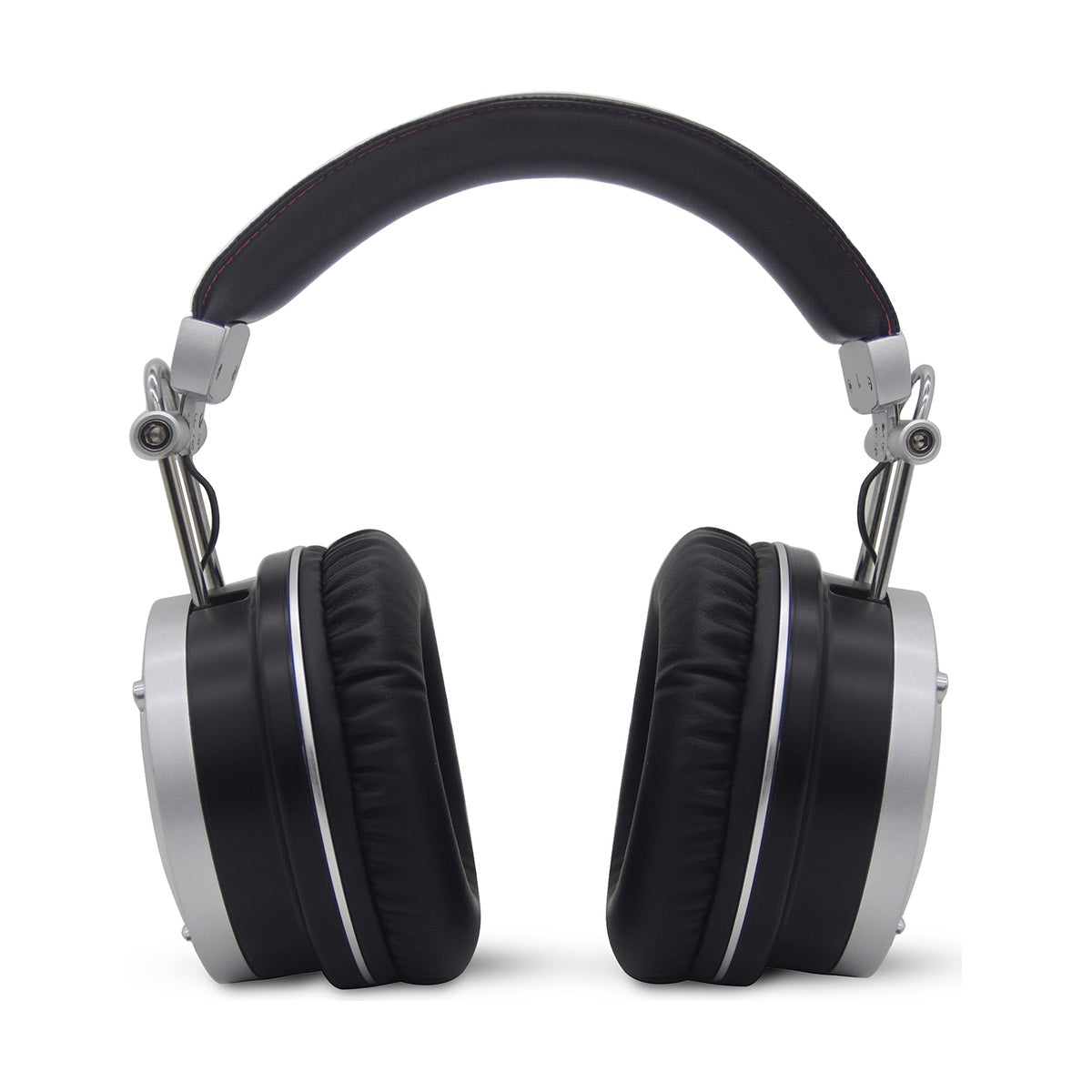
Closed-Back Headphones – Isolation for Tracking and Loud Environments
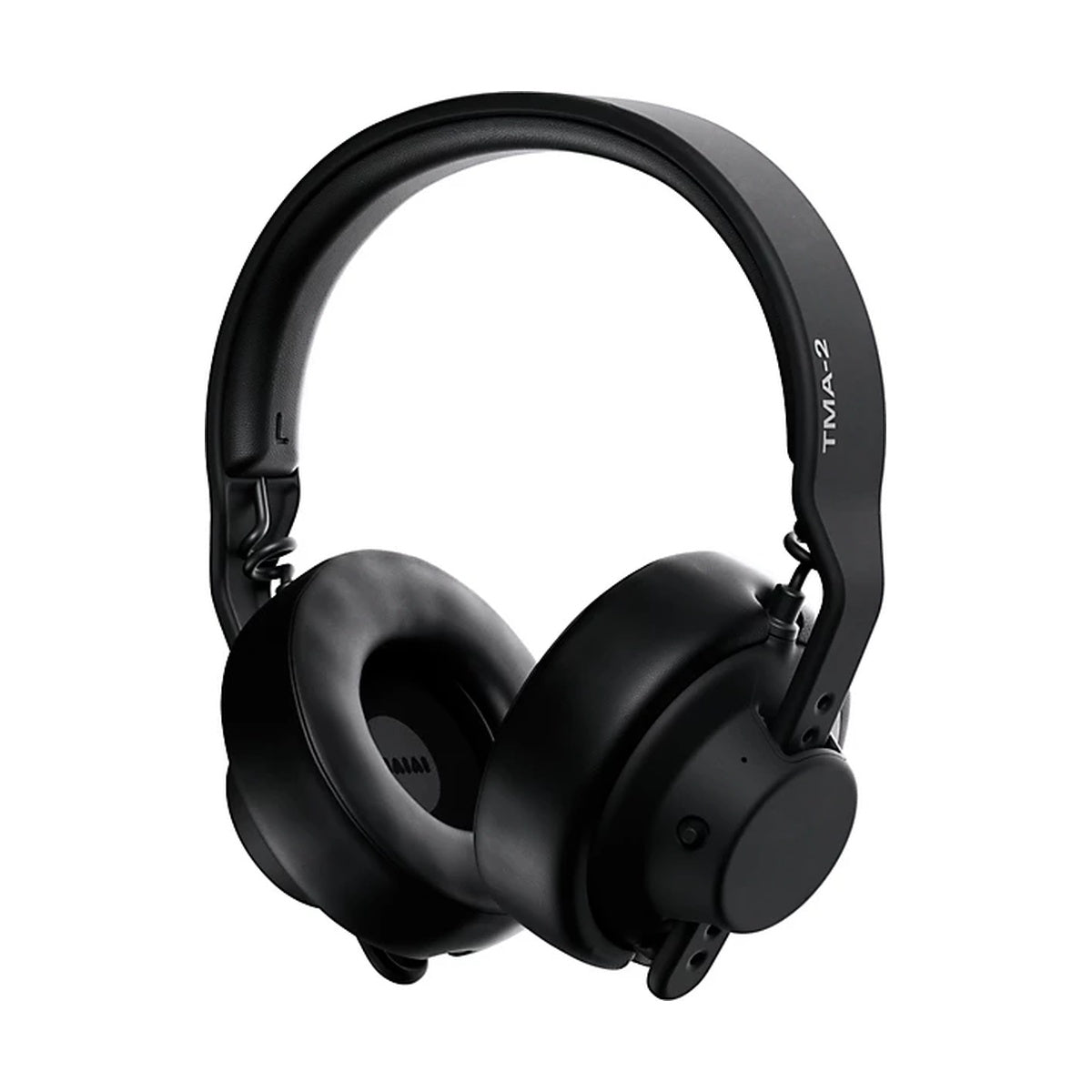
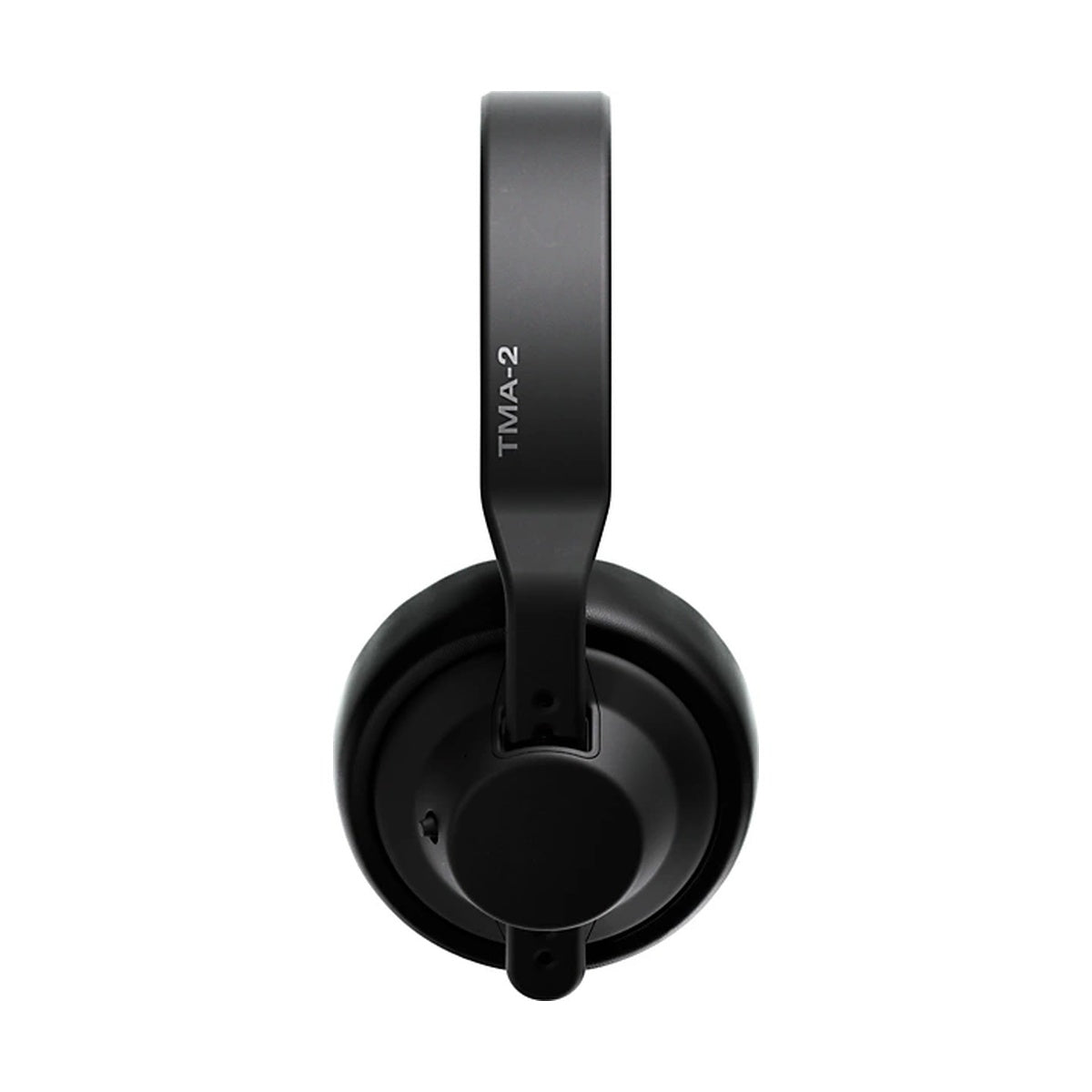
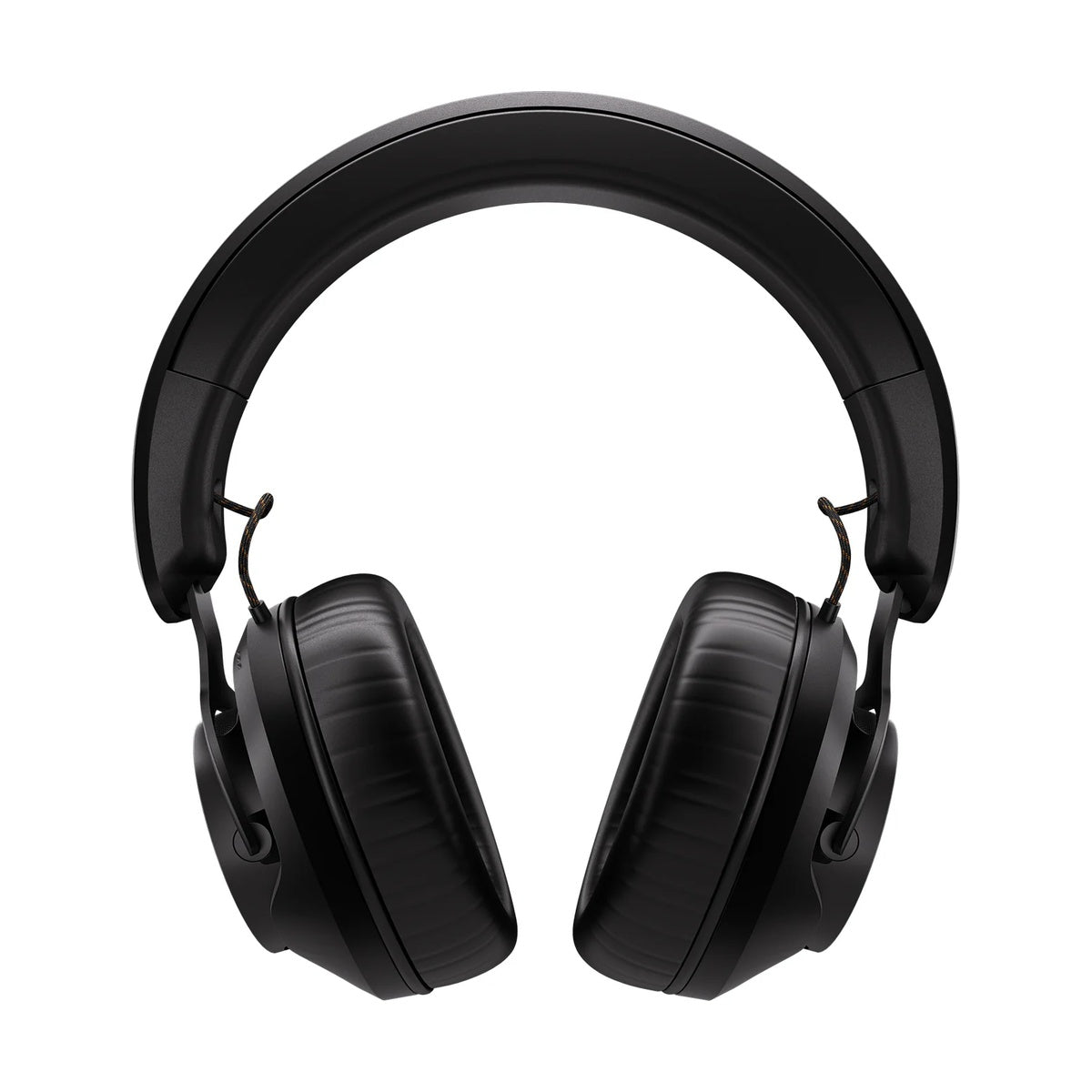
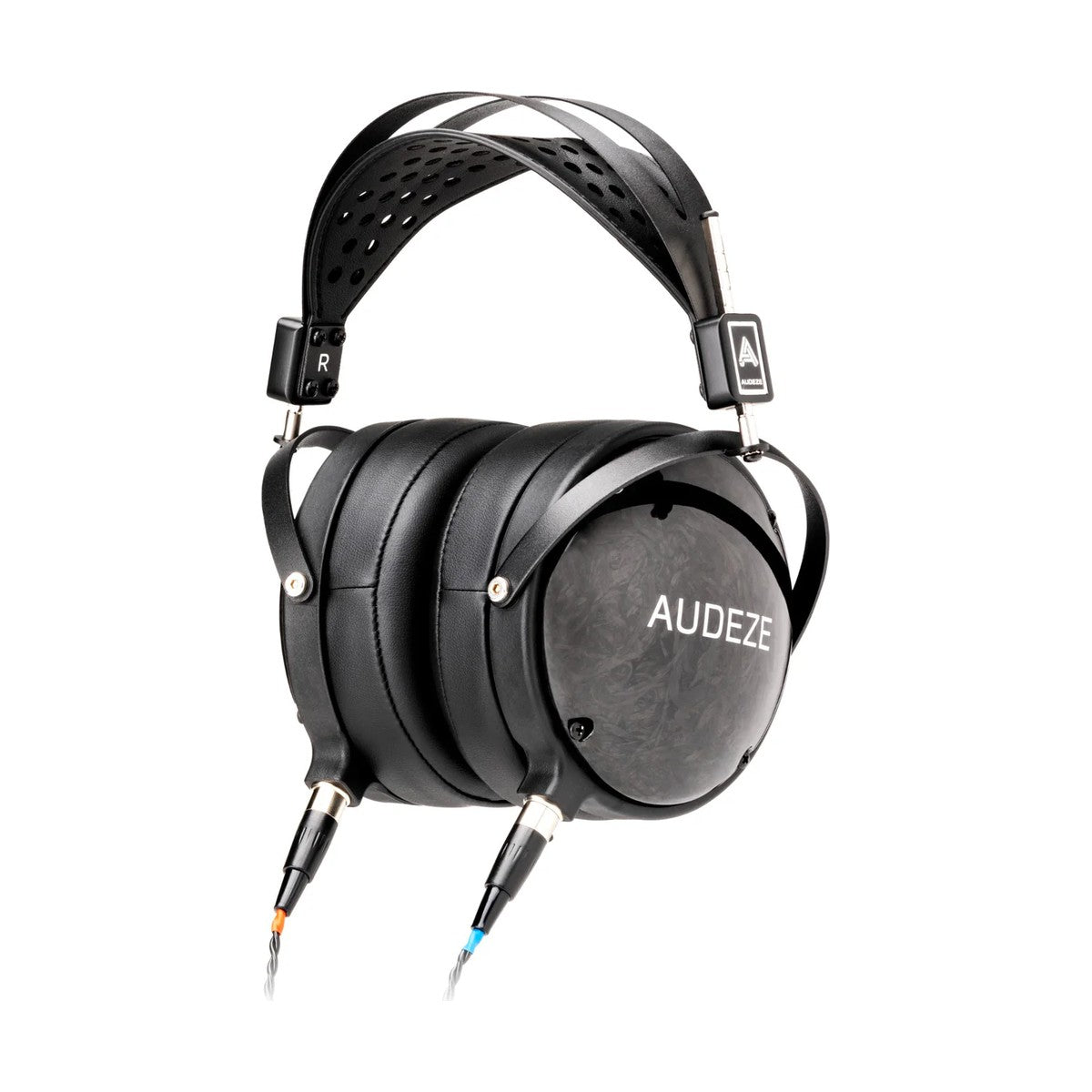
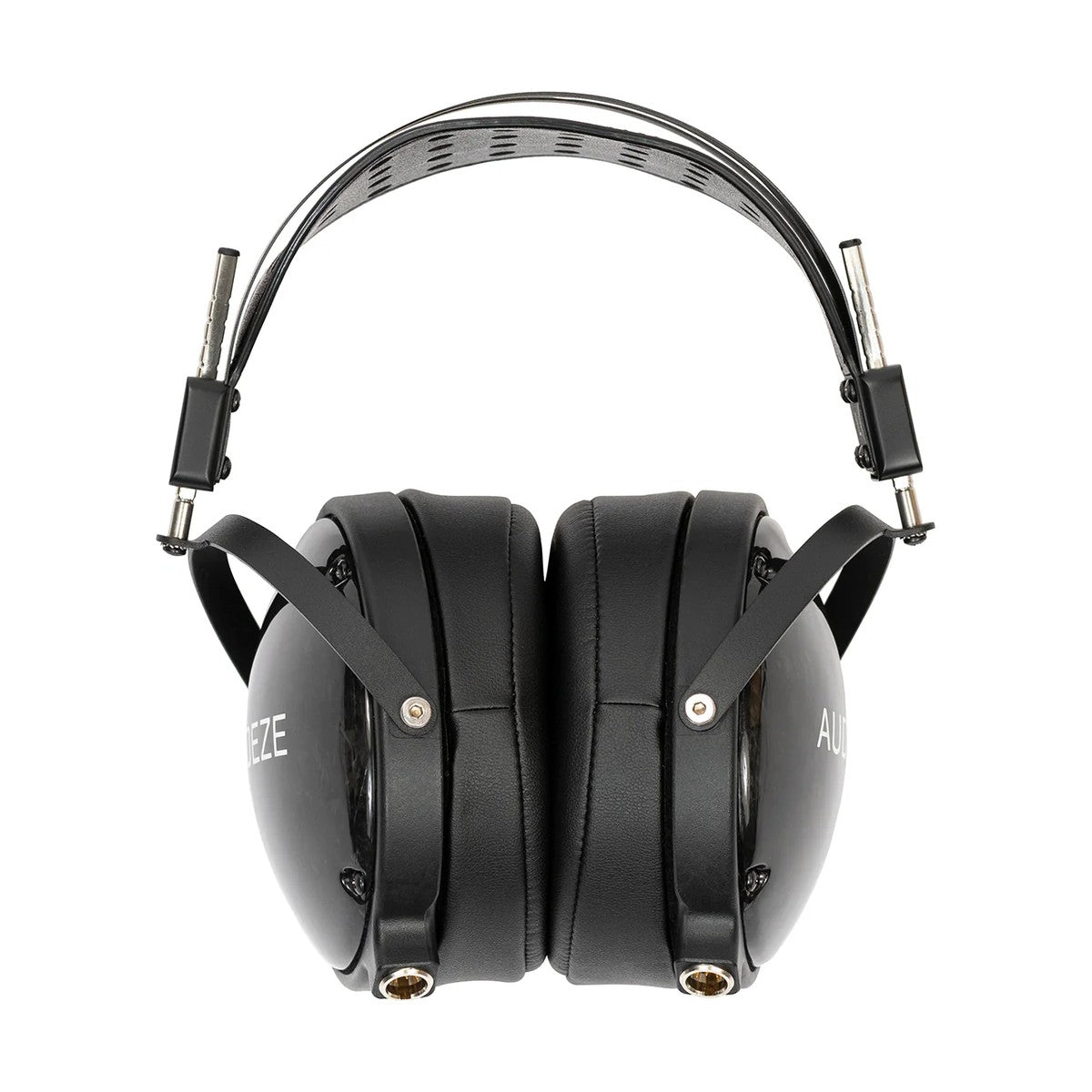
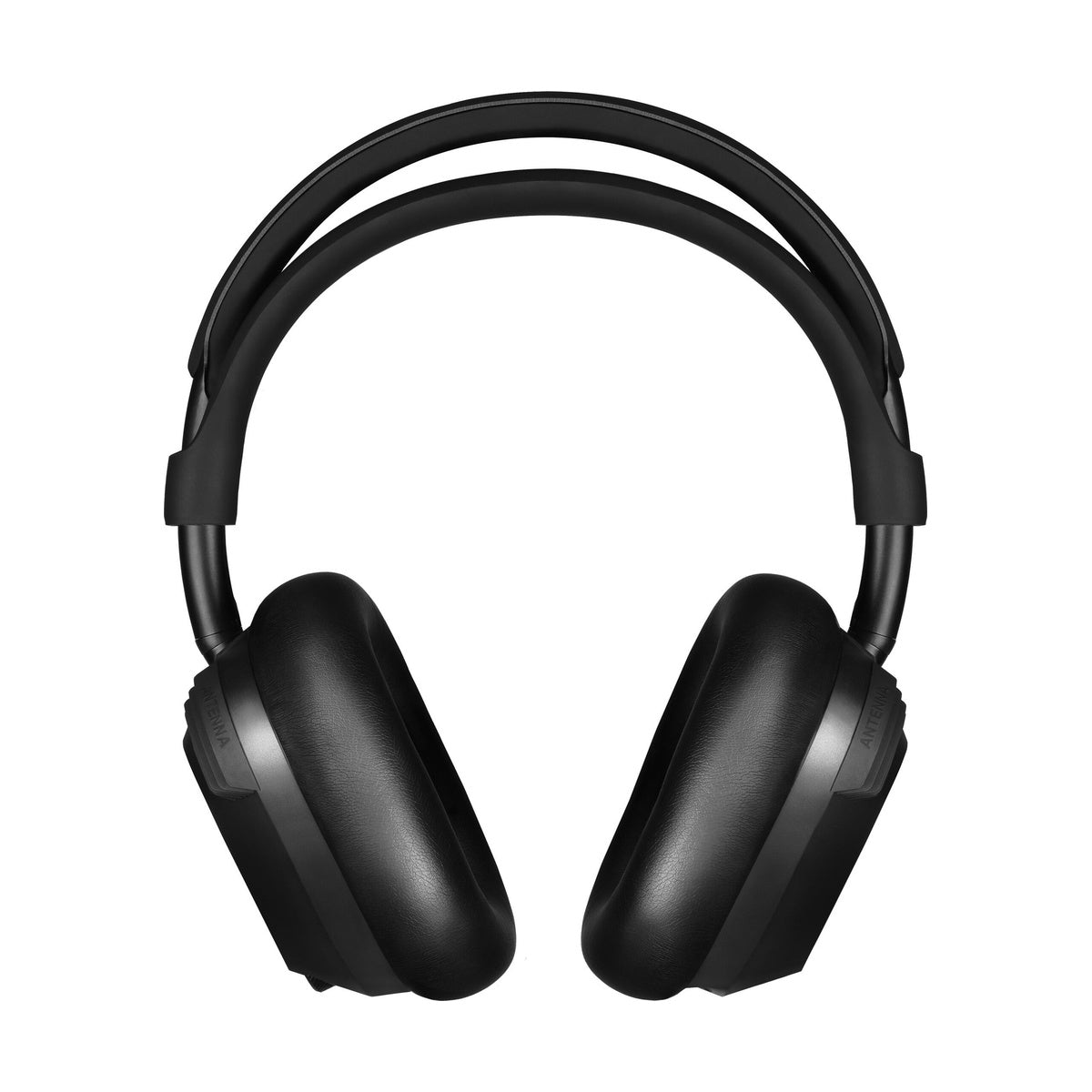
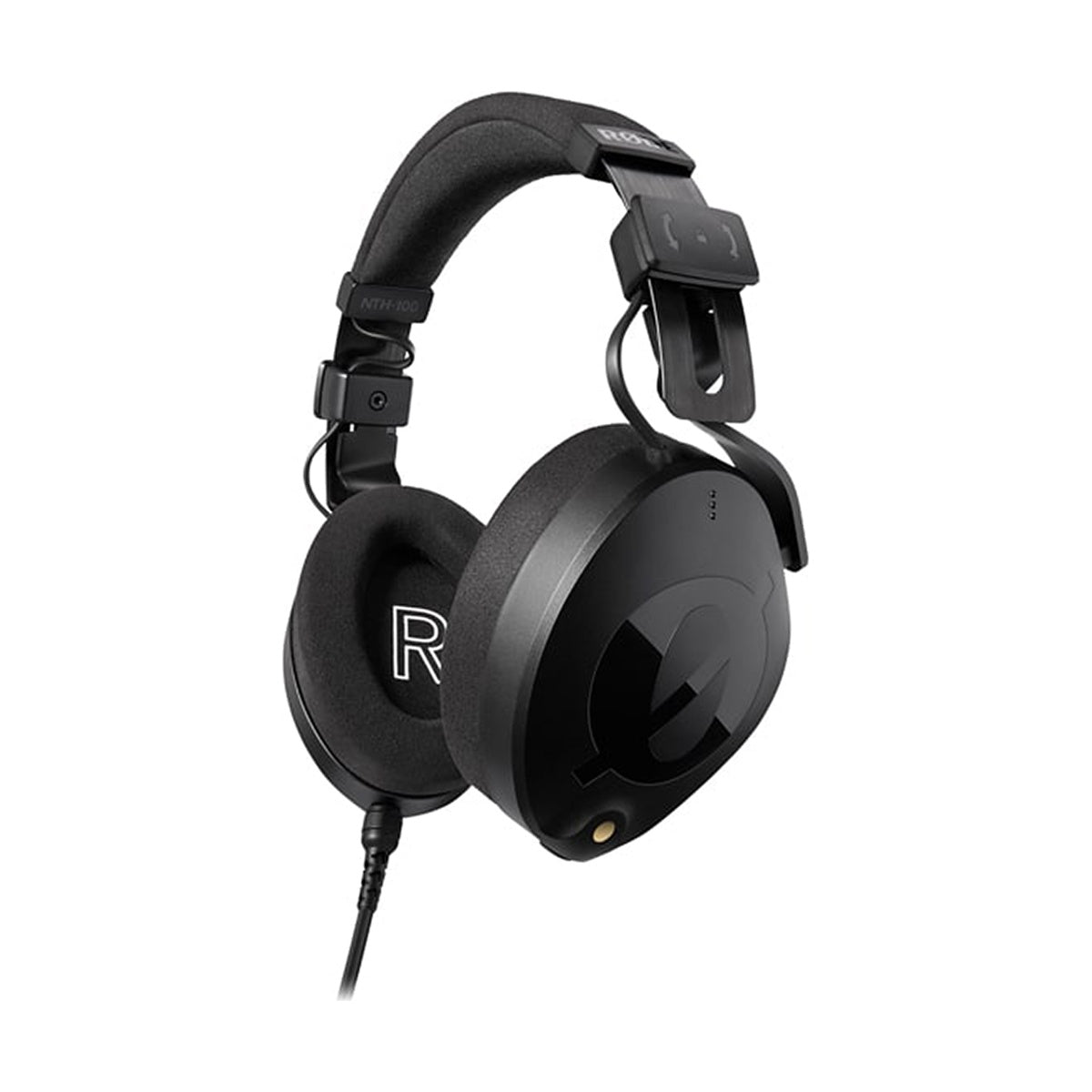
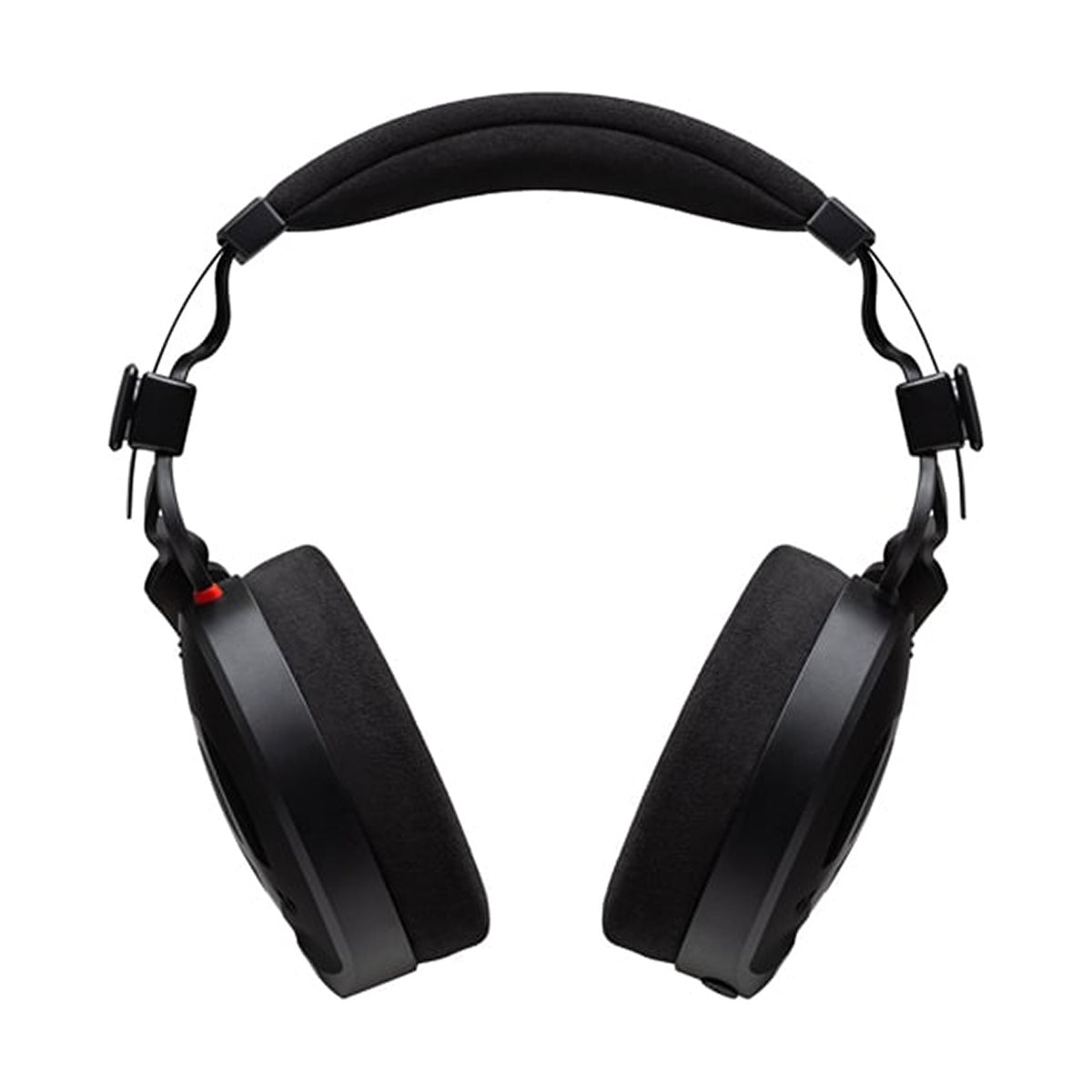
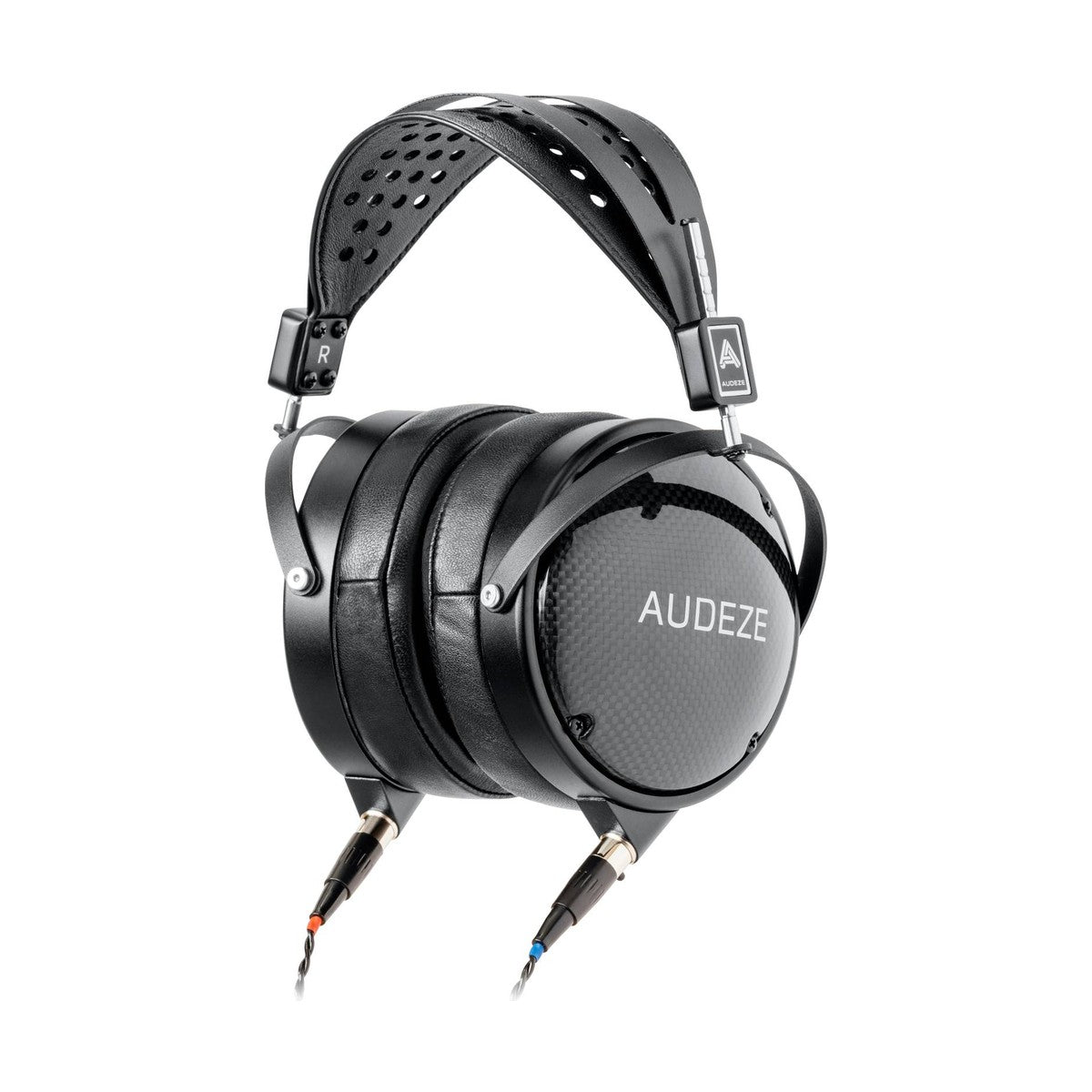
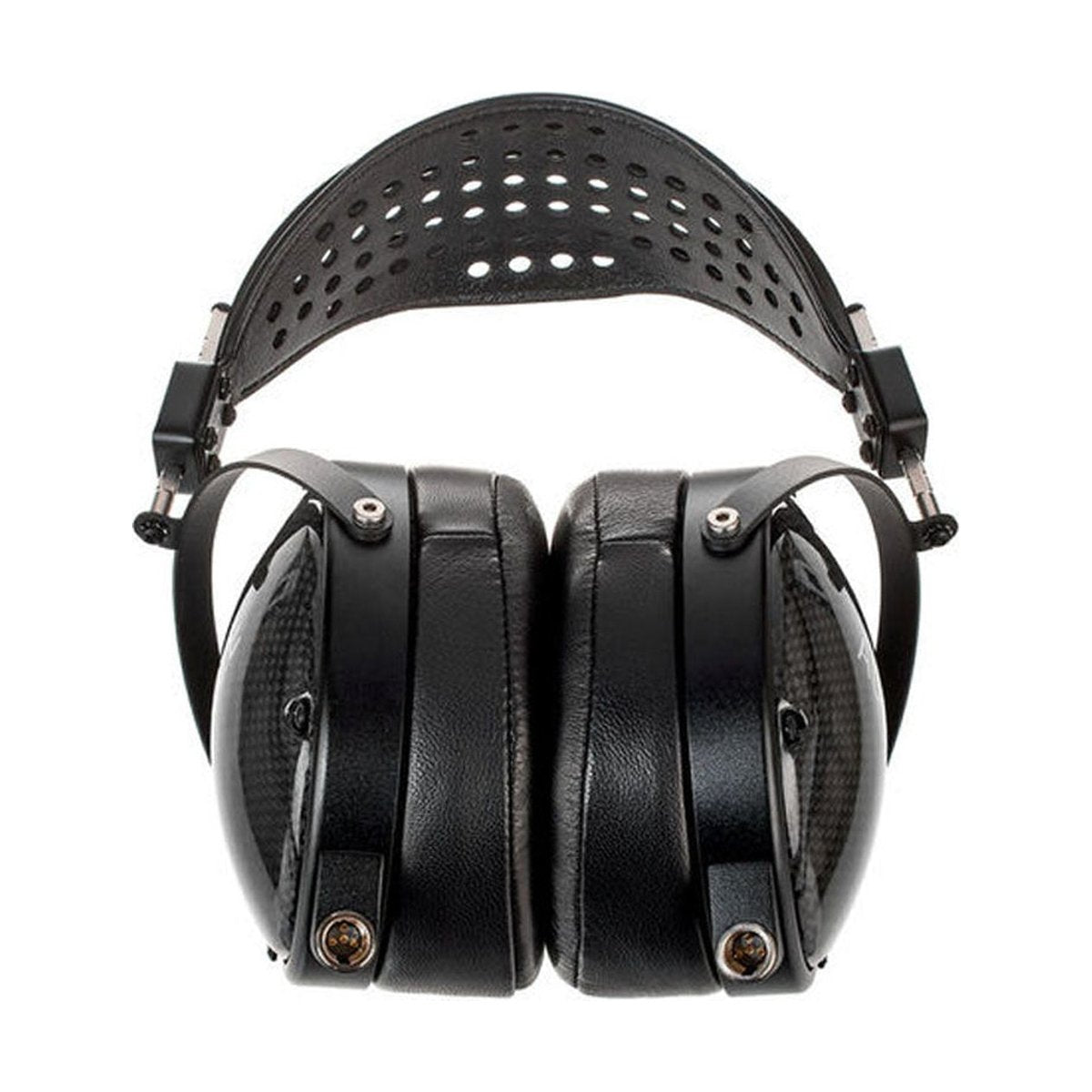
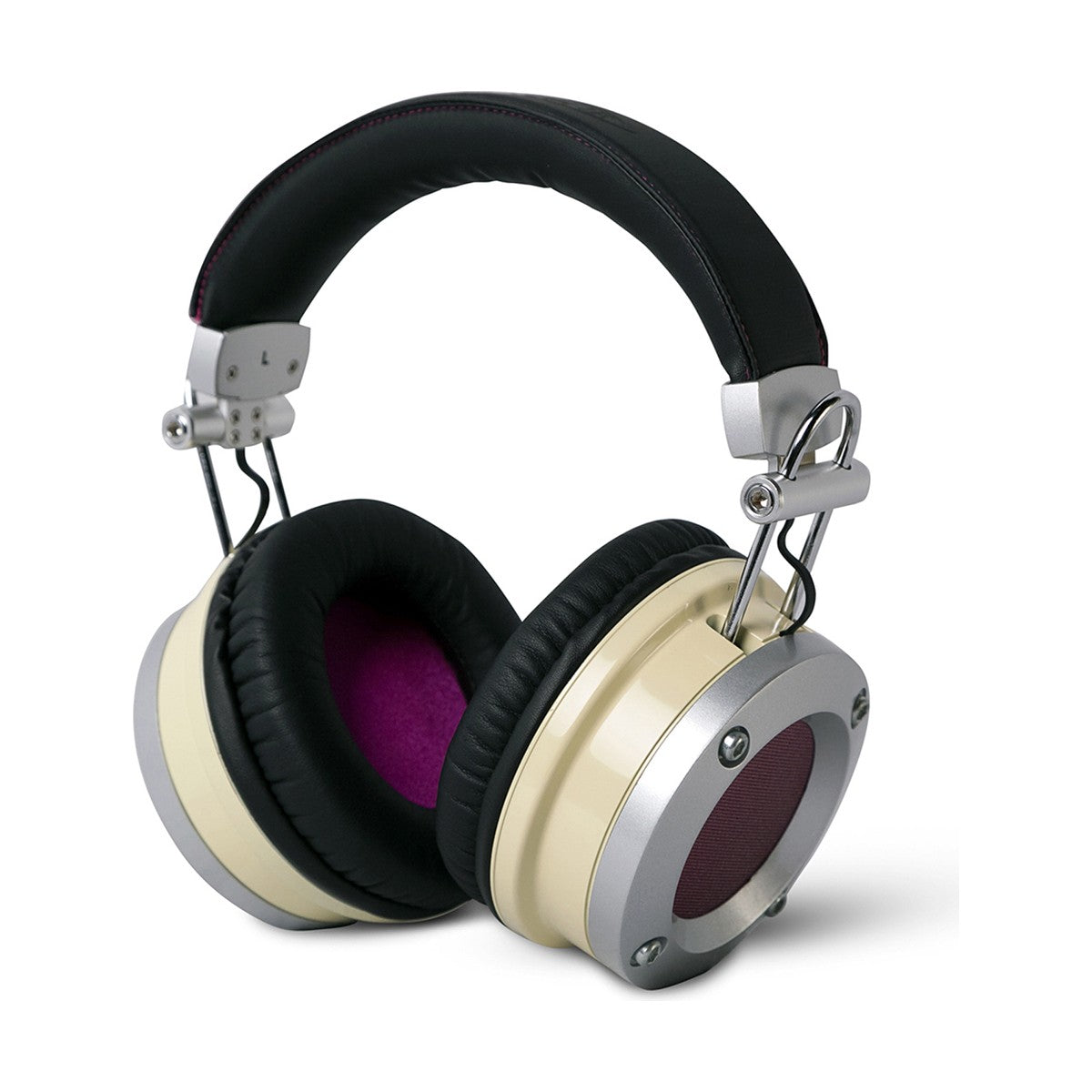
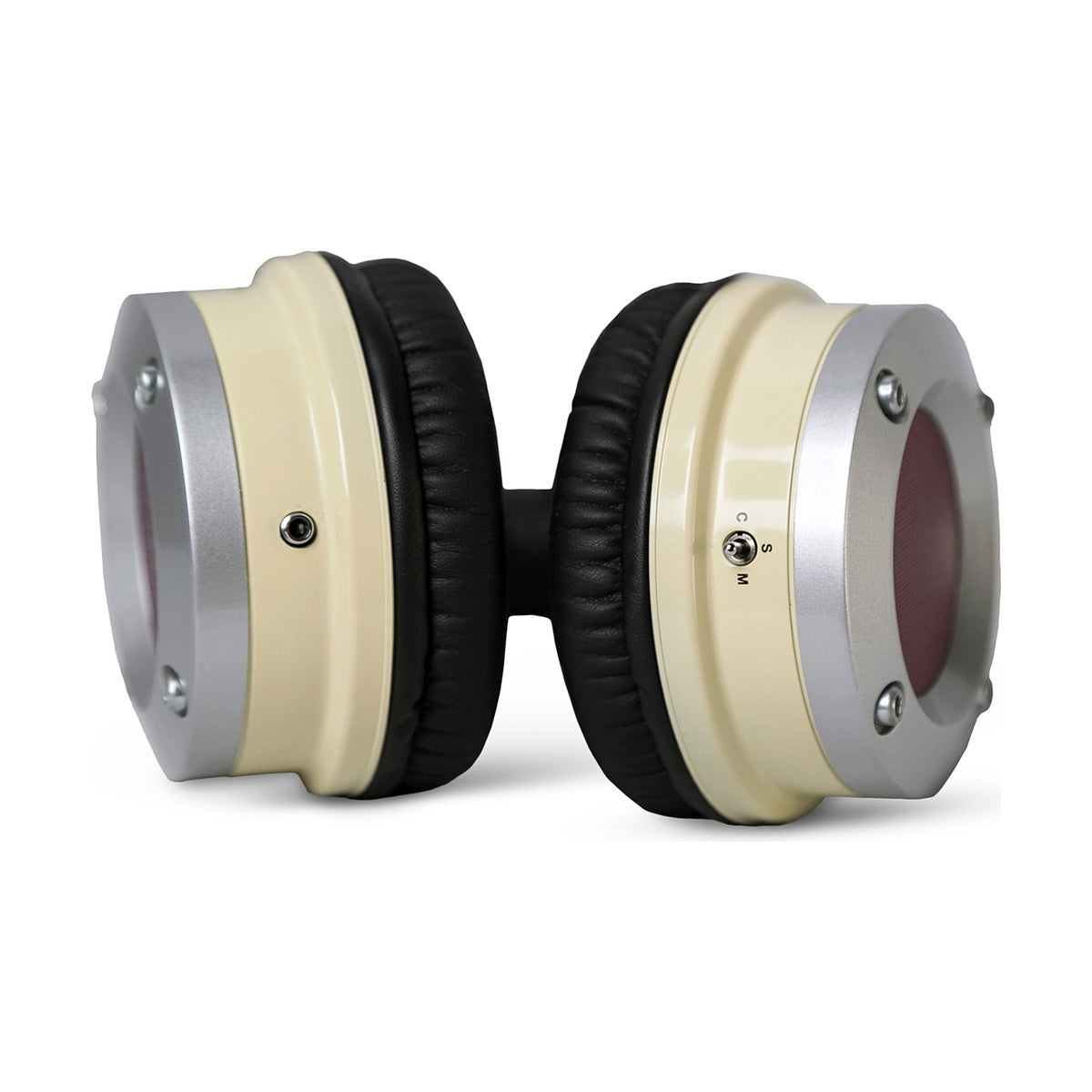
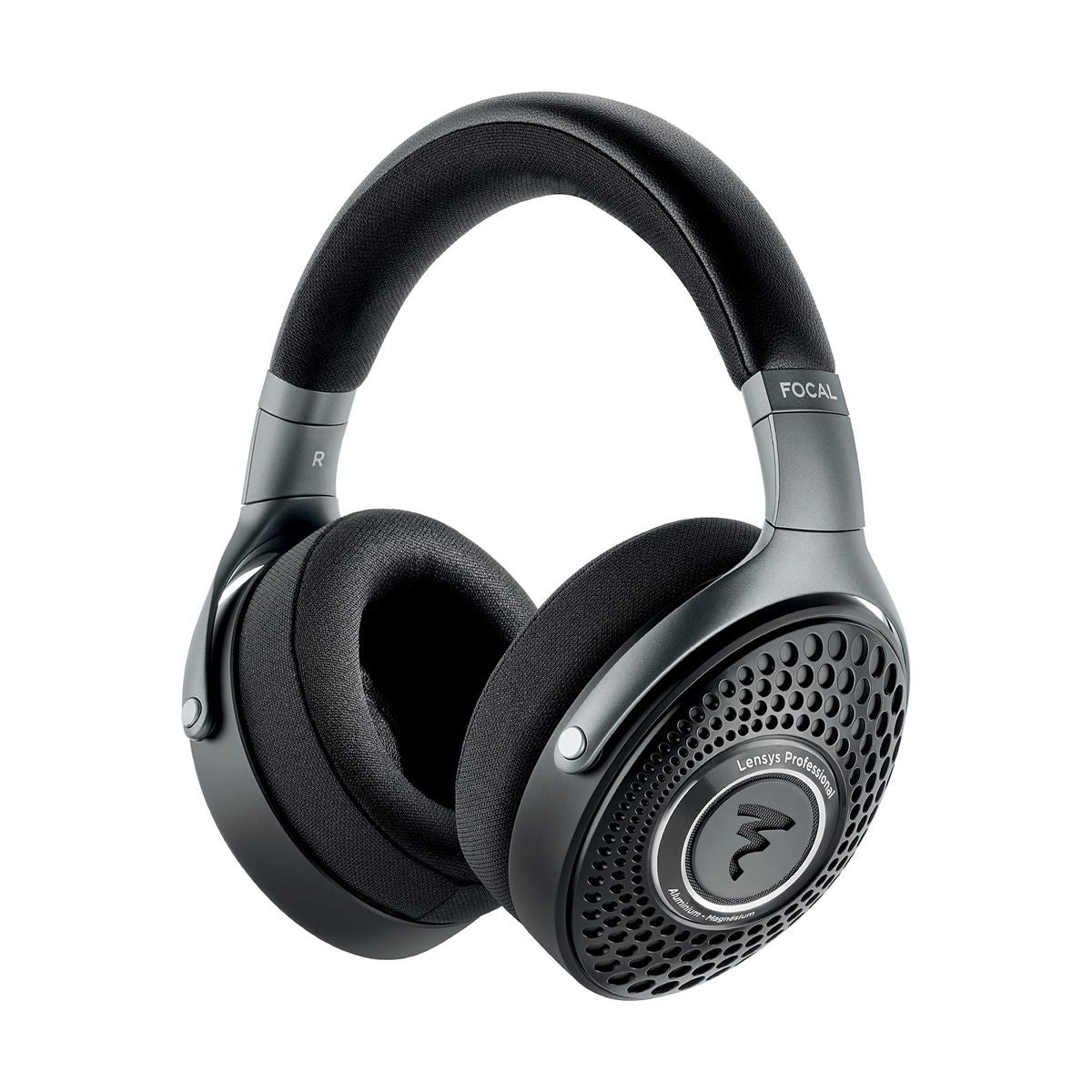
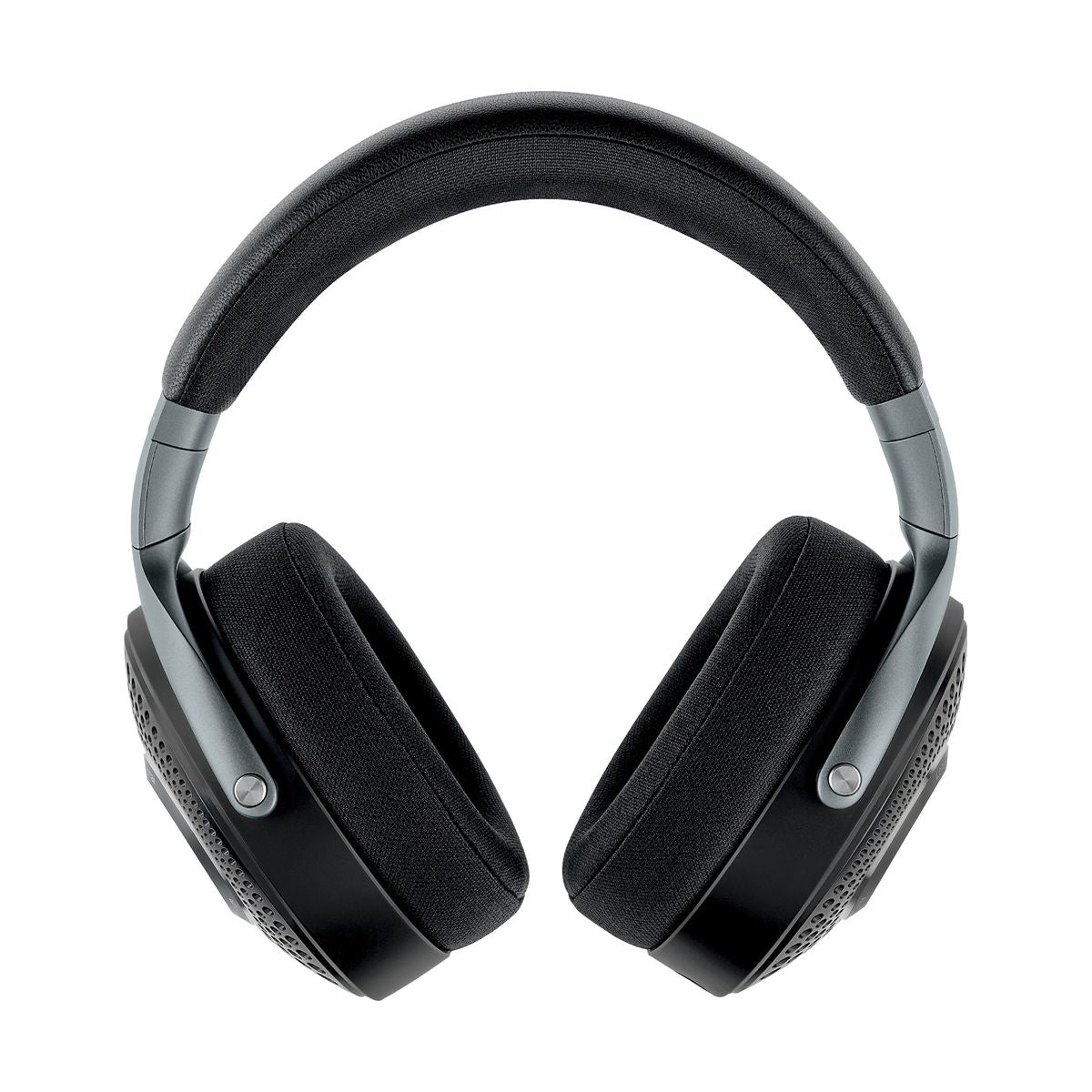
A sealed ear cup keeps sound in and outside noise out — which is exactly why closed-back headphones are the standard choice for tracking vocals and instruments, where any bleed into a nearby microphone ruins the take. This collection covers closed-back headphones for recording, monitoring and loud environments.
Why isolation matters here
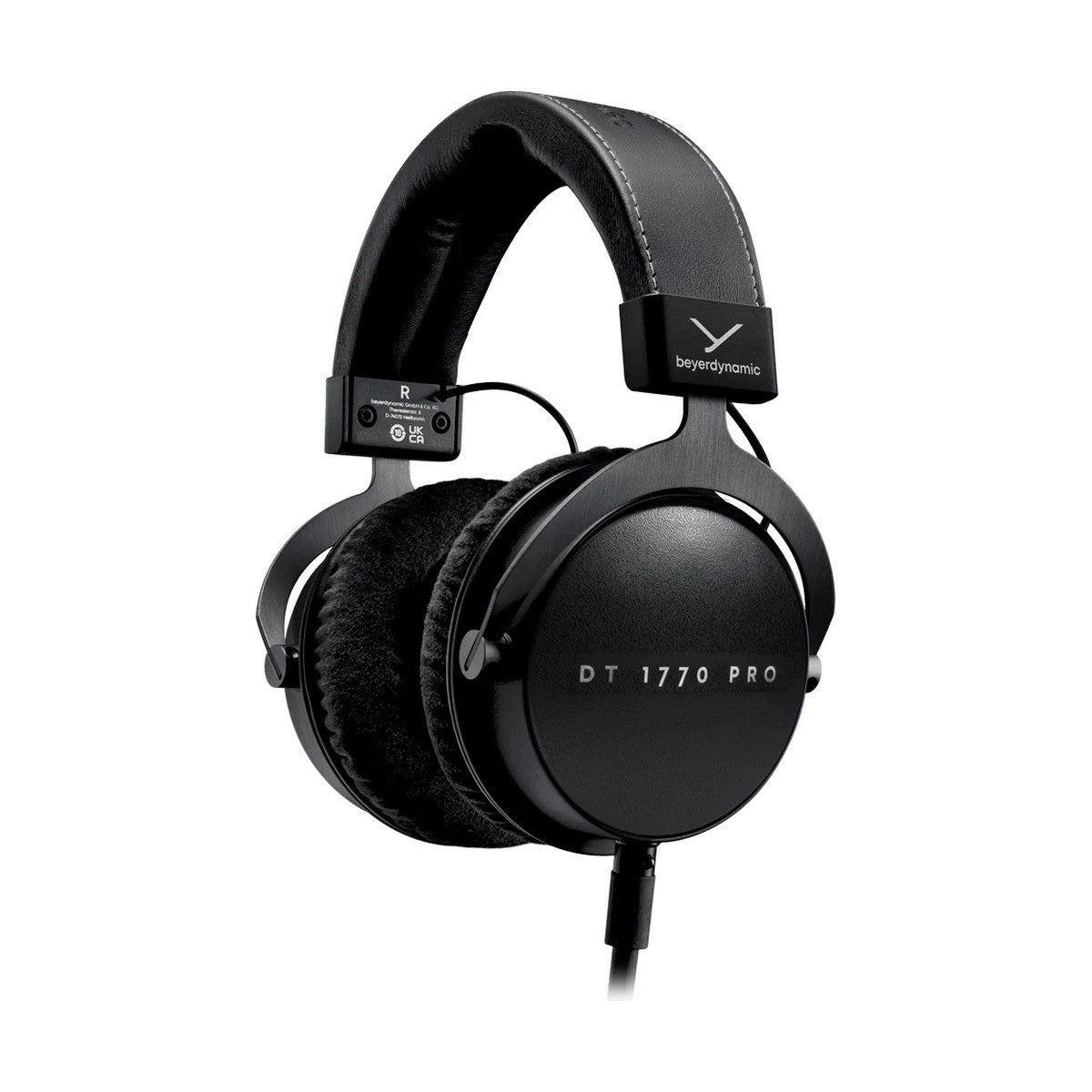
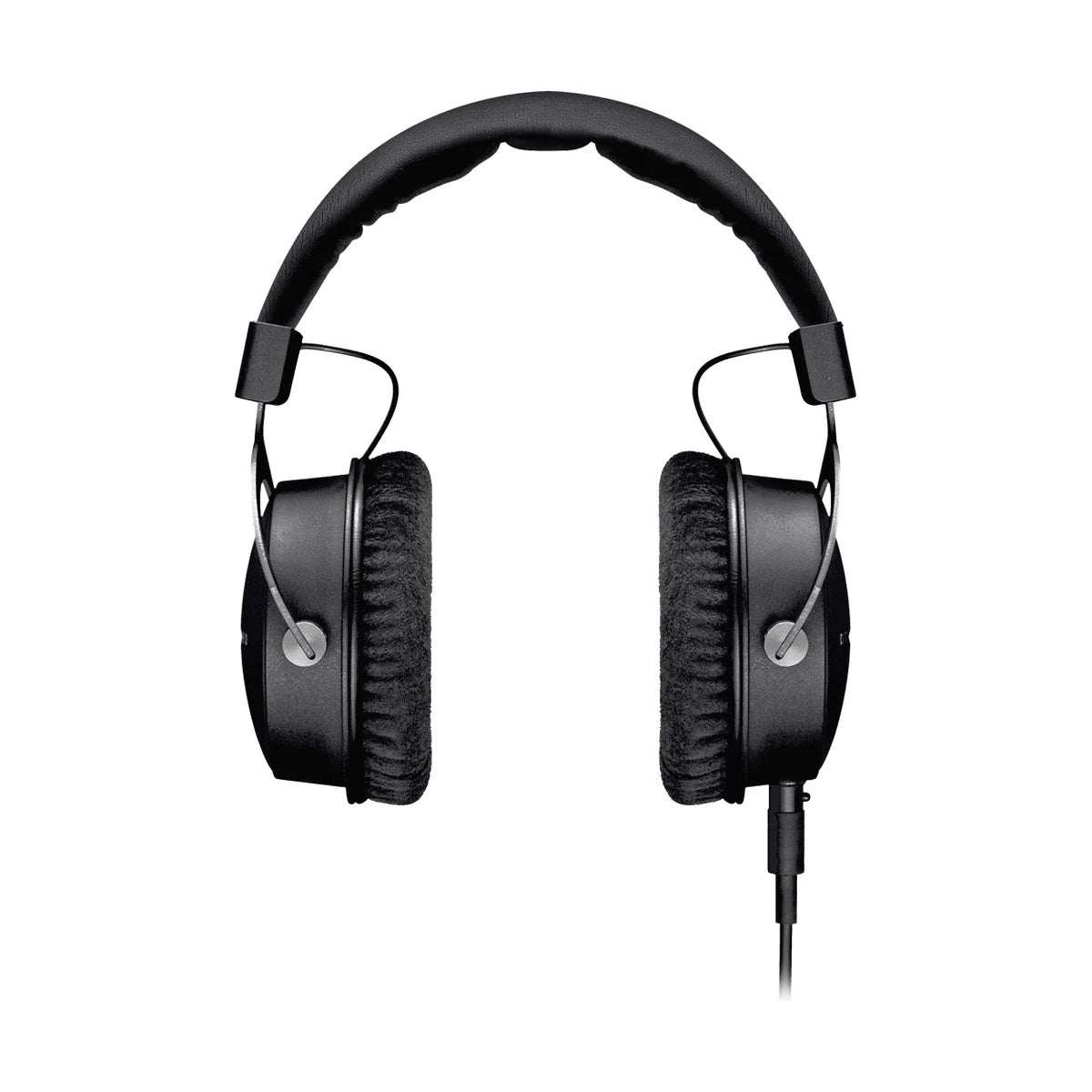
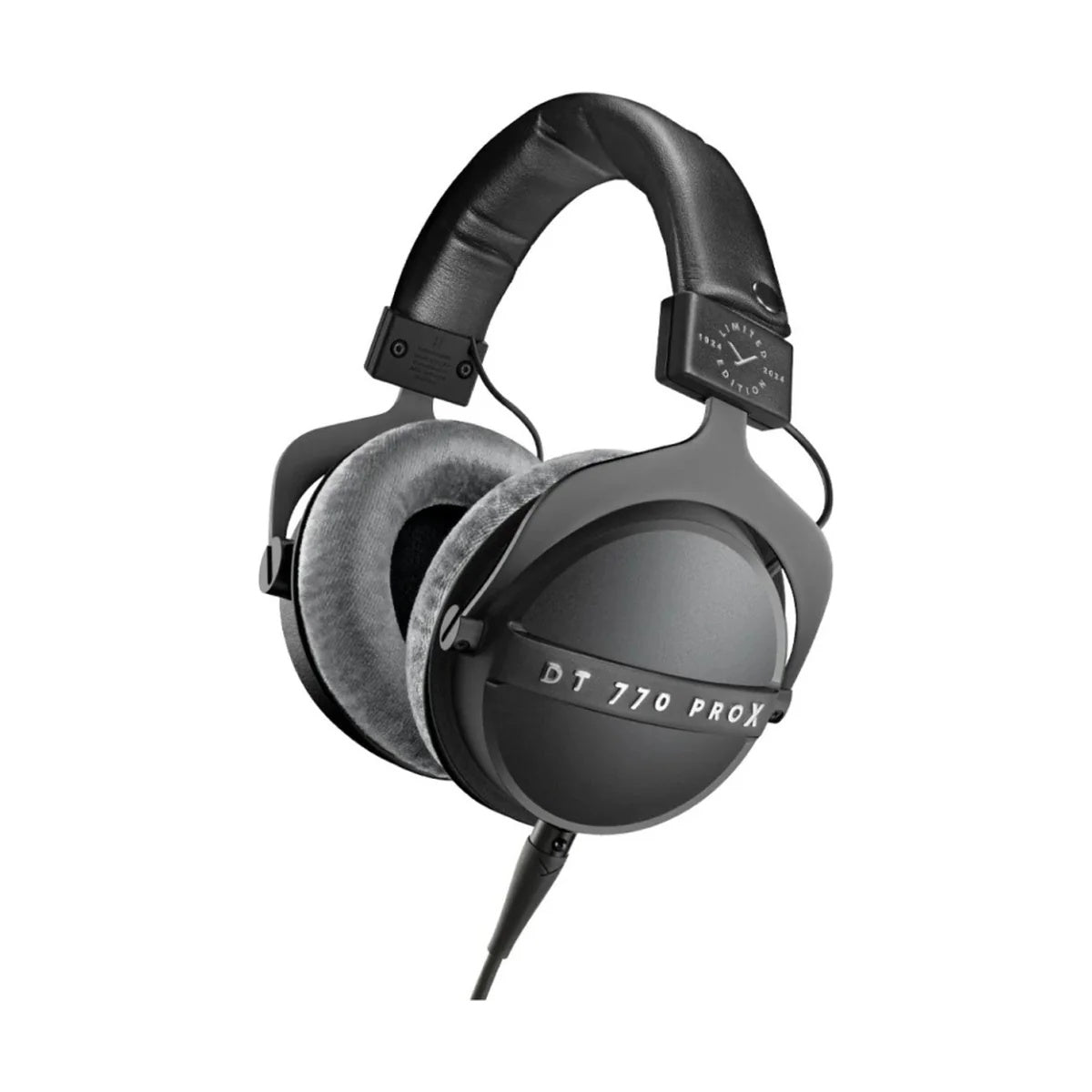
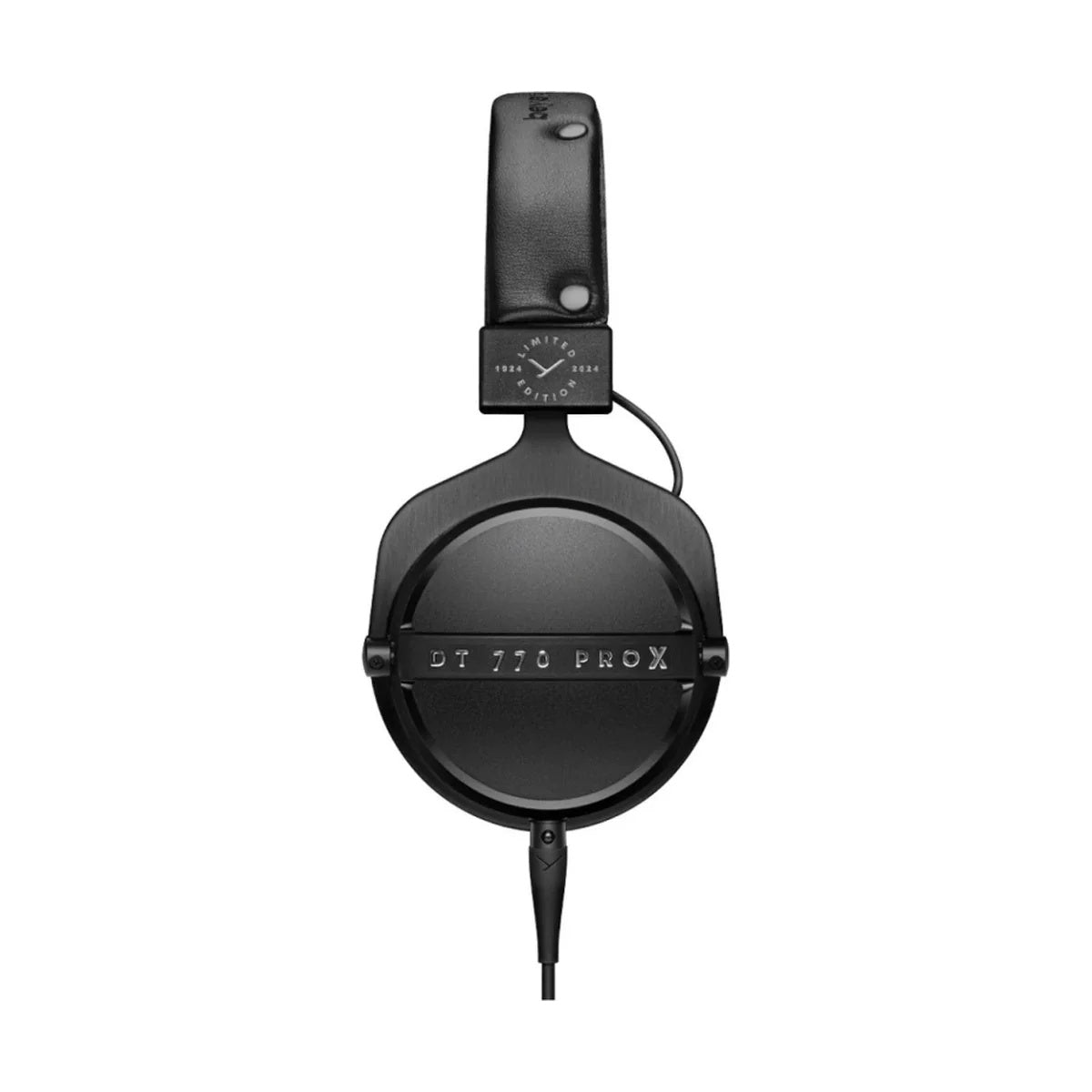
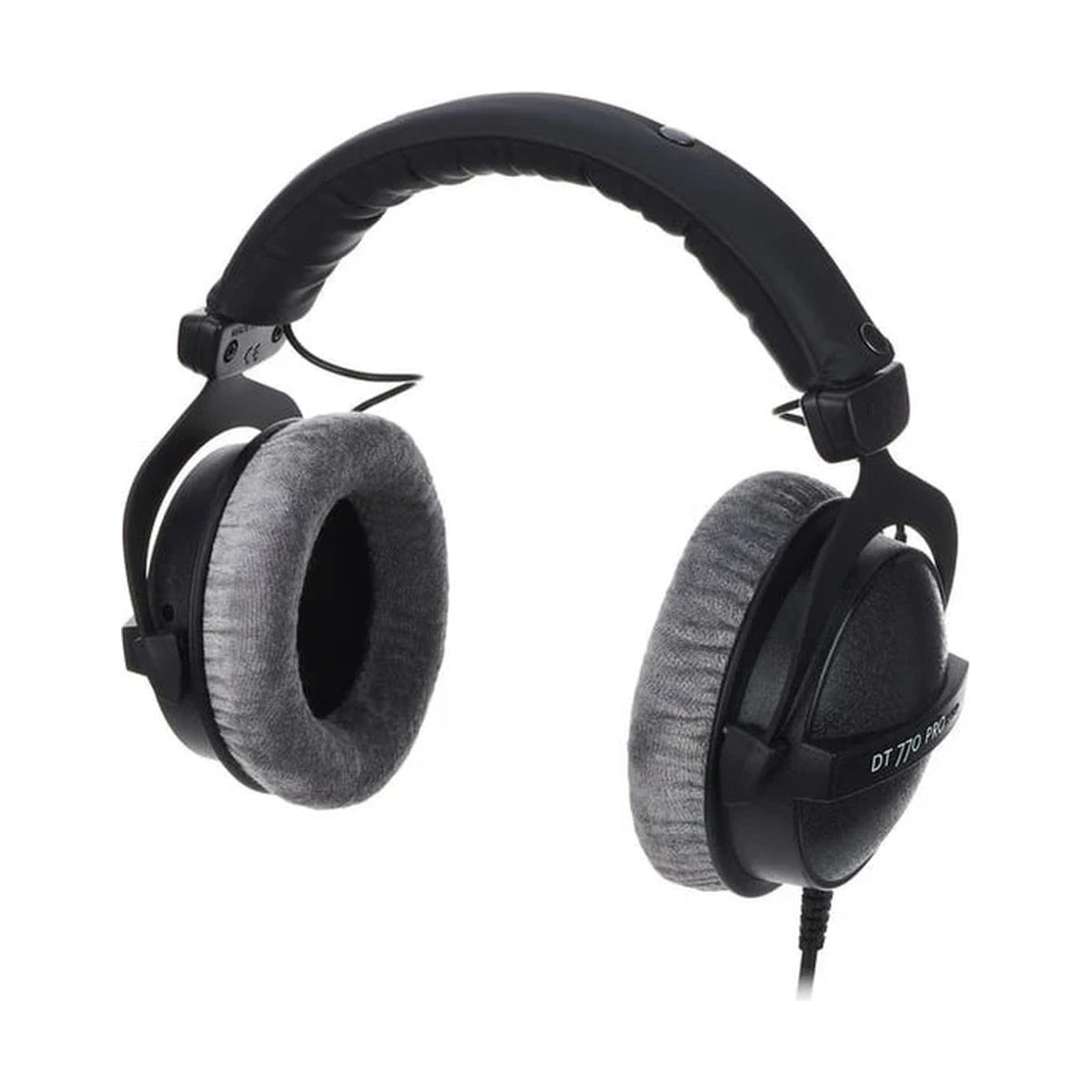
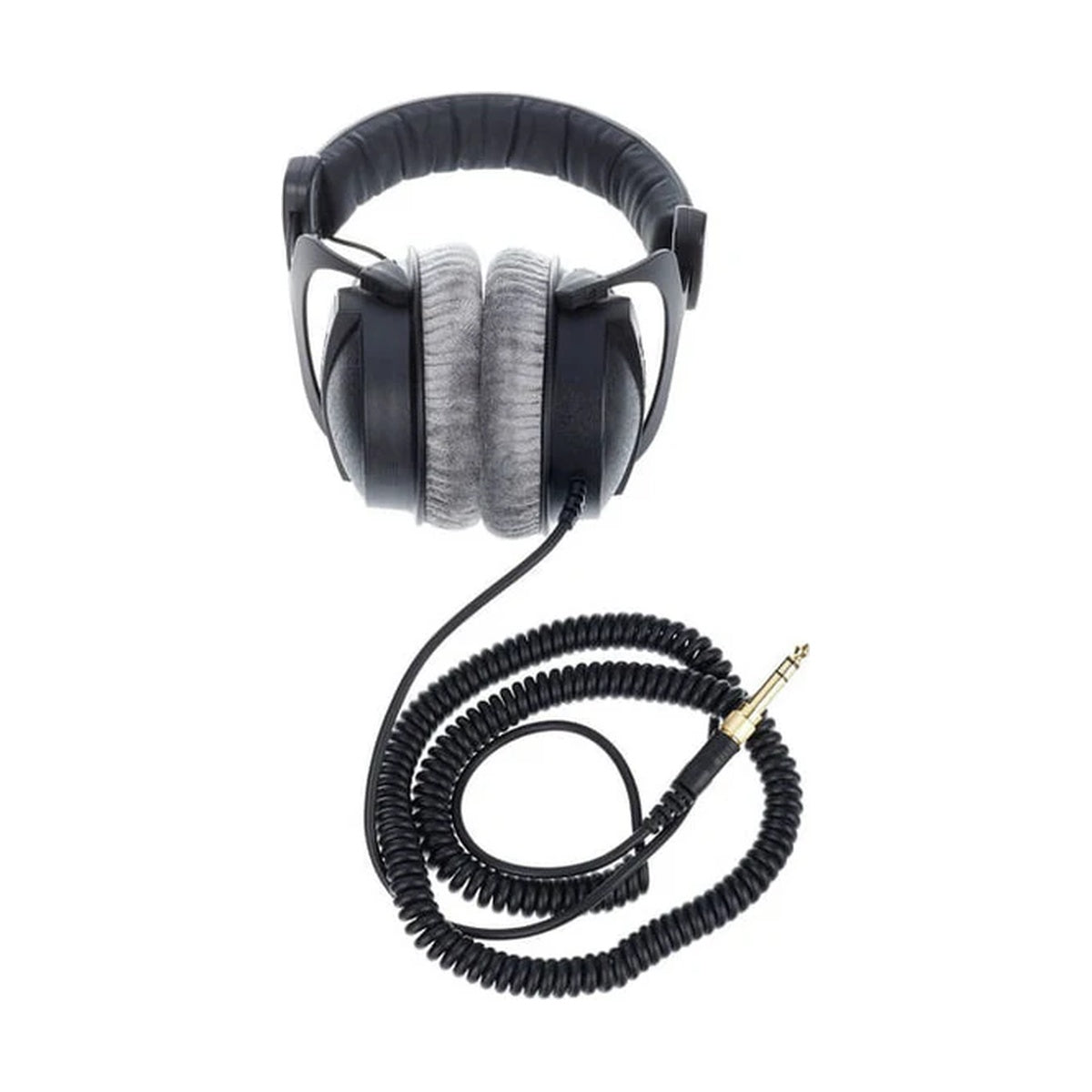
When you're tracking, the mic in front of you will pick up anything leaking out of your headphones — closed-back designs like Beyerdynamic DT-770 Pro X seal that off. The same isolation also makes closed-back headphones the right call on loud film sets, in live sound and anywhere ambient noise would otherwise fight your monitoring.
Where to start
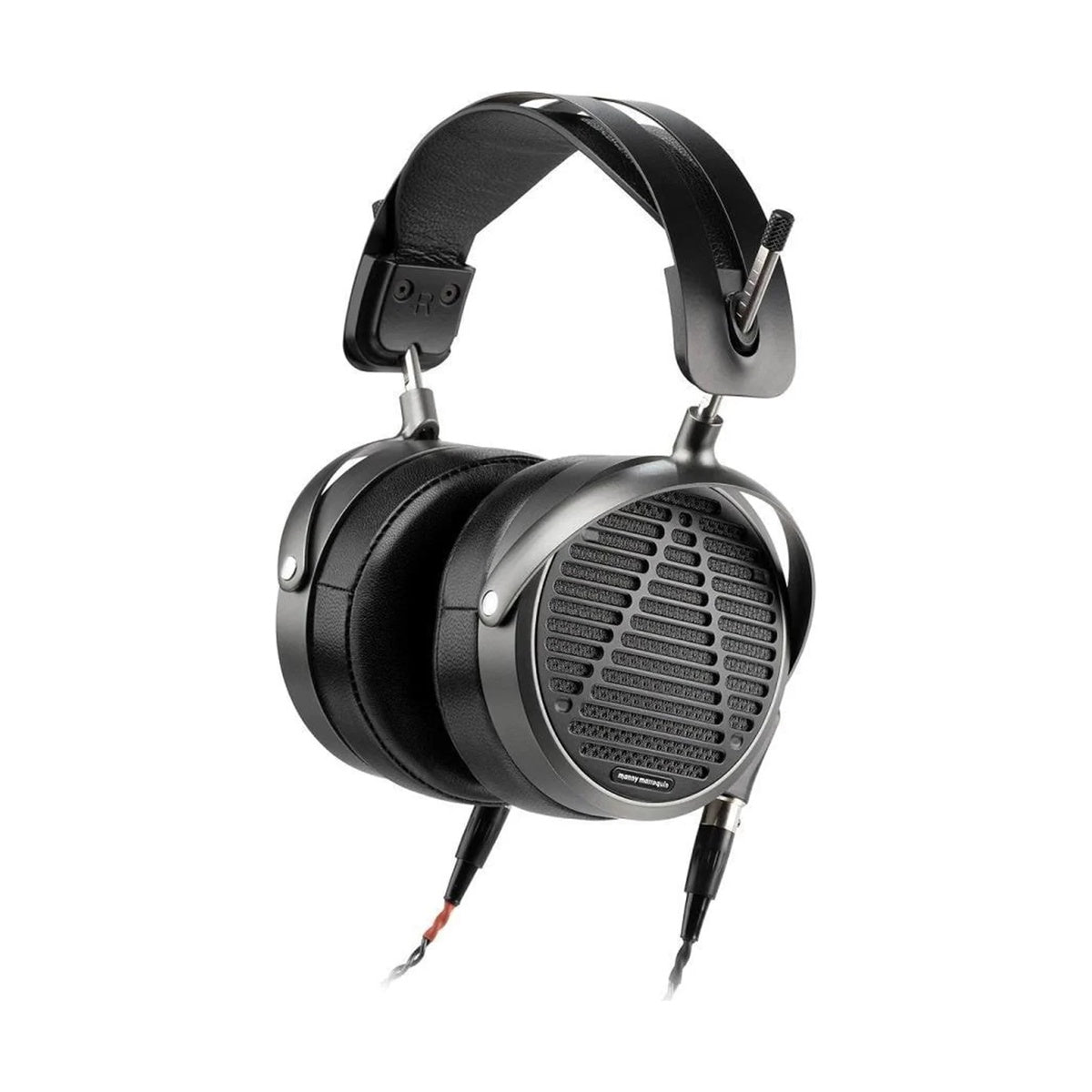
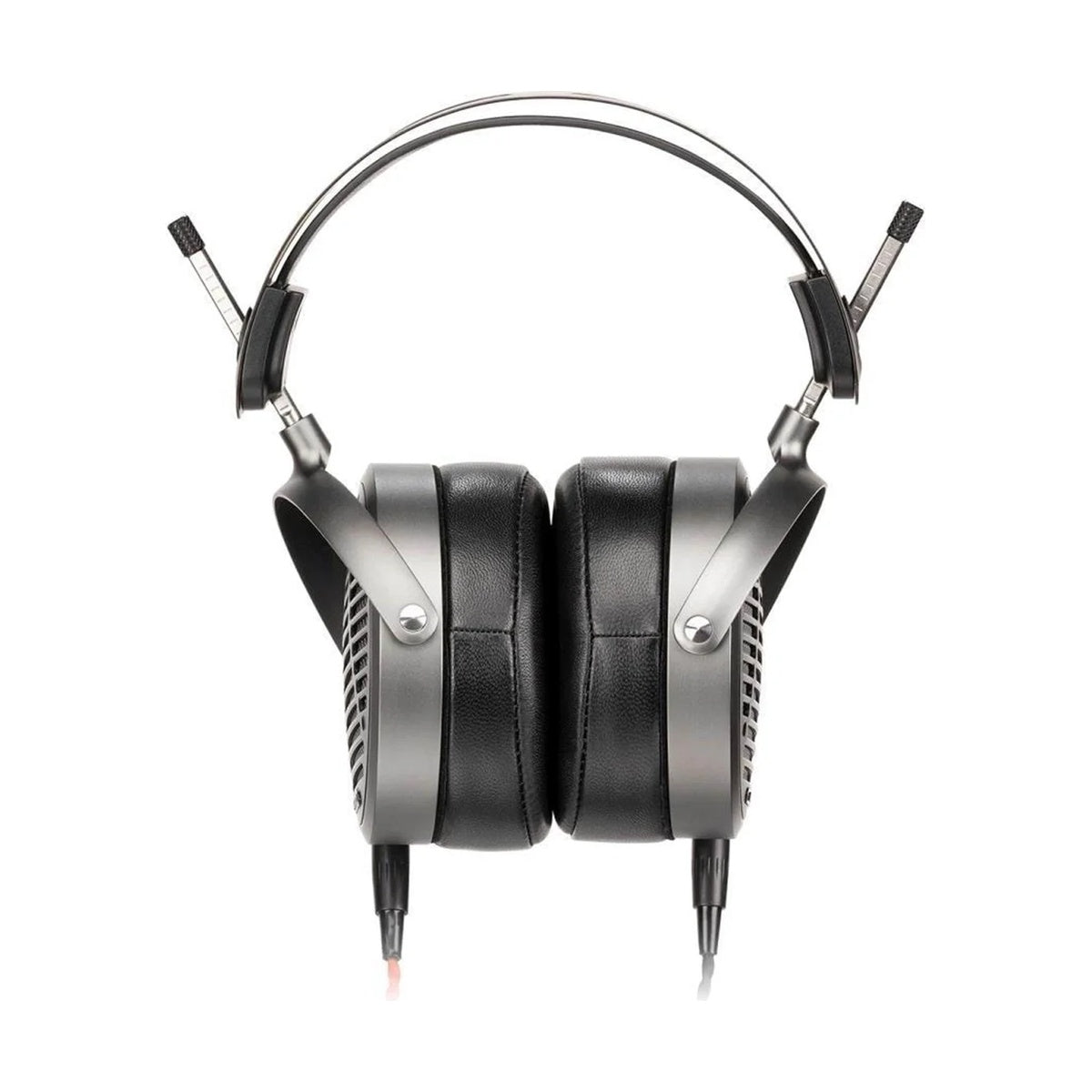
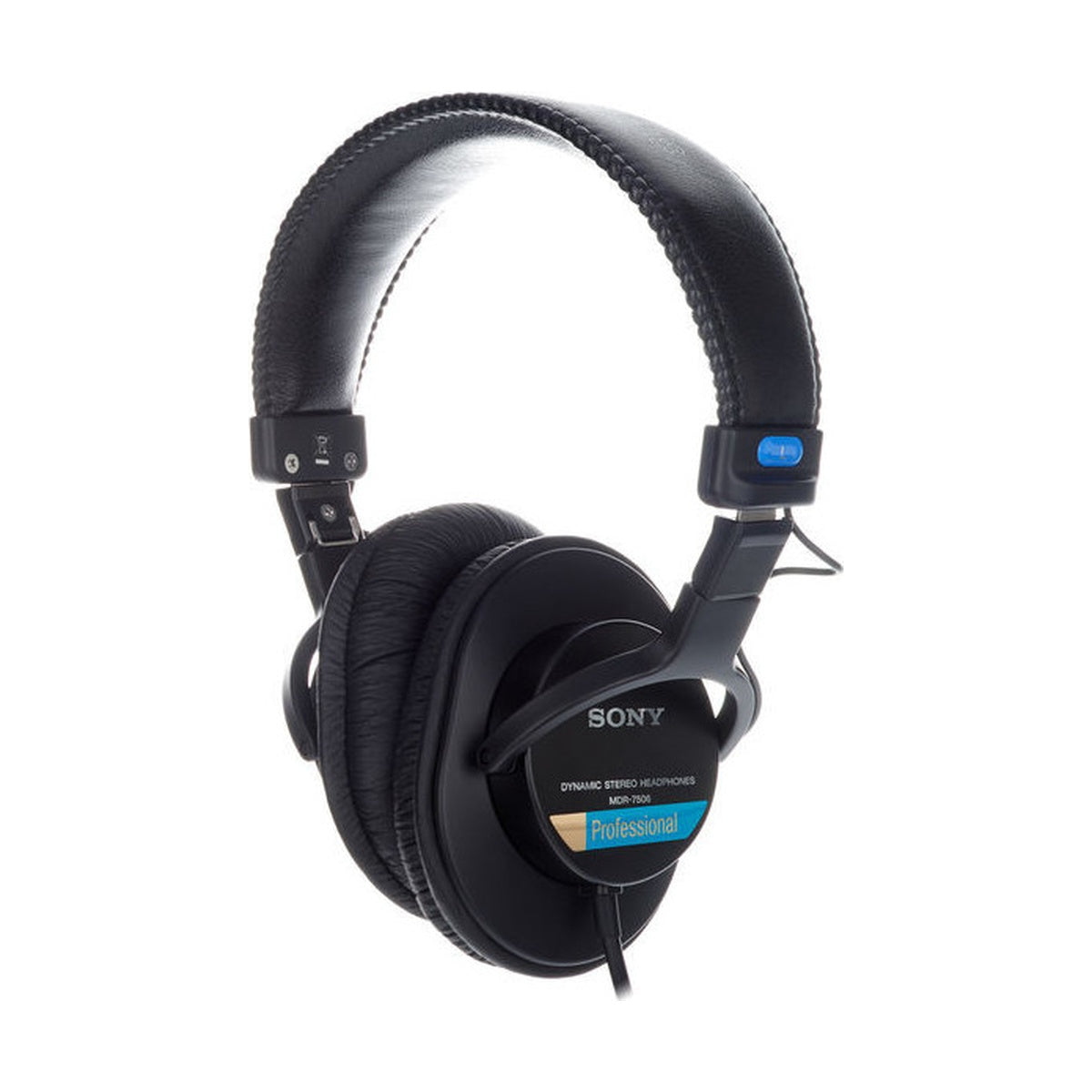
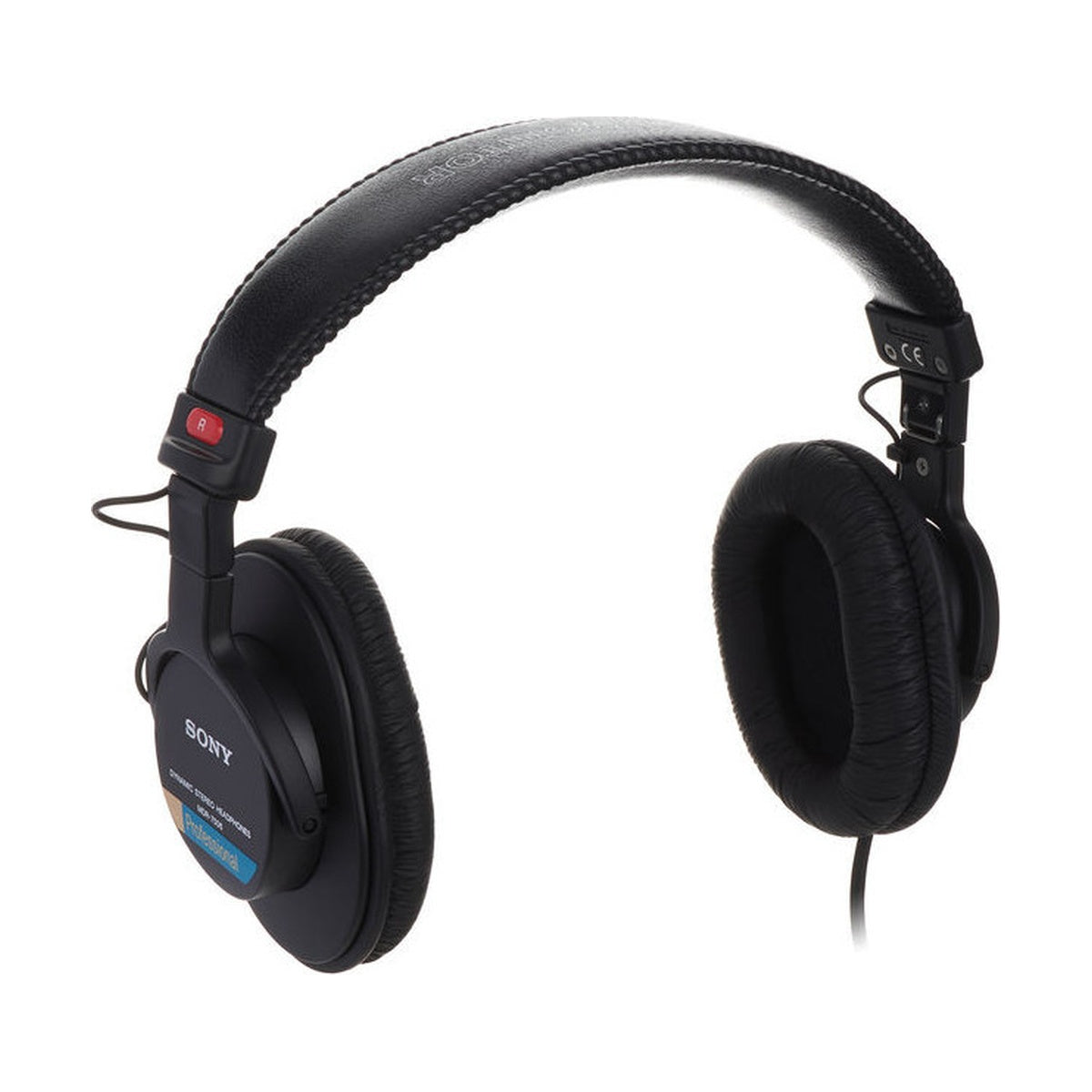
The budget standard nearly every studio has a pair of: Beyerdynamic DT-770 Pro X. Want reference-grade closed monitoring with planar drivers? Audeze MM-500 delivers serious detail without sacrificing isolation. Need a proven broadcast and tracking classic? Sony MDR-7506 has been in racks worldwide for decades.
The brands we carry
We carry Beyerdynamic, Audeze, Sony, AIAIAI and ADAM Audio.
Hear it in our Warsaw showroom
The biggest difference between us and a mail-order shop: you can hear the gear before you buy it. Our showroom at Nowogrodzka 6A/102 in Warsaw is there so you can try it on your own material, not a shop demo. Book a visit or just swing by — we'll help without the sales pitch. Call: +48 573 580 840.
FAQ
Do I need closed-back headphones if I only mix, never track?
Not necessarily — open-back headphones usually give a wider, more natural soundstage for mixing. Closed-back earns its place specifically when isolation from a microphone or a loud room matters.
Do closed-back headphones sound worse than open-back?
Not inherently — a well-designed closed-back measures flat and detailed. Cheap closed designs can suffer from cavity resonance, but that's a design quality issue, not a rule of the category.
High or low impedance closed-back headphones?
Match it to what's driving them — high-impedance models need a proper headphone amp to reach full output, while low-impedance pairs work fine straight out of most interfaces.
Guides & related
See also: Open-Back Headphones · Semi-Open Back Headphones · Microphones