


Visitez notre showroom à Varsovie.

★★★★★ Noté 5/5 par nos clients
Panier
Votre panier est vide
Vous cherchez le préampli idéal pour votre studio ? Notre gamme comprend des préamplis micro, ligne et à lampes – des modèles compacts pour l’enregistrement à domicile aux solutions professionnelles pour studios. Sublimez votre son et choisissez le préampli adapté à vos besoins !

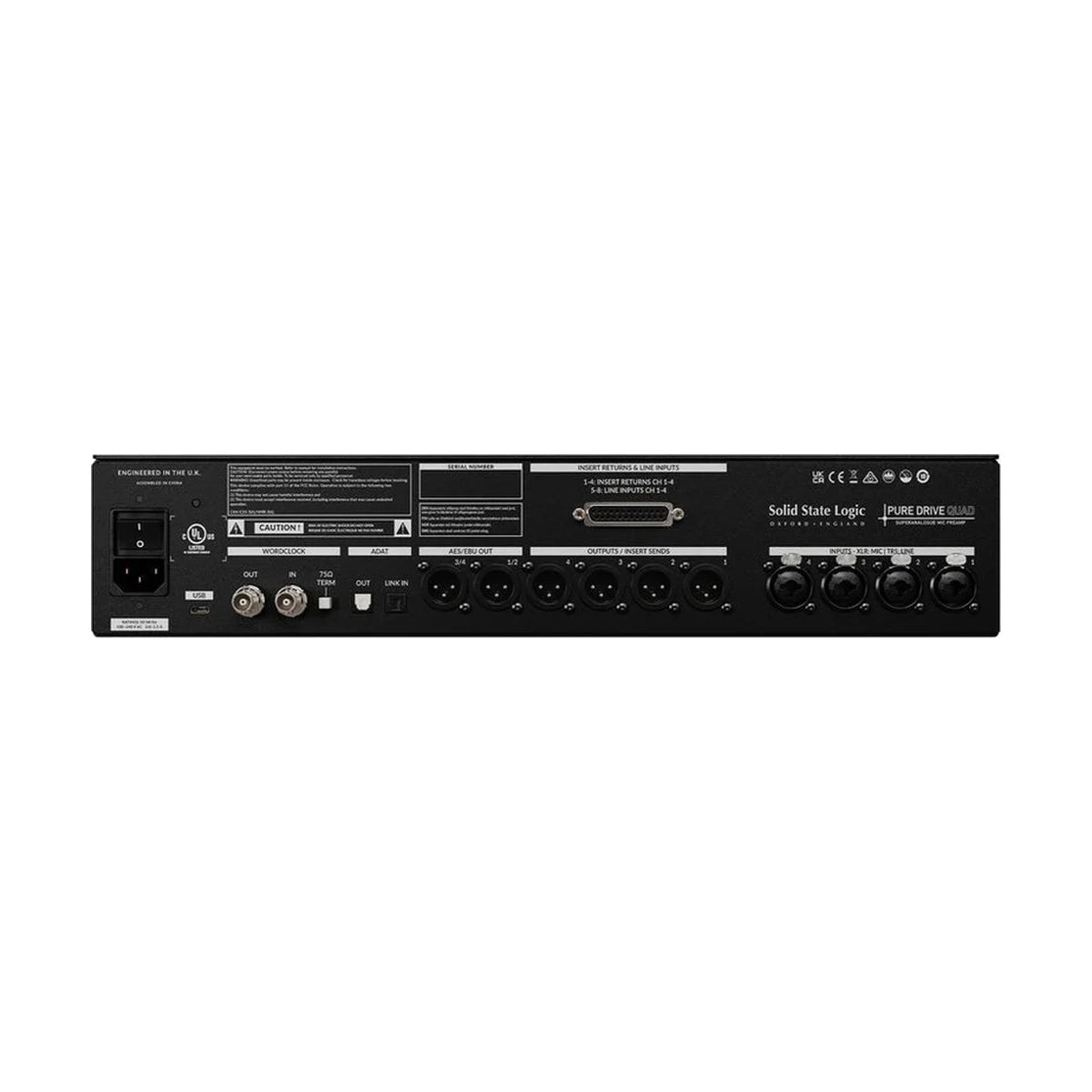
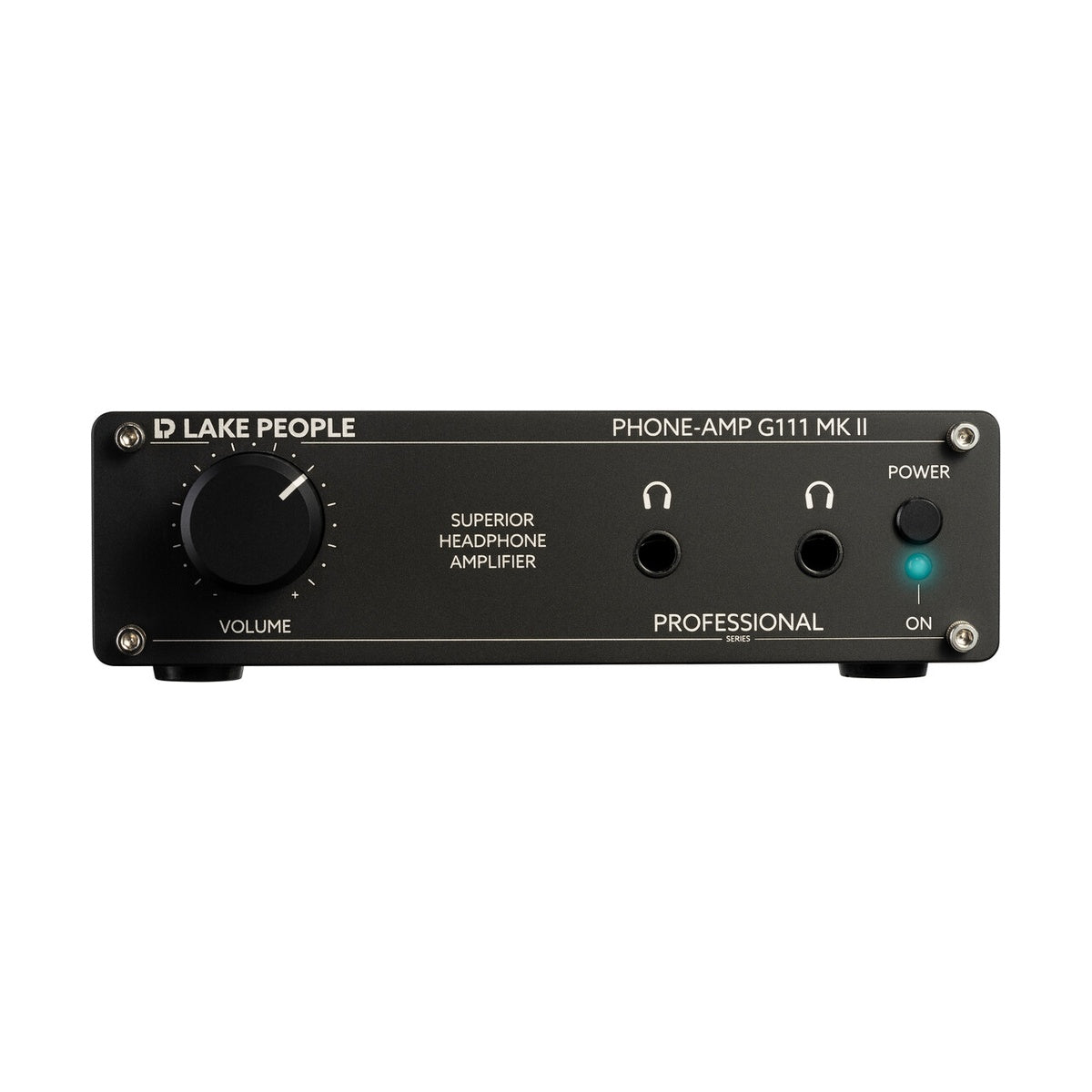
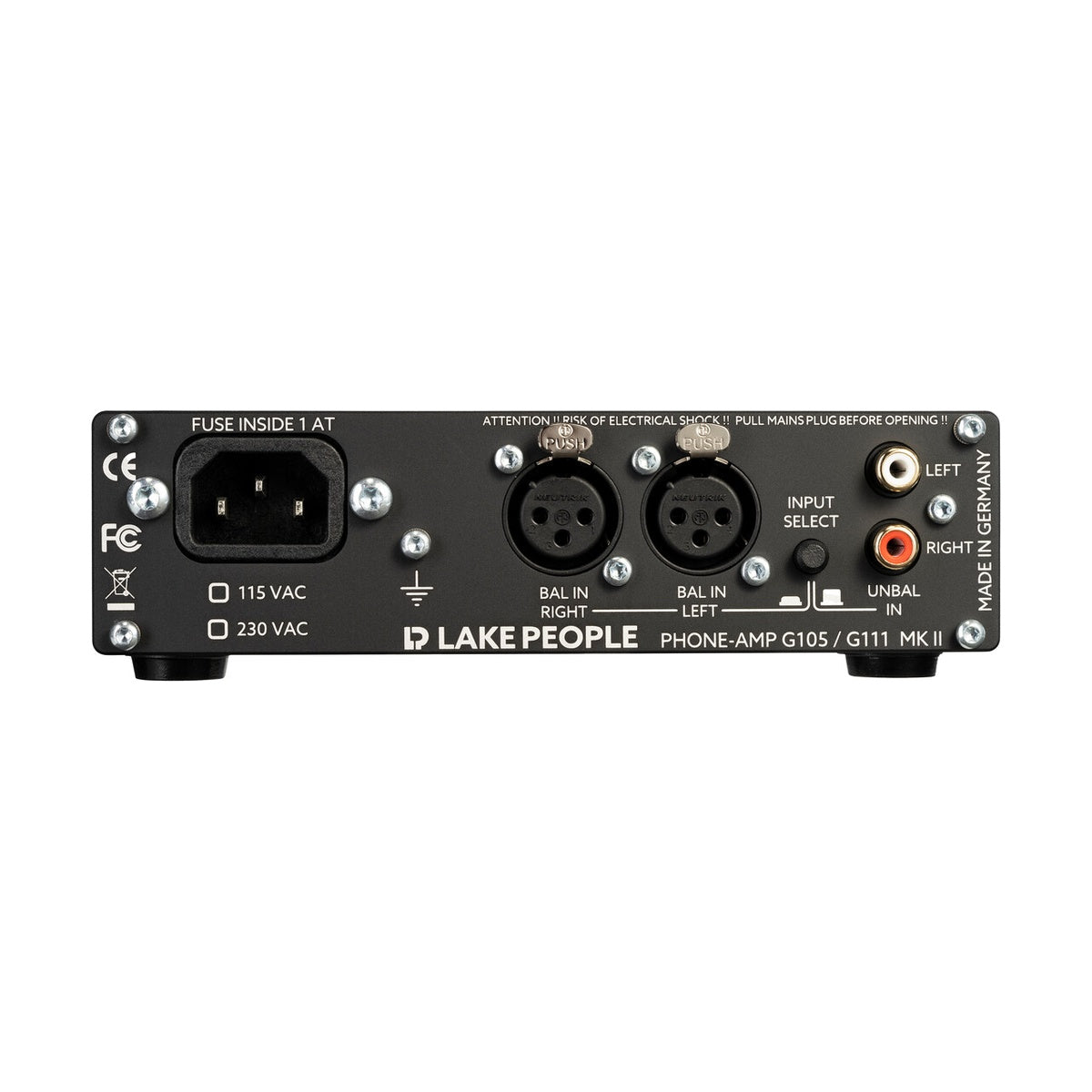
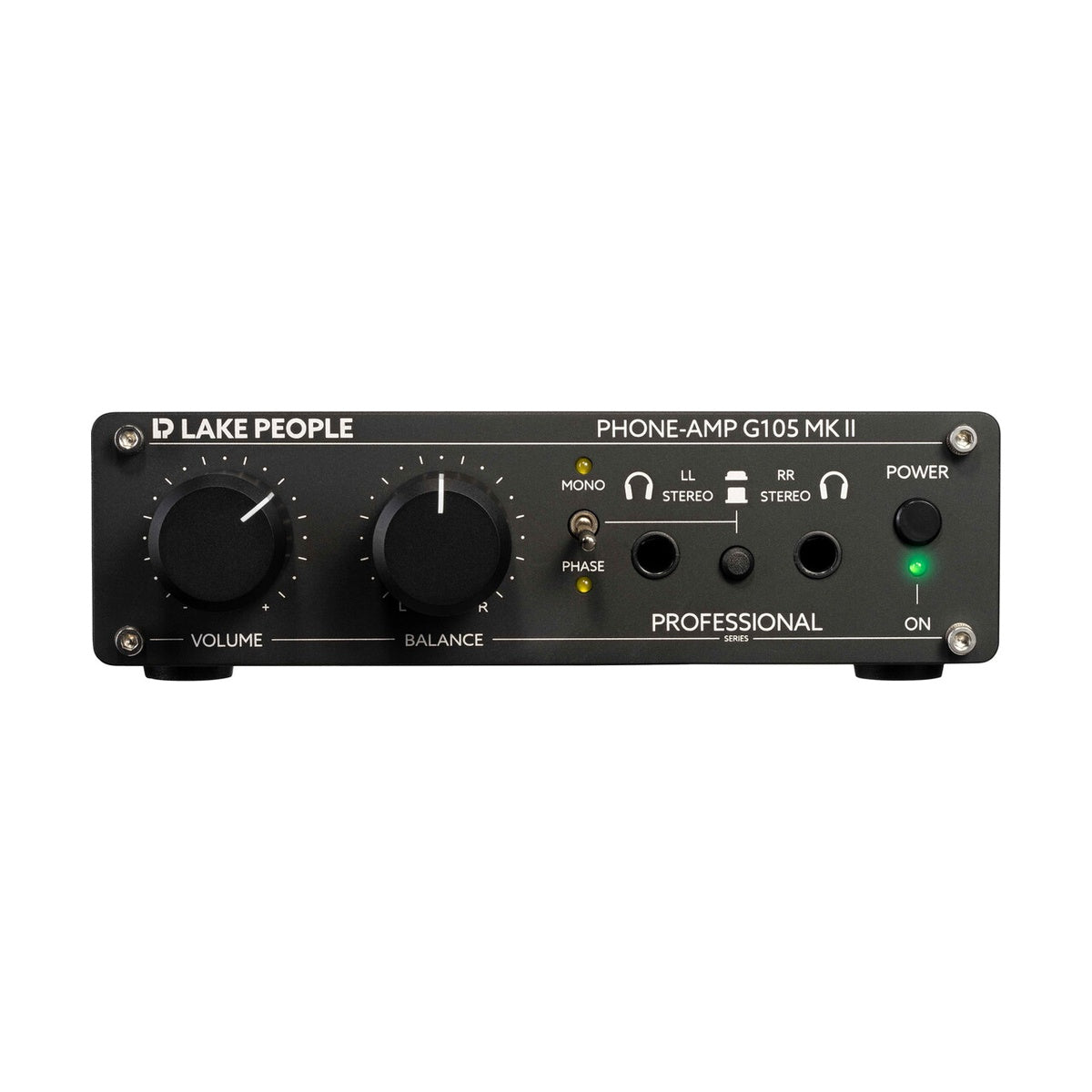

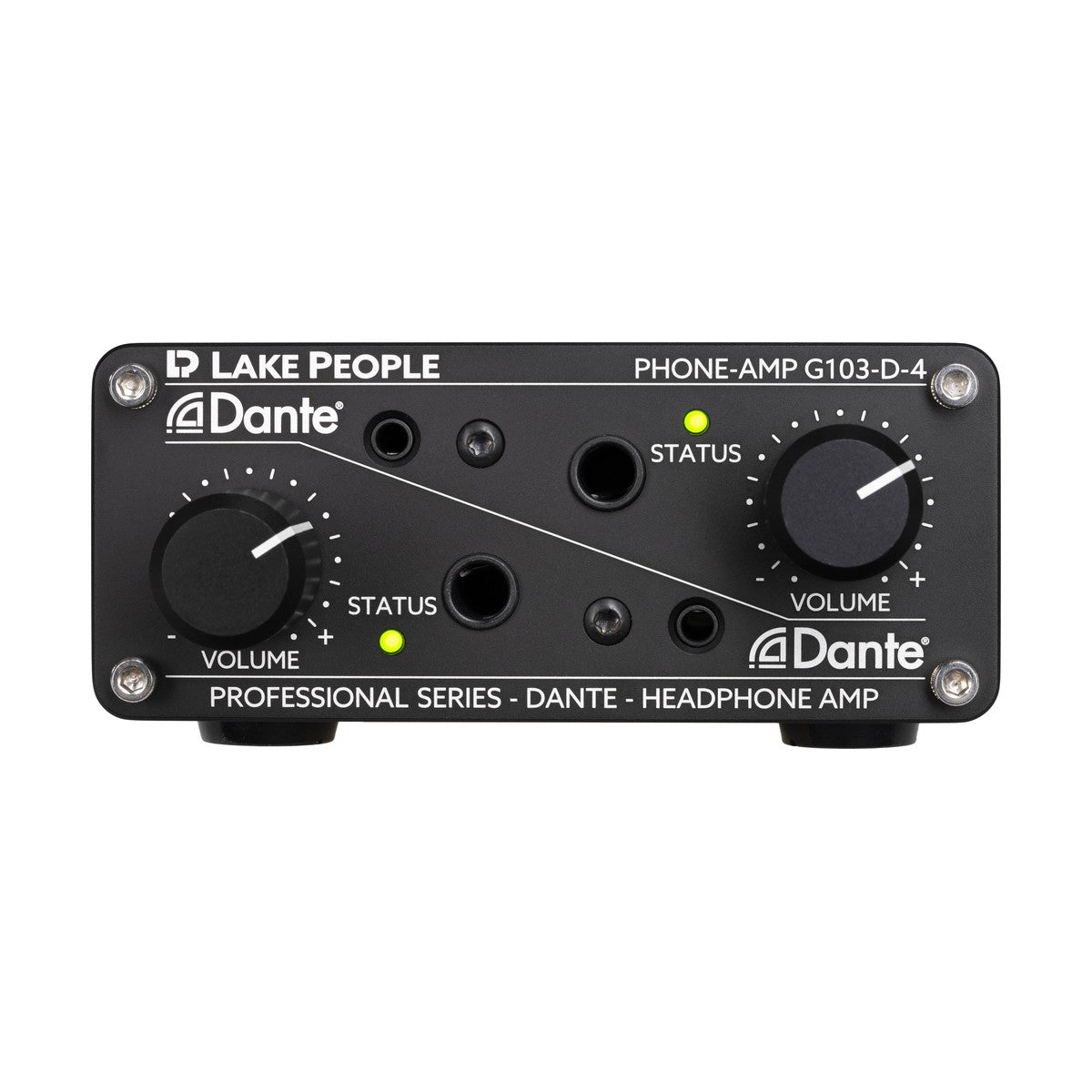
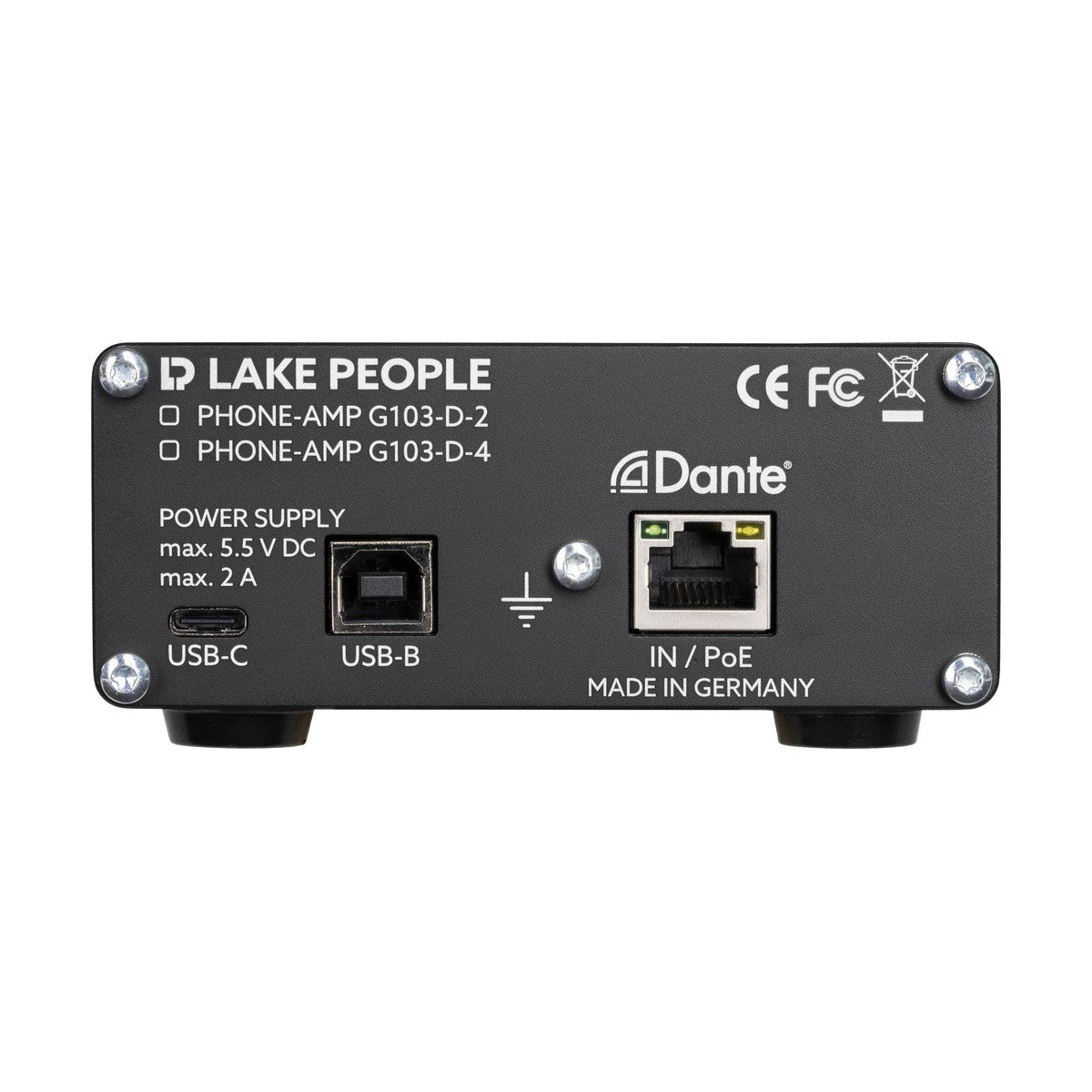

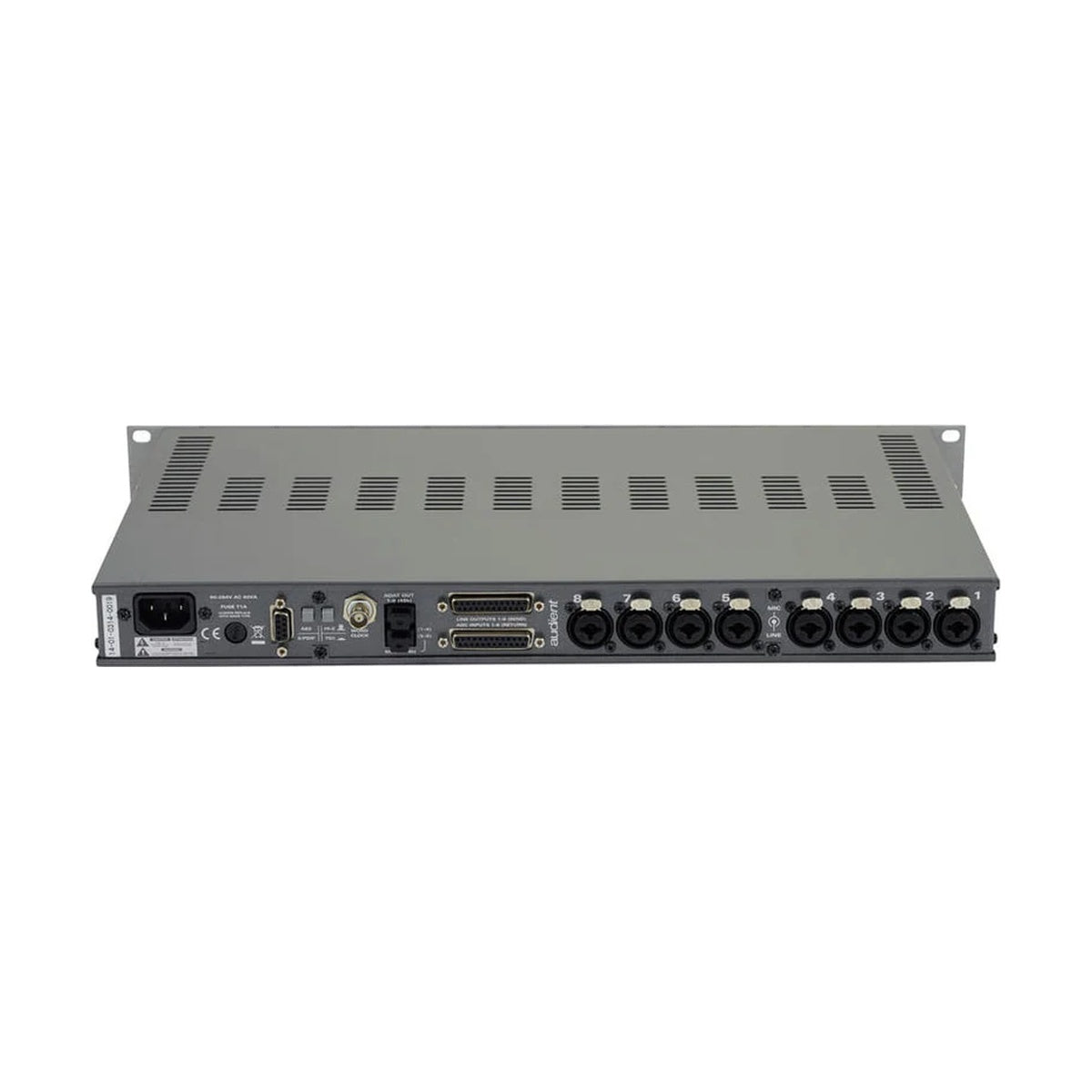


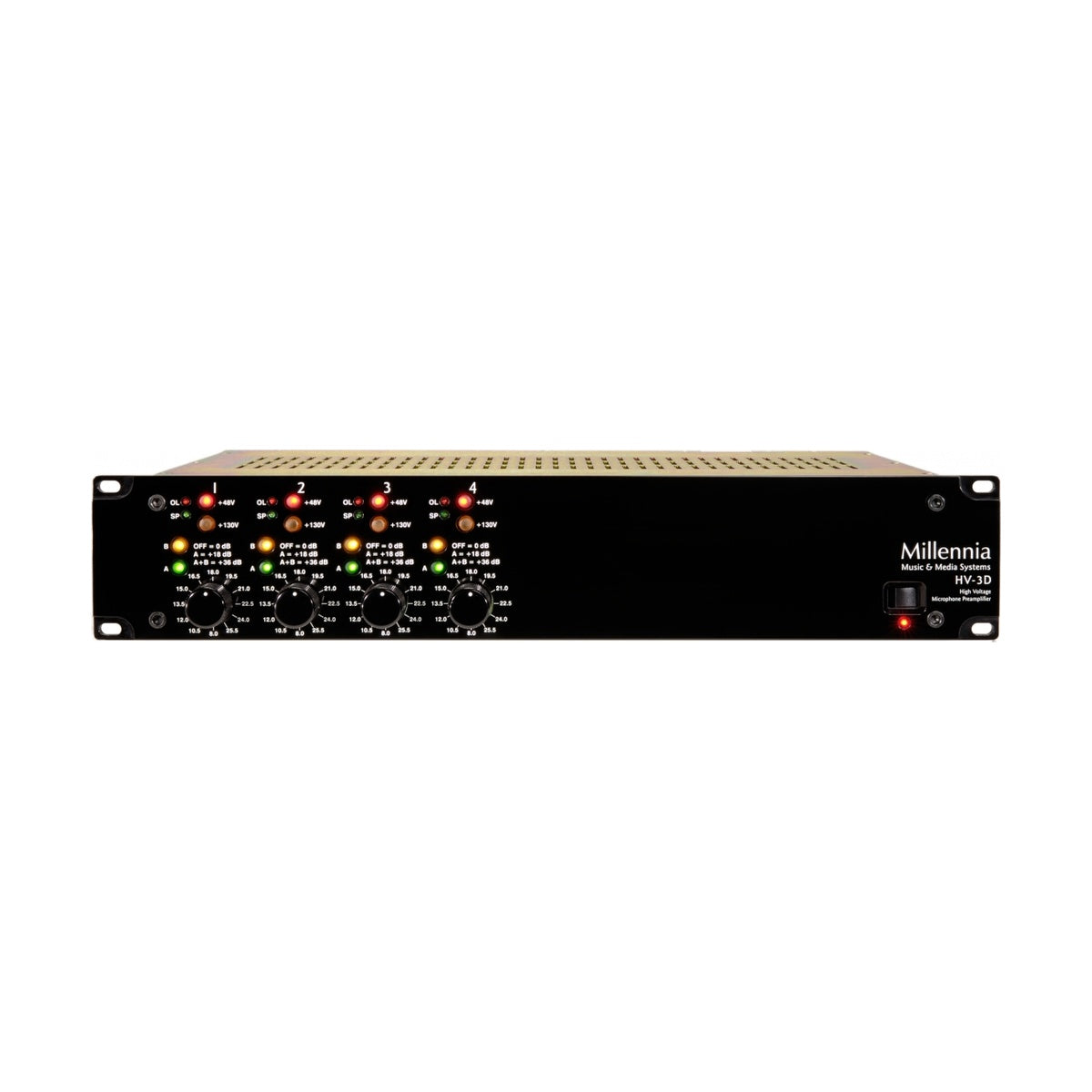
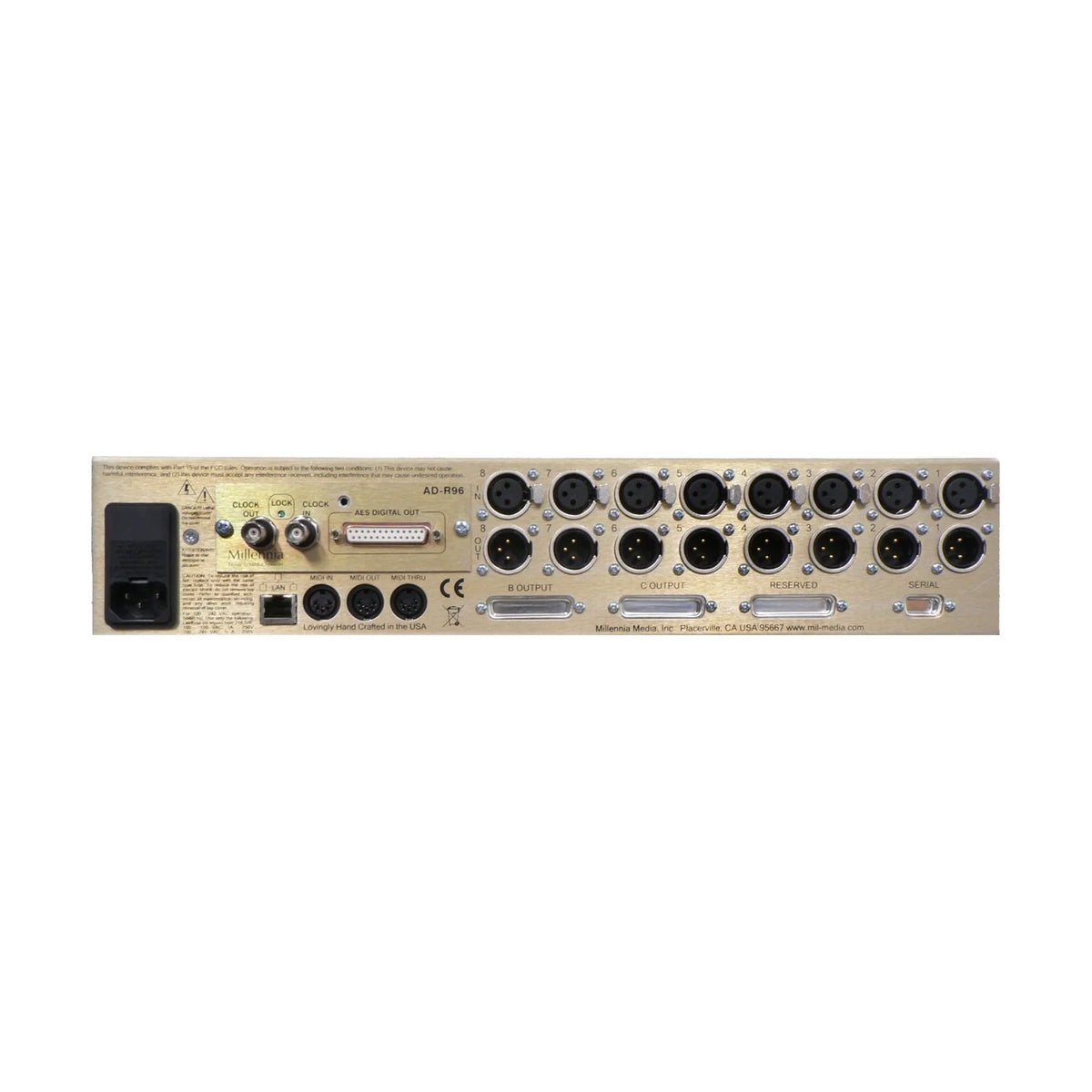

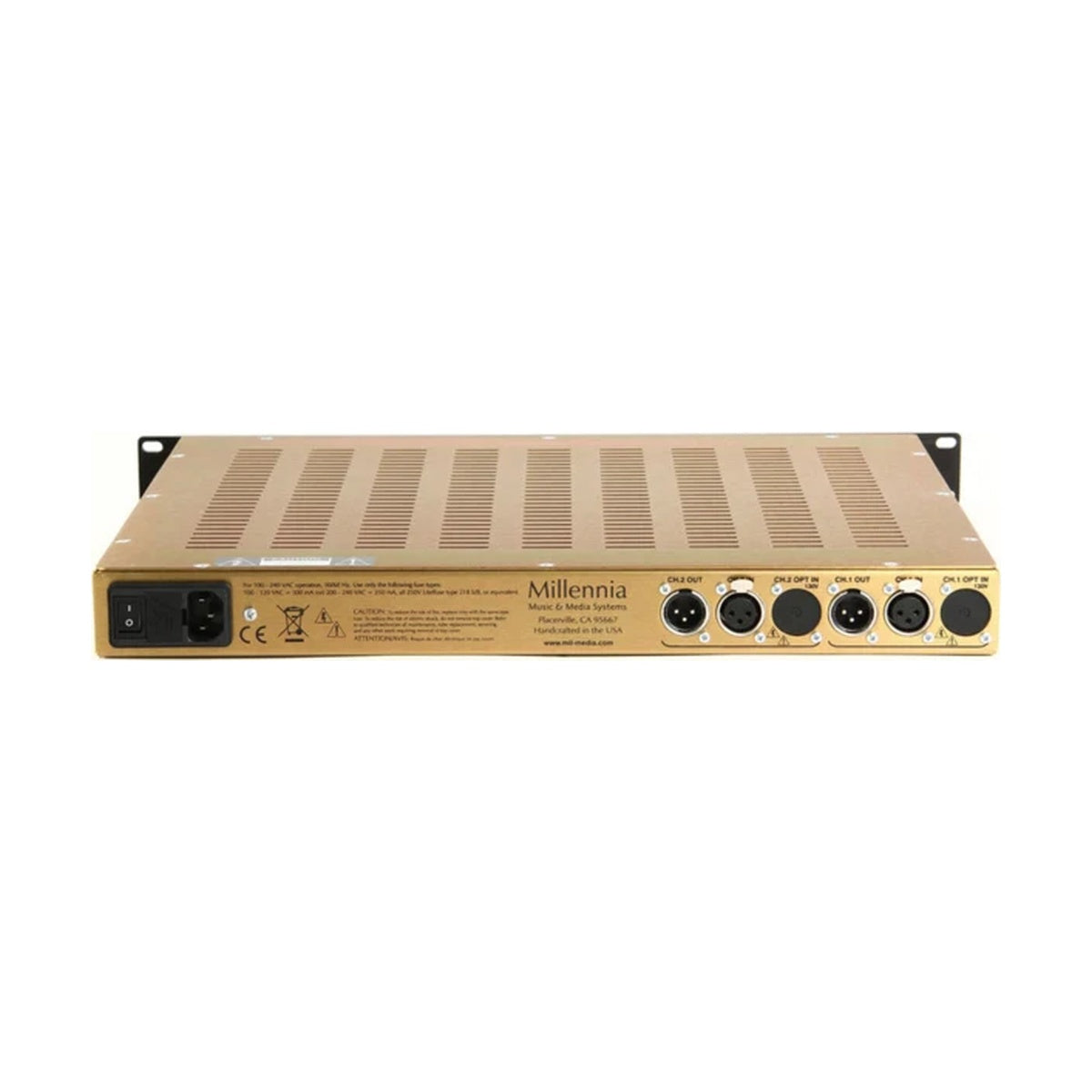


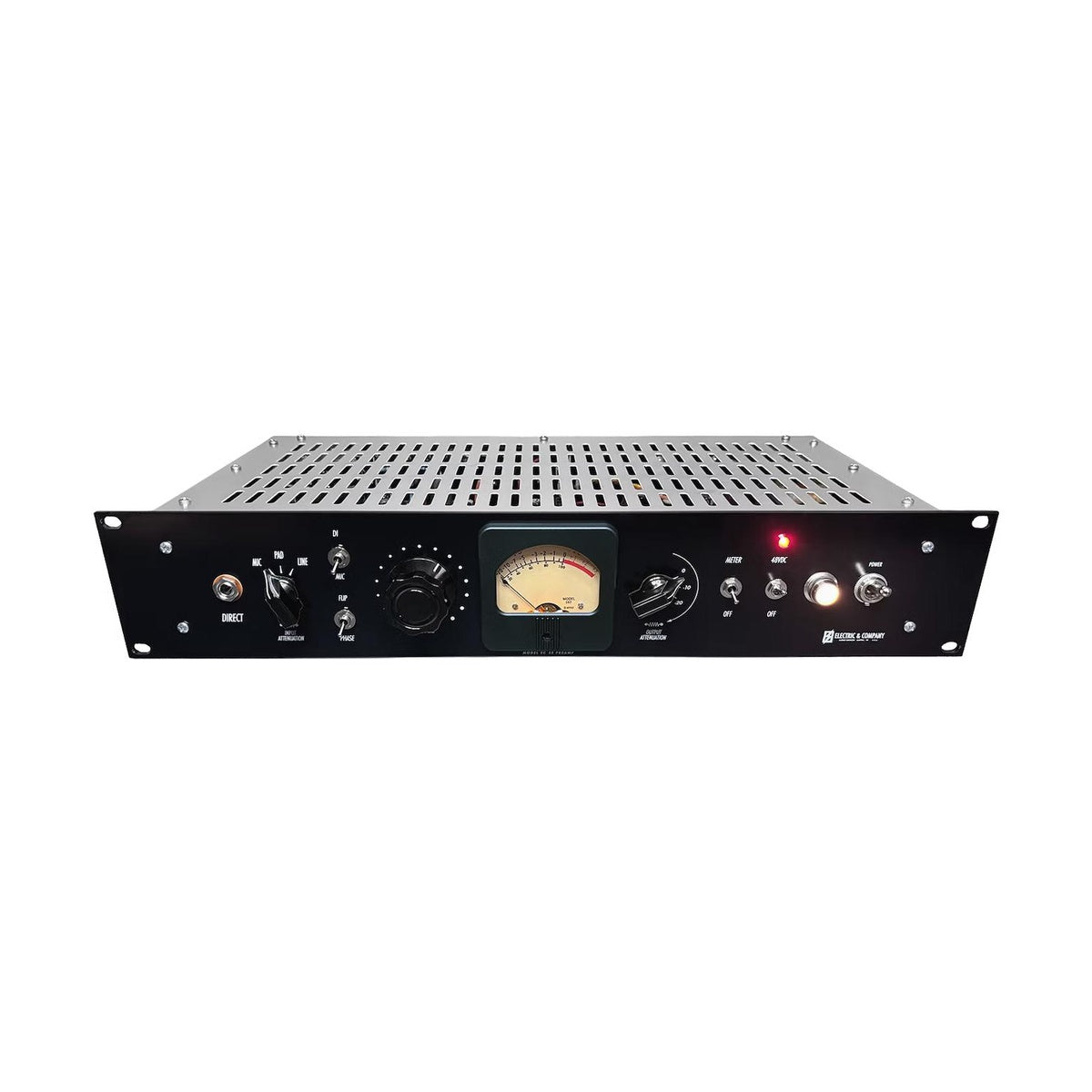
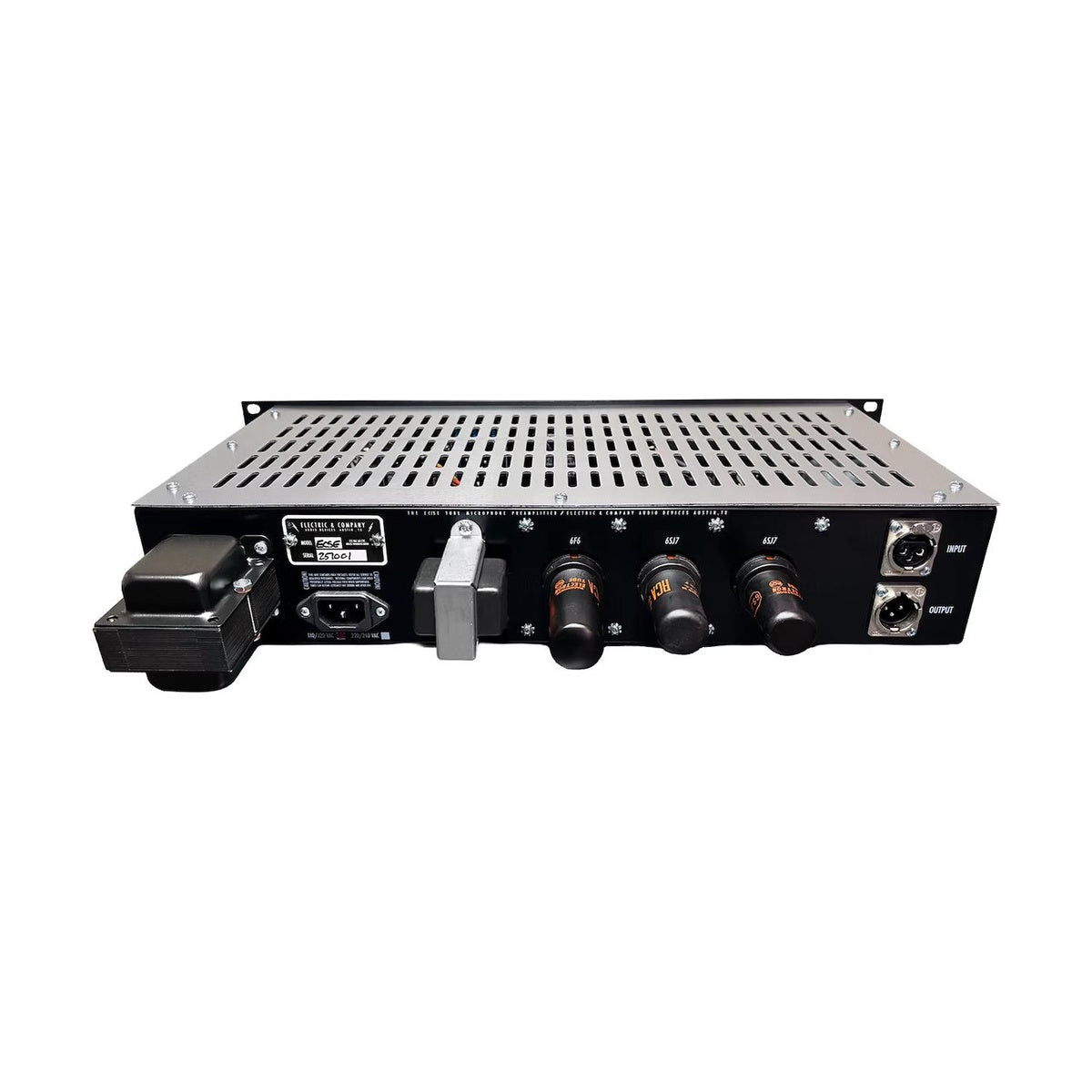
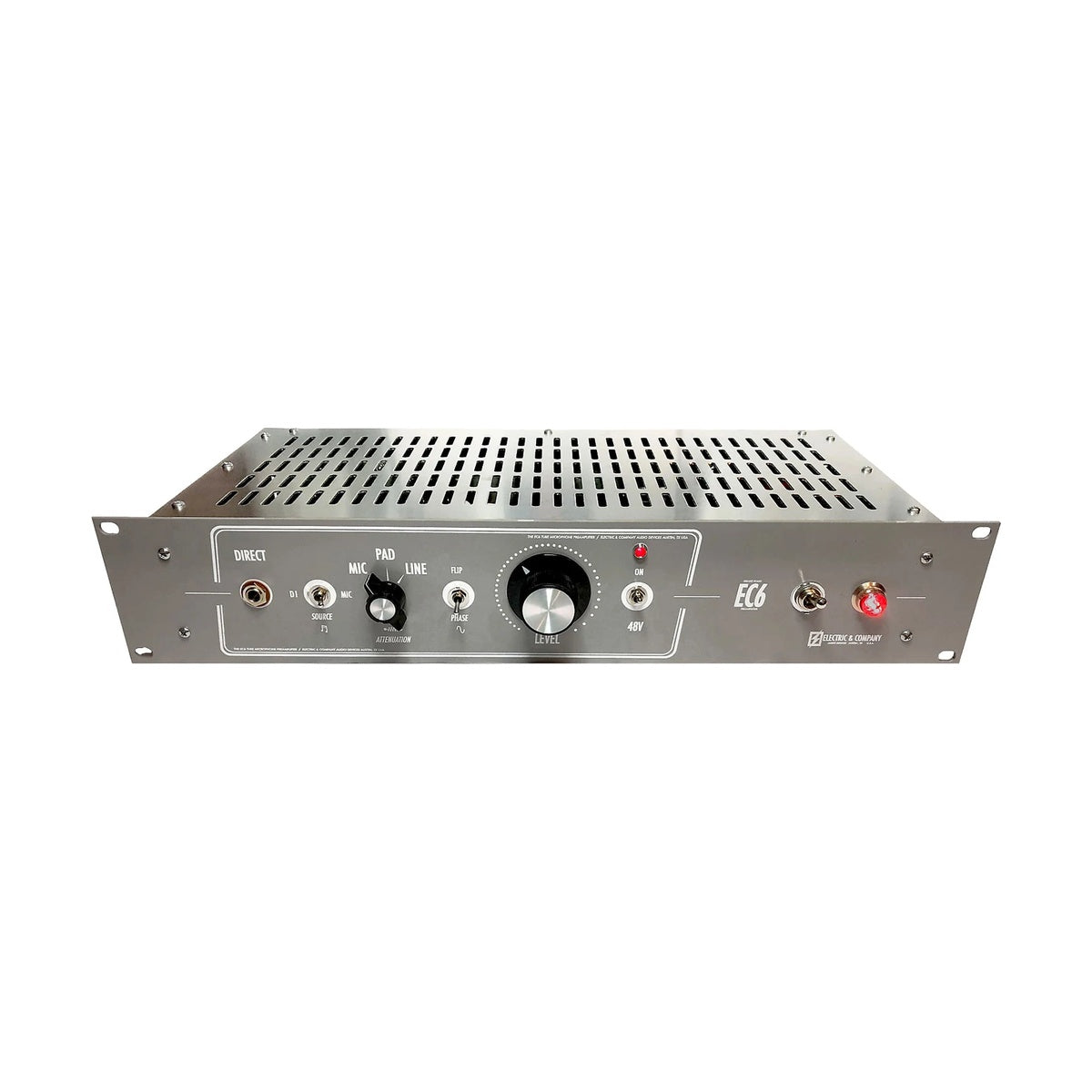
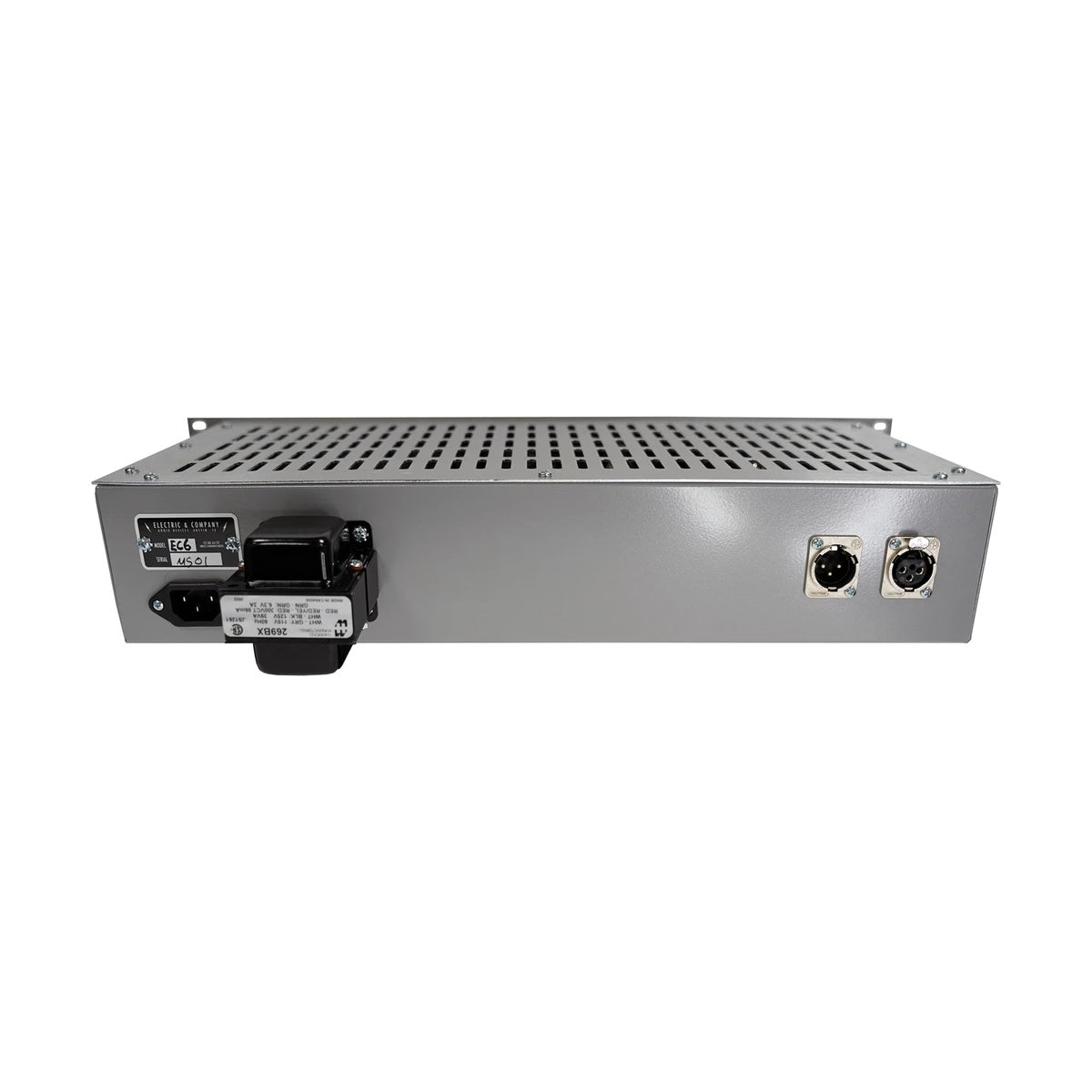
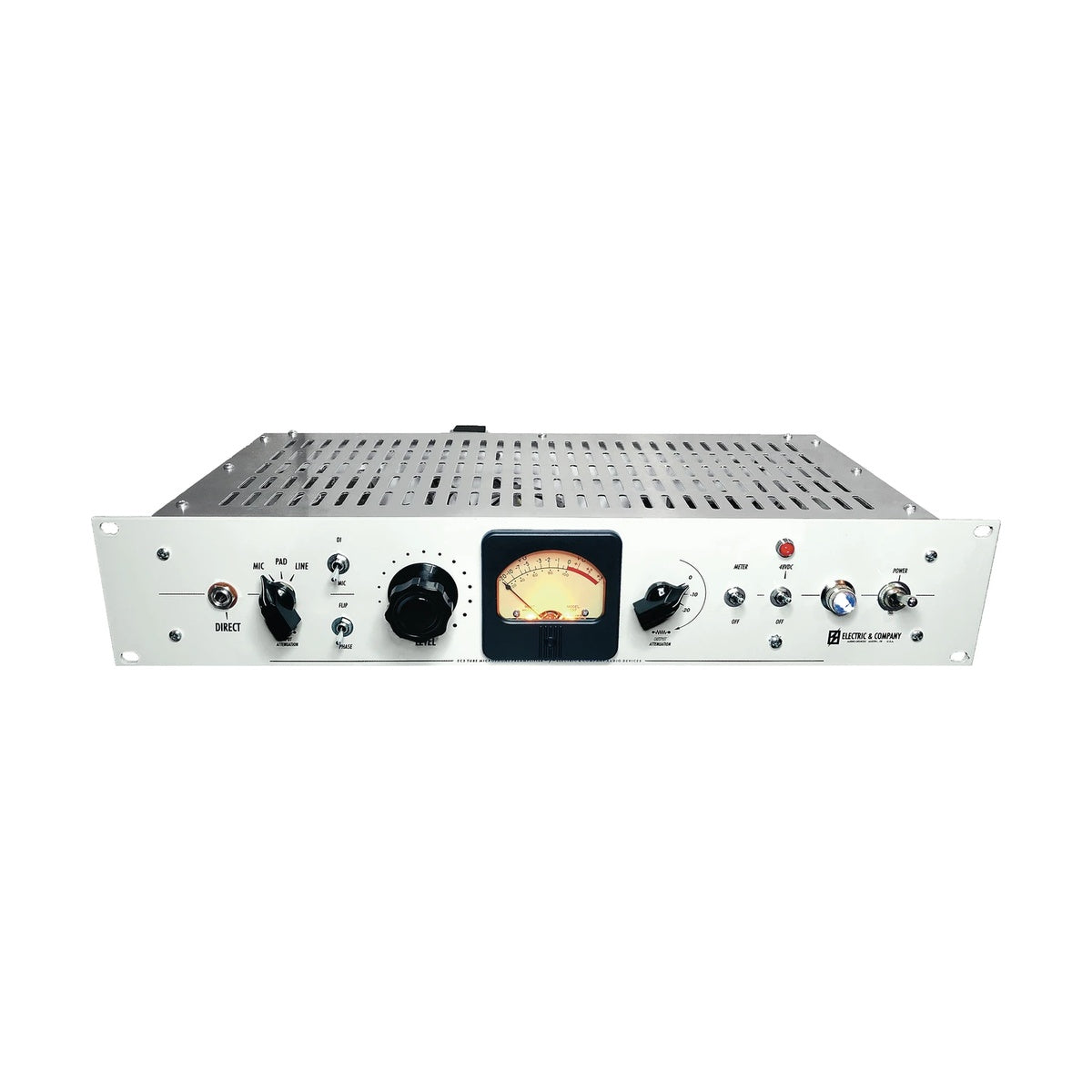
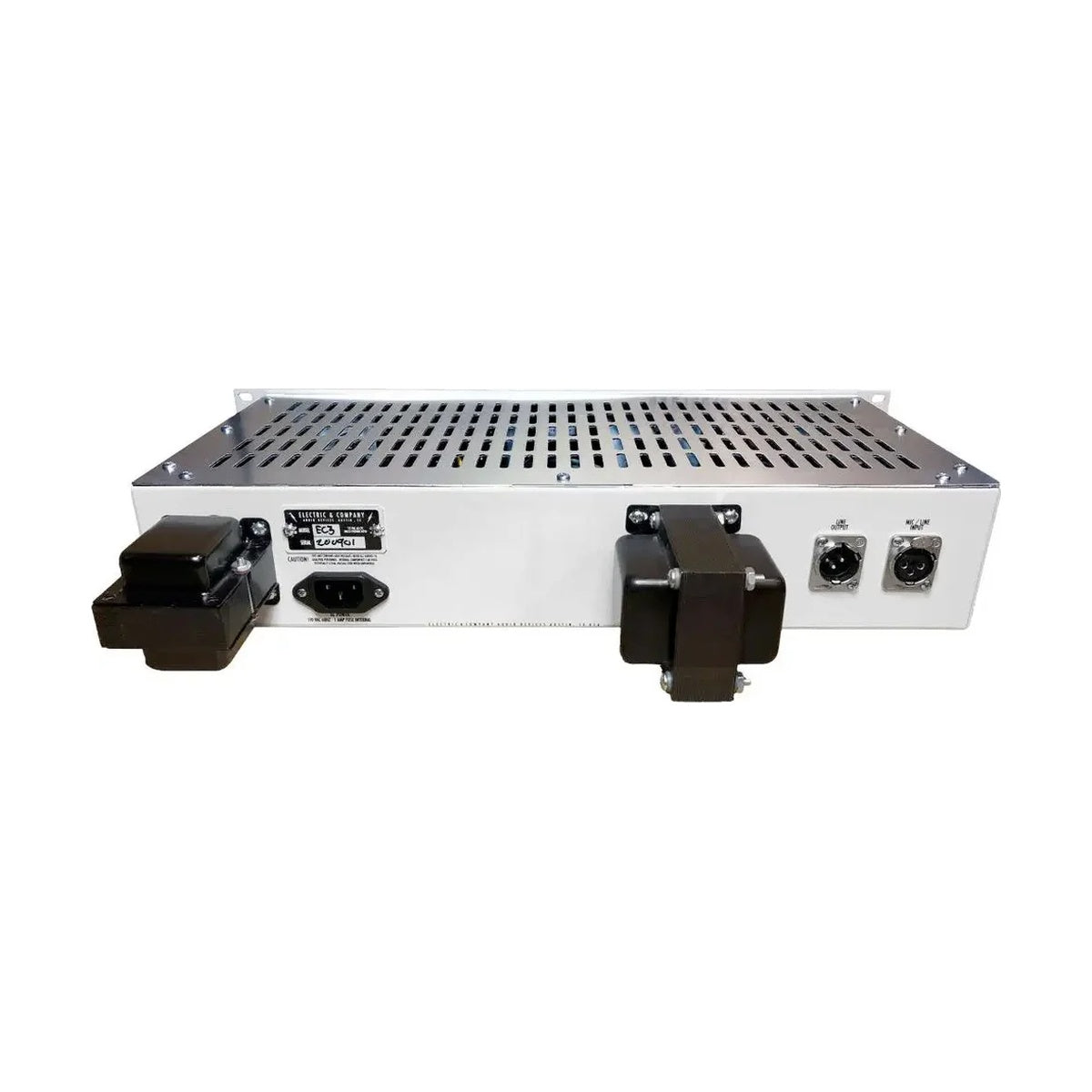

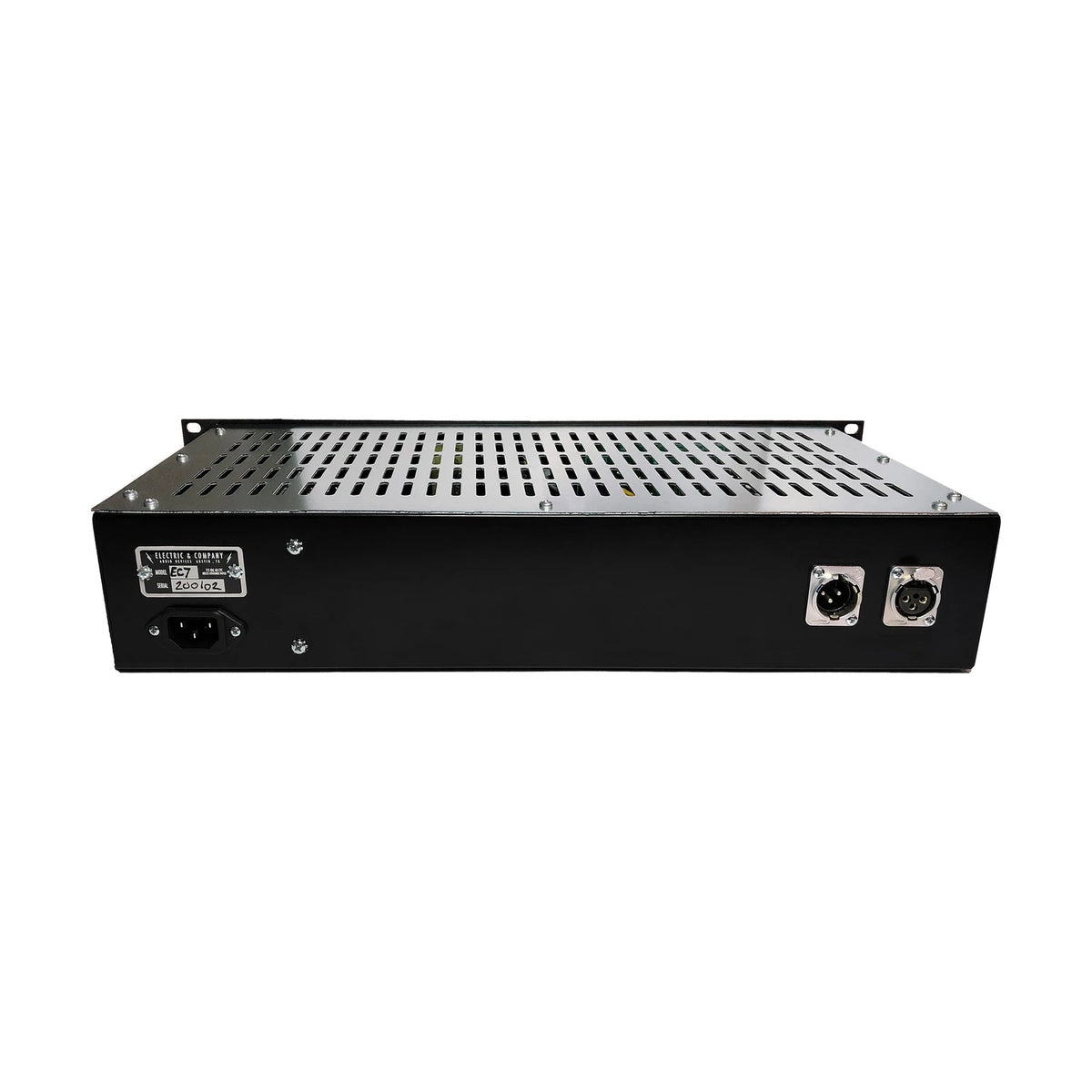
A preamp is the first thing your microphone hits, and the only device in the chain whose one job is to raise a very quiet signal to working level. Whatever it gets wrong at that stage, no plugin fixes later. This collection covers microphone preamps for the studio and stage — from single-channel units to eight-channel interface expanders.
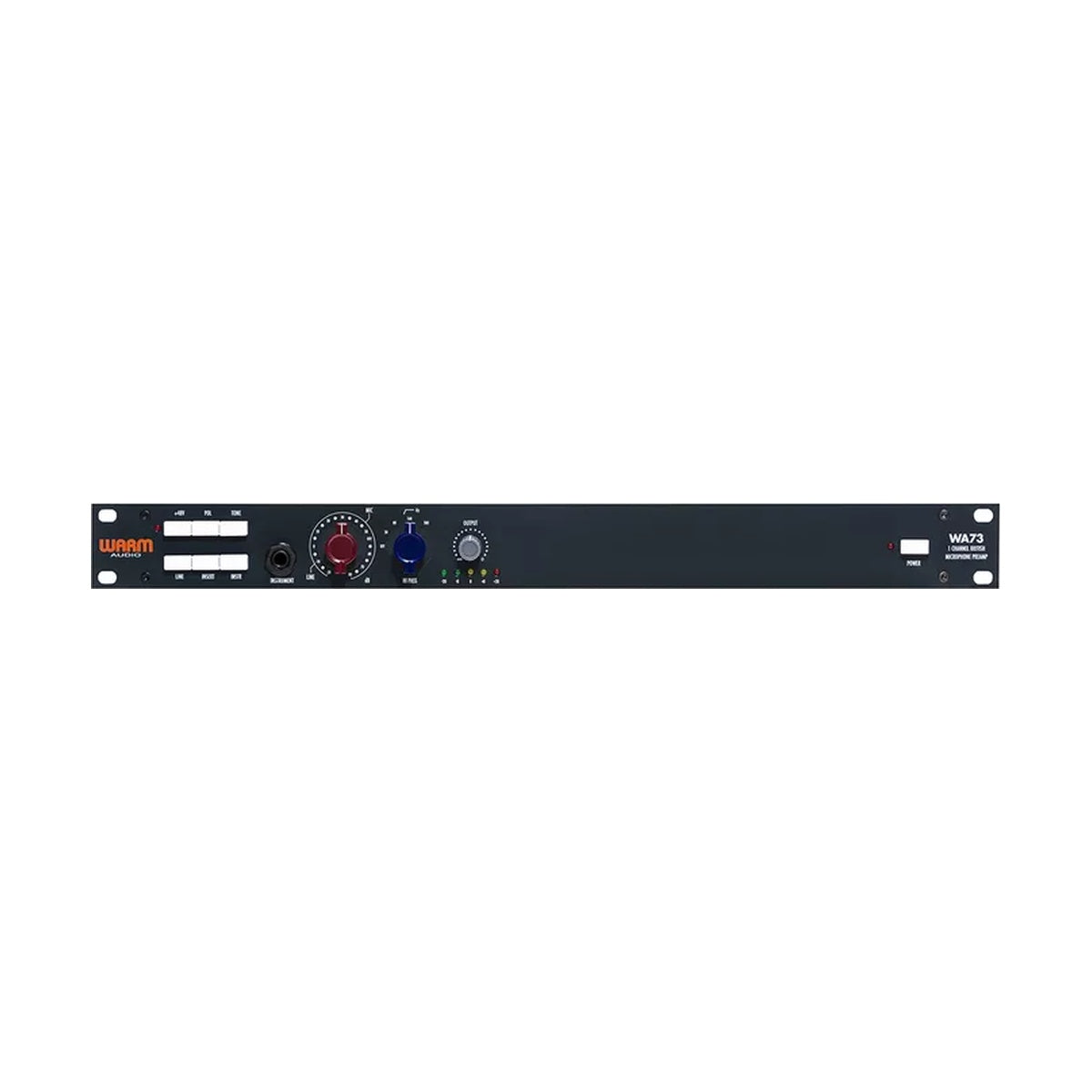
A solid-state preamp is predictable: it adds gain and stays out of the way. That's the right choice for a first outboard stage and for material that needs to stay neutral — Warm Audio WA73 is a good example built around a classic transformer-coupled circuit. Tube and transformer designs add saturation and soft top-end compression instead — you'll hear it on vocals and drums.
One or two channels covers vocals and single instruments. Recording a full drum kit or a live band? You need eight, and it's cheaper to add an ADAT-connected expander to your interface than buy eight standalone units — Audient ASP880 is the one we point most people to.
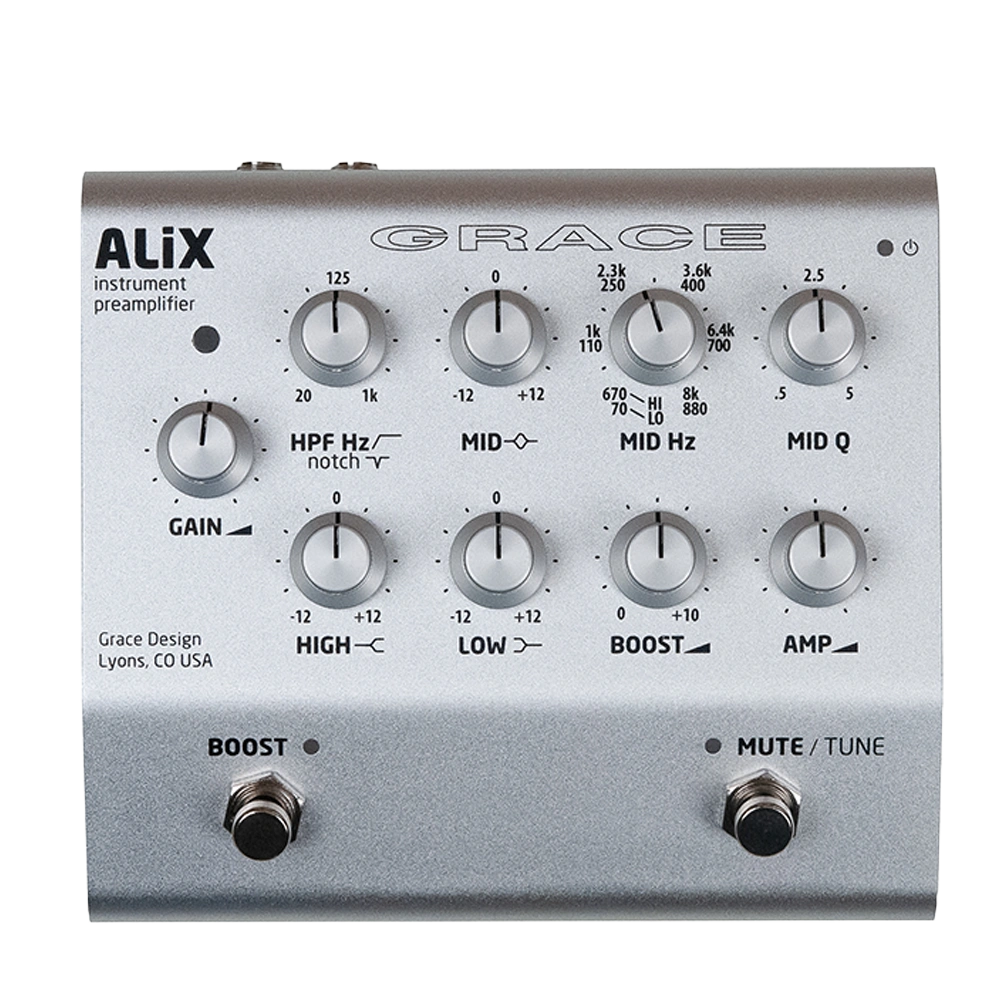
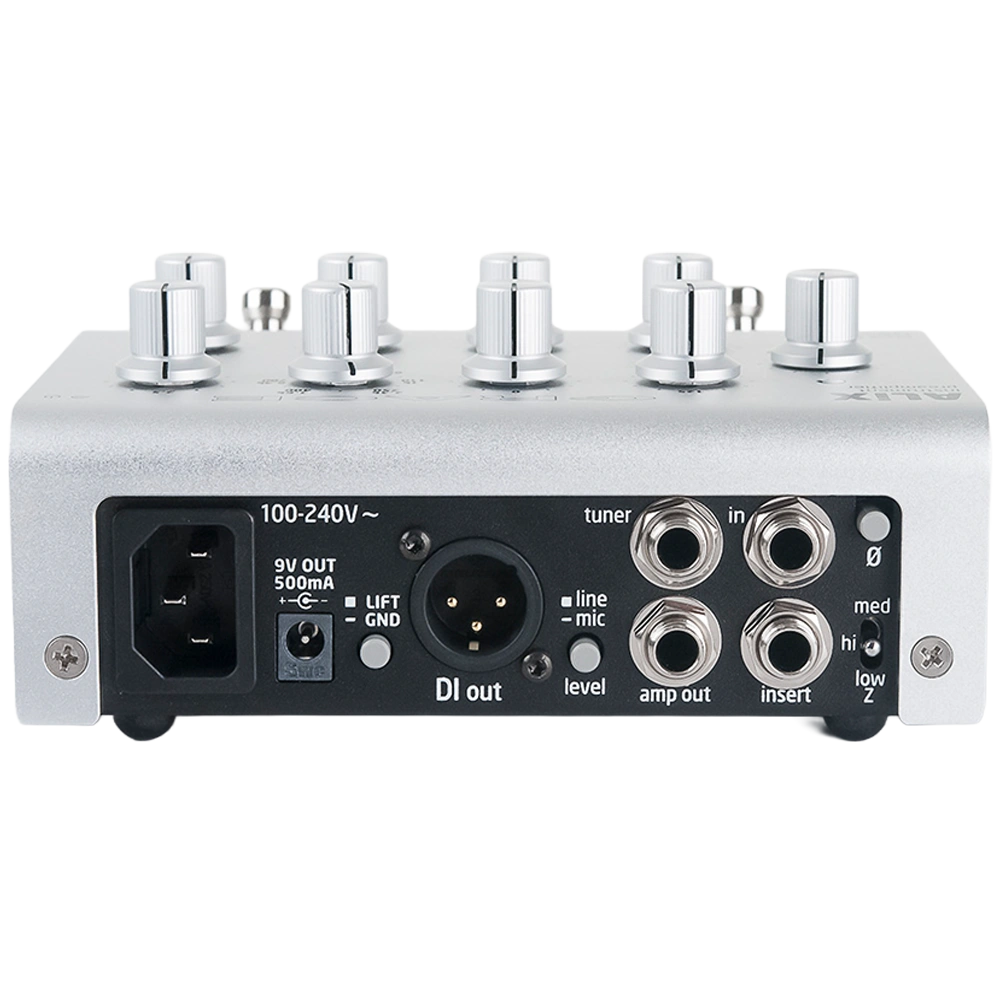
Adding your first outboard preamp to an interface? Warm Audio WA73 is a safe, musical starting point. Need a fast per-input boost on stage or at the desk? Grace Design ALiX does DI, EQ and boost in one box. All of it stands in our showroom, so you can compare it on your own mic before you decide.
In this category we work with Warm Audio, Audient, SSL, Heritage Audio and API Audio. We don't stock everything that can be ordered — we stock what we'd put in our own sessions.
The biggest difference between us and a mail-order shop: you can hear the gear before you buy it. Our showroom at Nowogrodzka 6A/102 in Warsaw is there so you can try it on your own material, not a shop demo. Book a visit or just swing by — we'll help without the sales pitch. Call: +48 573 580 840.
For most work, yes. An outboard preamp earns its keep when you need a specific tonal character, or extra clean gain for a low-output ribbon or dynamic mic that your interface's built-in preamp can't drive.
Solid-state for a neutral, uncoloured signal path. Start clean; you can always add character with a second unit later, but you can't remove it once it's printed.
One or two for vocals and solo instruments. Eight for a full drum kit or live band — an ADAT expander into your existing interface is the cheapest way to get there.
See also: Audio Interfaces · 500 Series · Microphones

Abonnez-vous à notre newsletter pour recevoir les dernières nouveautés et offres exclusives.