Enceintes passives
Les enceintes de monitoring passives sont le choix des ingénieurs et producteurs qui veulent un contrôle total de leur système d’écoute. Elles nécessitent un amplificateur externe, mais permettent en contrepartie de façonner précisément le son et de faire évoluer la configuration selon vos besoins.


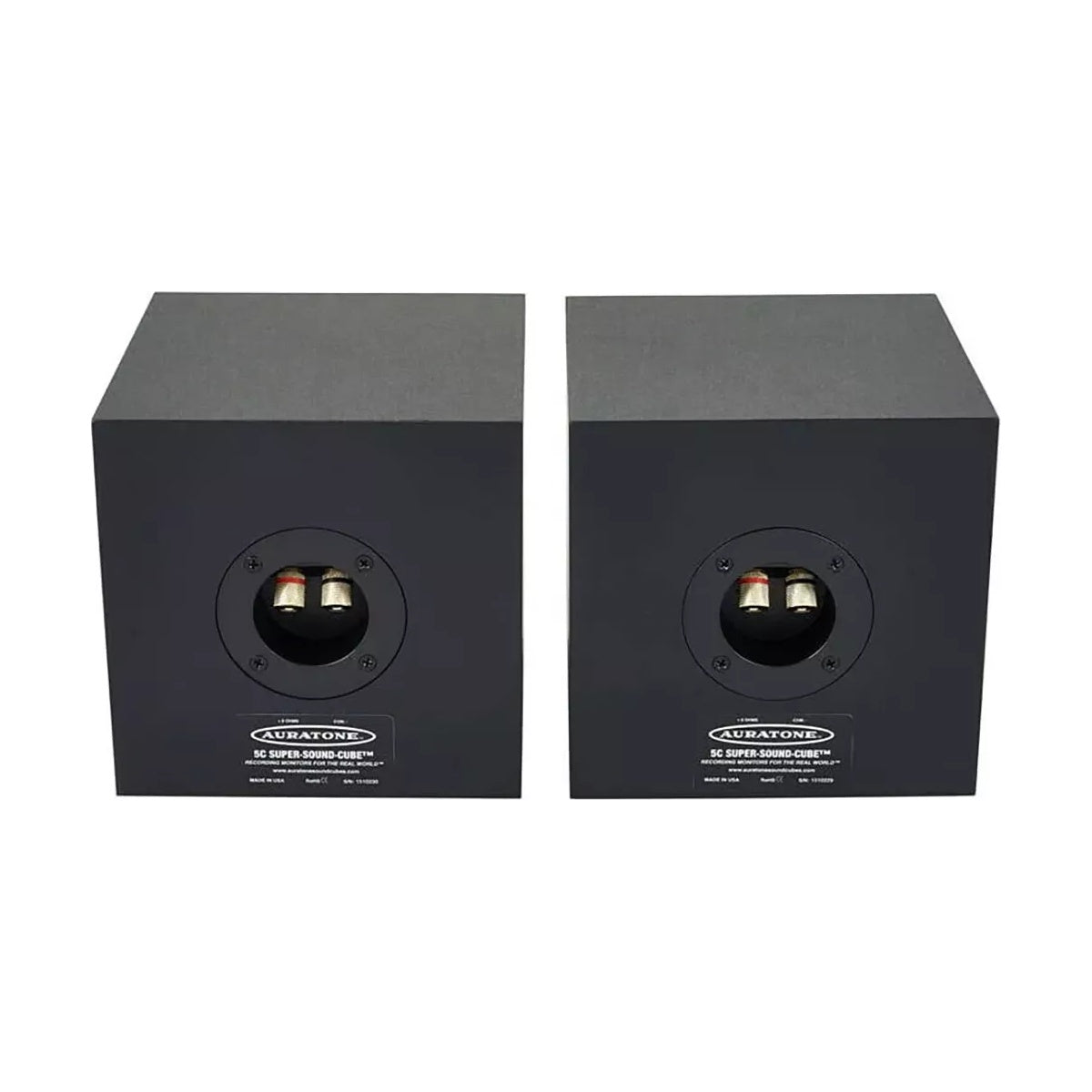
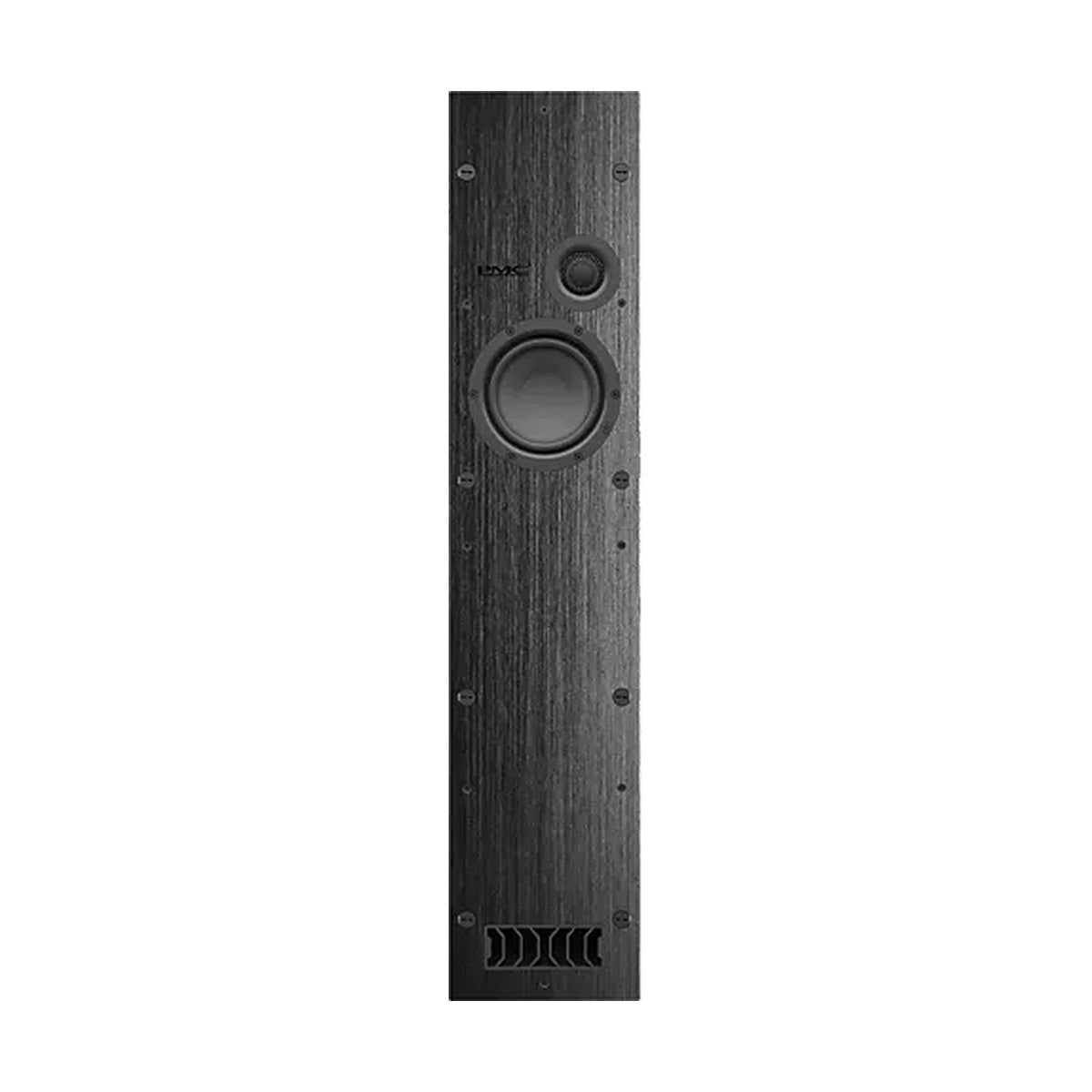
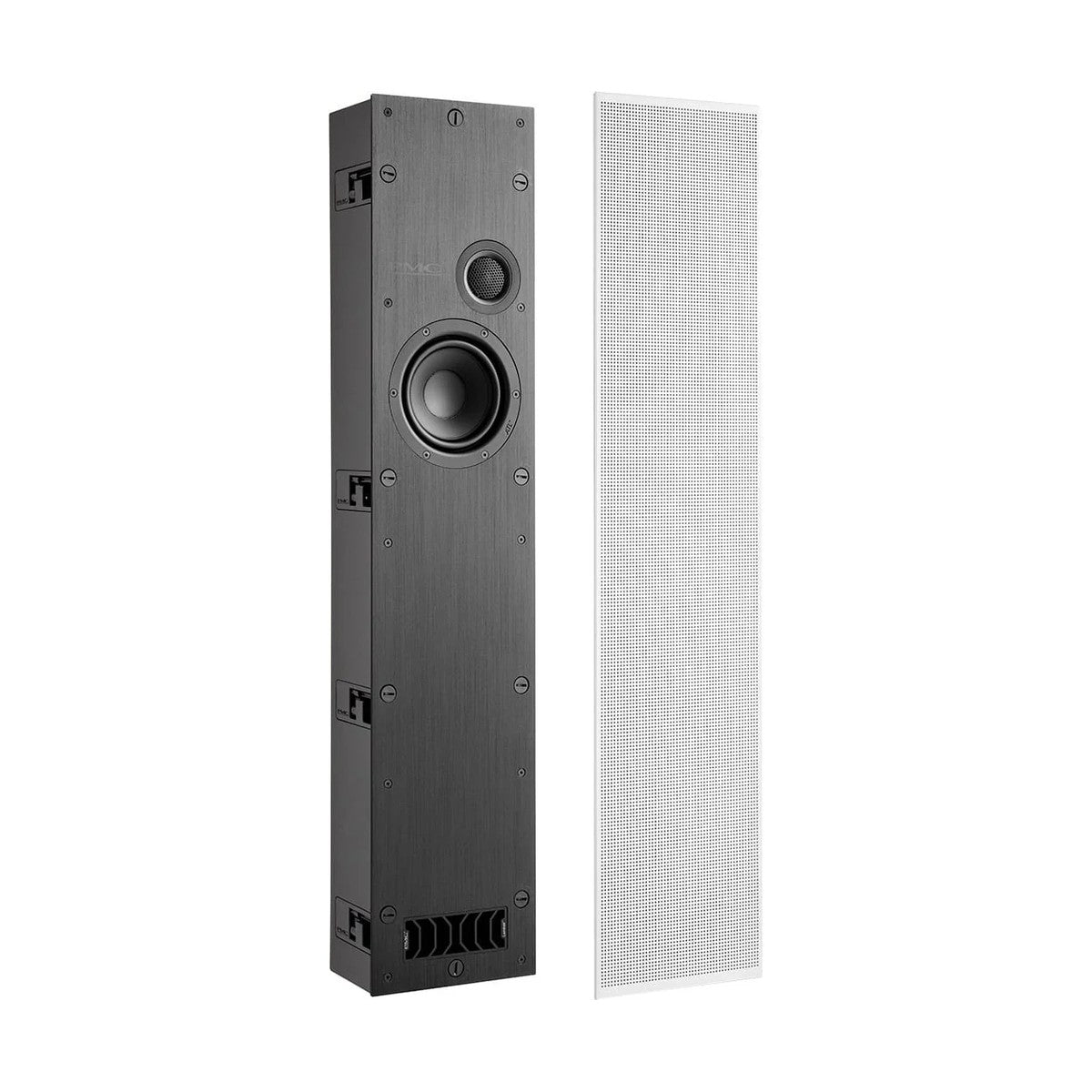

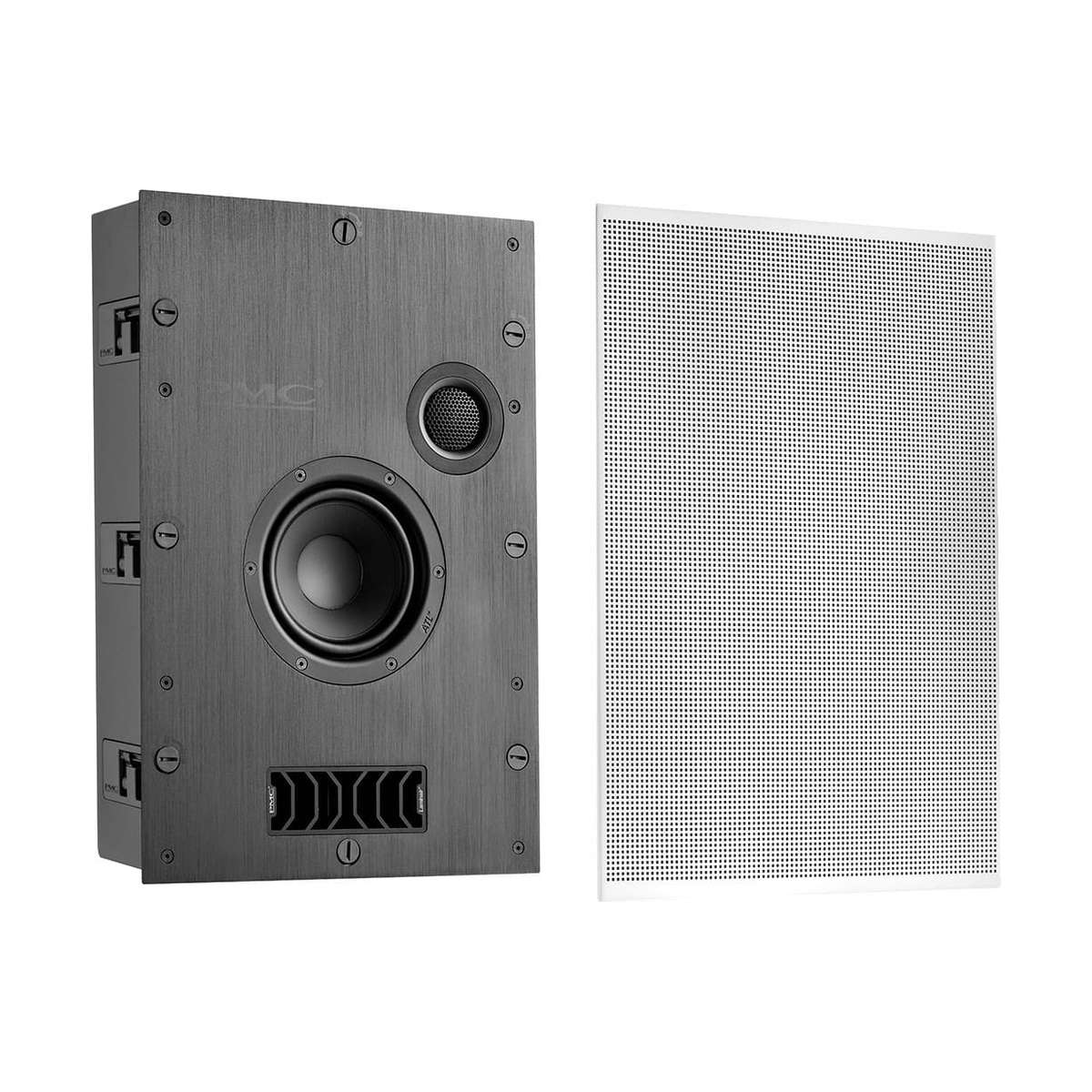
Passive Studio Monitors – Full Control Over Your Amplifier
Passive Studio Monitors – Full Control Over Your Amplifier
A passive monitor leaves amplification entirely up to you, which means you choose exactly how the signal gets powered instead of accepting whatever came matched from the factory. This collection covers passive studio monitors for critical listening and installed sound.
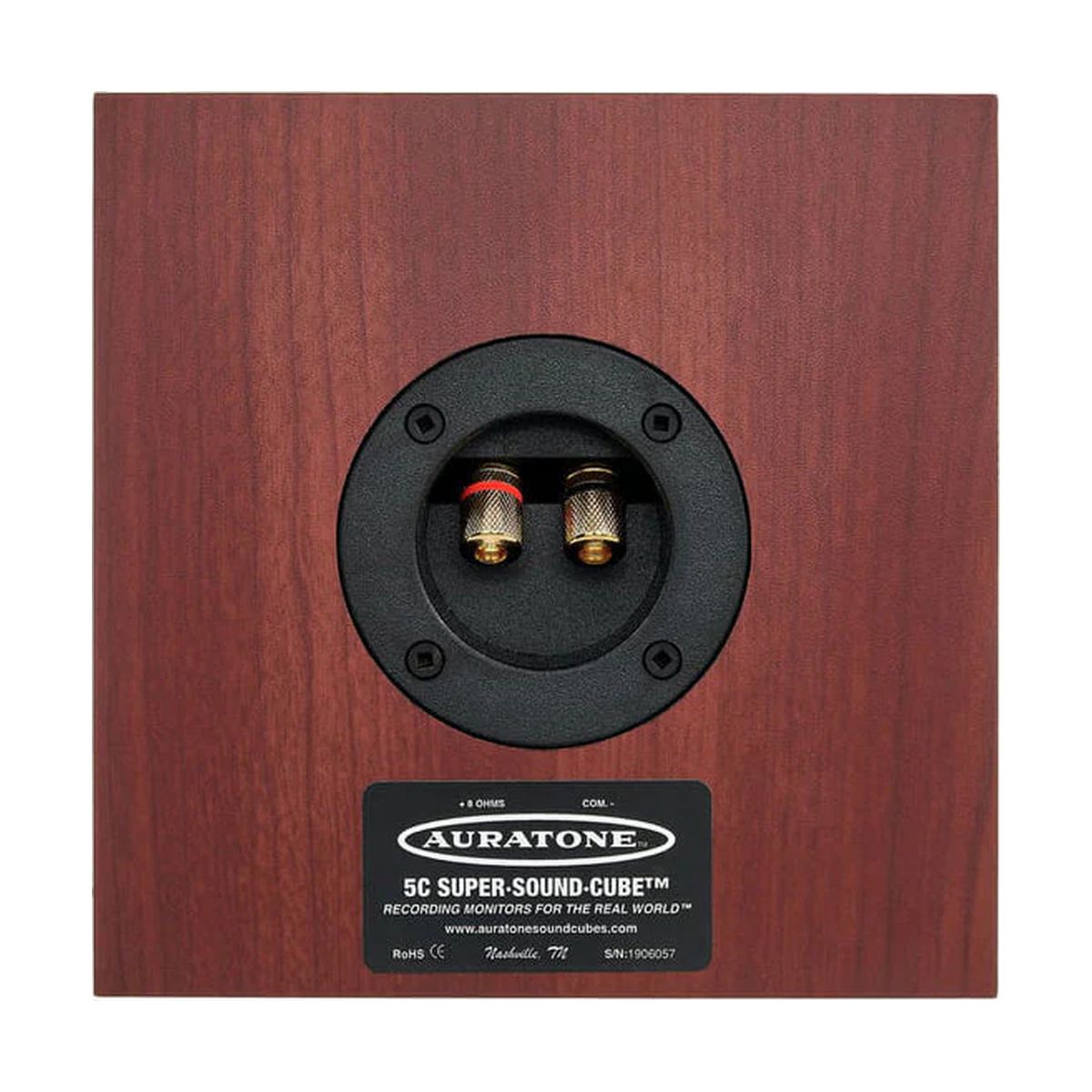
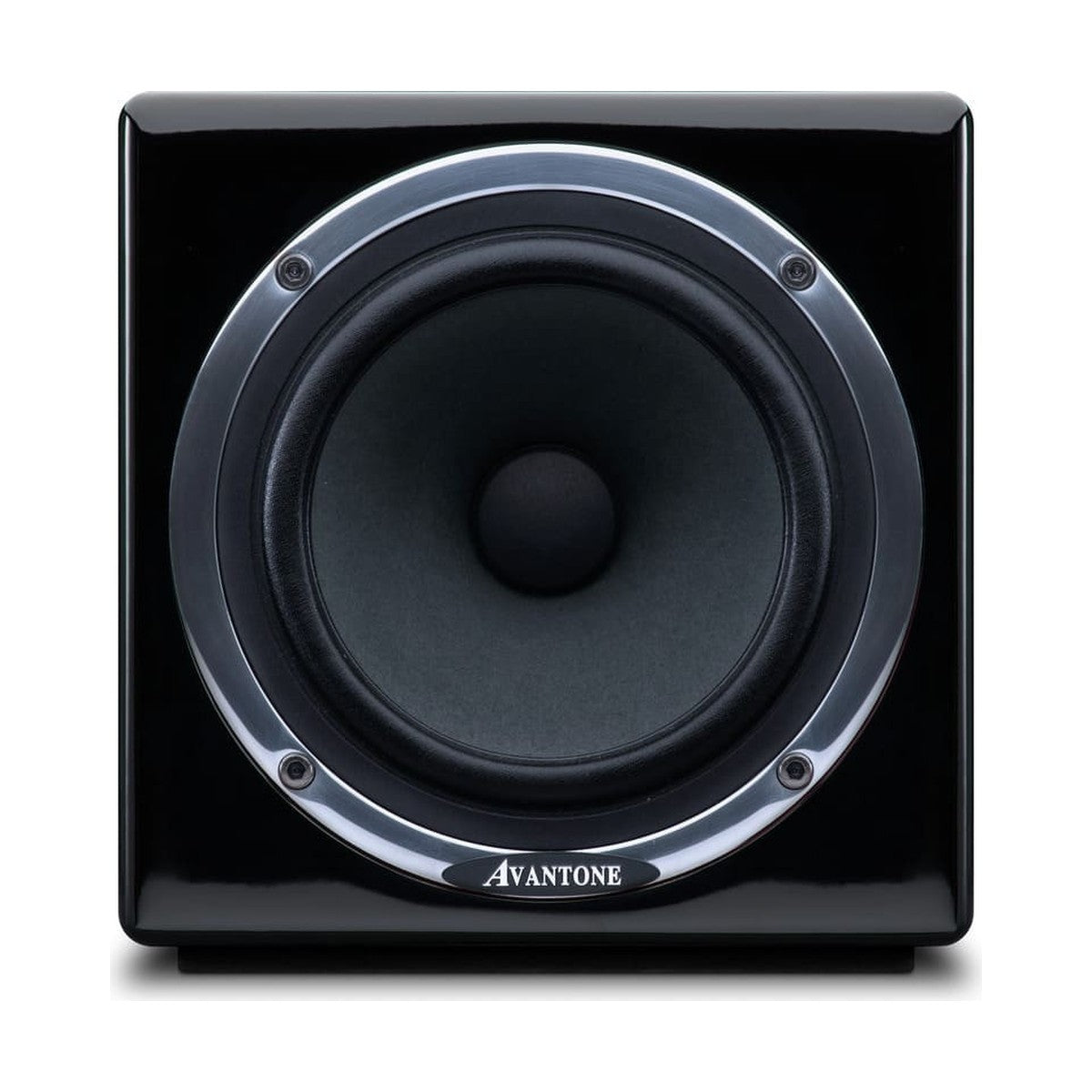
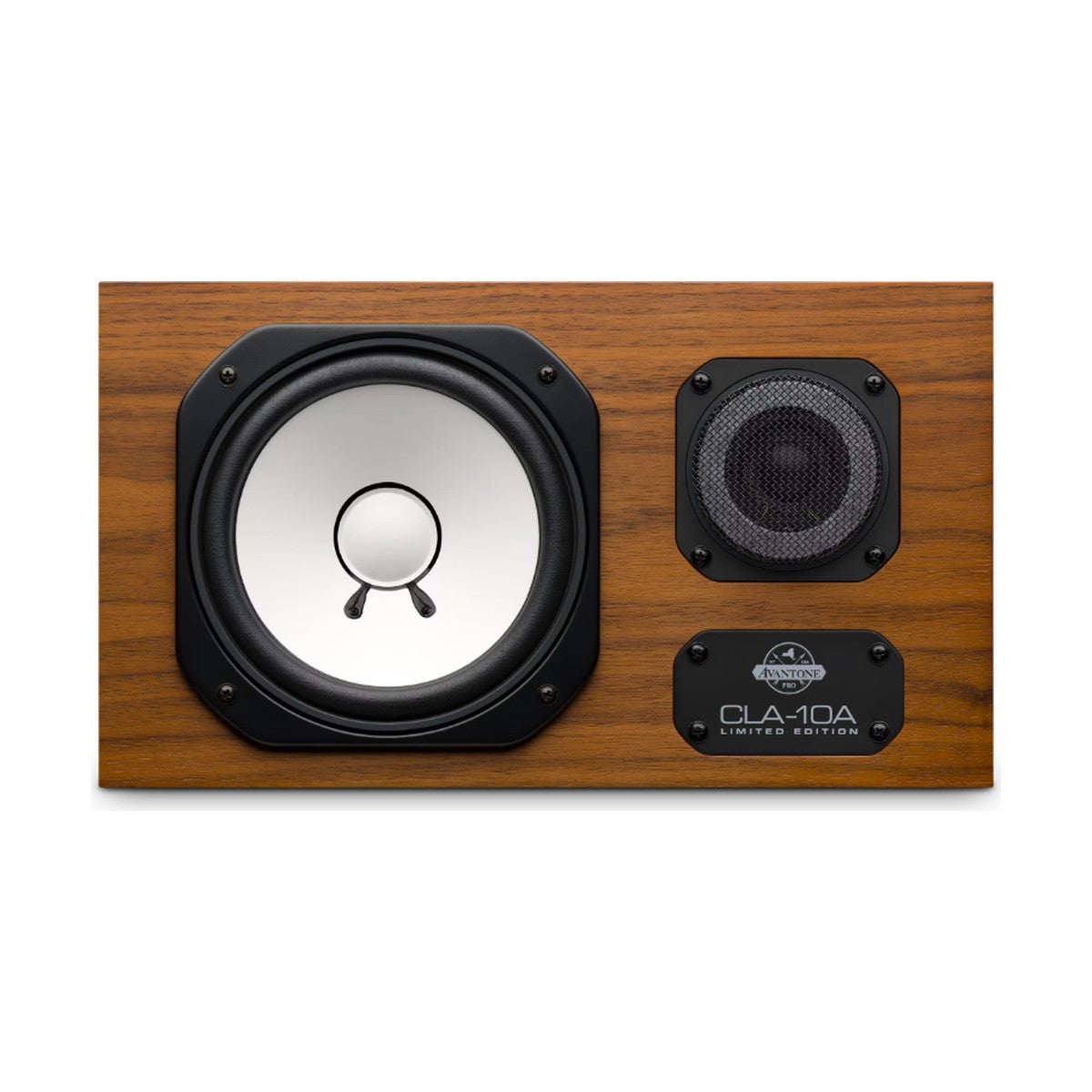
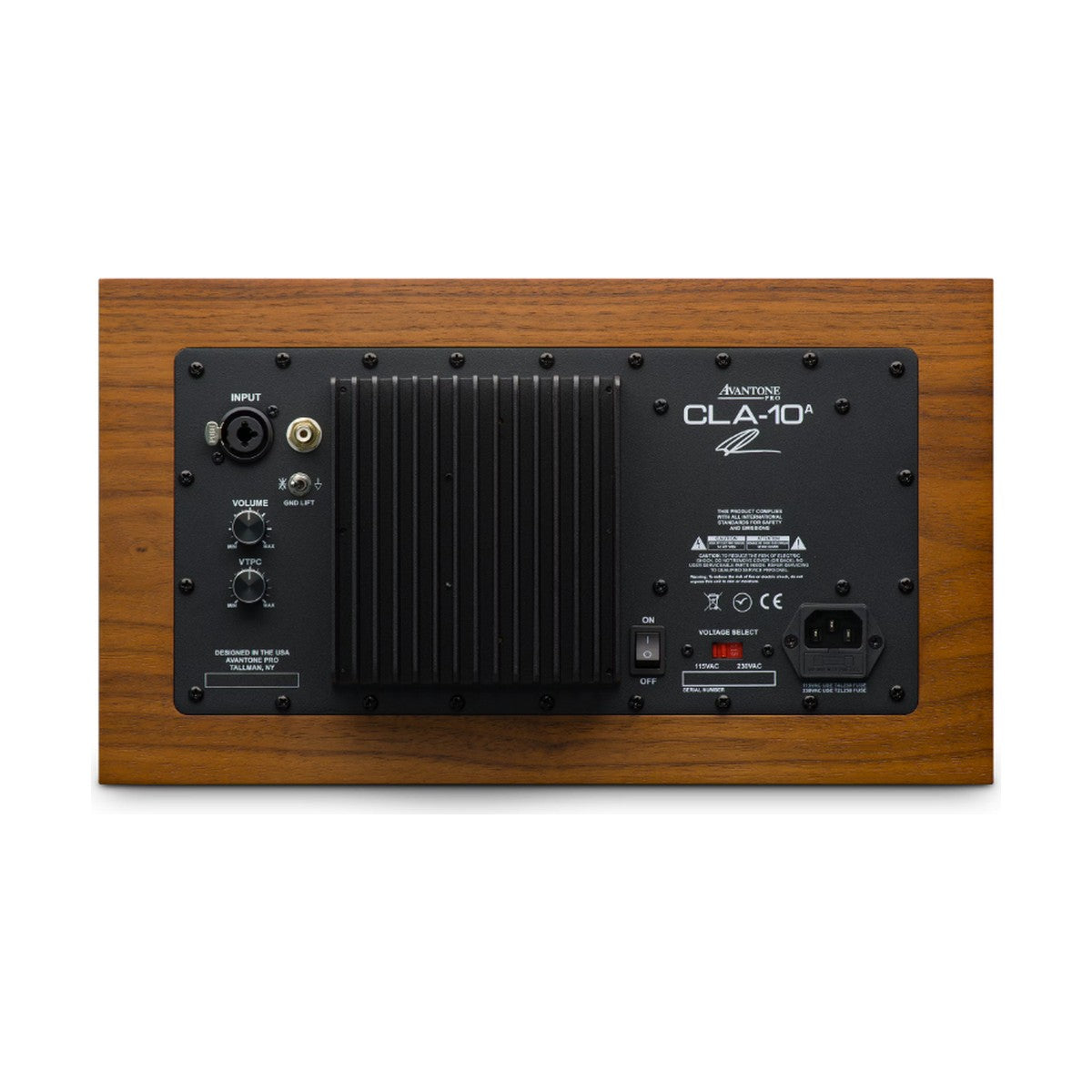
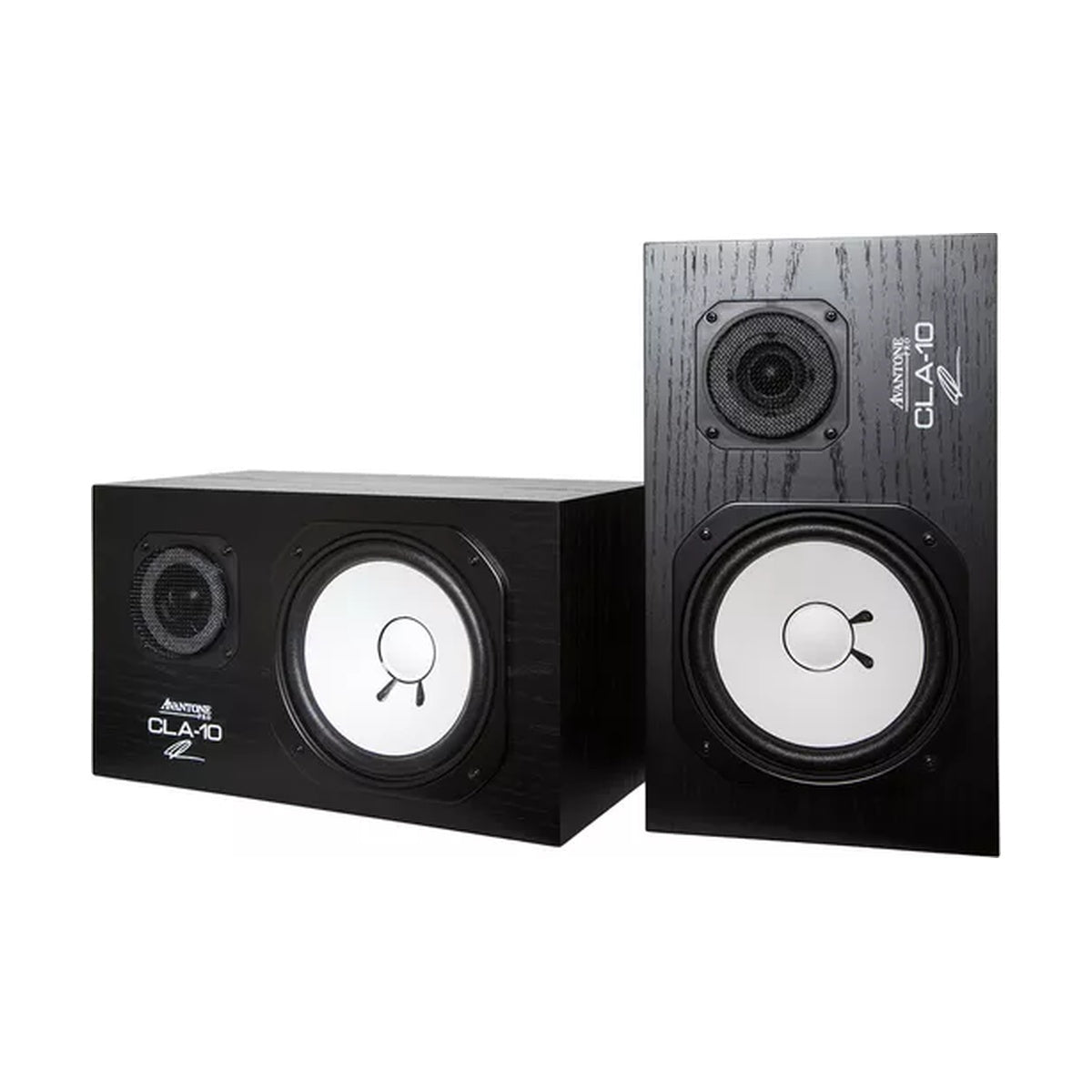
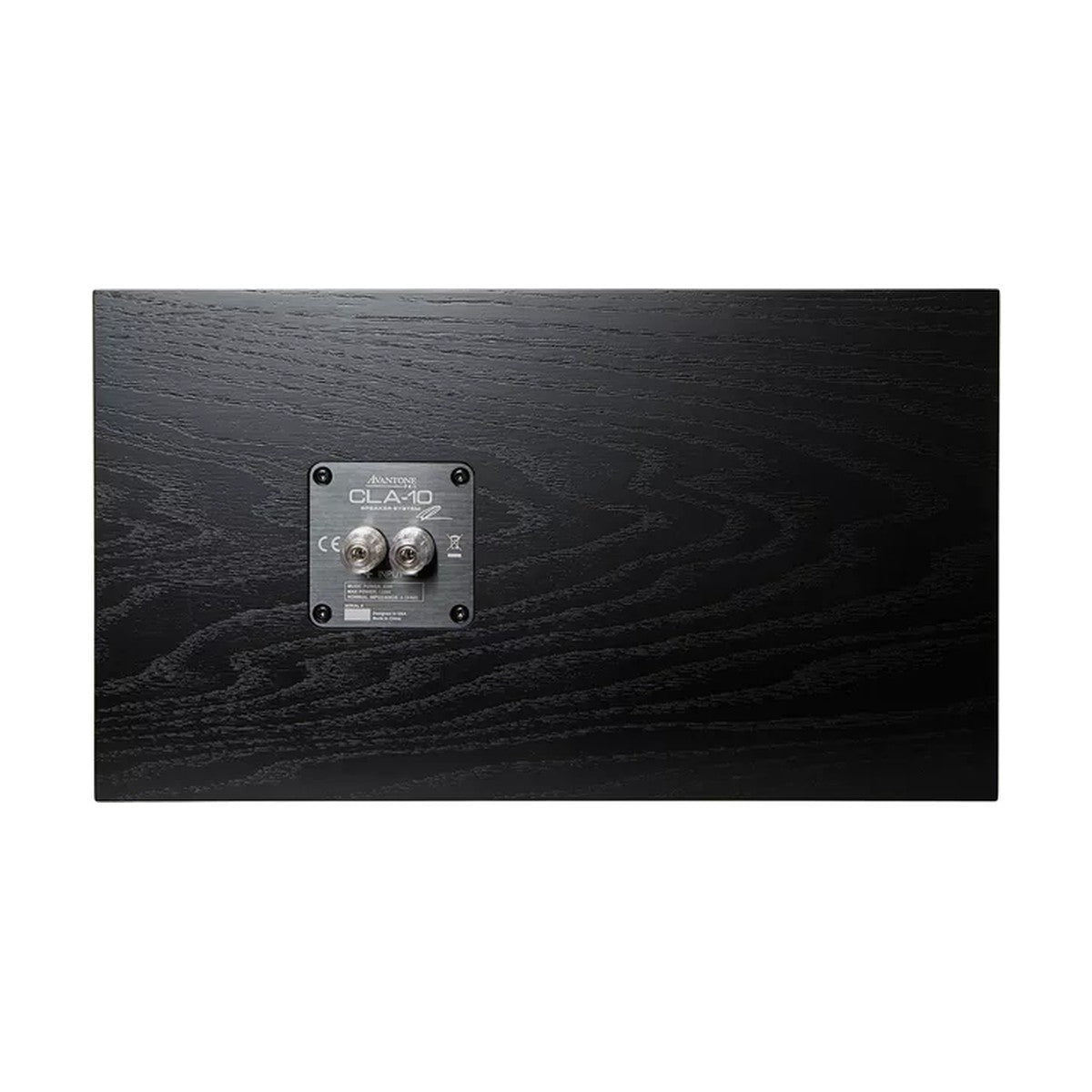
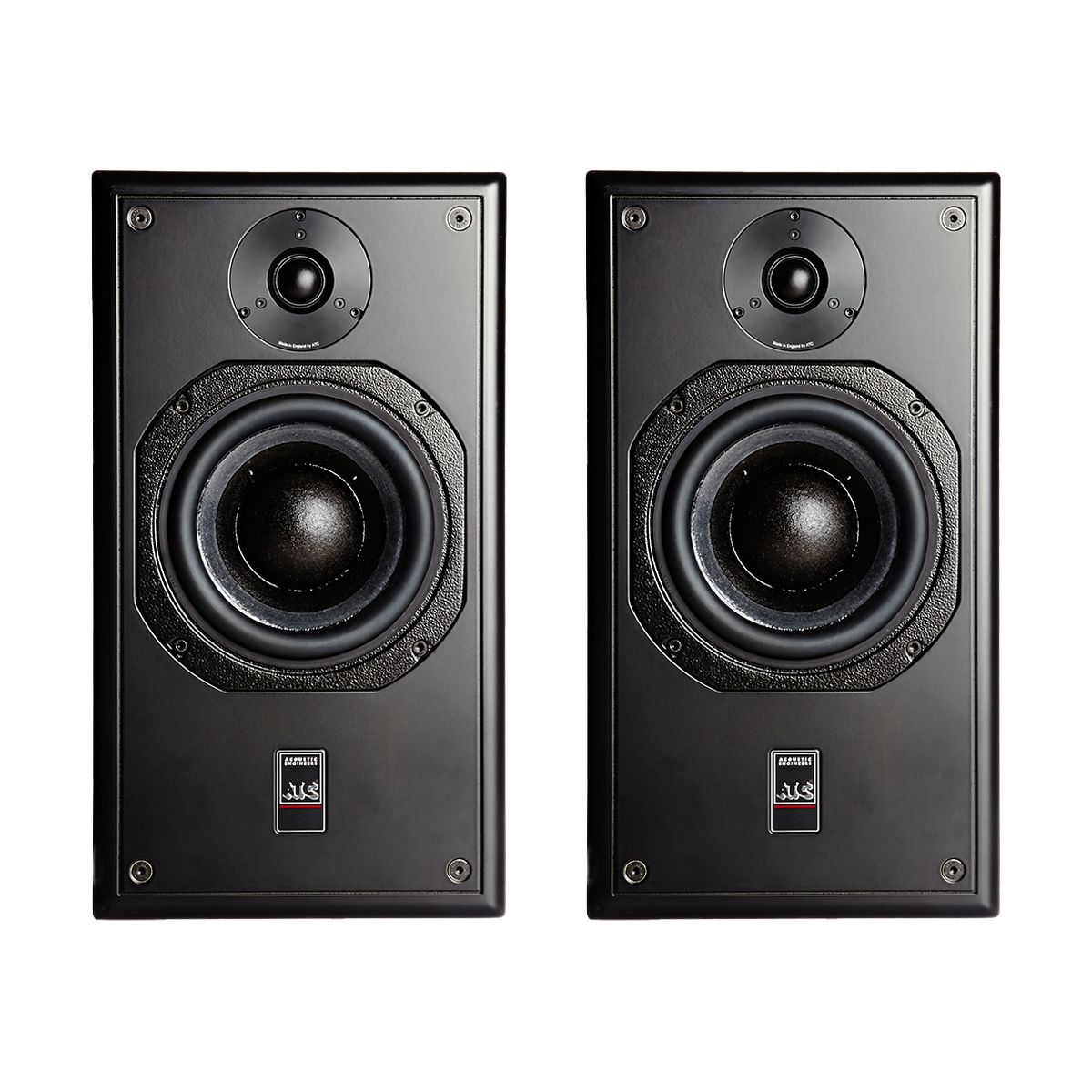
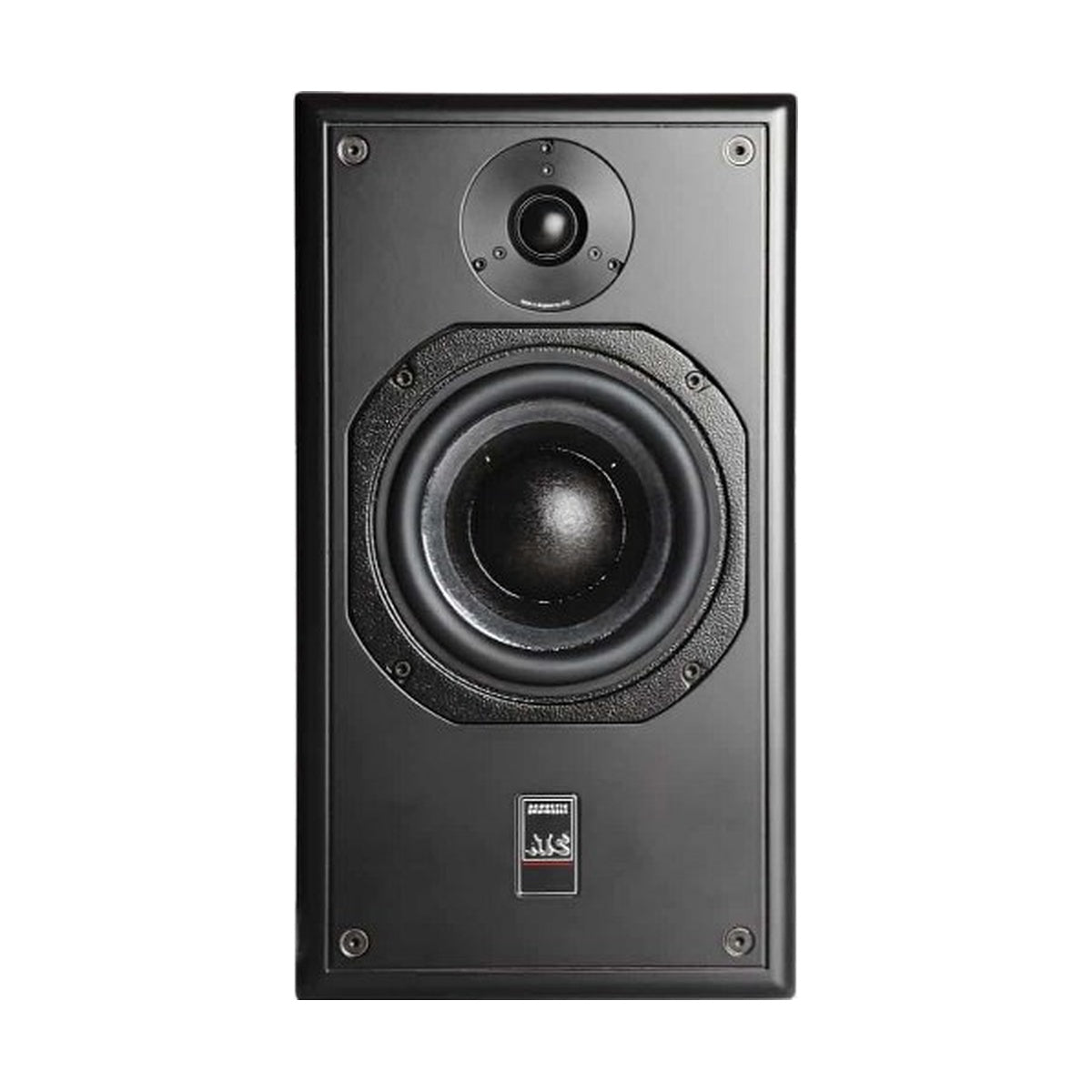
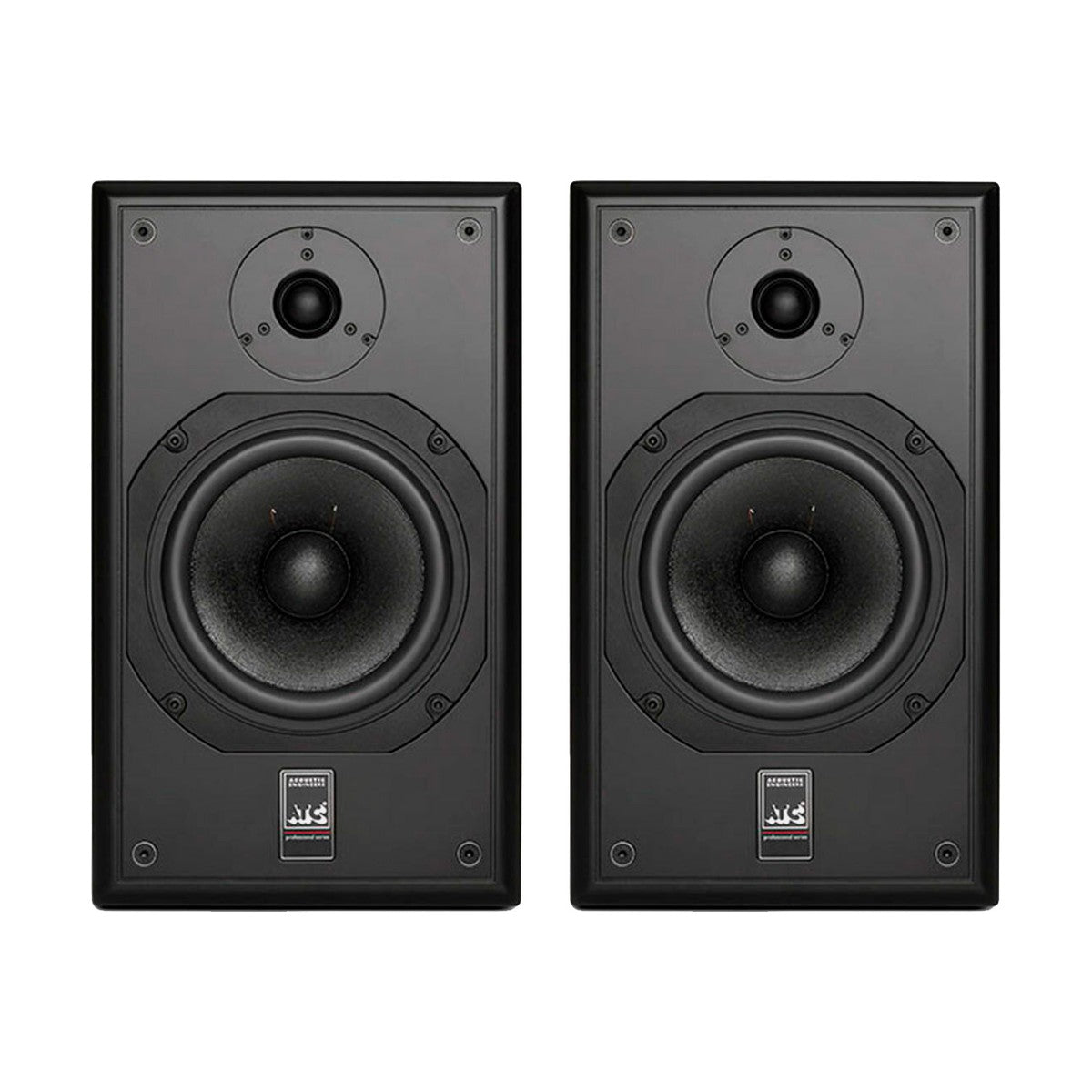
Why go passive
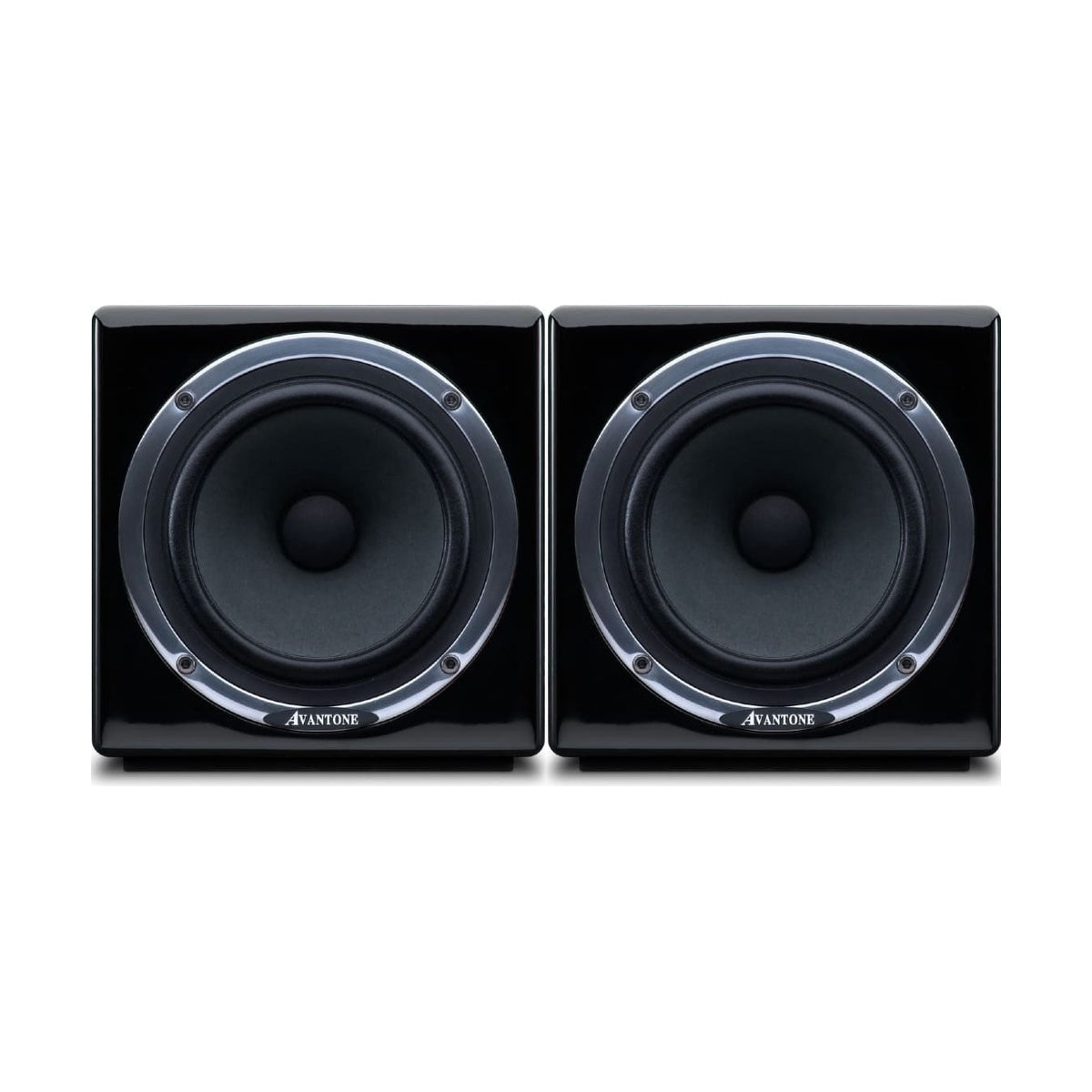
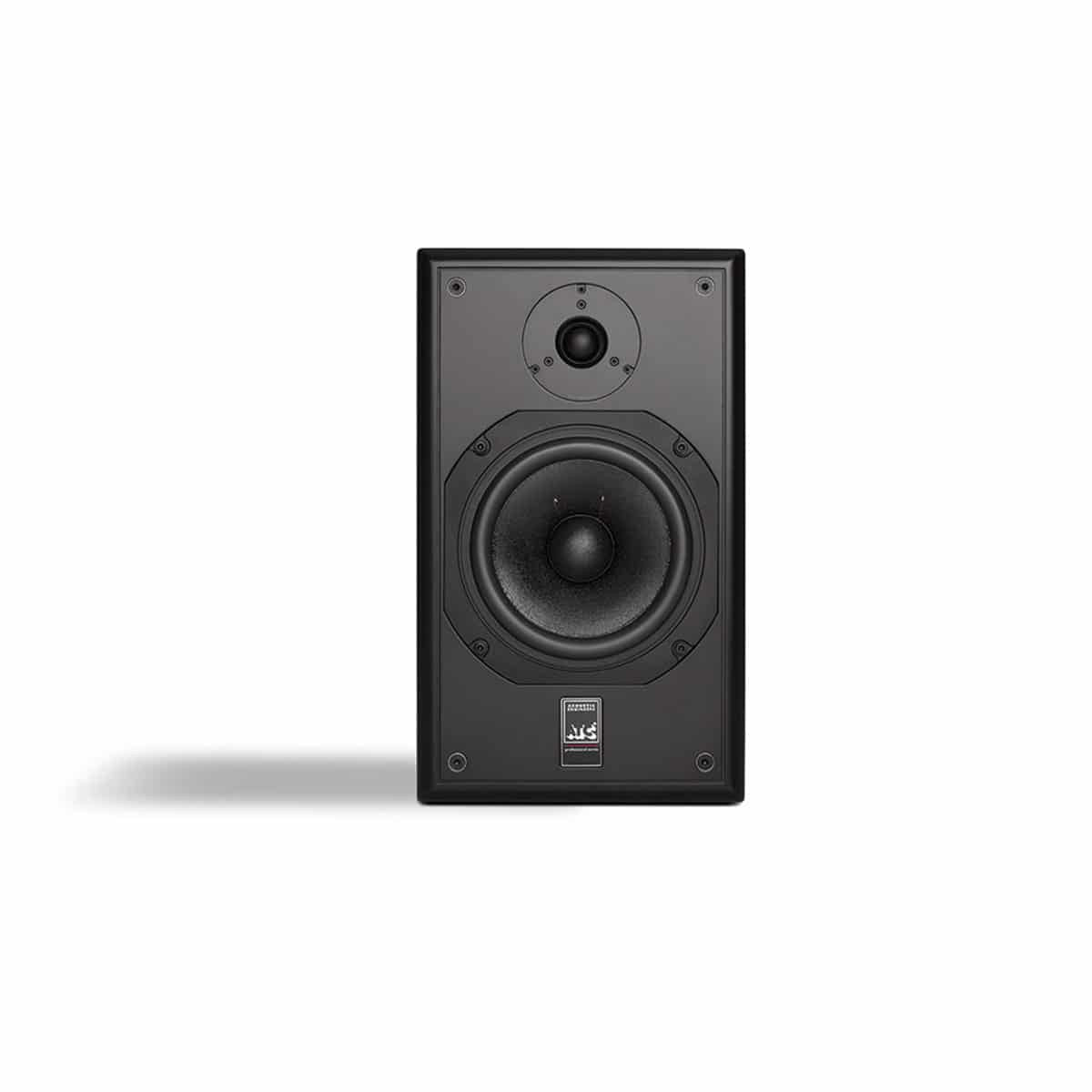
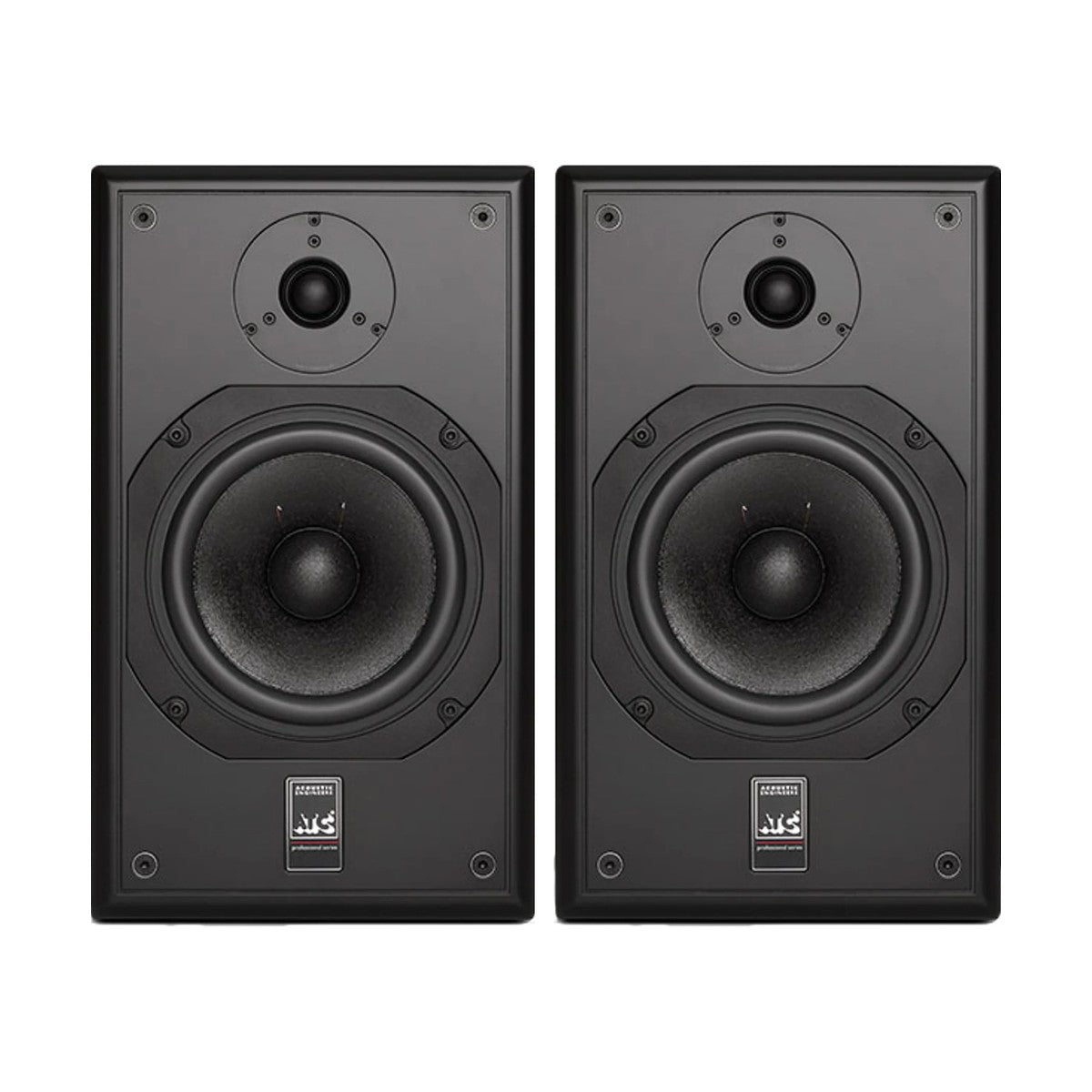
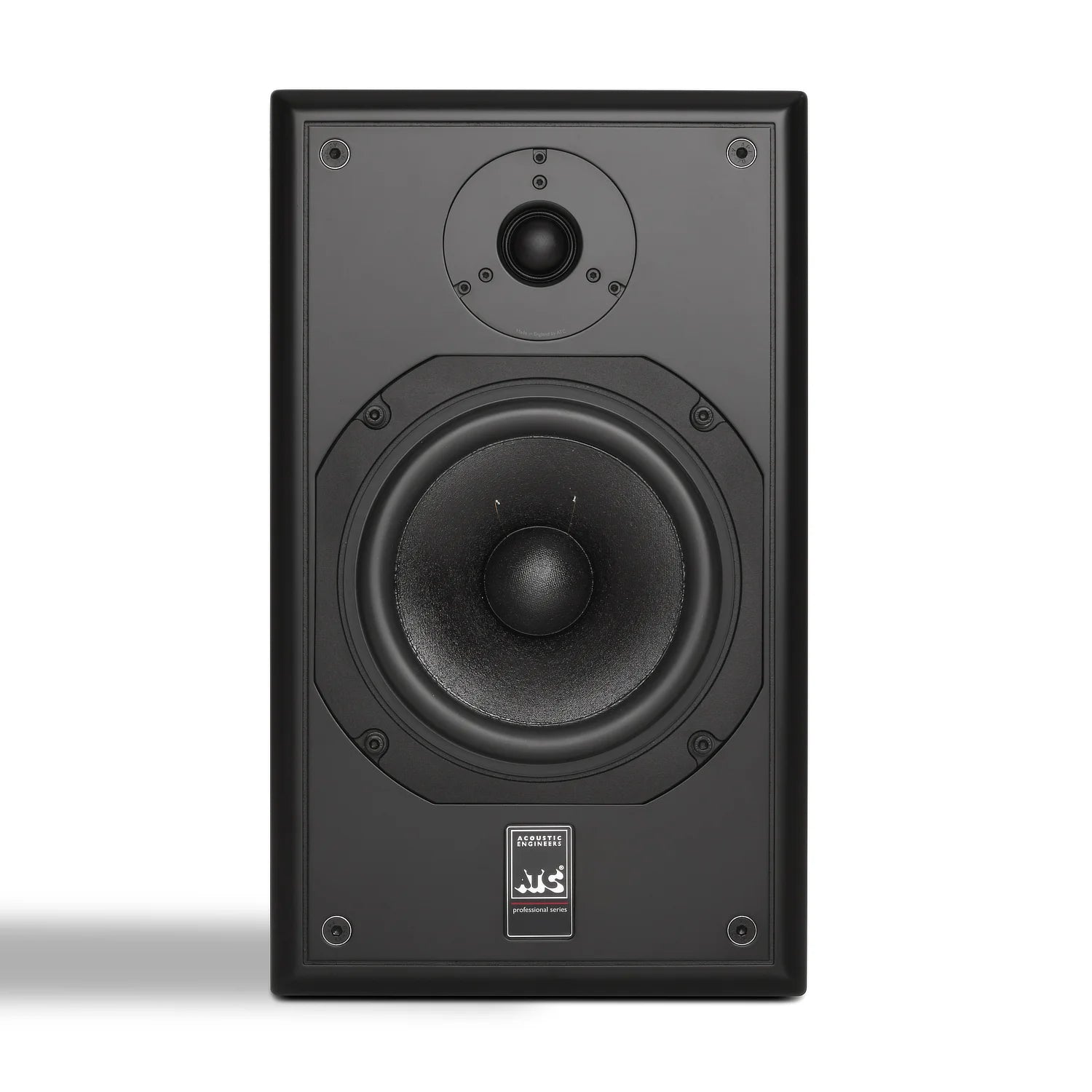
Passive monitors dominate larger, purpose-built rooms where the acoustic design already accounts for a specific amplifier chain — ATC SCM12P Pro is a classic example, built to be driven by ATC's own amplification for a known, repeatable result. Passive reference cubes like Avantone Pro CLA-10 are also the standard "mix-check" speaker — small, deliberately imperfect, and used specifically to hear how a mix translates to average consumer speakers.
Where to start
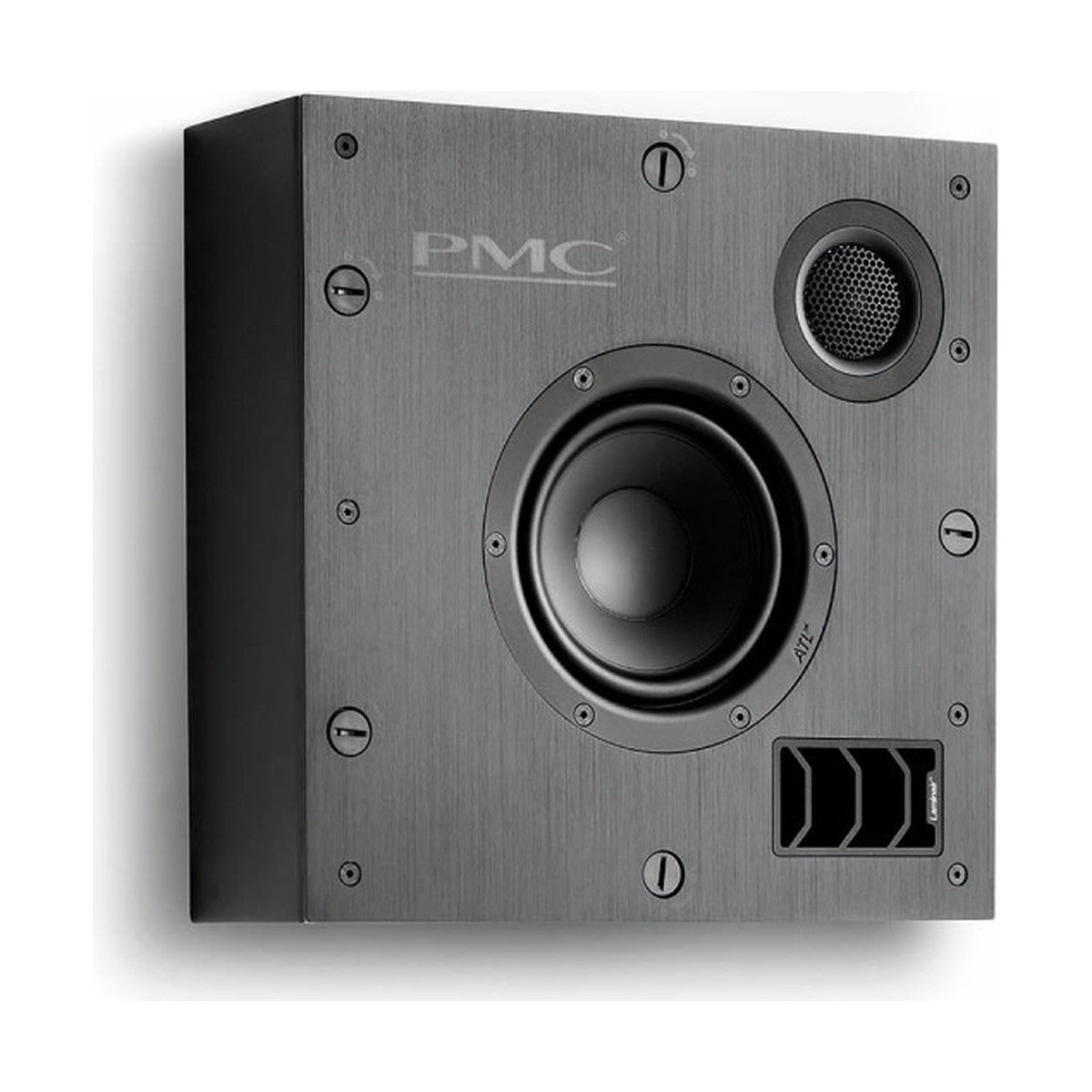
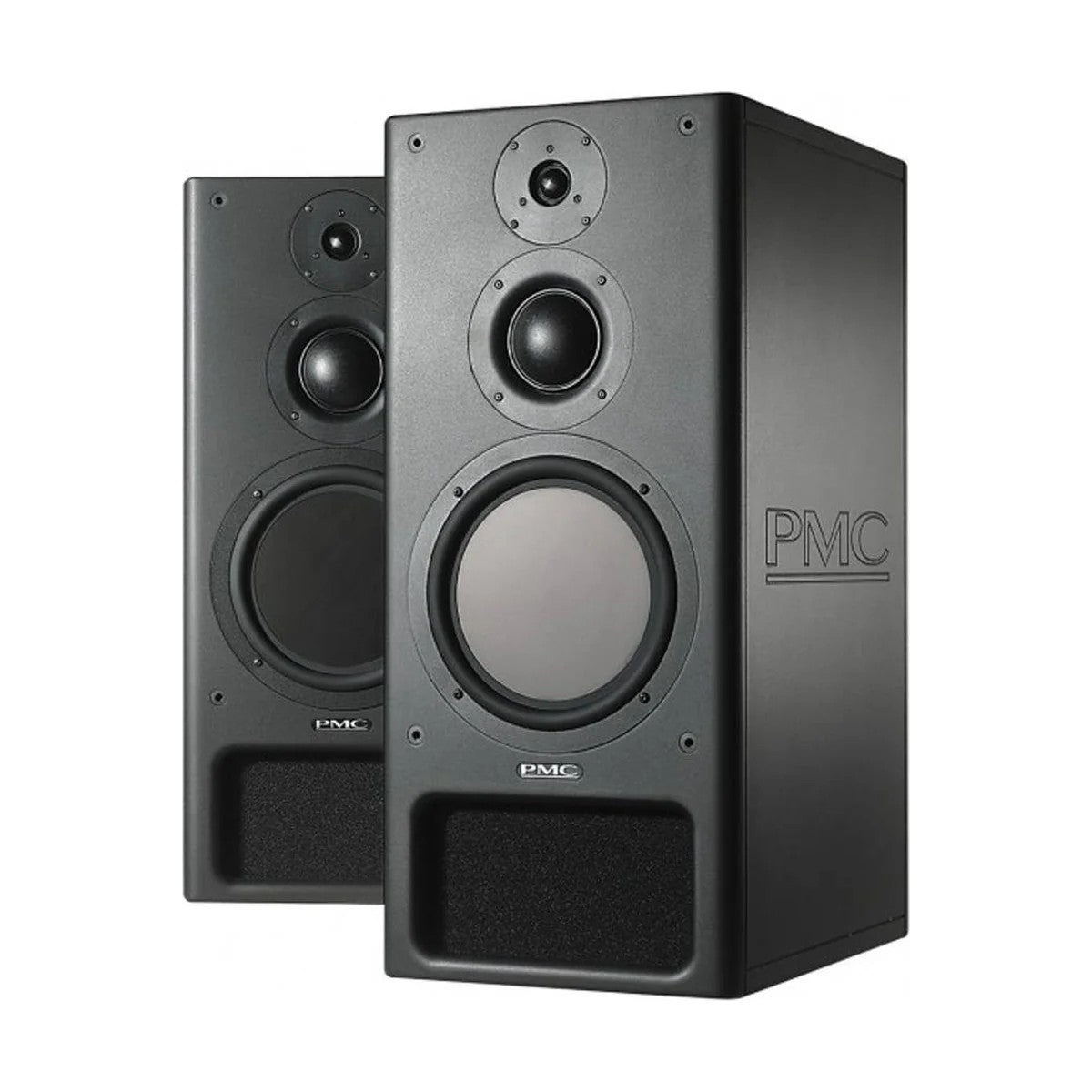
Building a serious reference room and want to choose your own amplifier chain? ATC SCM12P Pro is a proven starting point. Need a mix-check reference to complement your main monitors? Avantone Pro CLA-10 is exactly what it's built for. Installing monitors into a wall or ceiling? PMC ci30 is designed for that specific application.
The brands we carry
We carry ATC, PMC, Avantone Pro and Auratone.
Hear it in our Warsaw showroom
The biggest difference between us and a mail-order shop: you can hear the gear before you buy it. Our showroom at Nowogrodzka 6A/102 in Warsaw is there so you can try it on your own material, not a shop demo. Book a visit or just swing by — we'll help without the sales pitch. Call: +48 573 580 840.
FAQ
Why would I choose passive over active monitors?
For full control over the amplifier stage — matching a specific amp's character to the drivers, or standardizing on one amplification chain across multiple speaker pairs in an installed room.
What's a mix-check or reference speaker for?
It deliberately reproduces sound closer to an average consumer speaker than a flat reference monitor does, so you can hear how a mix will translate outside a treated studio room.
Do passive monitors need a specific amplifier?
They need one matched in power and impedance to the drivers — check the manufacturer's recommended range. The wrong amplifier can underpower the speaker or risk damaging it.
Guides & related
See also: Active Monitors · Studio Subwoofers · Monitor Controllers