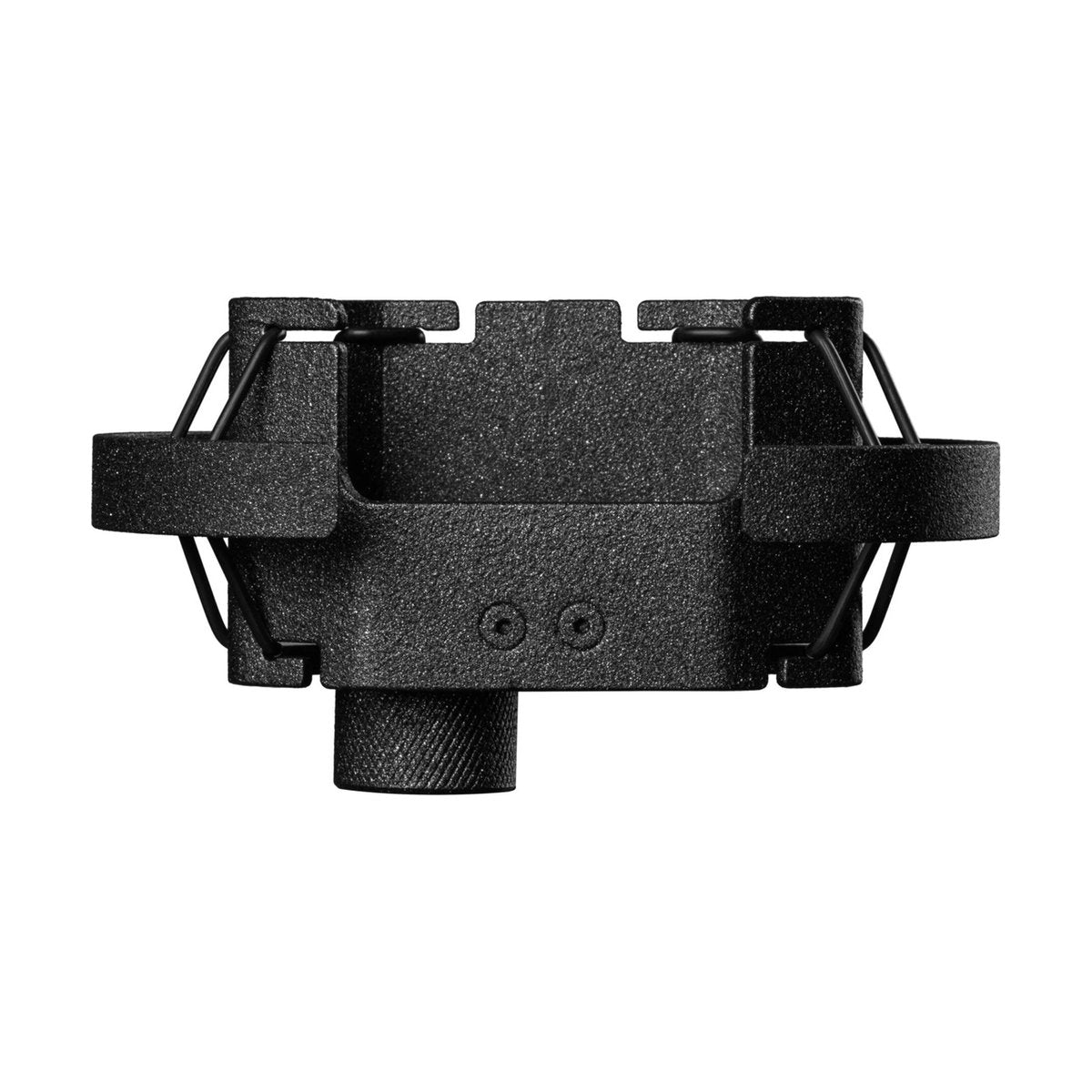
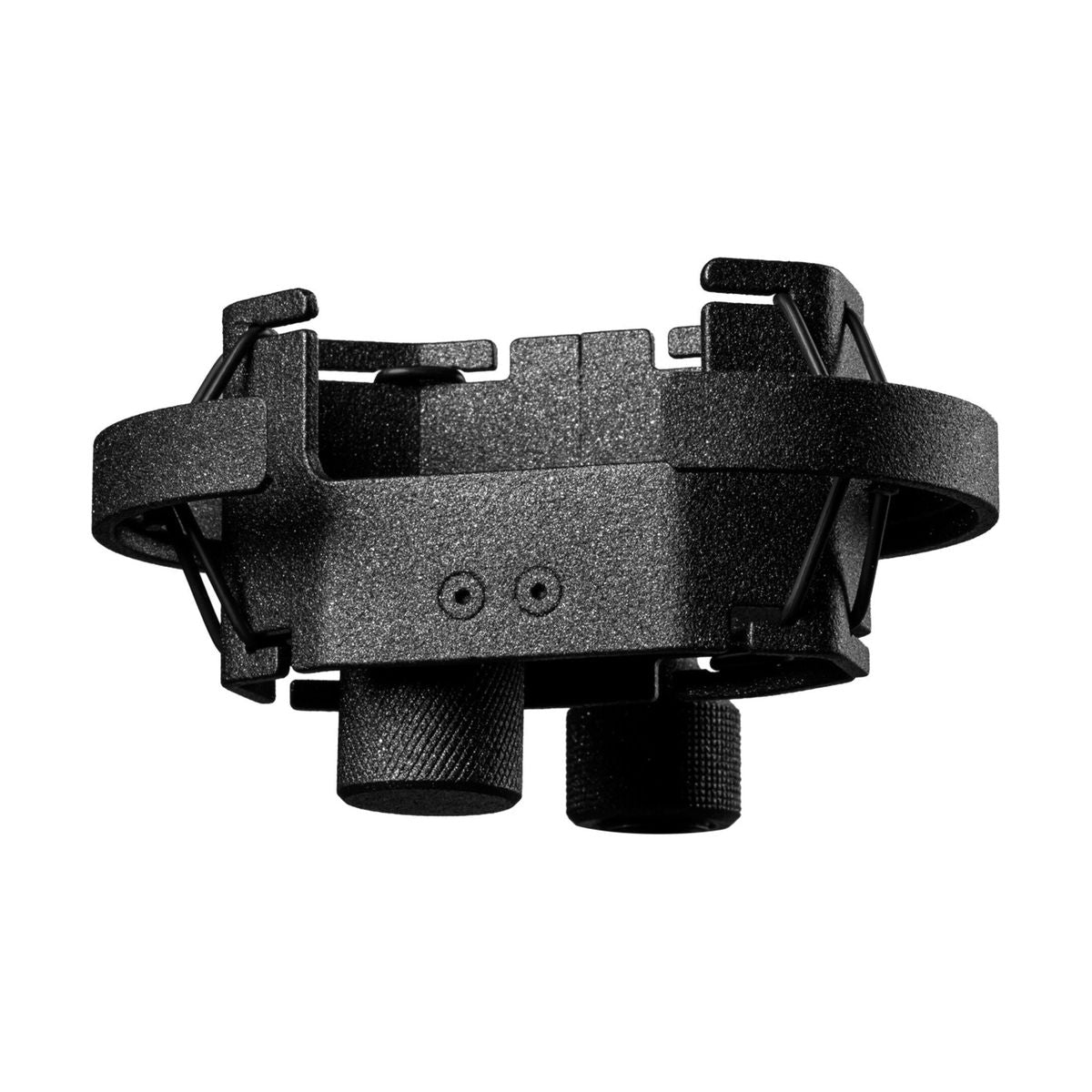
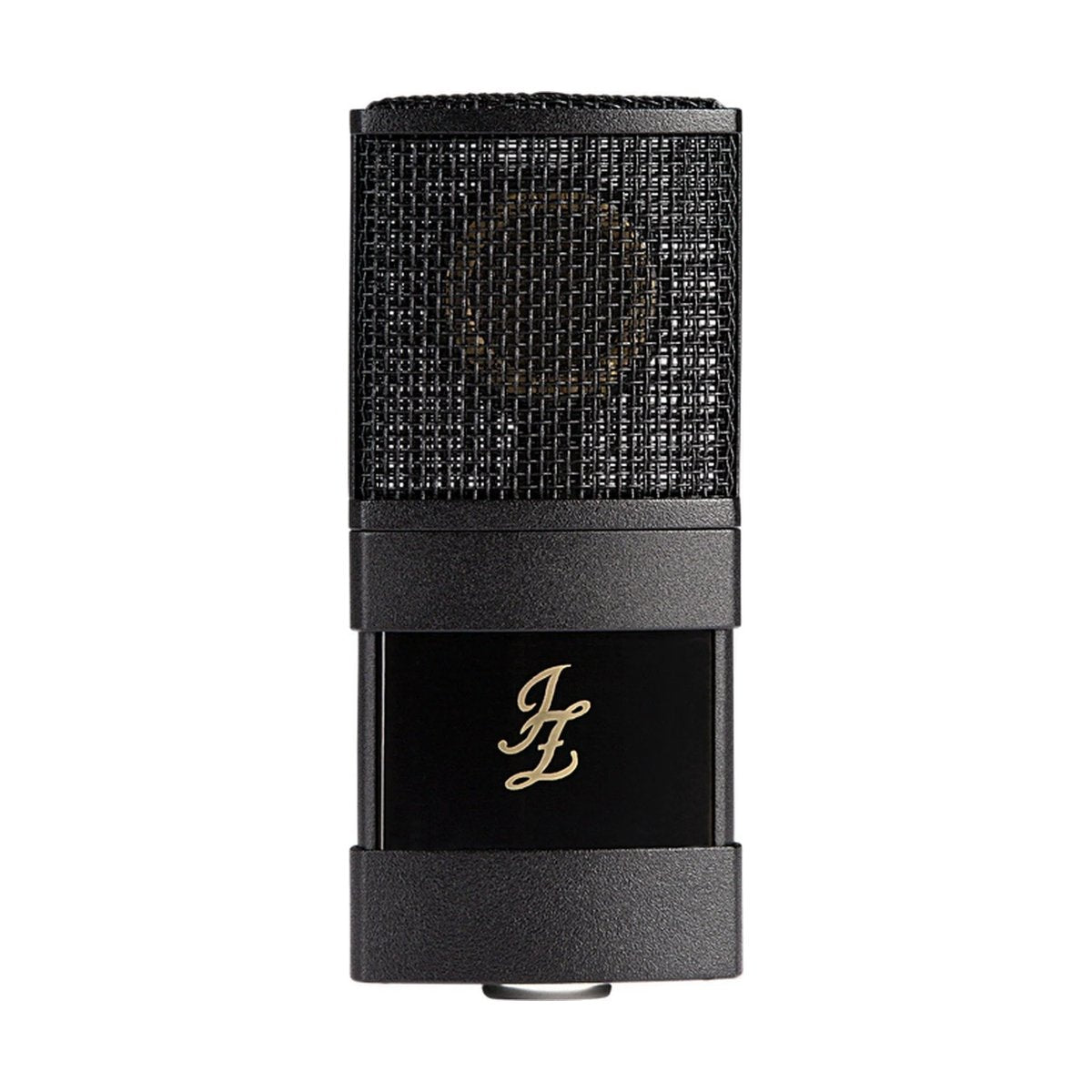
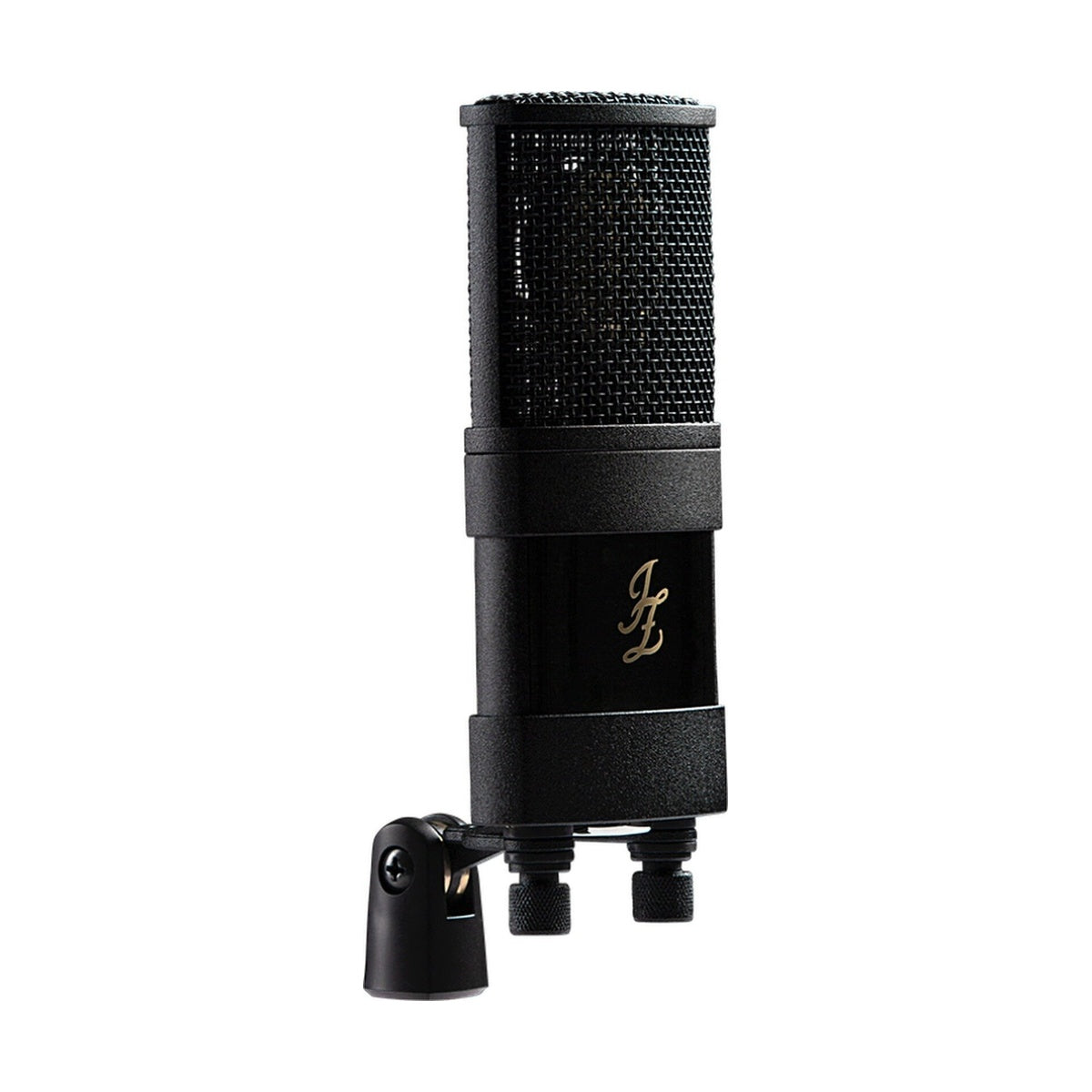
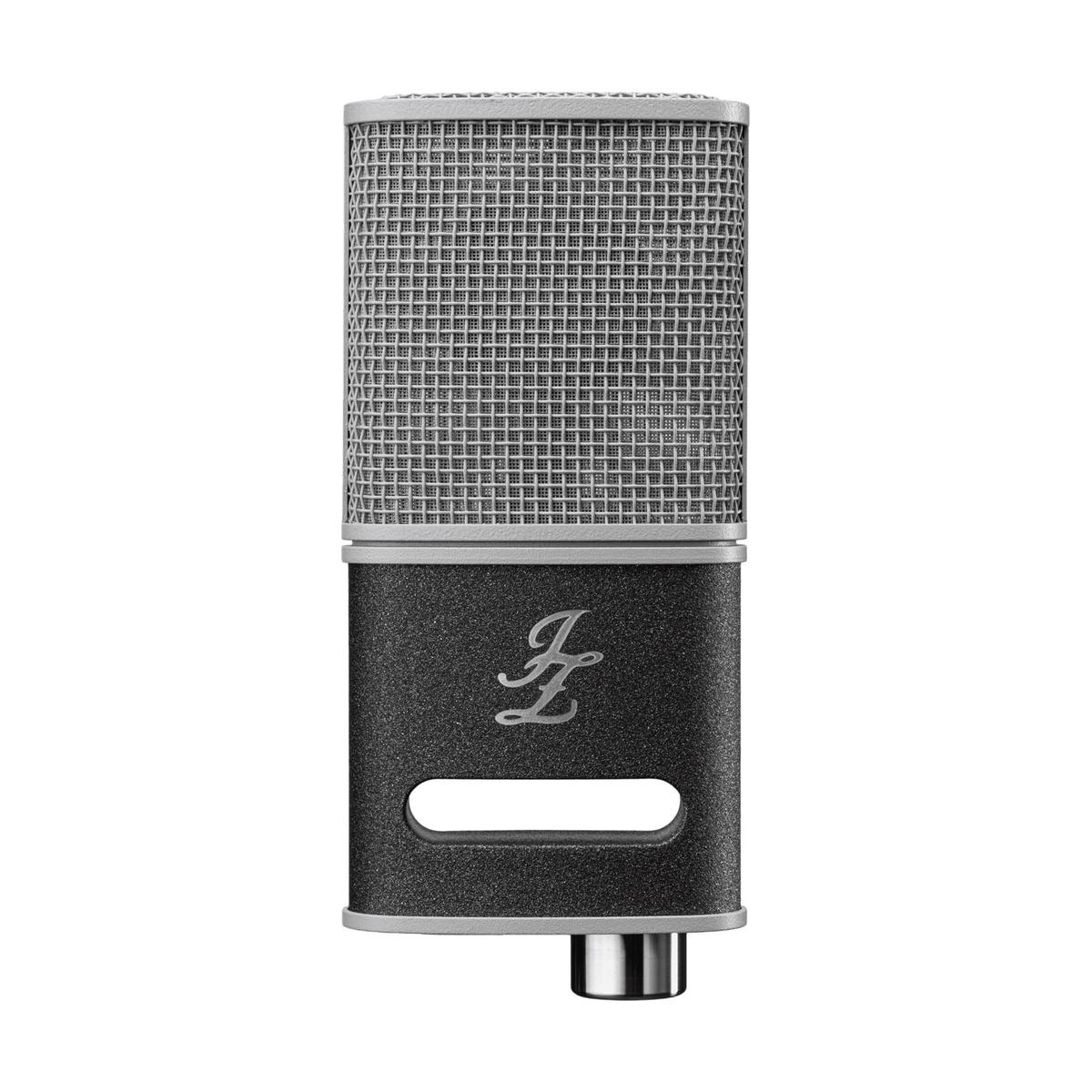
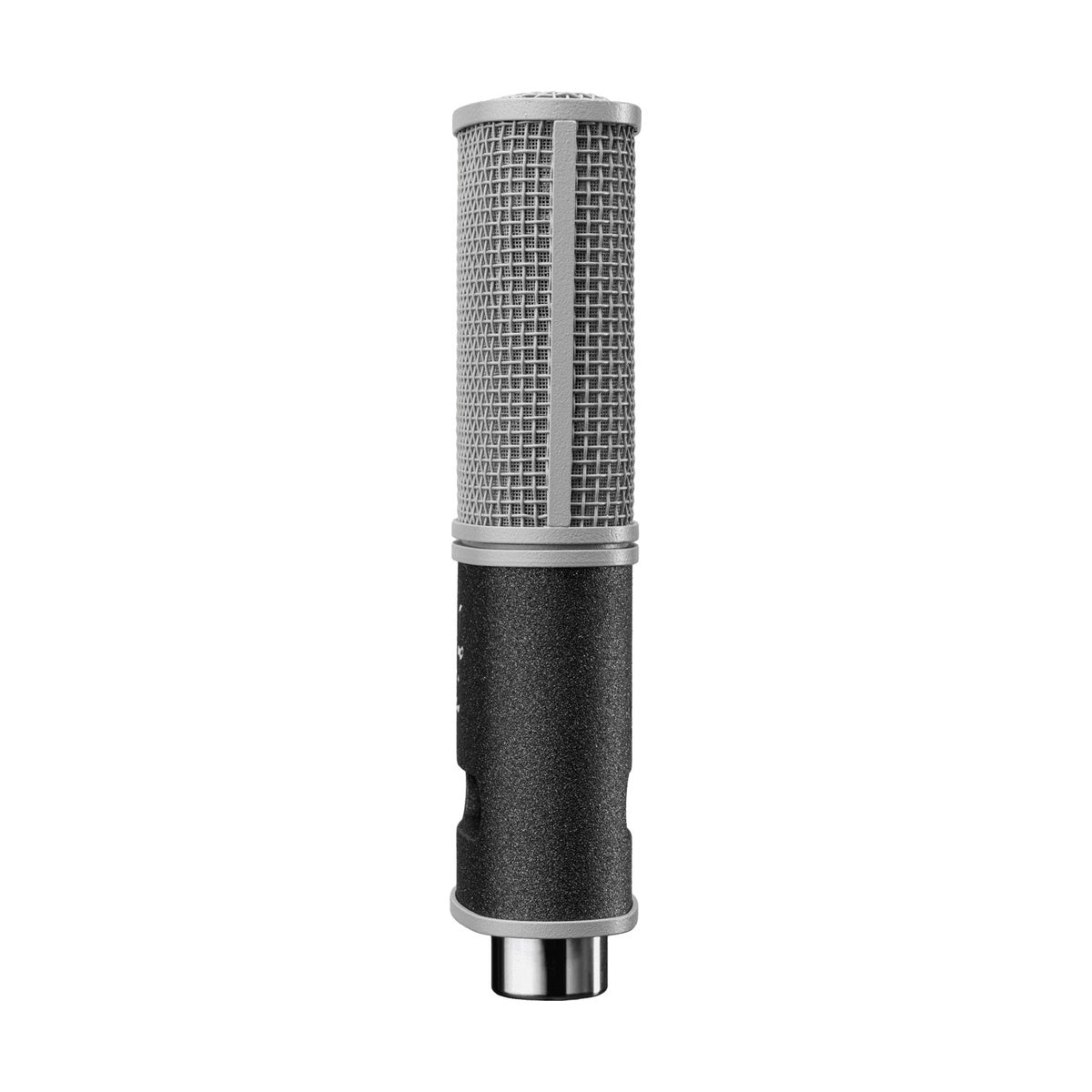
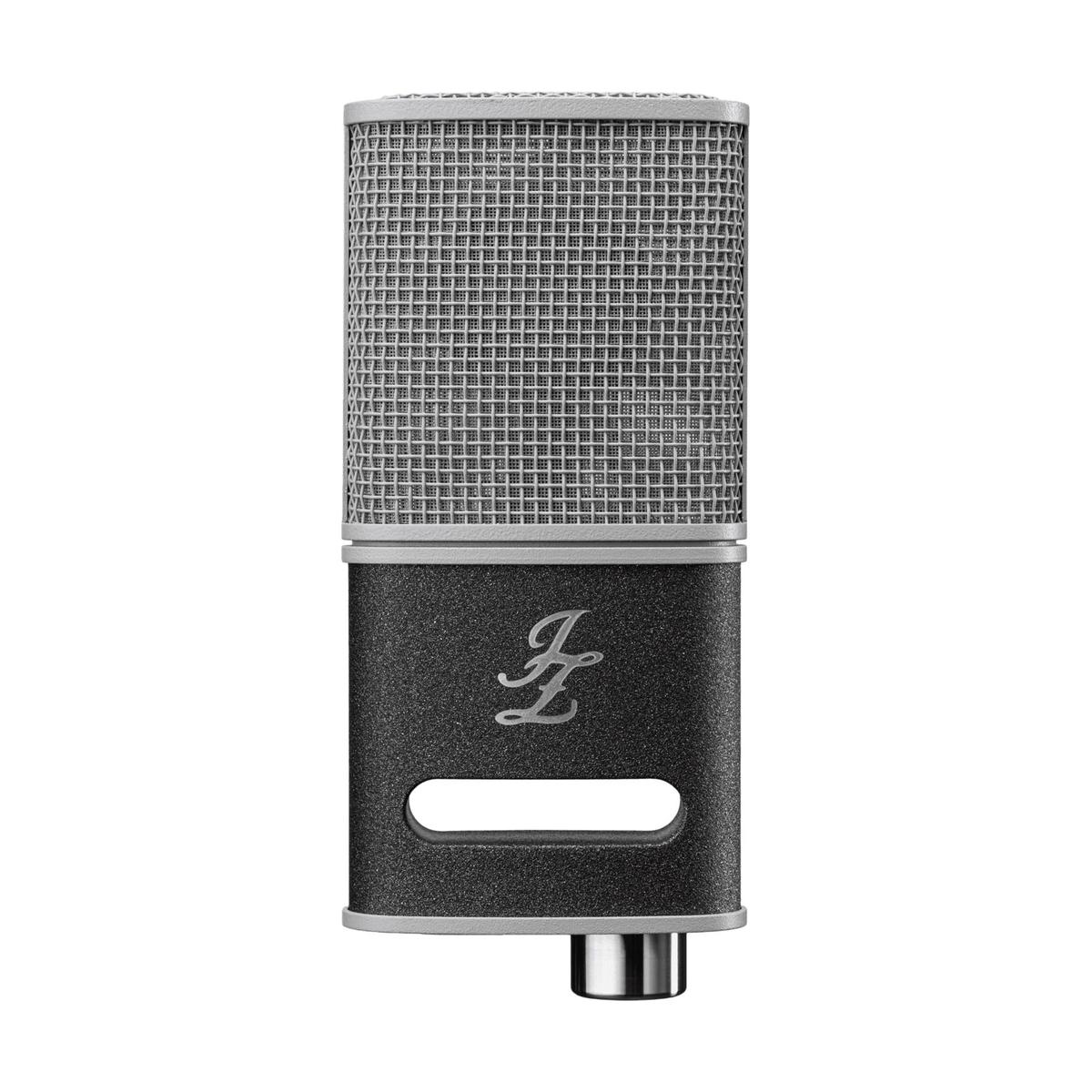
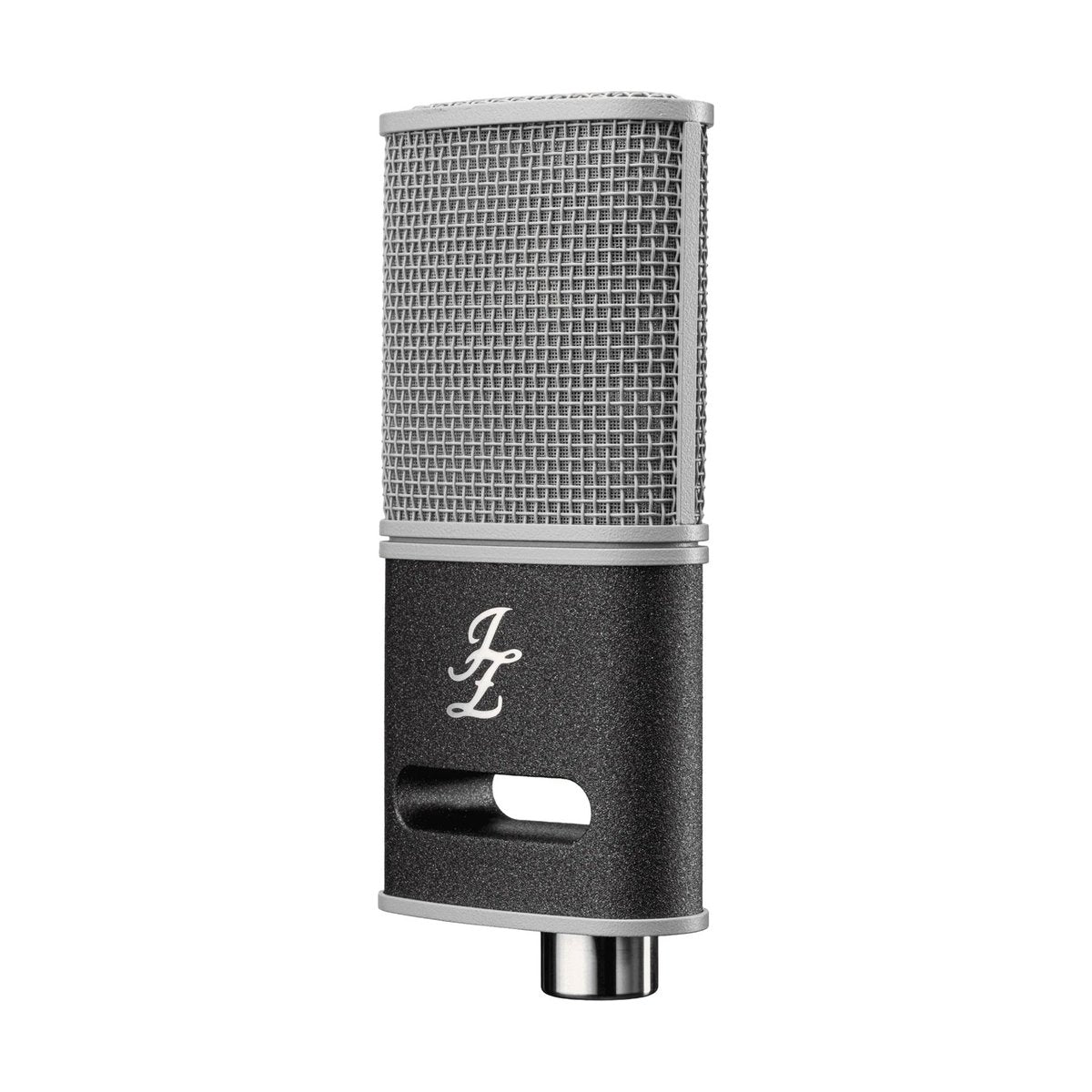
JZ Microphones is a Latvian builder of hand-assembled large-diaphragm condensers. The technical thread running through the whole range is the Golden Drop capsule: gold is sputtered onto the diaphragm in small circles instead of one continuous layer, which lowers diaphragm mass — the manufacturer links that to a faster transient response. The second thread is mechanical. On the Vintage and Black Hole models the shockmount lives inside the body, so the mic screws straight onto a stand with no external cradle to buy.
Who it is for
- Home and project studios recording vocals and acoustic sources — the whole range sits between 6 and 7,5 dB(A) of self-noise, so a quiet source pushed hard by the preamp does not drag the noise floor up with it.
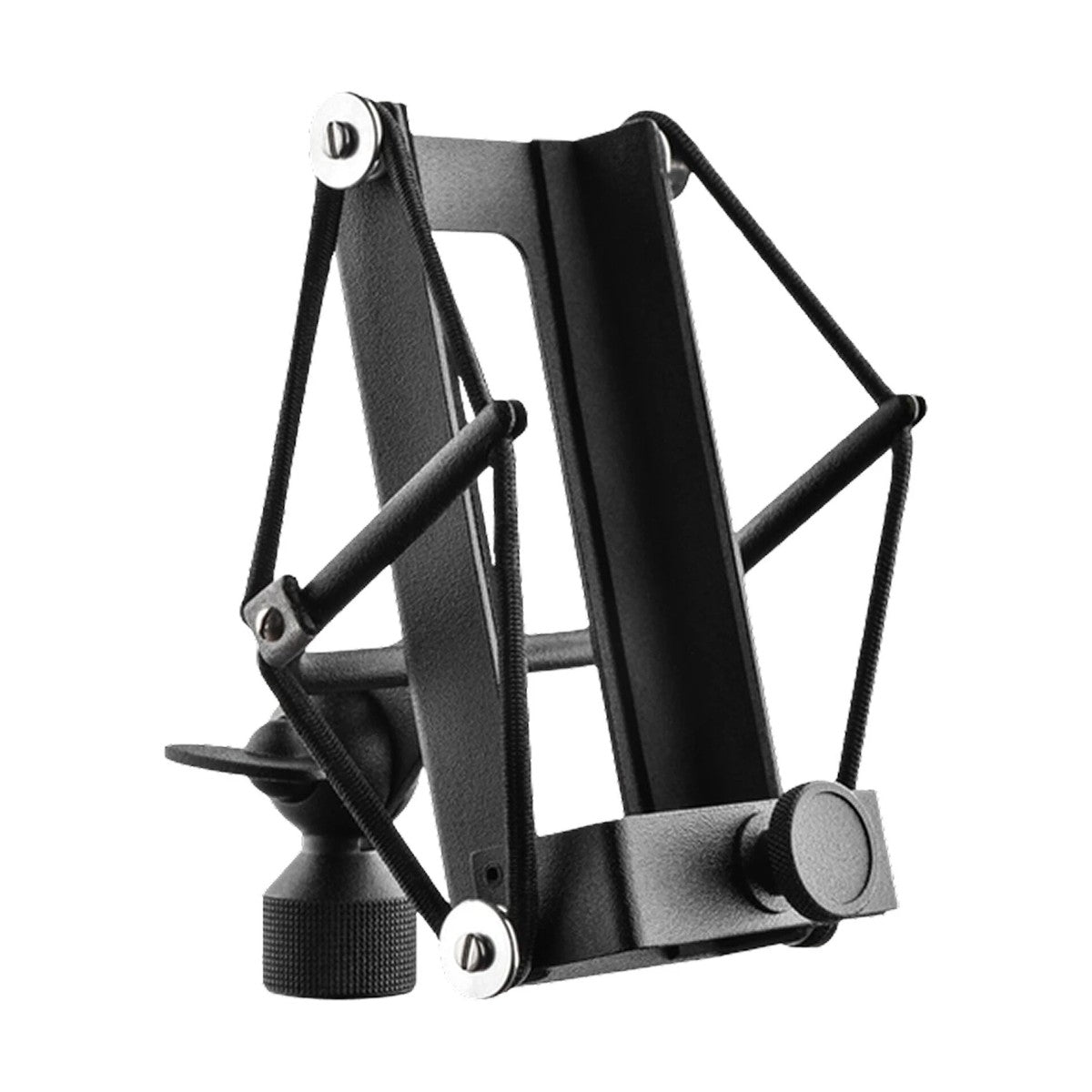
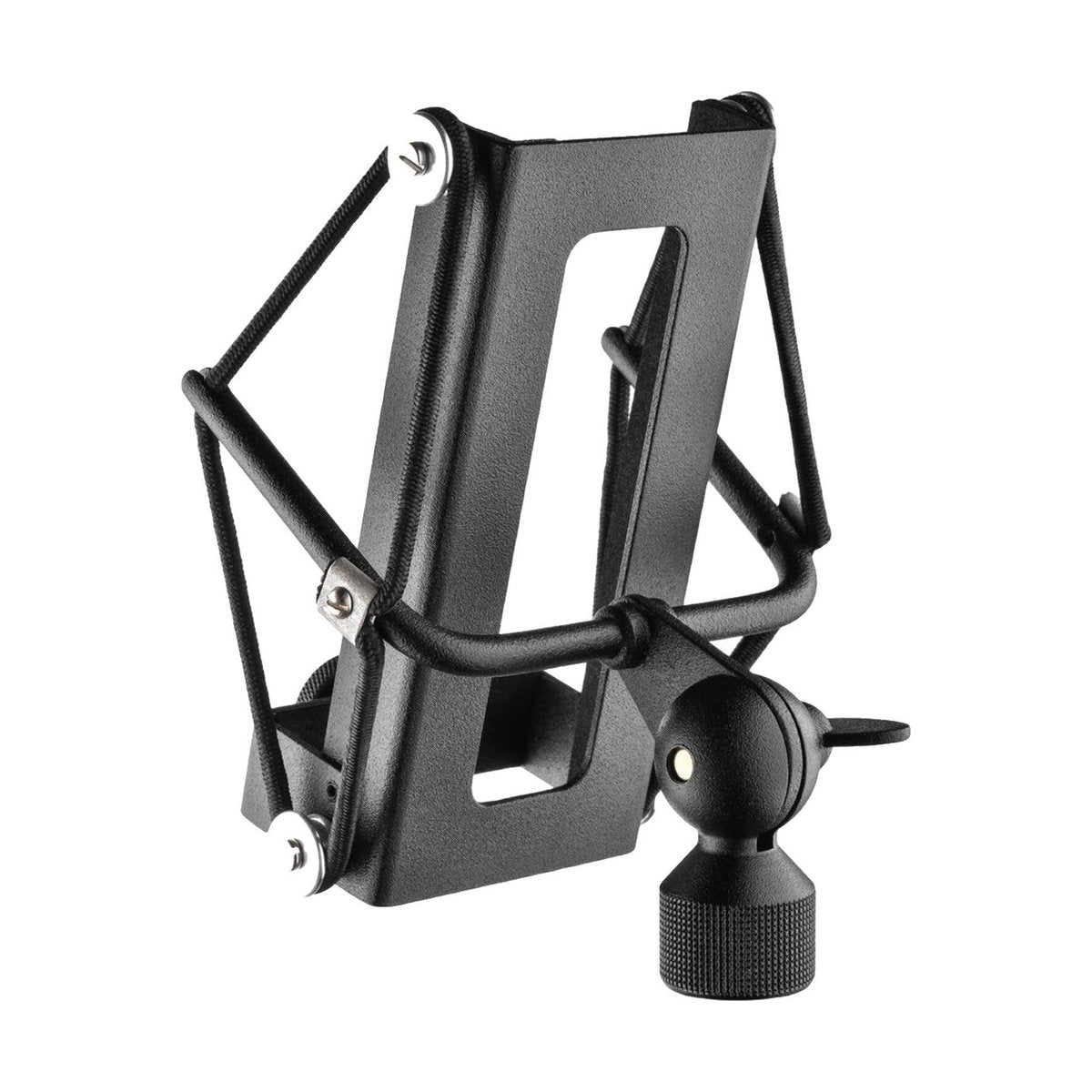
- Tight control rooms and awkward mic positions — the built-in shockmount saves the 15 cm an external cradle would take. That is often the difference between the mic fitting under a piano lid or over a snare and not fitting at all.
- Anyone who wants the character of the classics without a valve — the models that reference tube classics (V12, V47, V67) run discrete Class A circuits instead. No warm-up, no valve service, and the same tone on Monday and on Thursday.
- Not for someone hunting one transparent, measurement-grade mic — outside the Black Hole series every model here is voiced for a specific character. Choosing means matching a colour to a source, not looking for neutrality.
The series
- Vintage — V11, V12, V47 and V67. Four distinct voicings referencing classic studio designs, all on discrete Class A circuitry.
- Black Hole — BH1s and BH2, recognisable by the cut-out body with the capsule suspended inside it. The manufacturer describes the series as modern, neutral and built to suit any source.
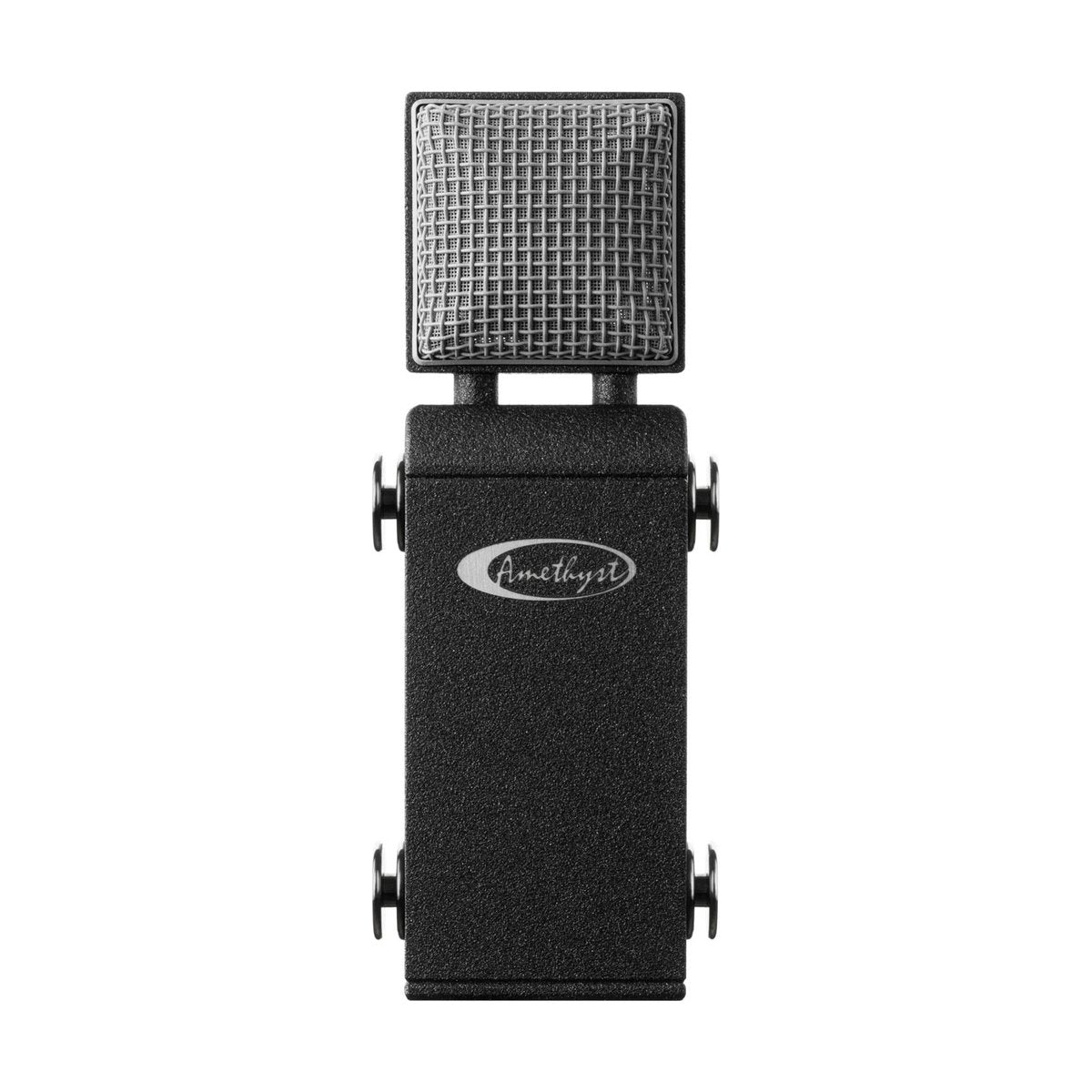
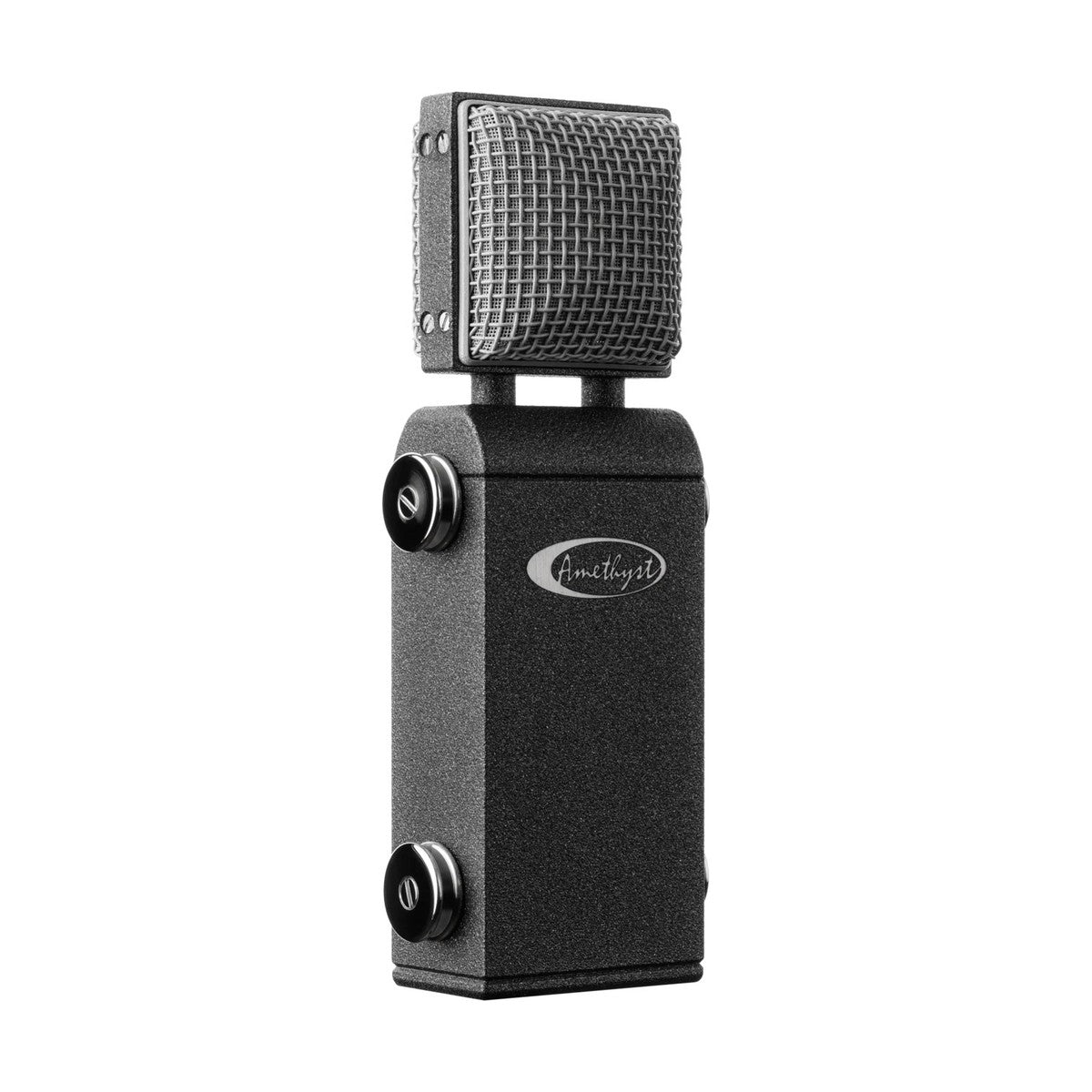
- The Amethyst — the smallest and lightest body in the range at 350 g.
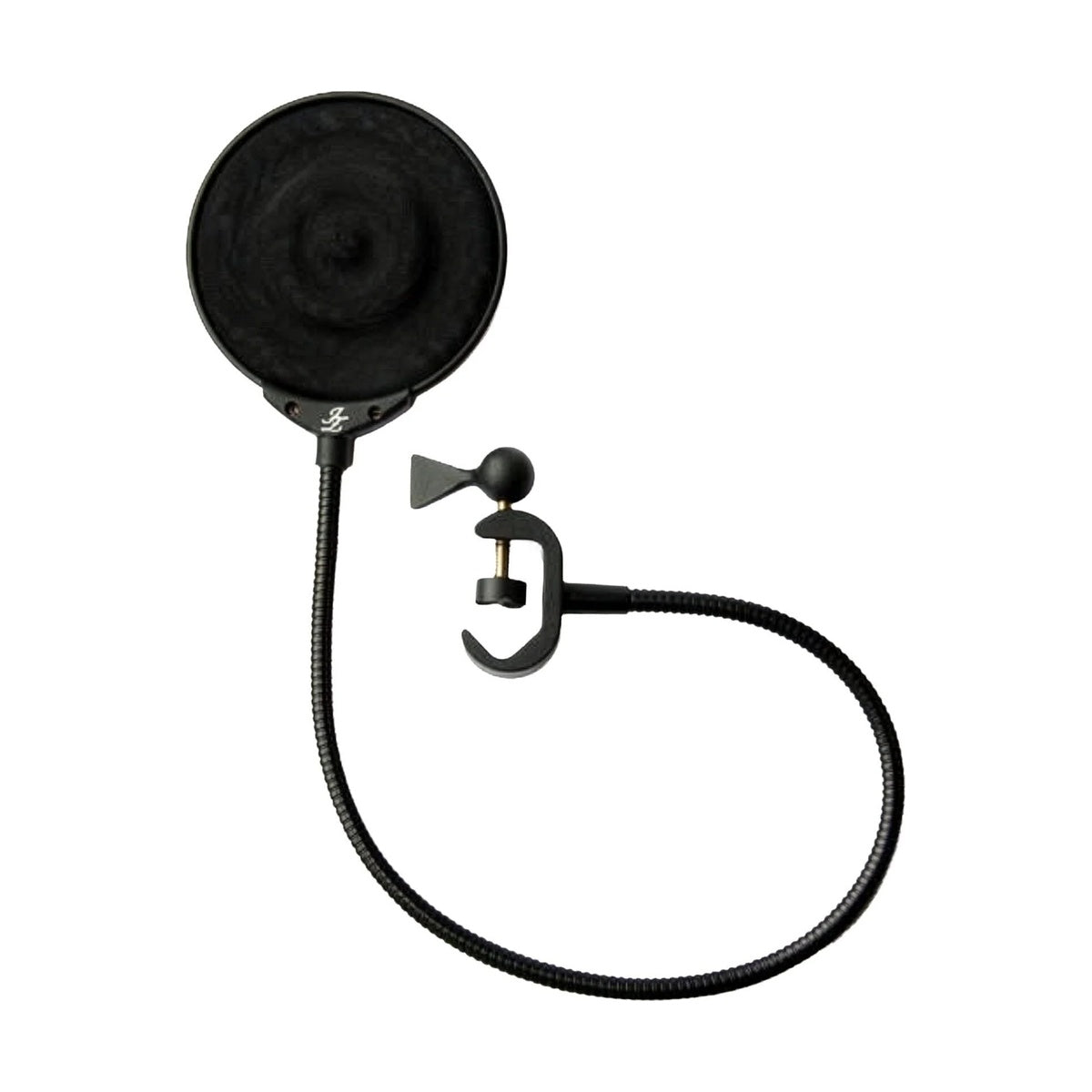
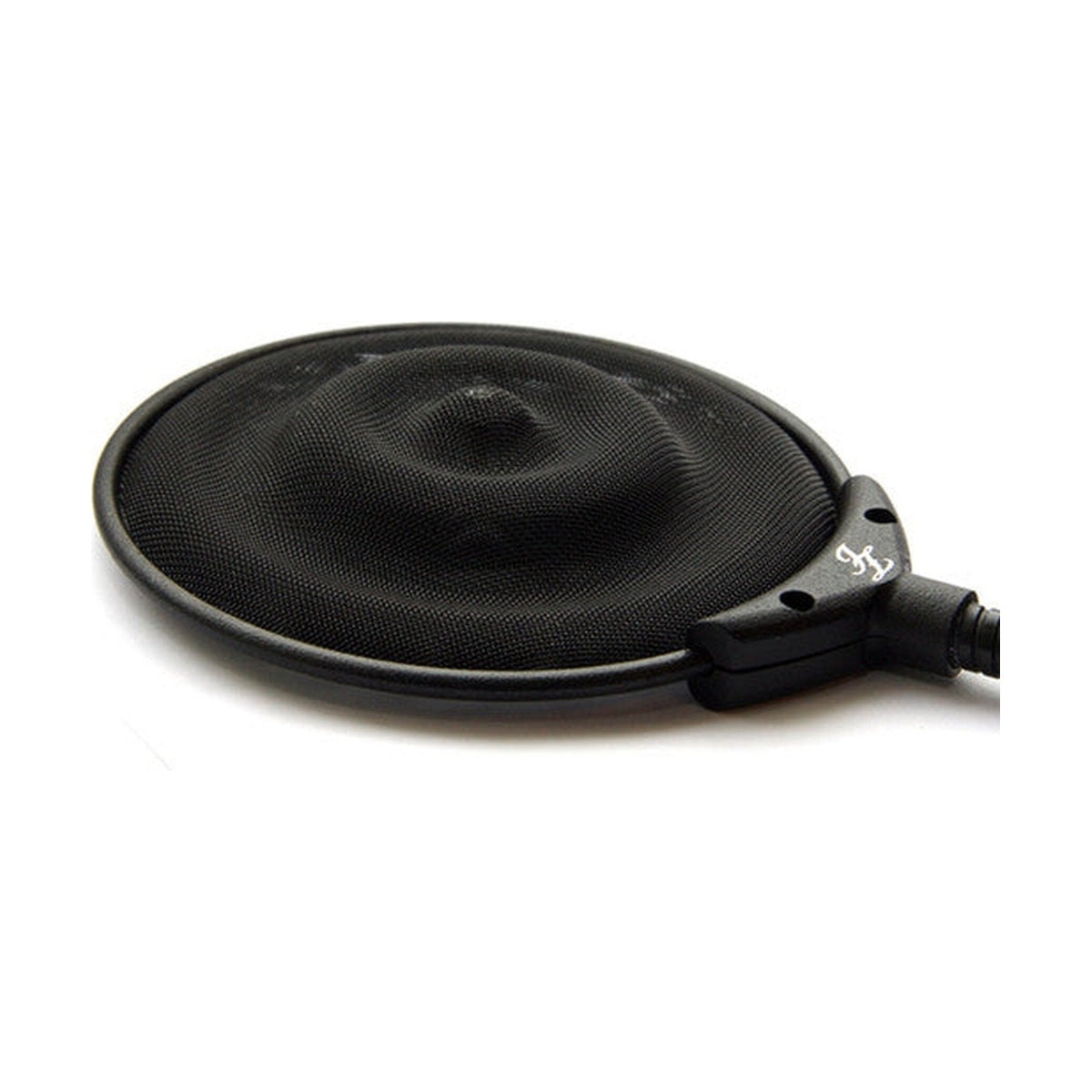
- Accessories — the VSM-II shockmount for the Vintage series, the Black Hole shockmount and a pop filter.
How the models differ
| Model | Capsule and pattern | Voicing per the manufacturer | Self-noise | Typical use |
|---|---|---|---|---|
| Vintage 11 | Golden Drop 27 mm, cardioid | The boldest low-end content in the range; no lifted top to fake air | 6,5 dB(A), 128 dB dynamic range | Acoustic instruments, overheads, room |
| Black Hole 2 | Golden Drop 27 mm, cardioid only | Modern, neutral, versatile; single capsule and a shorter signal path | 6,5 dB(A), 128 dB dynamic range | Quiet sources: fingerstyle, whispered vocals, piano from a distance |
| Vintage 47 | Golden Drop 25 mm, cardioid | Warm and present, slightly gritty, darker than the rest of the series | 6 dB(A), 134 dB max SPL | Vocals, kick, overheads, room |
| The Amethyst | Golden Drop 25 mm, cardioid | A little brighter than the V67 with less low end; 350 g body | 7 dB(A), 127 dB dynamic range | Vocals, strings, piano, cramped mic positions |
| Black Hole 1s | Dual Golden Drop 2 × 27 mm; cardioid, omni, figure-8; −10 and −20 dB pad | The same neutrality as the BH2, with the pattern selectable on the body | 7,5 dB(A), 134,5 dB max SPL | Blumlein, two people facing each other, room capture, loud sources |
| Vintage 12 | Golden Drop 25 mm, cardioid | A gentle scoop in the upper mids with air on top; Sound on Sound measured roughly a 2 dB dip near 2 kHz and a broad 8–9 kHz lift | 6 dB(A), 134 dB max SPL | Vocals in dense arrangements, electric guitar |
| Vintage 67 | Golden Drop 25 mm, cardioid | Set between warm and bright, with no pronounced lifts | 6 dB(A), 128 dB dynamic range, 134 dB max SPL | Vocals, guitar cabinet, horns, overheads |
Which one to take
- A first serious condenser for a home studio — the Vintage 11. With no lifted top, vocals and acoustic guitar sit in the track without rescue EQ, and 6,5 dB(A) keeps the floor down when you work at a distance.
- Vocals that need to be warm and darker, tape-like — the Vintage 47. It is the darkest and grittiest voicing in the Vintage series, and with 134 dB max SPL the same mic goes in front of a guitar cab without a pad.
- One mic across four different sources — the Vintage 67. A Tape Op reviewer put it on a guitar cabinet, over a kit, on tenor sax and on male vocals. The lack of pronounced lifts is what makes that possible.
- A vocal that disappears under the guitars — the Vintage 12. The scooped upper mids leave room for guitars and snare, and the 8–9 kHz lift supplies air without reaching for a shelf.
- The mic has to fit under a piano lid or onto a light boom — the Amethyst. At 350 g a light stand holds it without extra counterweight. Note that no external cradle ships in the standard package.
- You need cardioid, figure-8 and omni in one body — the Black Hole 1s. The pattern switches on the body, and the two-stage −10 / −20 dB pad drops the level before the preamp input rather than after it.
- Very quiet sources, and you would rather not add a cradle — the Black Hole 2. One capsule and a shorter path give 6,5 dB(A) instead of the 7,5 dB(A) of the multi-pattern BH1s, and the capsule hangs inside the cut-out body.
See also: condenser microphones and microphone accessories.
Before you choose
- Condenser vs dynamic microphone — where to start when the room is untreated.
- The best microphone for vocals — how to match a voicing to a specific voice.
- How to record vocals at home — the order in which the gear is worth adding.
Why buy here
In our Warsaw showroom (Nowogrodzka 6A/102) you can hear several of these models on your own voice through one signal chain. With mics that differ in colour rather than in class, that is the only comparison that actually settles the question. Selected gear qualifies for our free 30-day Test-Drive, and everything ships with 36 months of warranty and a 30-day no-reason return window. We ship across Poland and to every EU country.
About the brand
JZ Microphones builds and hand-assembles its microphones in Latvia. The brand's technical signature is the Golden Drop capsule: rather than coating the diaphragm in one continuous layer of gold, the maker sputters it in small circles. Sound on Sound describes the effect as lowering diaphragm mass, which the manufacturer ties to a faster transient response. The second decision that runs through the range is leaving the valve out where a design references a tube classic — as on the Vintage 12, where a discrete Class A circuit and a centre-terminated capsule stand in for the original's edge-terminated tube design. The payoff is practical: no warm-up, no valve to service, and the same sound in every session.