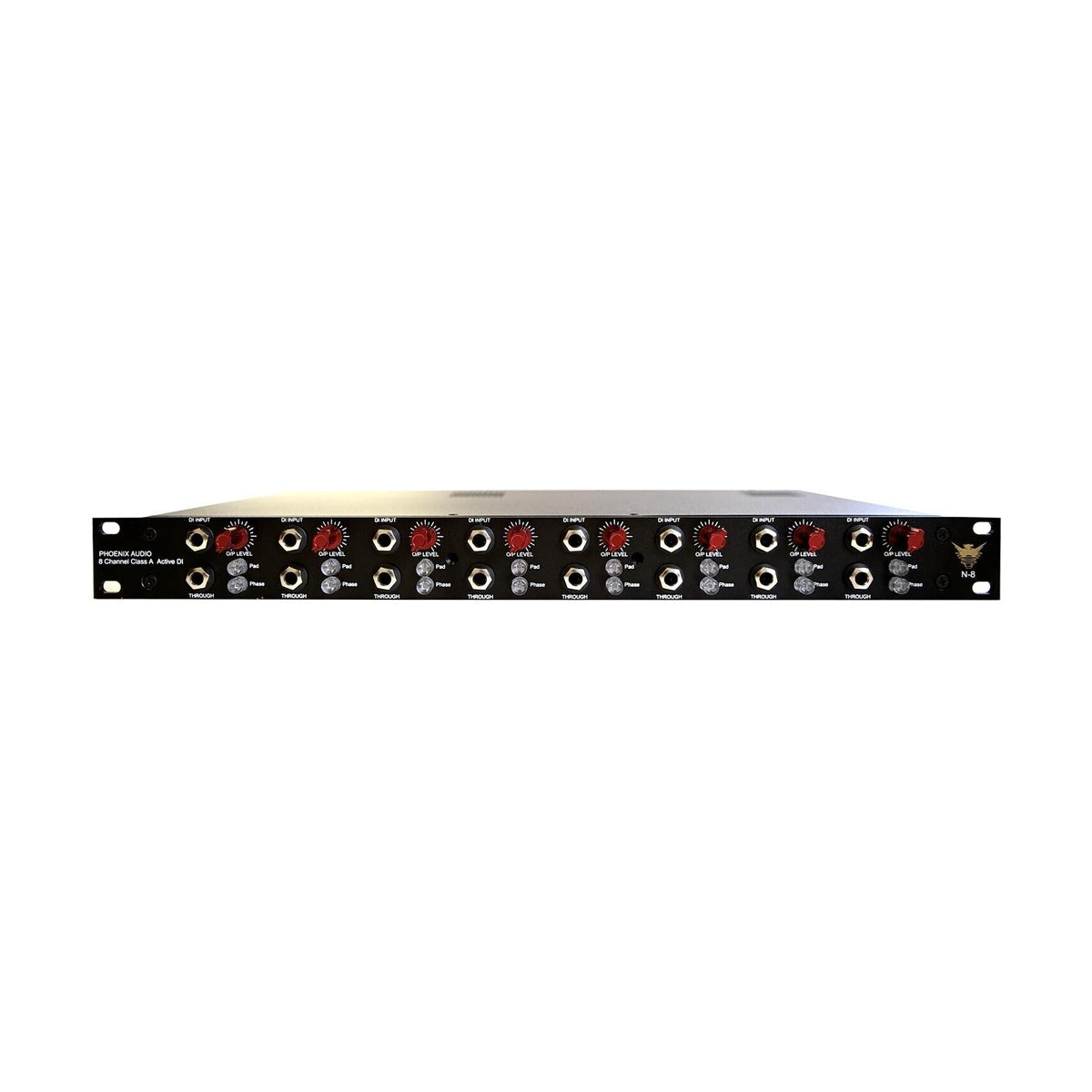
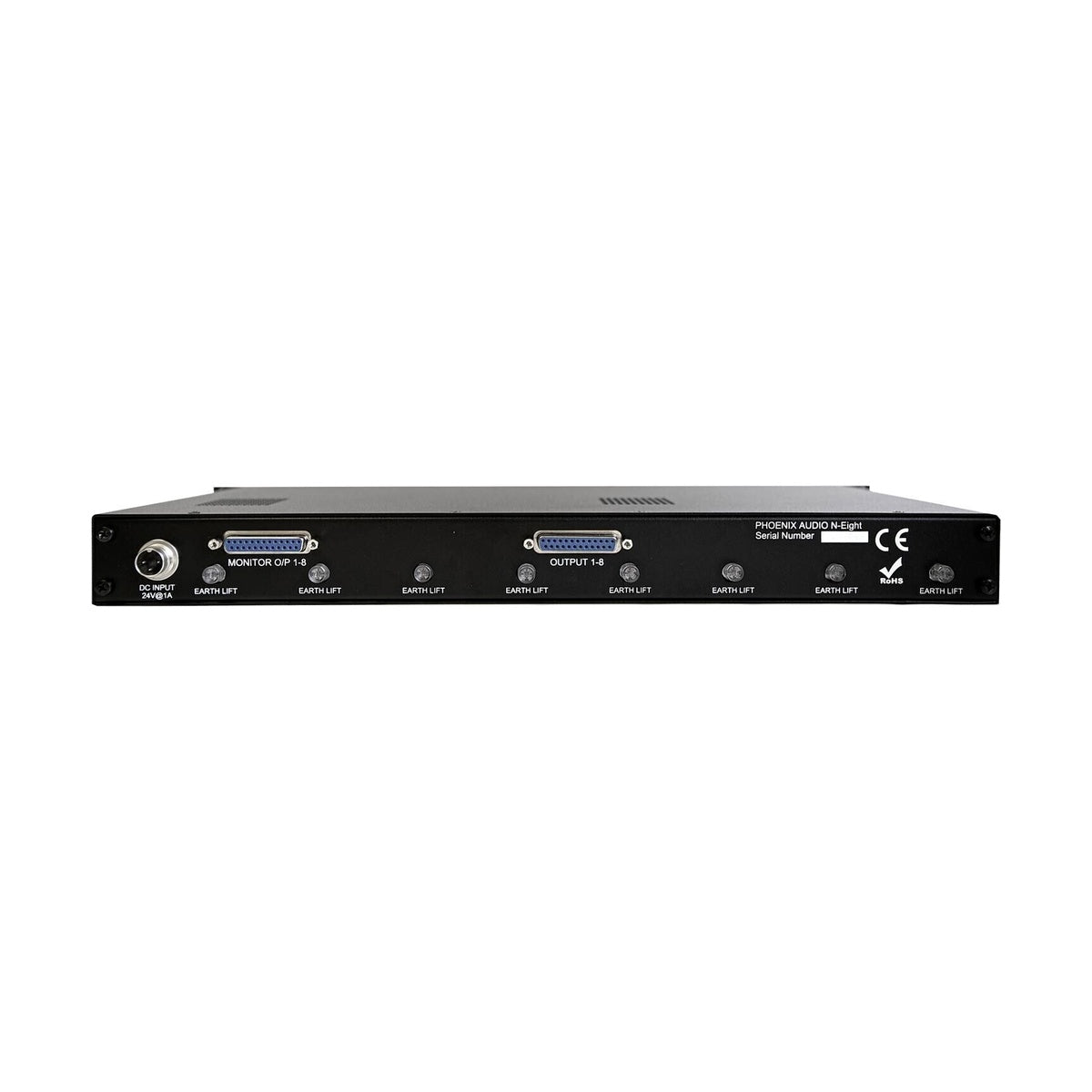
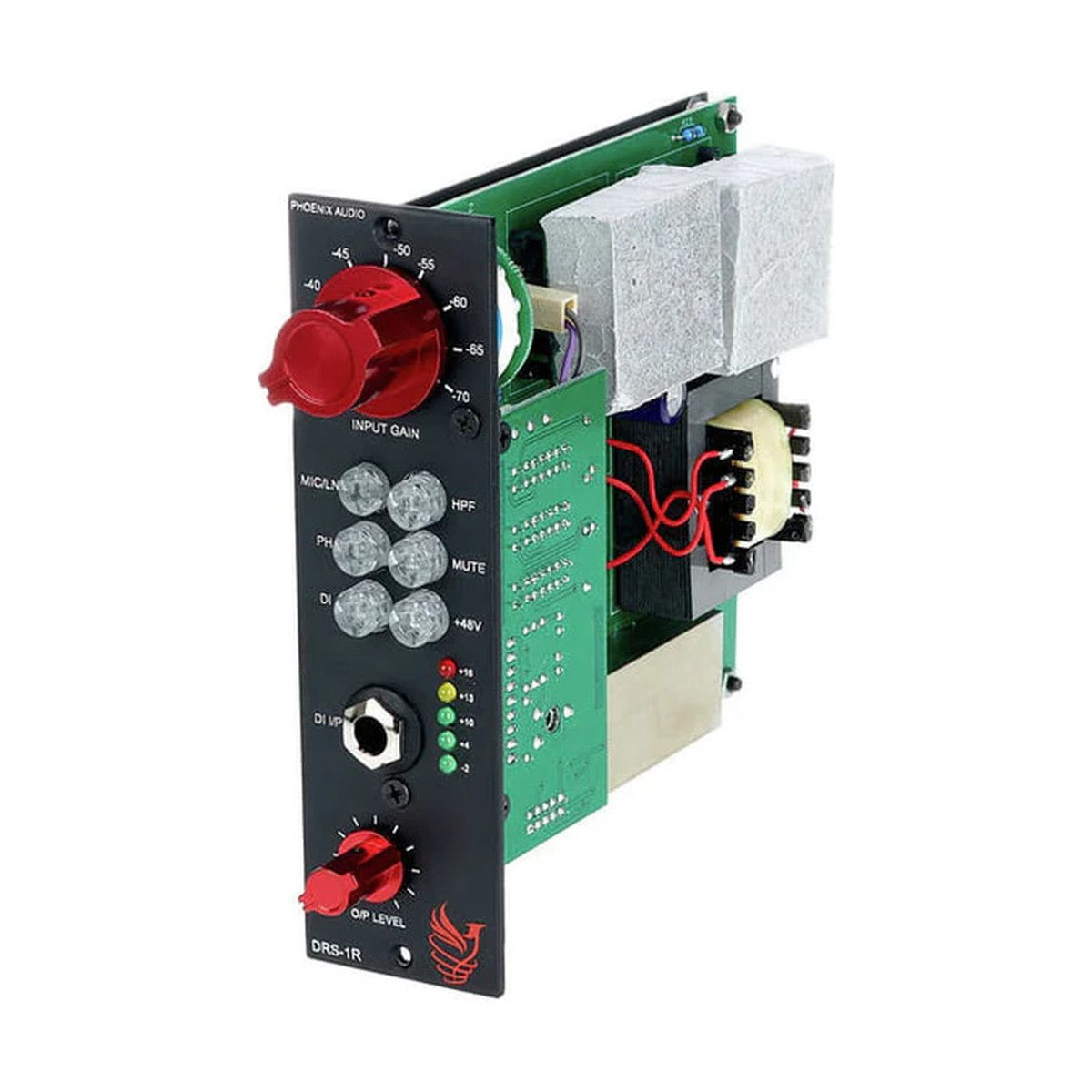
Phoenix Audio fabrique des préamplis, égaliseurs, compresseurs, boîtiers DI et mixeurs sommateurs analogiques en circuits purement classe A, soudés à la main. L'entreprise a débuté au Royaume-Uni en 1996 et est installée à Costa Mesa, en Californie, depuis 2009. La signature de la conception est l'étage de sortie DSOP-2 avec son transformateur DB694 bobiné sur mesure — la pièce qui sature quand on lui envoie un signal chaud.
À qui s'adresse Phoenix Audio
- Vous enregistrez chez vous et butez sur le plafond de votre interface — un préampli externe en classe A sur la voix ou la guitare change plus de choses qu'une interface plus chère.
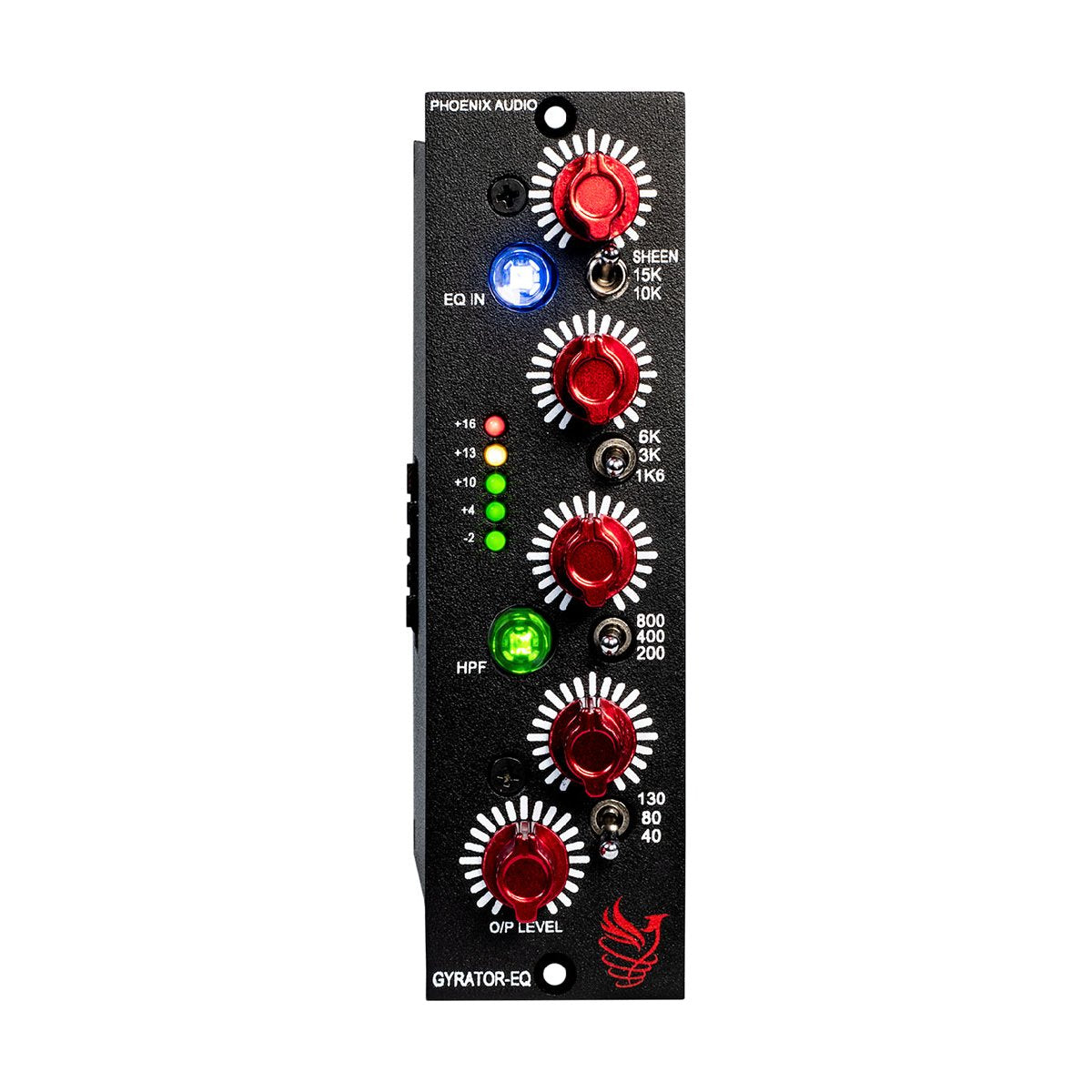
- Vous possédez un rack série 500 et choisissez des modules : Phoenix couvre préampli, égaliseur et compresseur avec gate dans ce format.
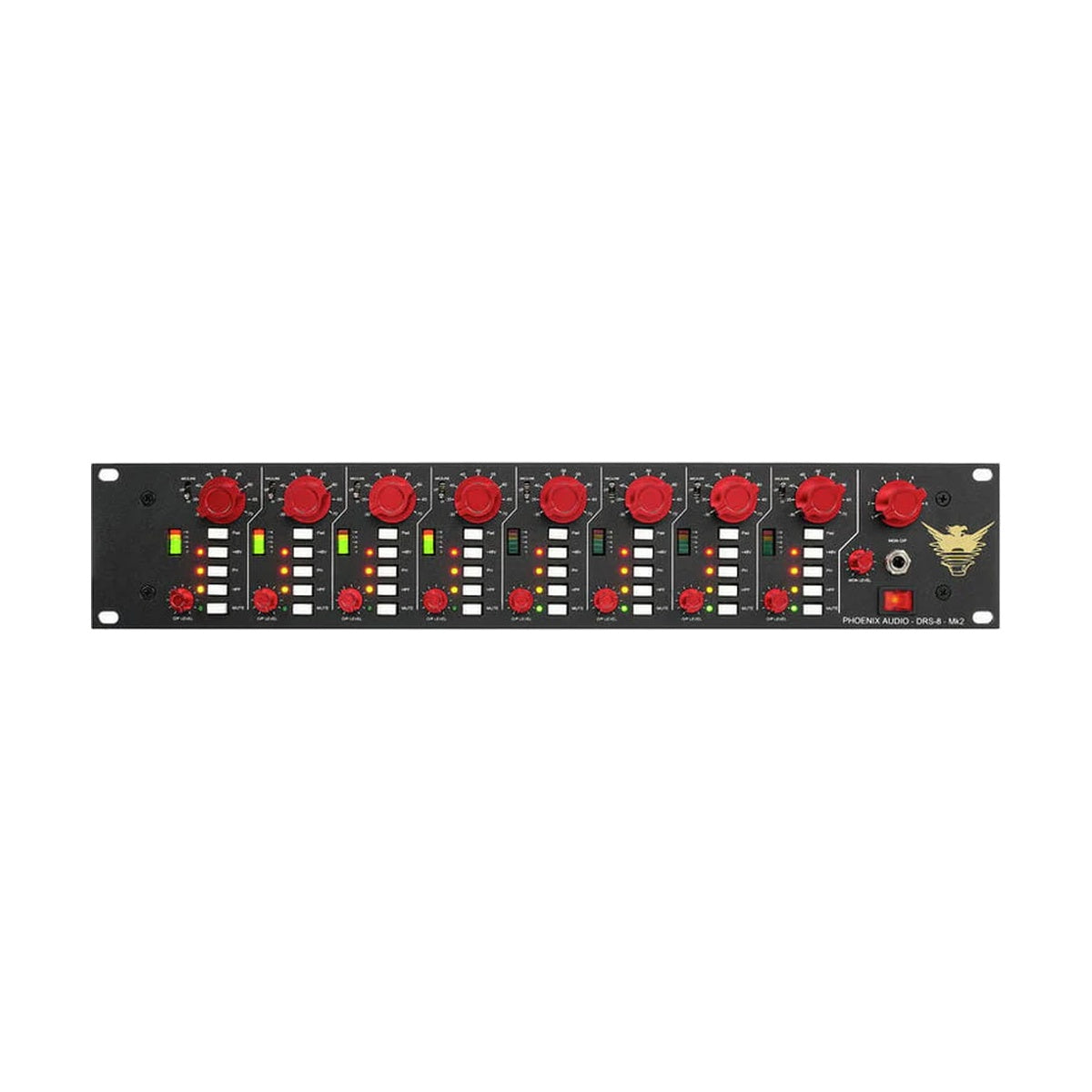
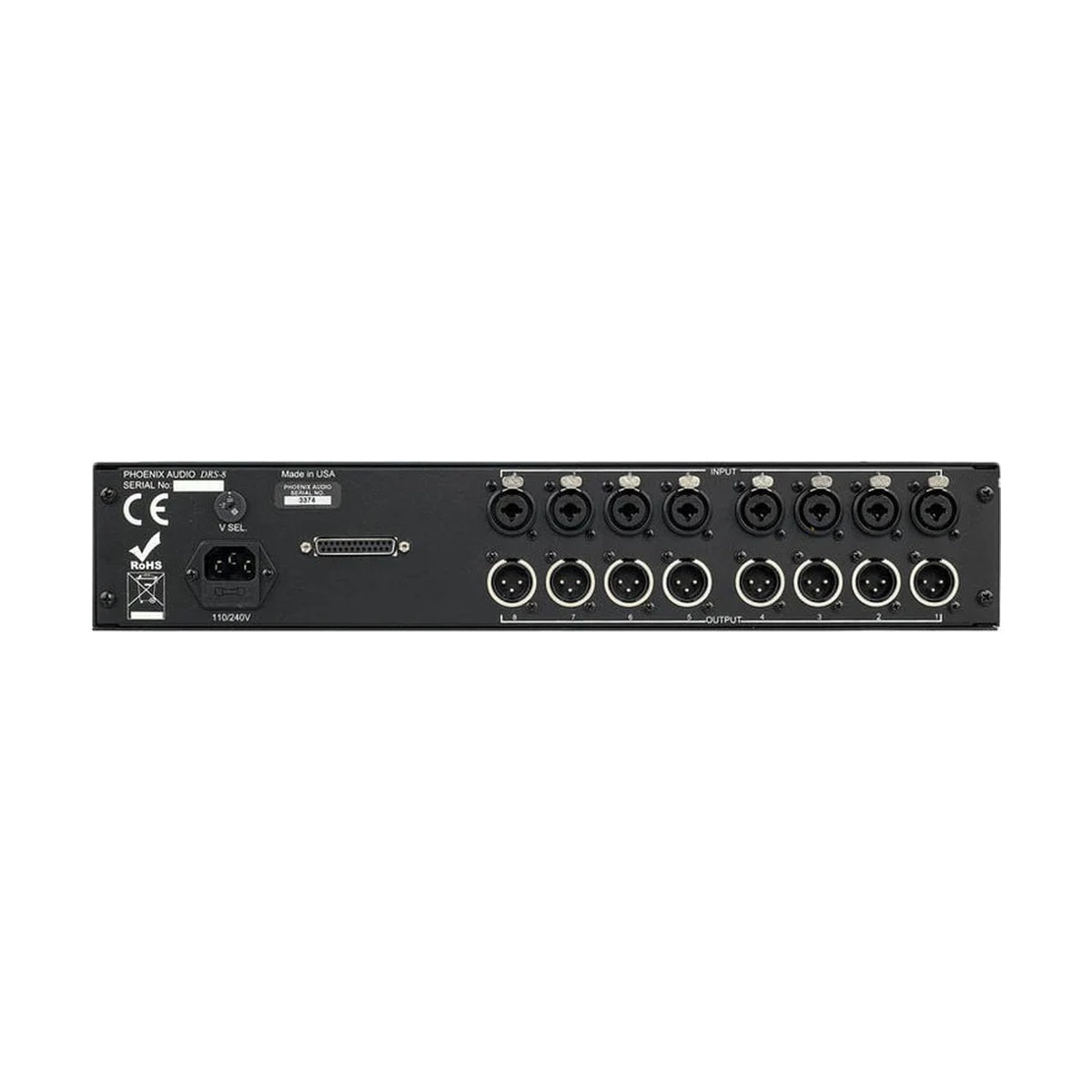
- Vous enregistrez des groupes — le DRS-8 MK2 offre huit canaux en 2U avec jusqu'à 70 dB de gain.
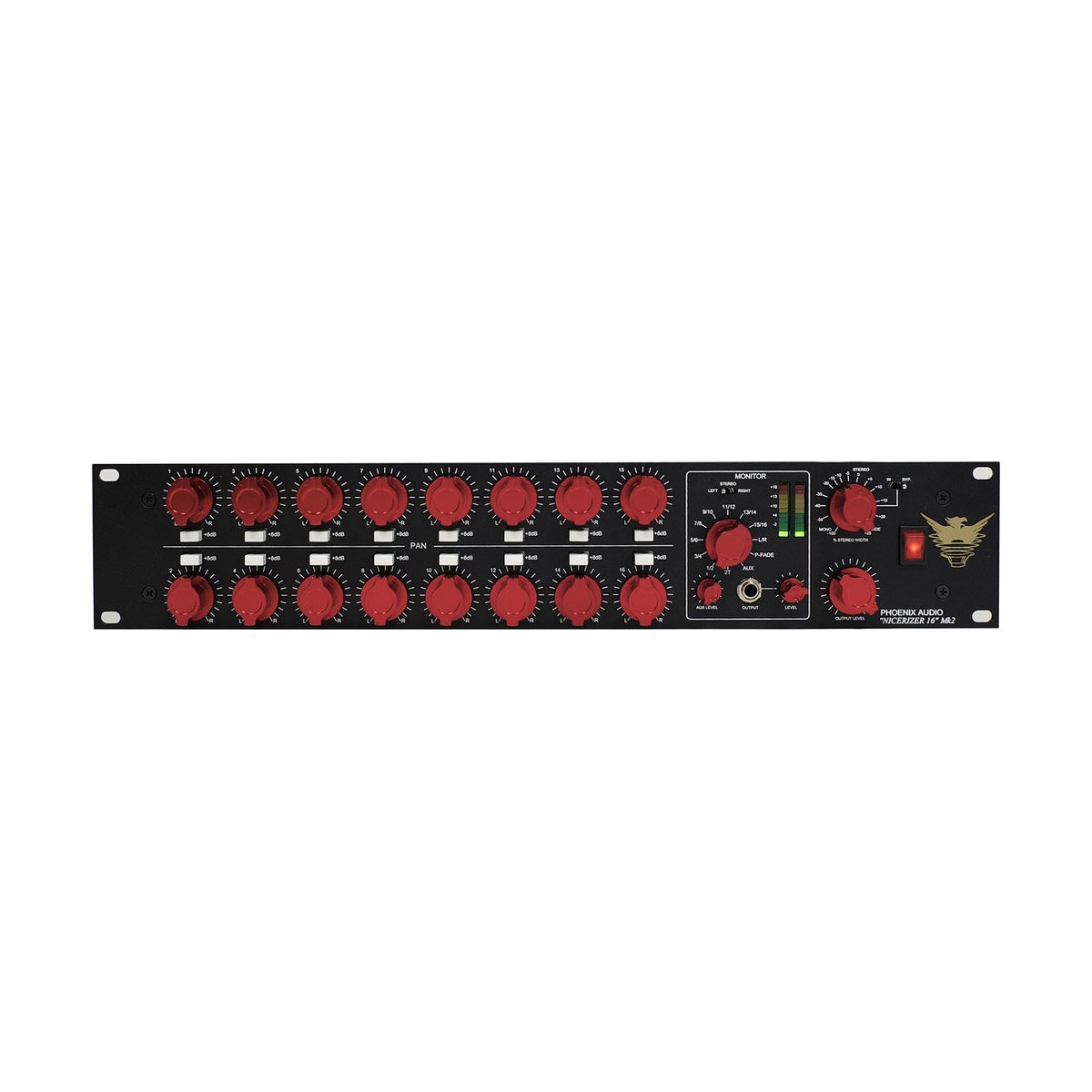
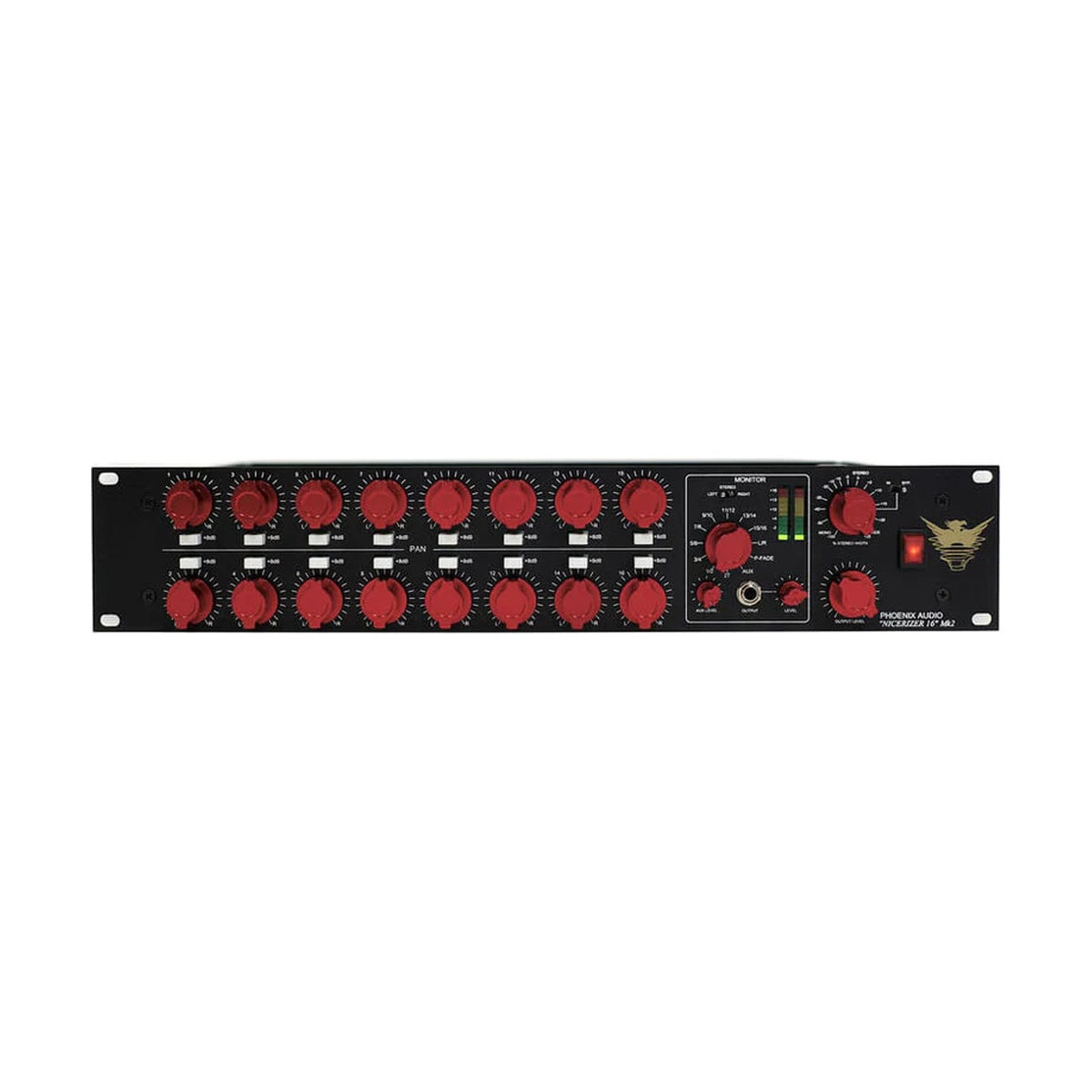
- Vous mixez dans l'ordinateur et voulez une sommation analogique — le Nicerizer 16 MK2 reçoit seize canaux de la DAW.
Si vous cherchez une chaîne nettement colorée, à saveur vintage, cette marque vise ailleurs : la base est propre et ouverte, et la couleur vient de la force avec laquelle vous attaquez le transformateur.
Ce que couvre la gamme
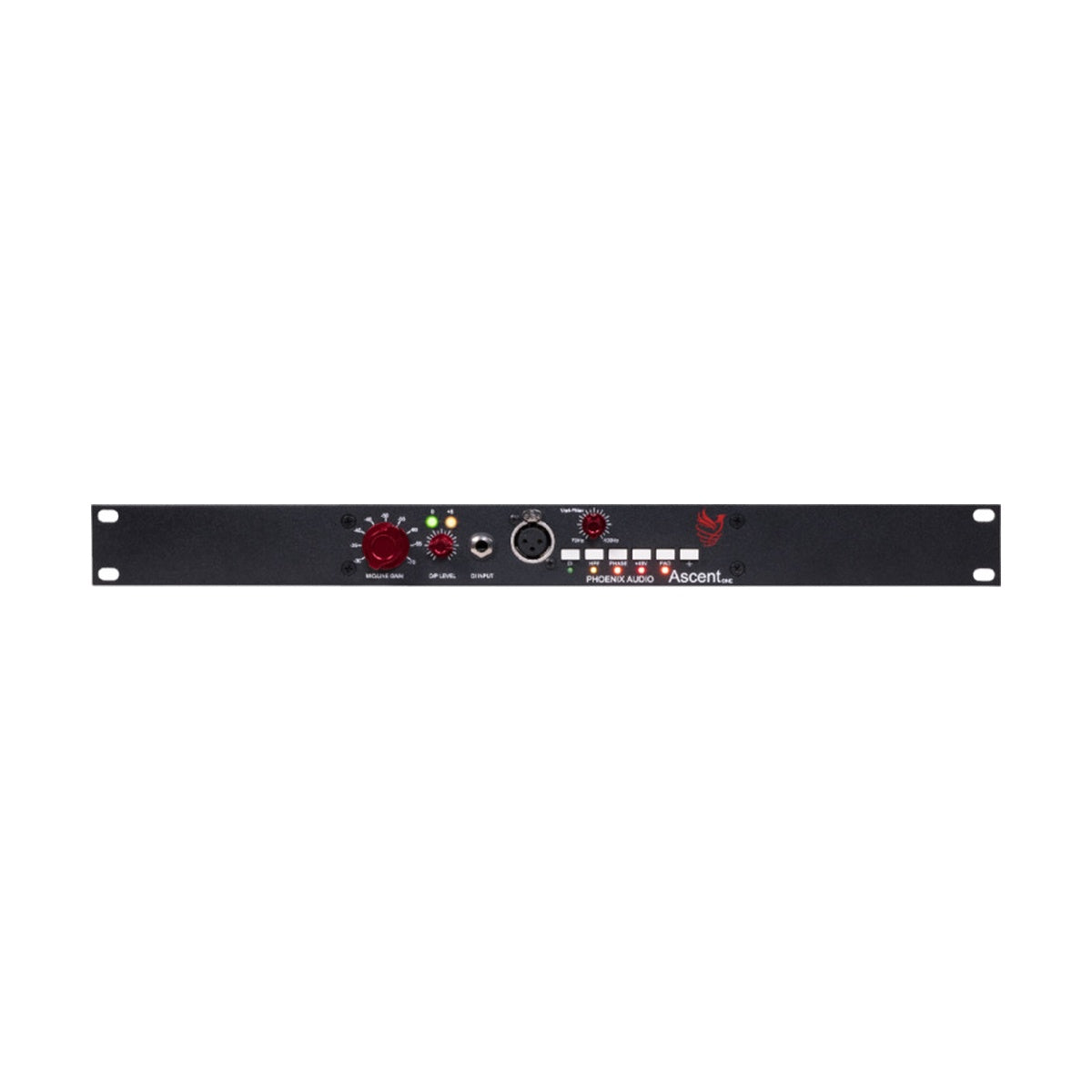
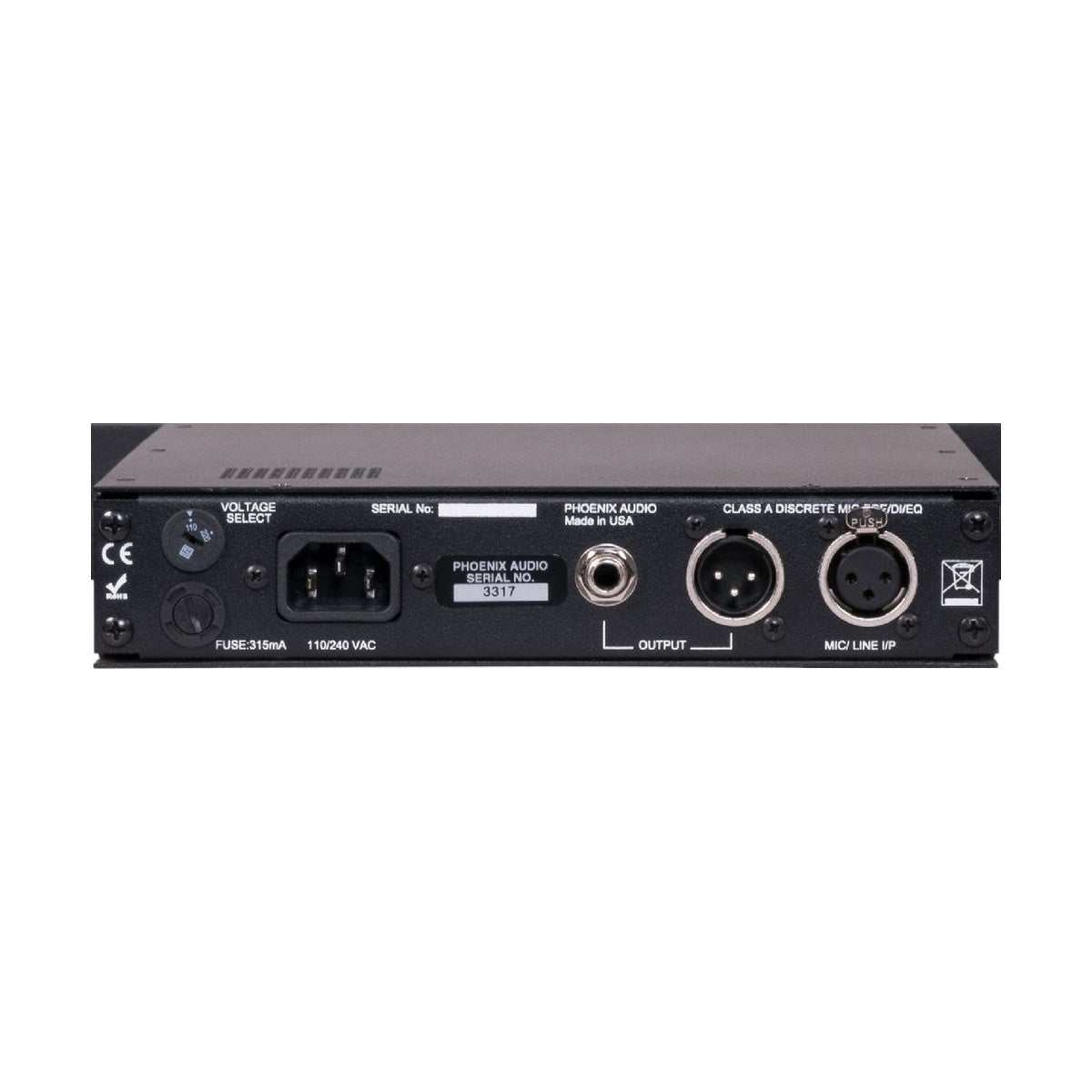
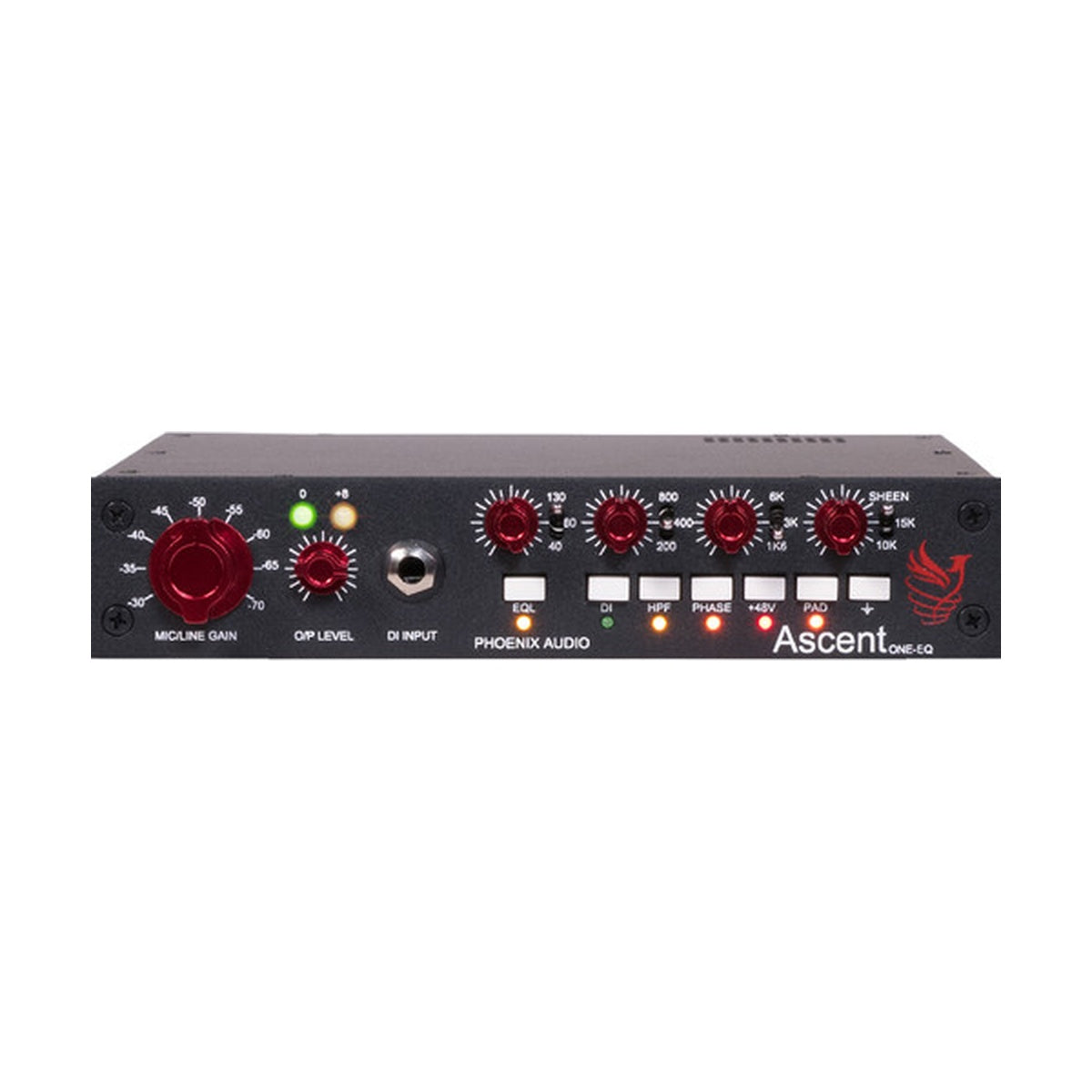
- Préamplis Ascent — Ascent One (un canal, demi-rack) et Ascent Two (deux canaux), tous deux disponibles avec égaliseur. L'entrée micro est à 10 kΩ, choisie pour les rubans et les micros dynamiques ; l'entrée instrument est à 10 MΩ, sans FET dans le chemin.
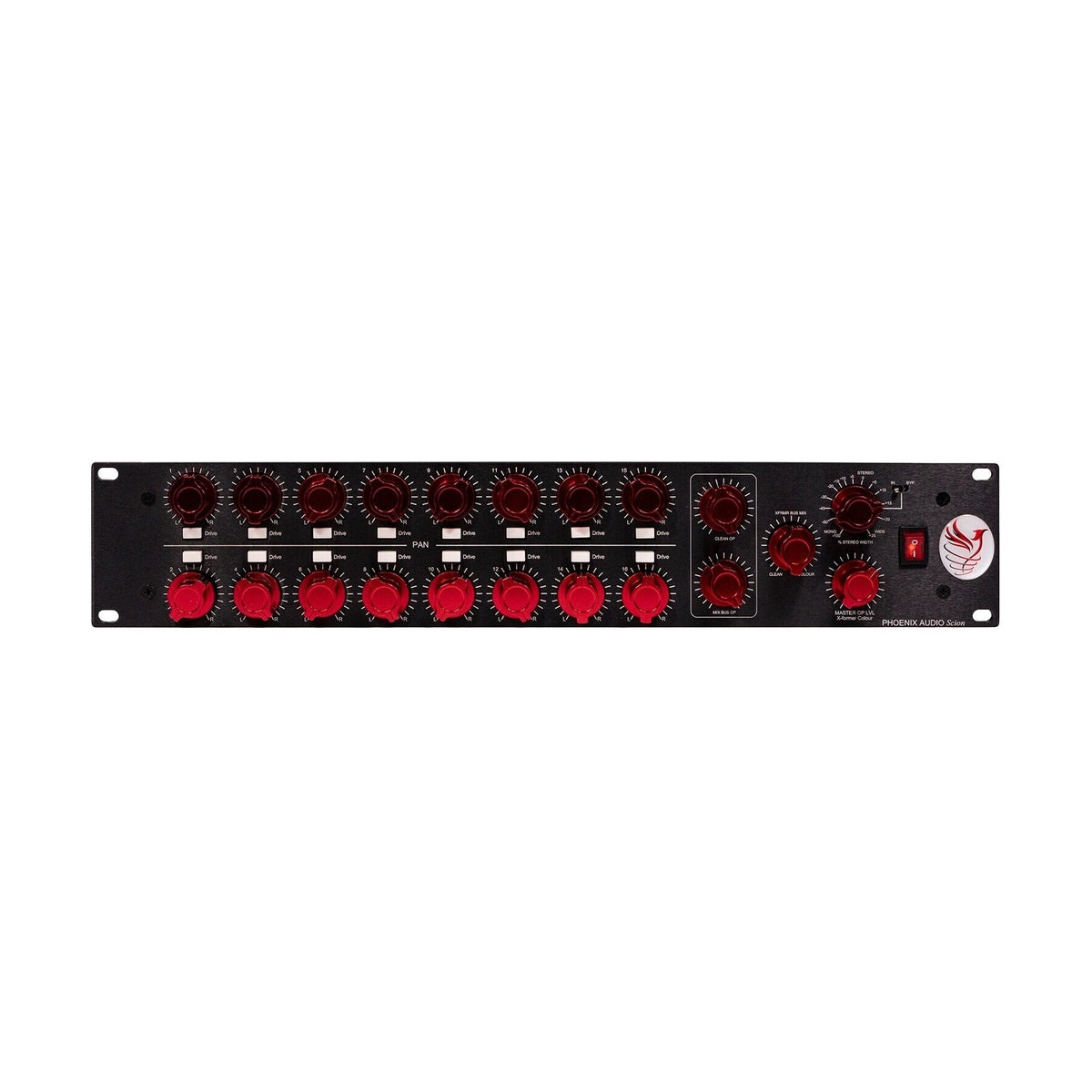
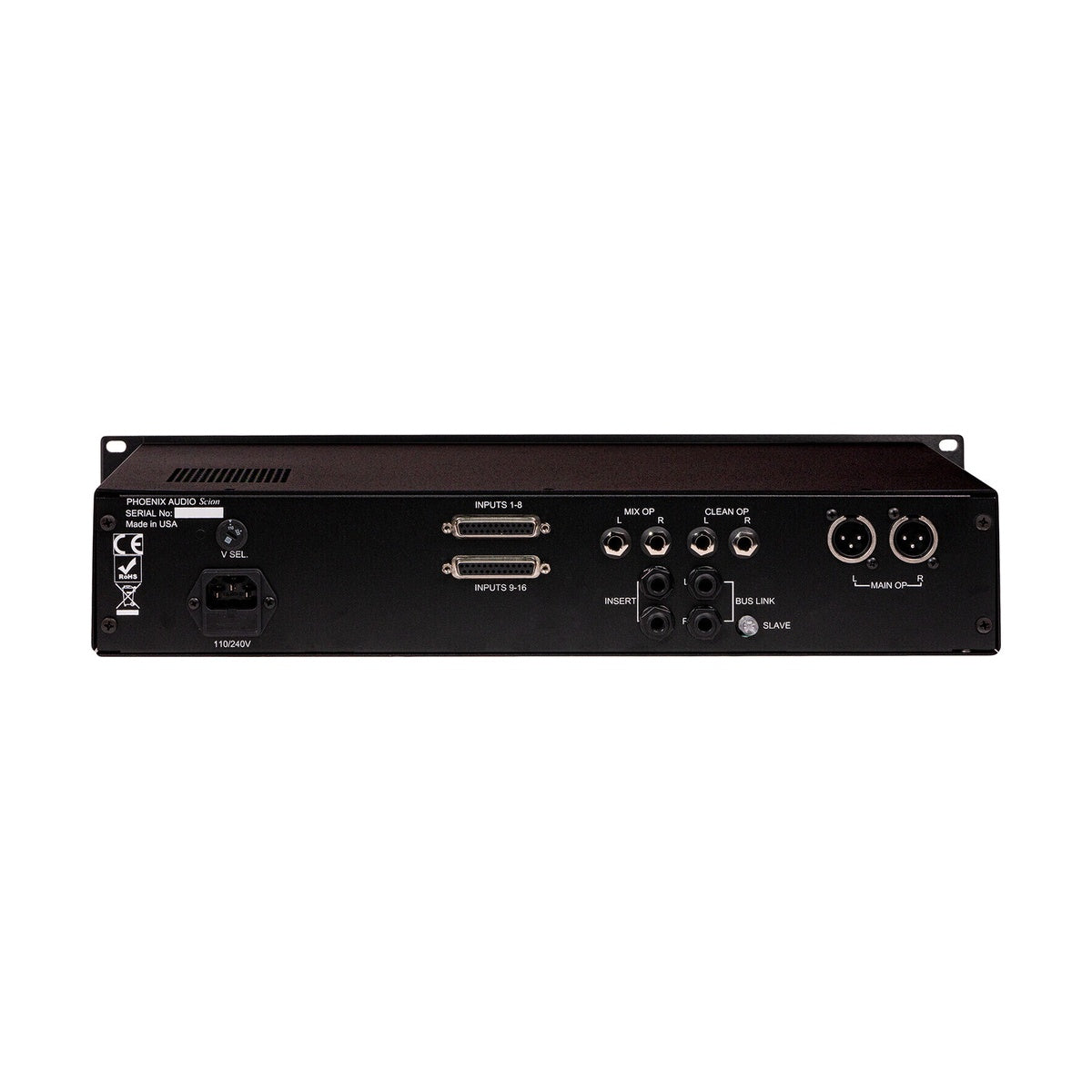
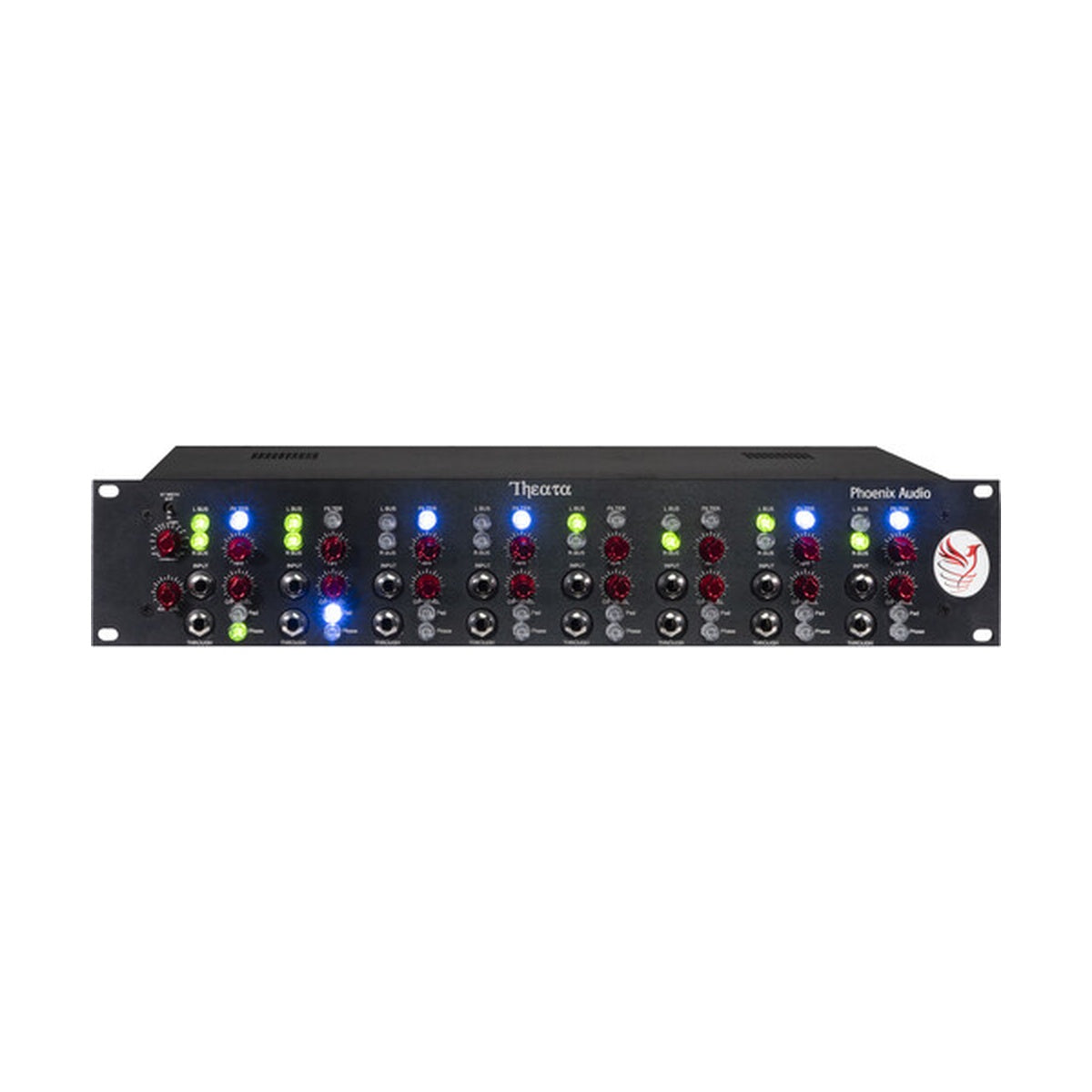
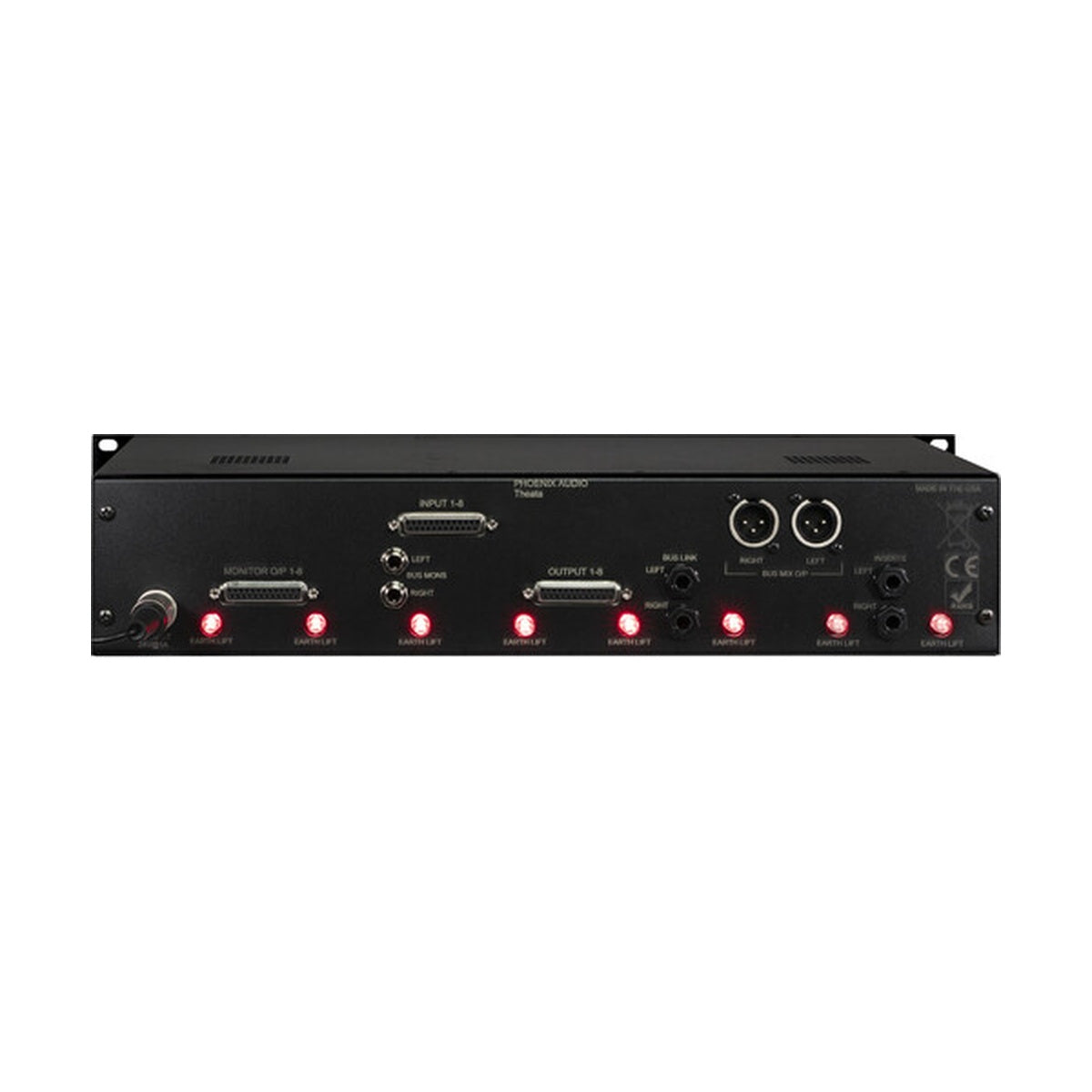
- Multicanal — DRS-8 MK2 (huit canaux, −128 dBu EIN, transformateurs Lundahl en option), Scion et Theata.
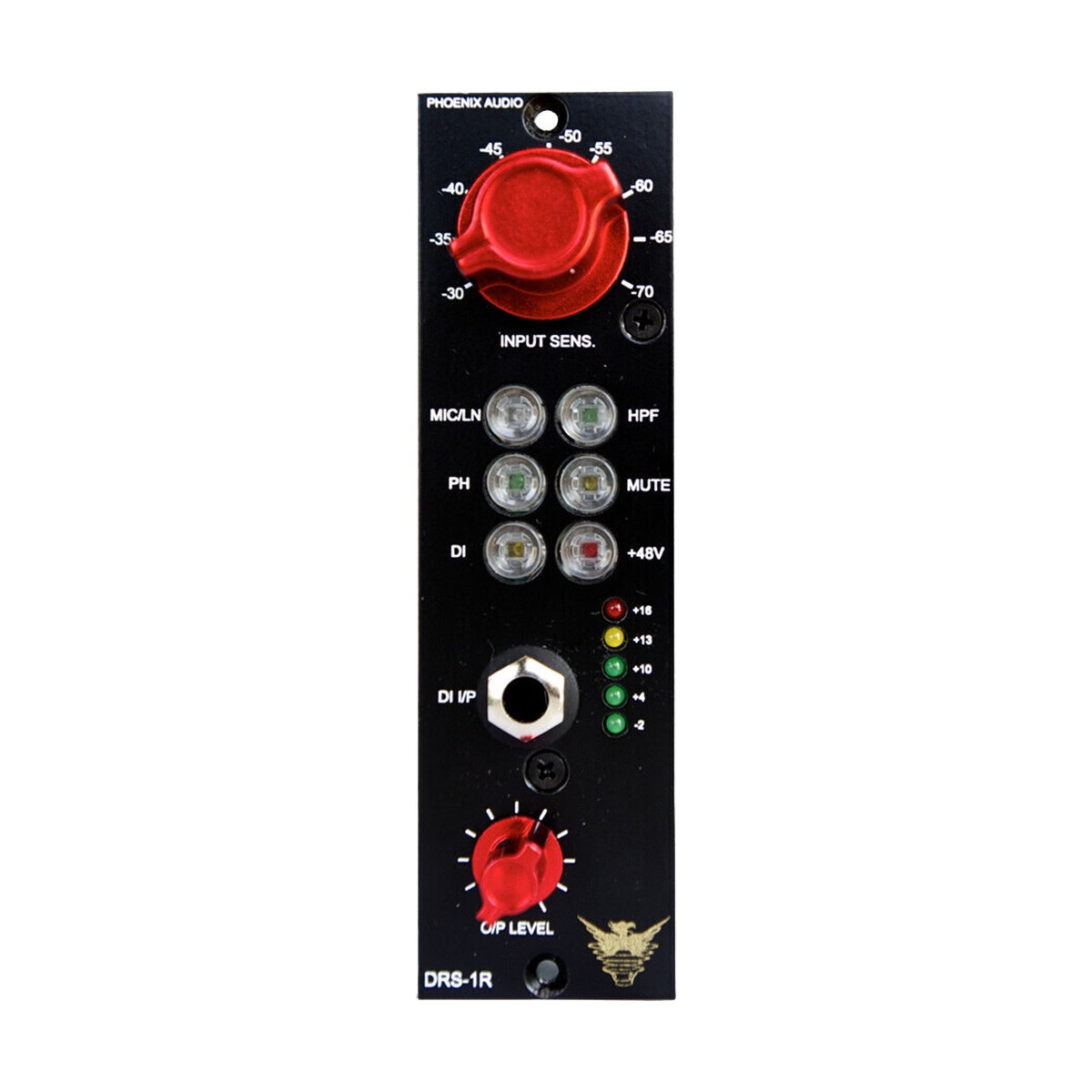
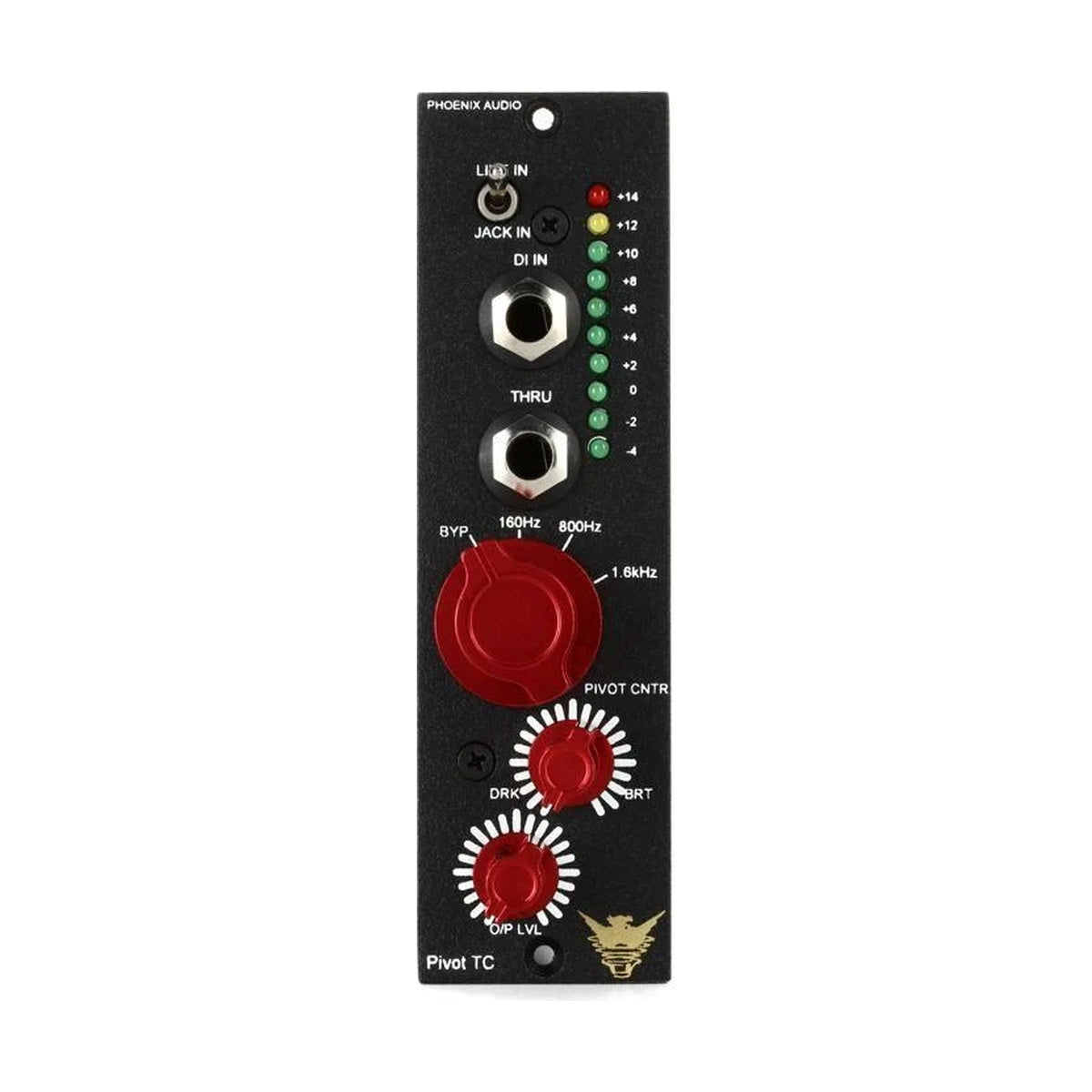
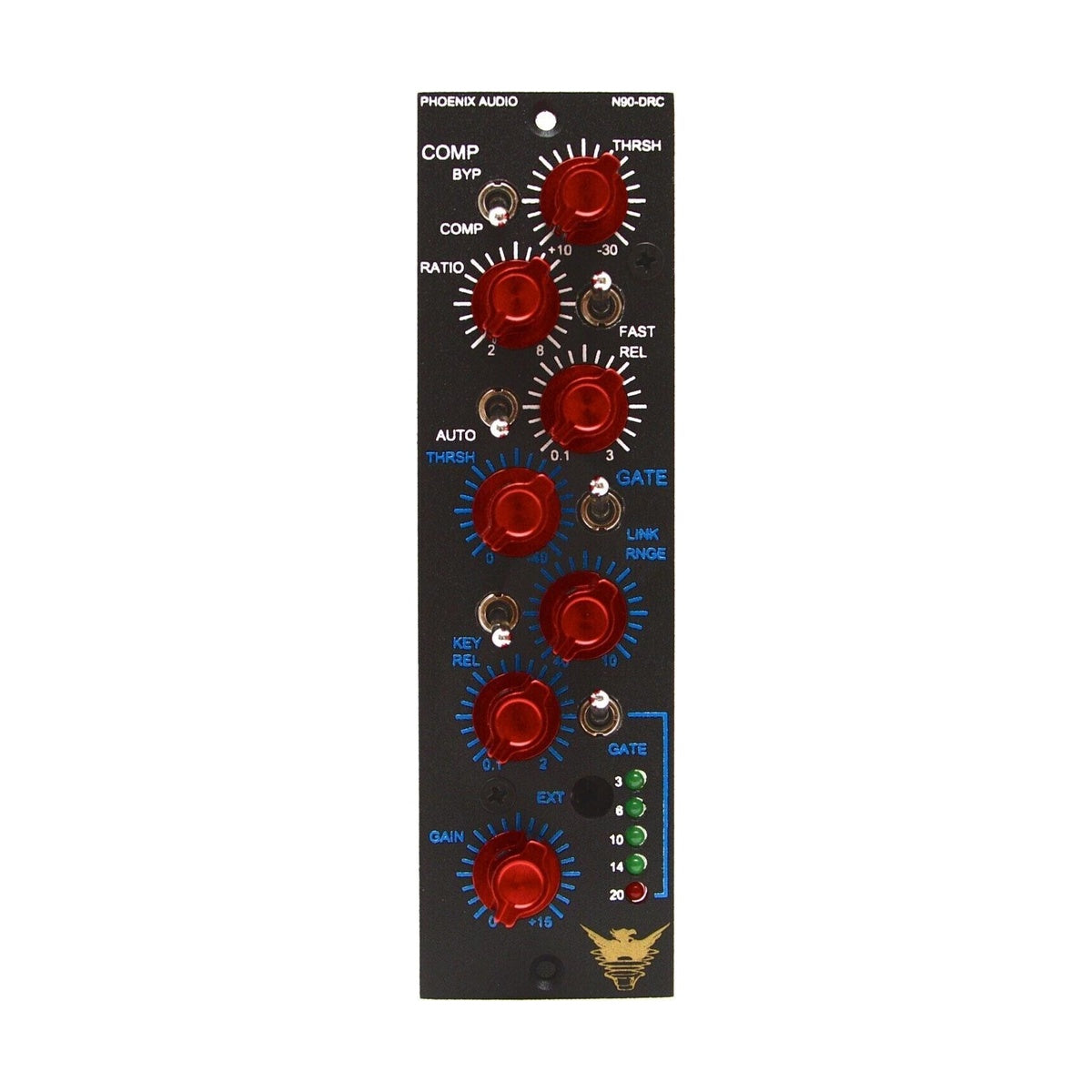
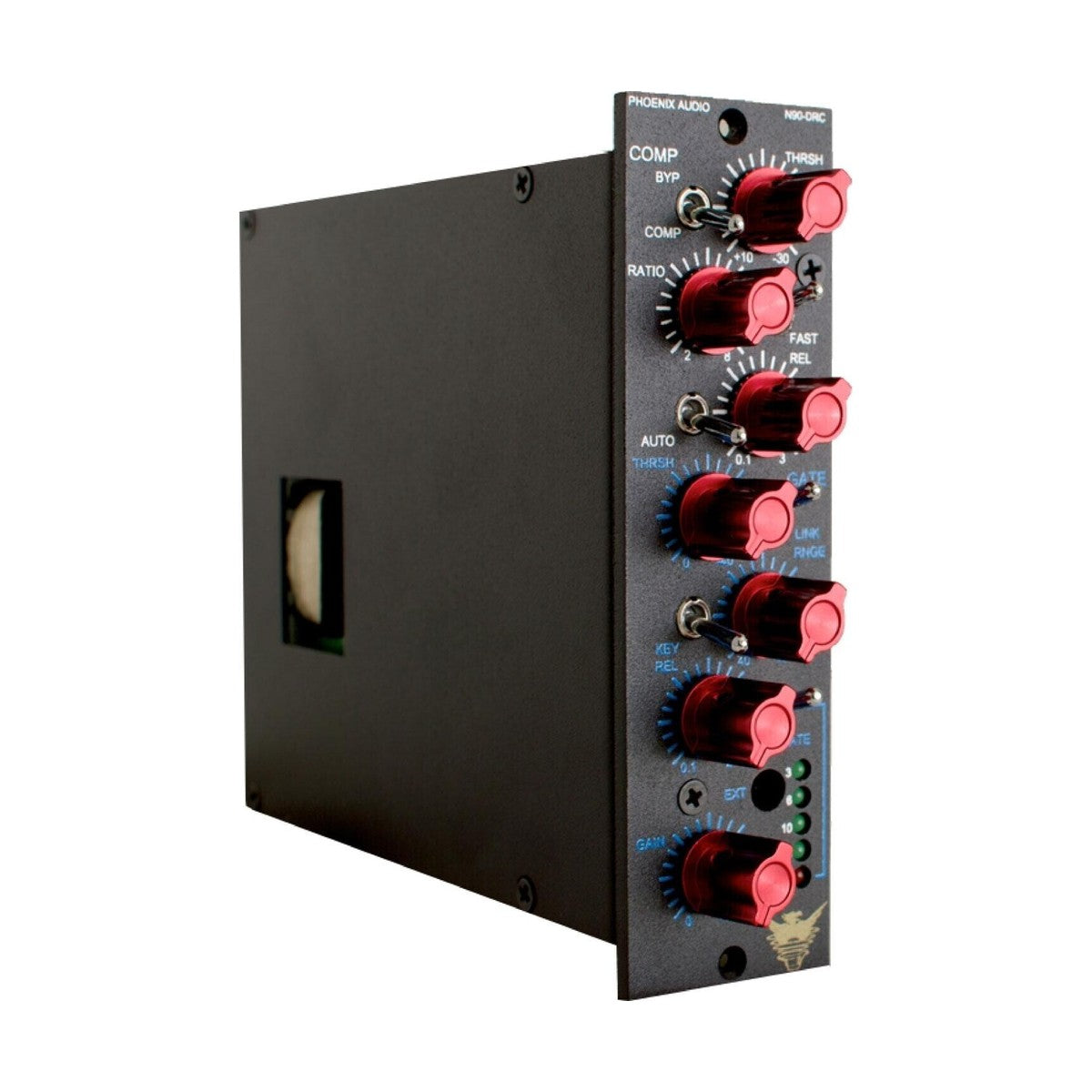
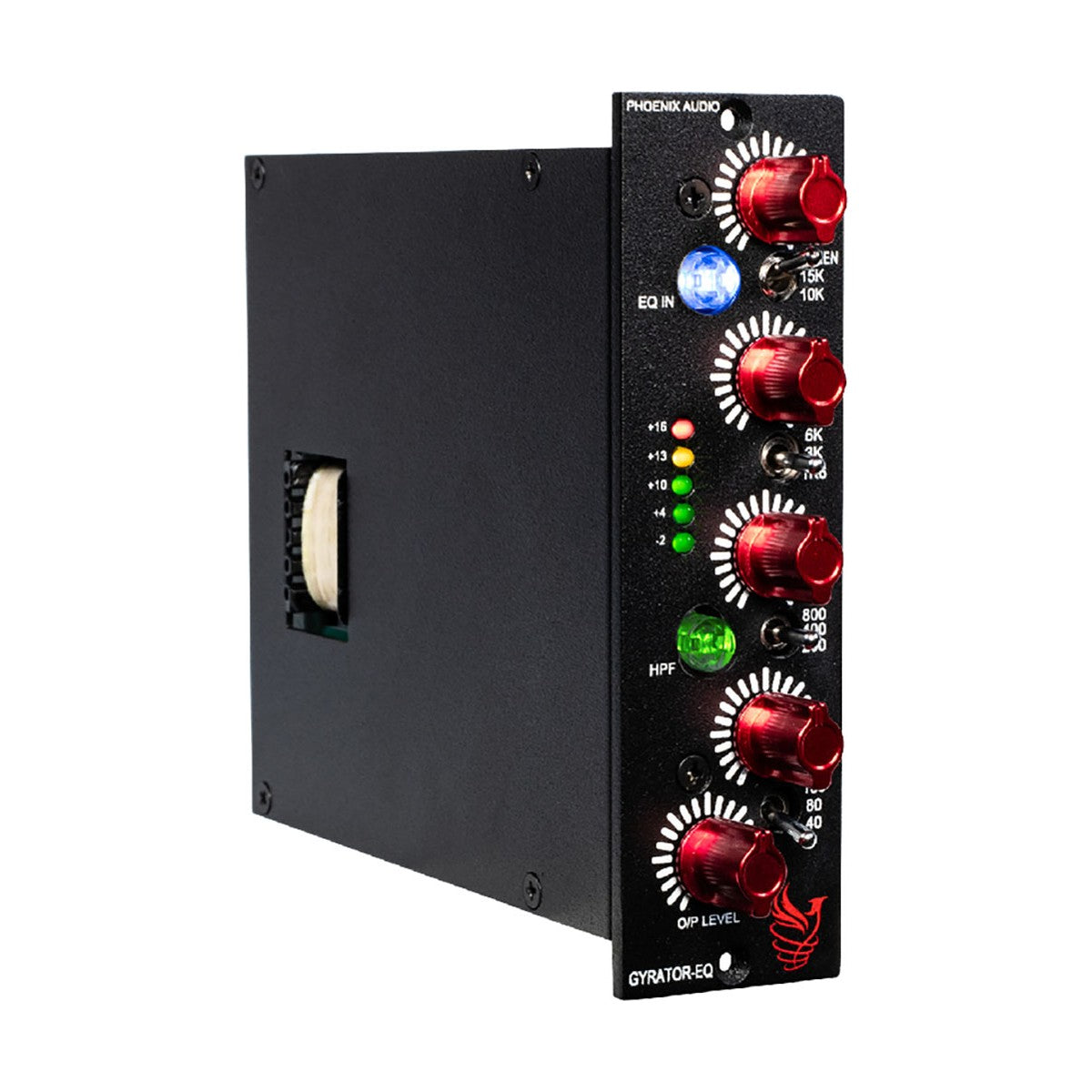
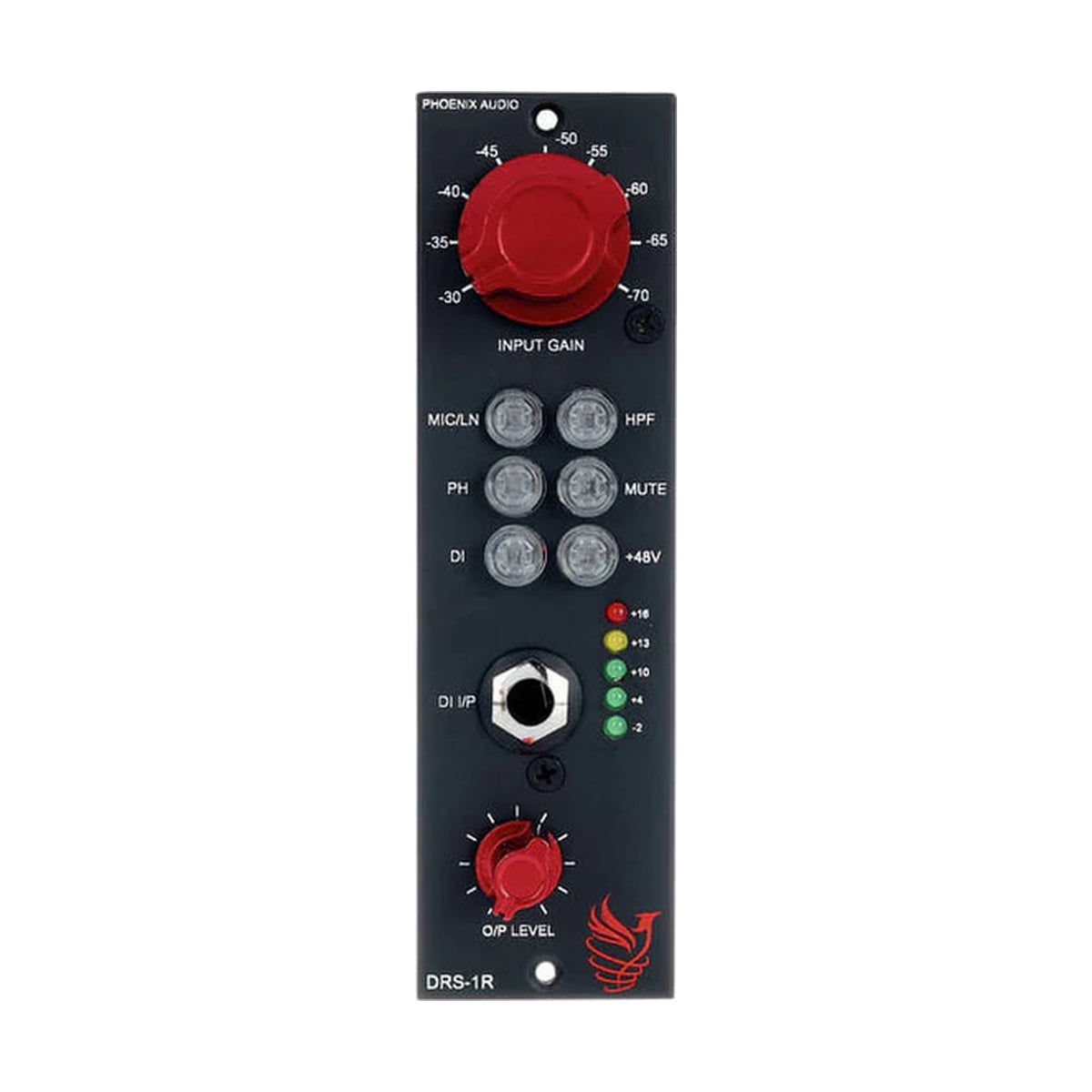
- Série 500 — ASCENT/500 (préampli), Gyrator EQ/500, N90-DRC/500 (compresseur avec gate), PIVOT-TC/500, DRS-1R/500.
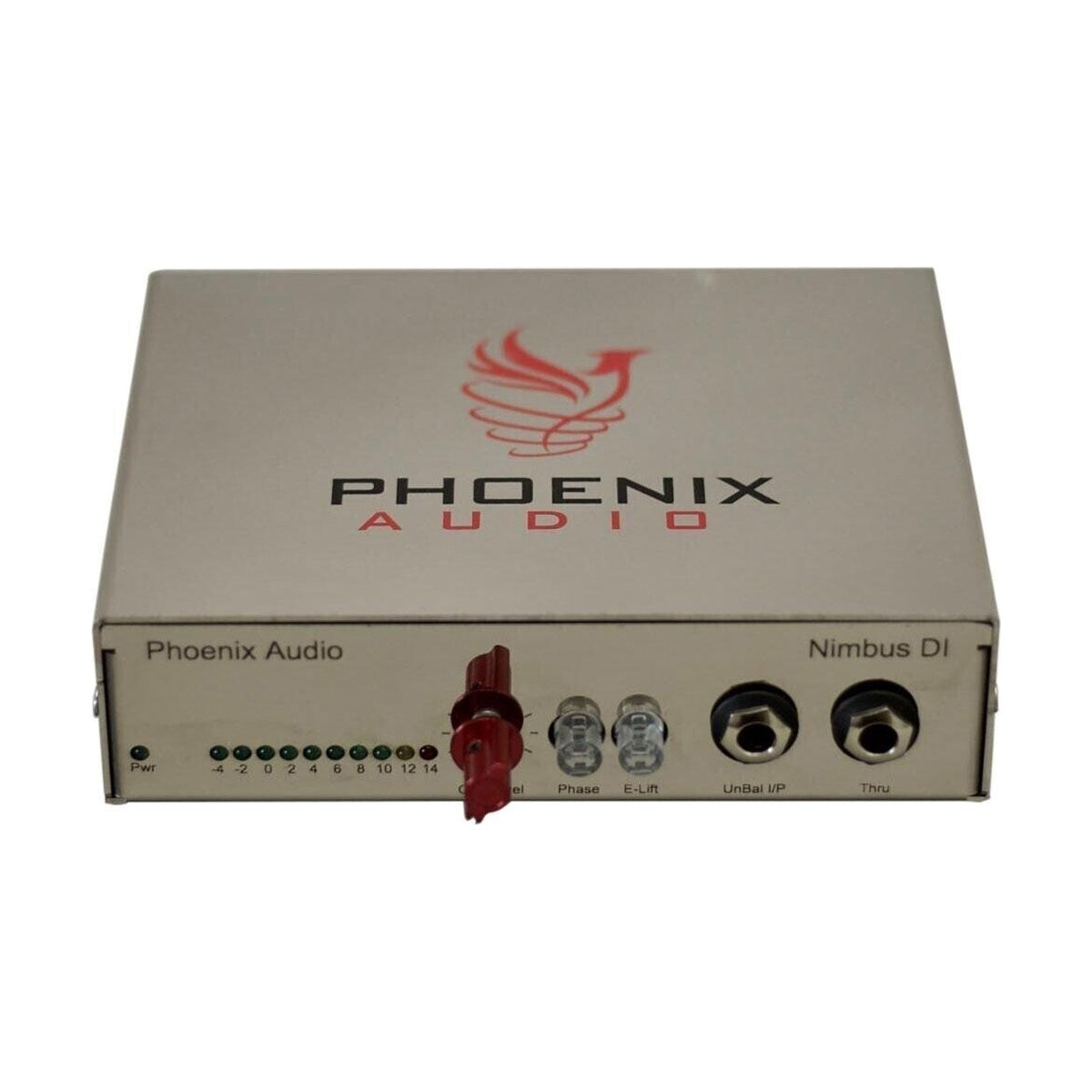
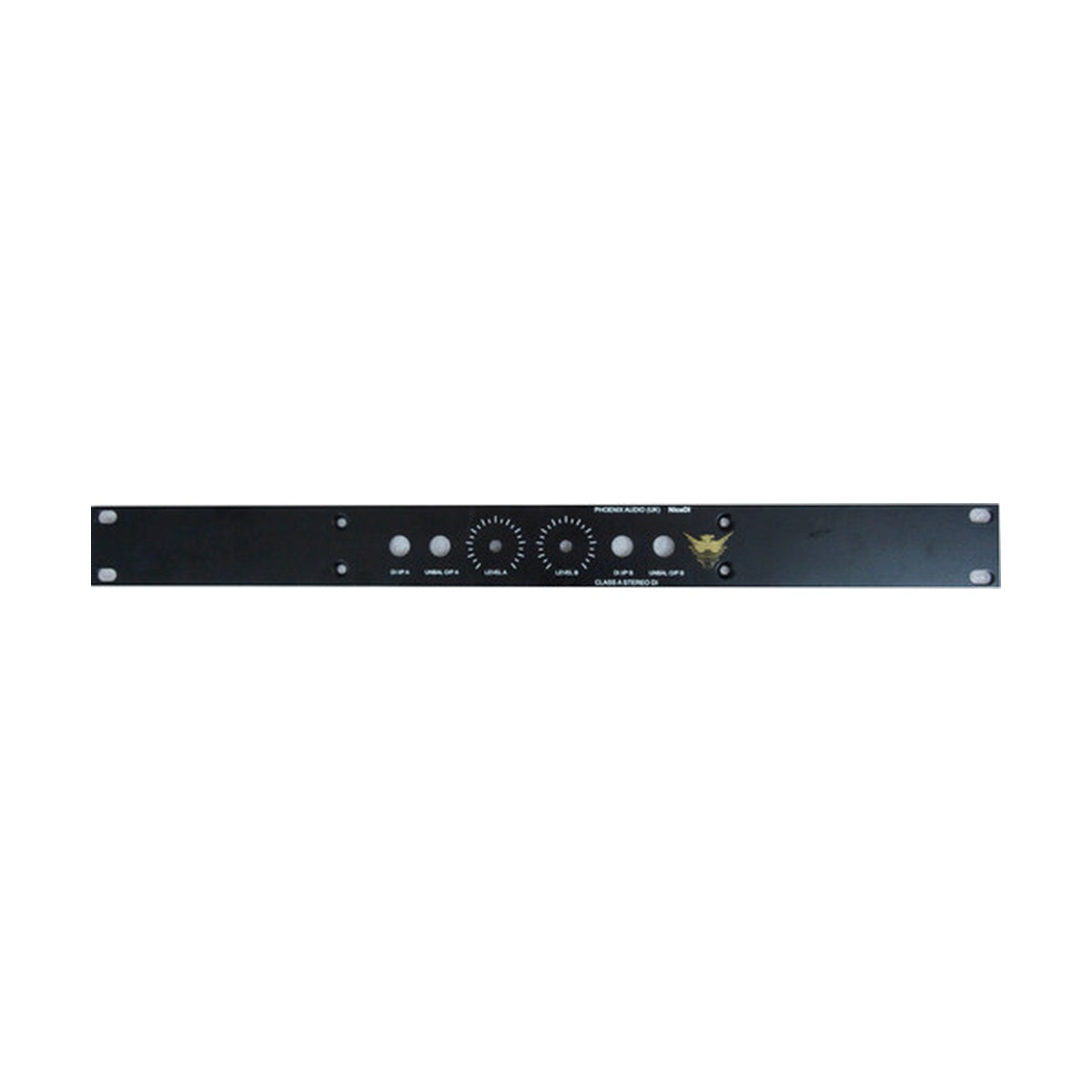
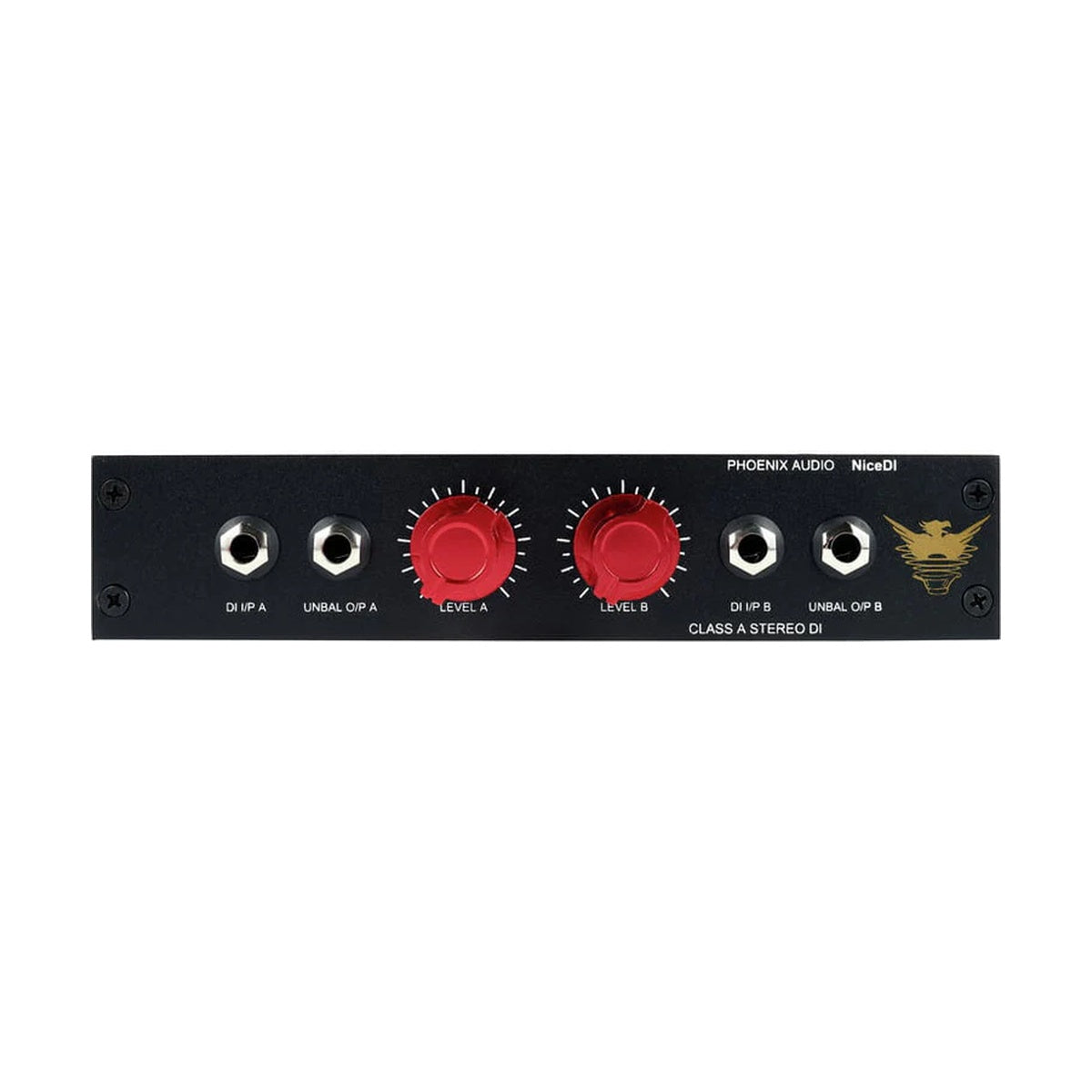
- Boîtiers DI — Nice DI et Nimbus DI à 10 MΩ, plus les adaptateurs rack ASCENT-1RMP, ASCENT-Q1RMP et NiceDI-RMP.
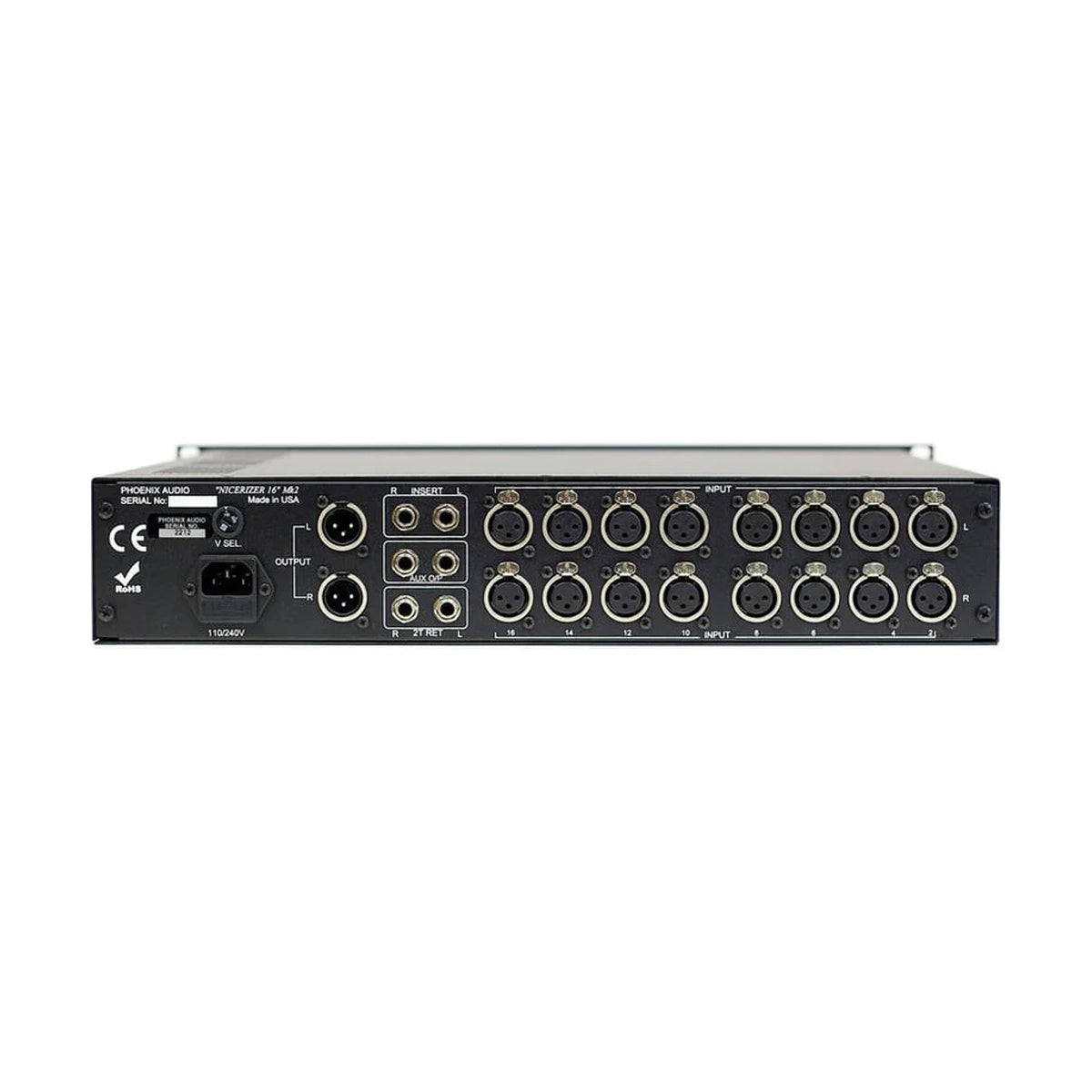
- Sommation — Nicerizer et Nicerizer 16 MK2 : entrées sans transformateur, sorties symétrisées par transformateur.
Comment les modèles diffèrent
| Modèle | Format | Canaux | Ce qui le distingue |
|---|---|---|---|
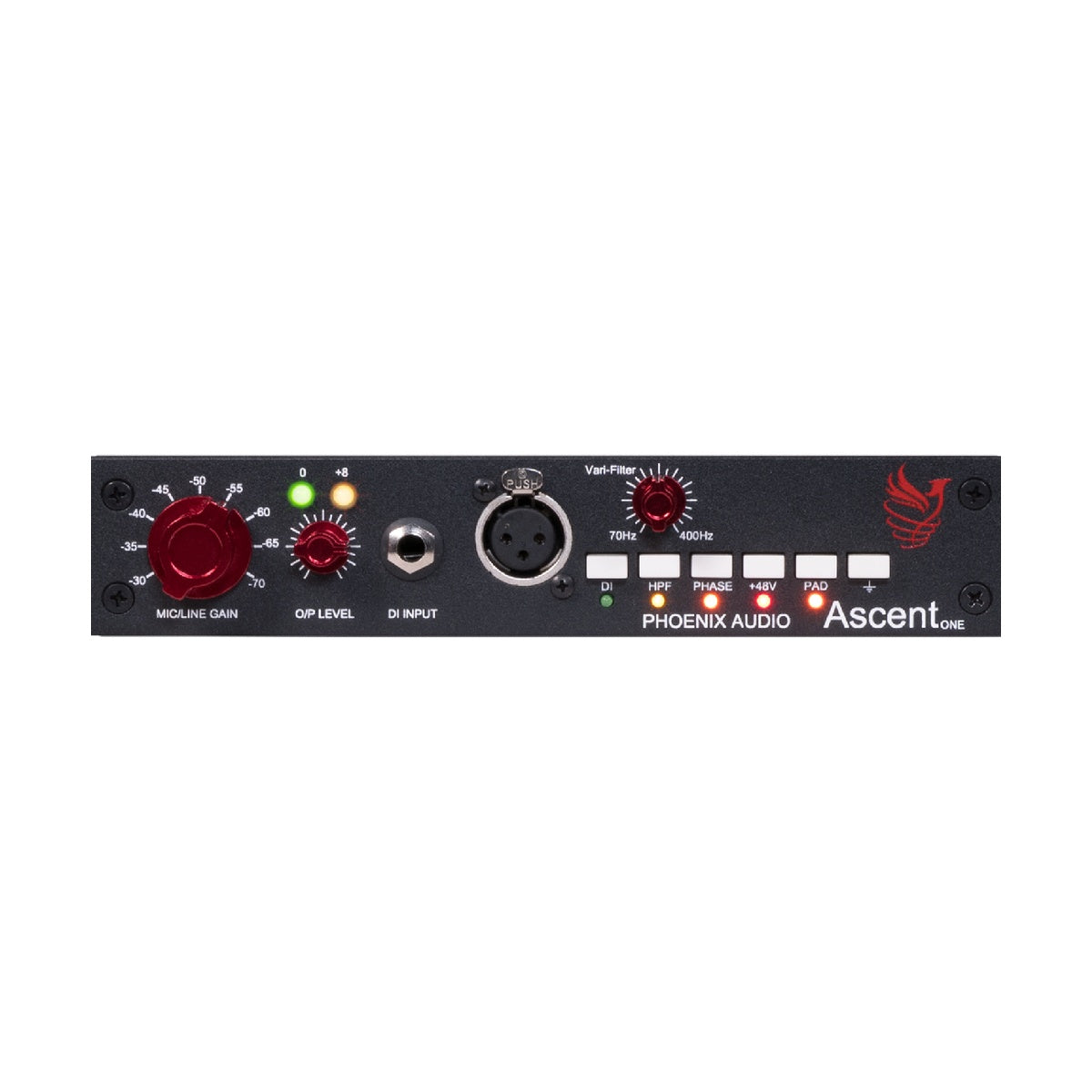
| Ascent One | 1U, demi-rack | 1 micro + DI | Filtre accordable 70–400 Hz sur un commutateur à 21 positions, réglages que l'on peut noter et rappeler |
| Ascent Two | 1U | 2 micros + DI | La même chose en paire — pour la stéréo et pour deux micros sur une même source |
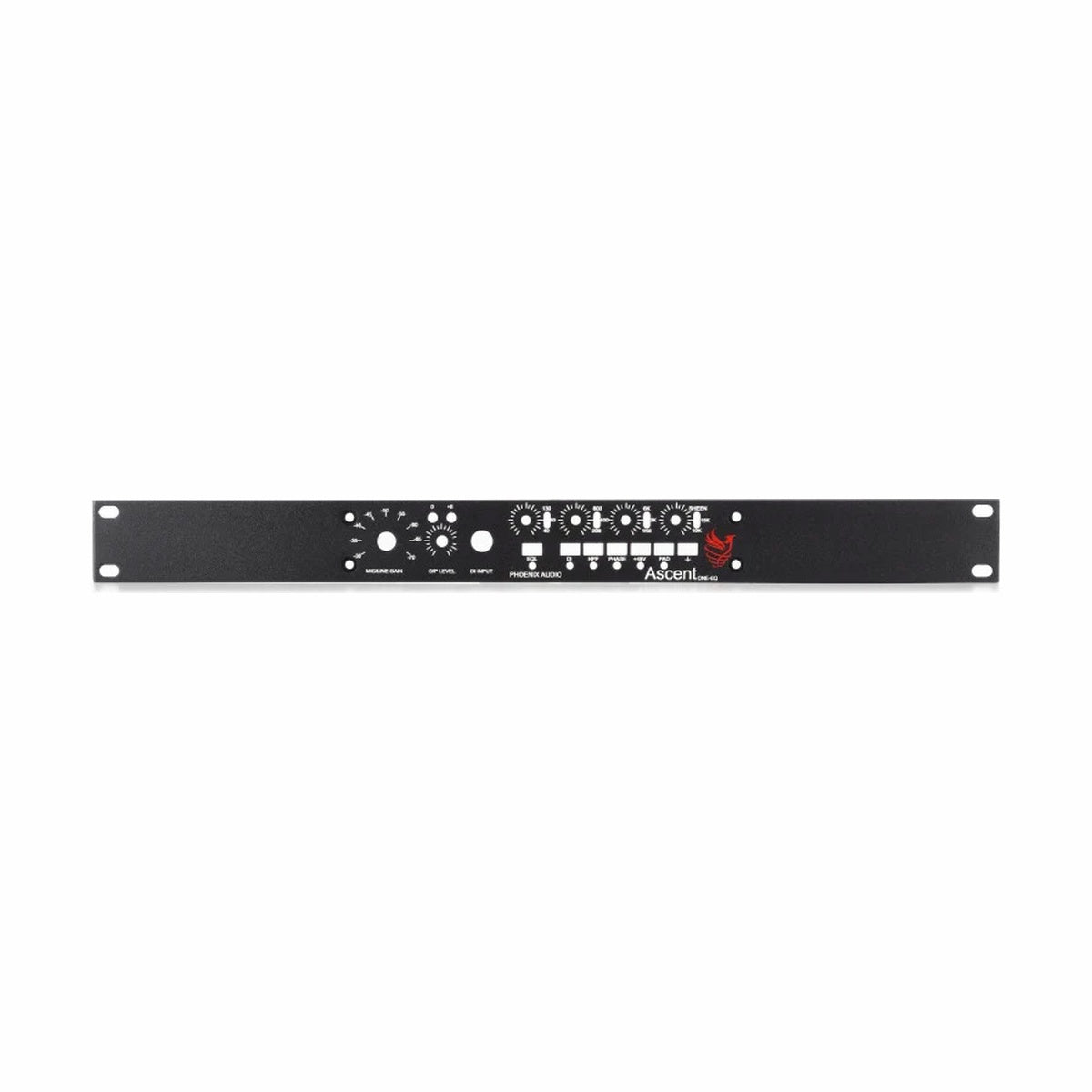
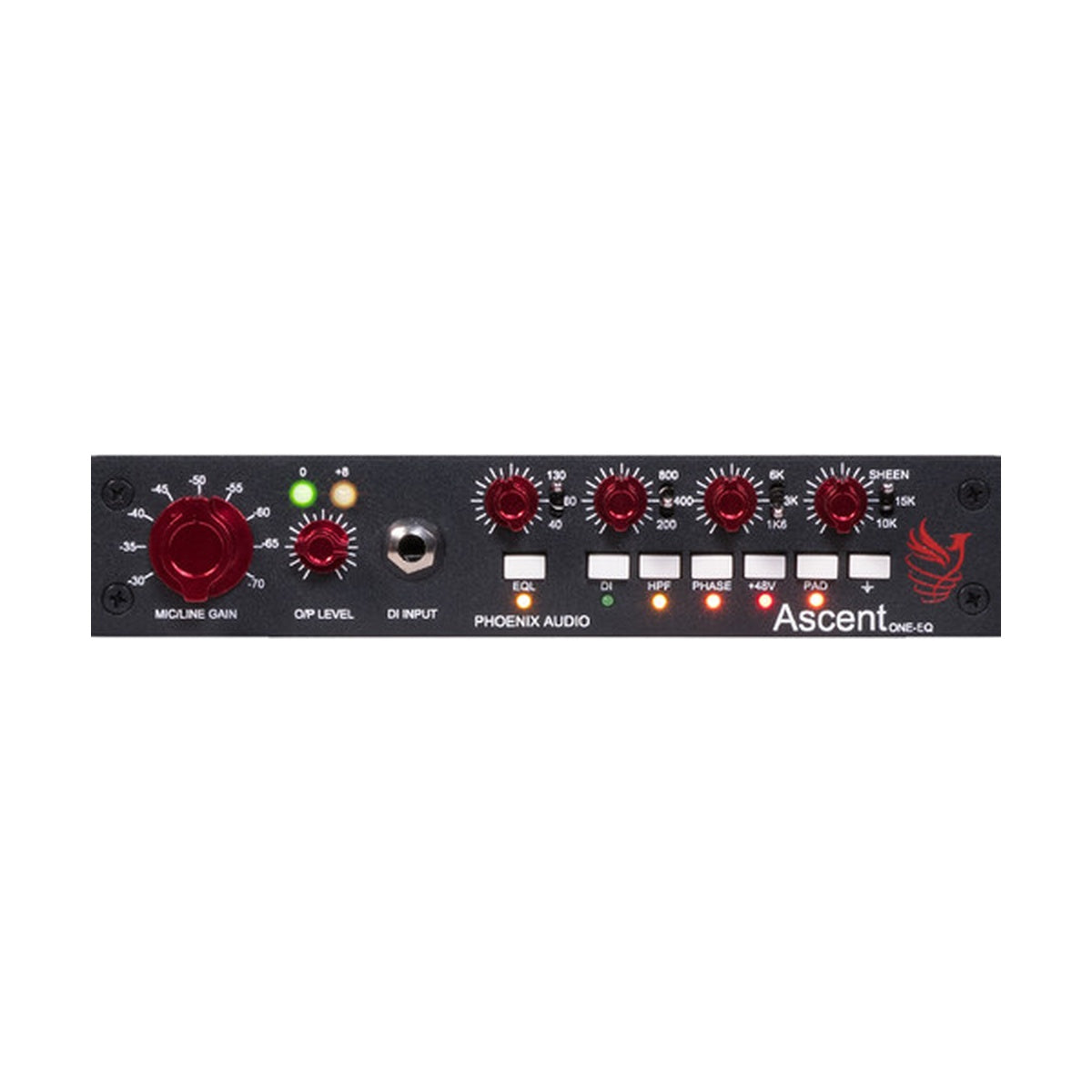
| Ascent One EQ / Two EQ | 1U | 1 ou 2 | Le même préampli avec une section d'égalisation dans le même boîtier |
| DRS-8 MK2 | 2U | 8 micros | 10–70 dB de gain, −128 dBu EIN, transformateurs Lundahl en option |
| ASCENT/500 | module 500 | 1 | La porte d'entrée la moins chère dans la marque si vous avez déjà un rack |
| N90-DRC/500 | module 500 | 1 | Compresseur et gate dans un seul slot, 1,5:1 à 8:1, jusqu'à huit modules liés |
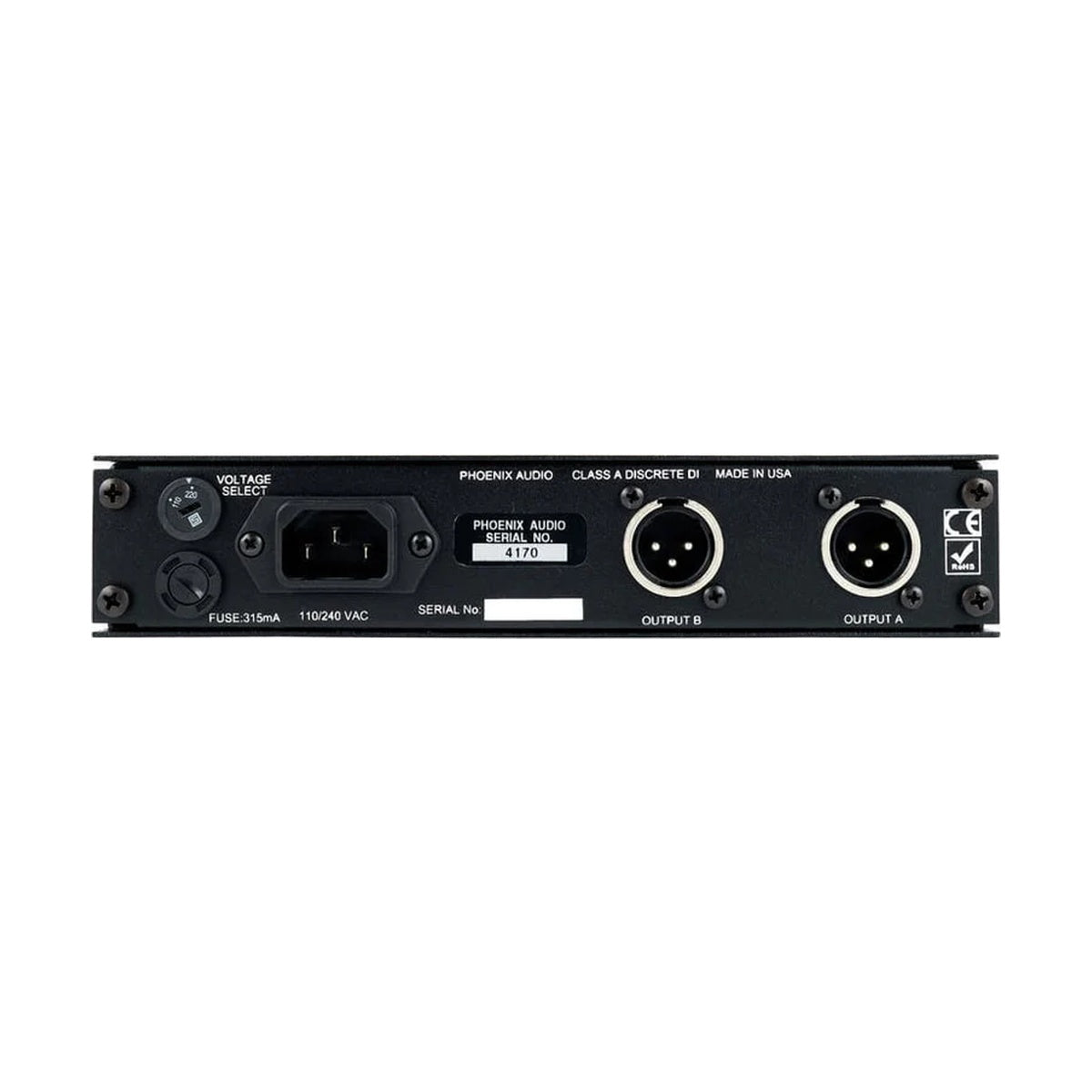
| Nice DI | Demi-rack | 2 | Entrée 10 MΩ sans FET, sortie à transformateur DSOP-2 |
| Nicerizer 16 MK2 | 2U | 16 entrées | Sommation analogique pour un mix en DAW, écoute canal par canal |
Que choisir
- Un premier préampli externe pour la voix — Ascent One. Le filtre accordable résout un vrai problème de pièce domestique : vous coupez le grondement de la rue exactement là où il s'arrête, sans perdre de poitrine.
- Vous avez un rack 500 avec un slot libre — ASCENT/500, ou le N90-DRC/500 si vous enregistrez de la batterie et préférez ne pas acheter séparément un gate et un compresseur.
- Vous enregistrez tout un groupe en une fois — DRS-8 MK2.
- La basse et les claviers vont directement dans l'interface et arrivent plats — Nice DI.
- Votre mix dans l'ordinateur sonne étroit — Nicerizer 16 MK2 : envoyez des stems et sommez-les en dehors de la session.
- Un boîtier au lieu de deux dans le rack — Ascent One EQ.
Parcourez aussi : préamplis, série 500 et mixeurs.
Avant de décider
- Enregistrer des voix chez soi — ce qu'il faut régler avant d'ajouter un préampli.
- Ce que fait vraiment l'alimentation fantôme — et quels micros en ont besoin.
Pourquoi acheter chez nous
Nous avons toute la gamme Phoenix Audio en stock : vous n'attendez donc pas une commande spéciale pour savoir si un module convient à votre rack. Dans notre showroom de Varsovie (Nowogrodzka 6A/102), vous pouvez écouter un préampli avec votre propre micro. Une sélection de matériel est éligible à notre Test-Drive : 30 jours, gratuit, et tout est livré avec 36 mois de garantie, 30 jours pour retourner sans donner de motif et une livraison dans toute l'UE.
Histoire de la marque
Phoenix Audio a été fondée au Royaume-Uni en 1996, avec Shaun Leveque et le consultant en conception David Rees derrière les circuits. En 2009, l'entreprise a déménagé à Costa Mesa, en Californie, où elle construit encore tout. Le principe n'a pas changé depuis : des circuits discrets en classe A, la soudure à la main et des transformateurs bobinés pour la conception précise plutôt que sortis d'un catalogue.