Dites « M-Audio » et vous pensez à l'interface audio abordable avec laquelle beaucoup de producteurs ont débuté. L'entreprise a été fondée en 1988 par Tim Ryan, un ingénieur formé au Caltech et fils d'une pianiste de concert, qui avait auparavant participé à la conception du synthétiseur numérique Con Brio et contribué à l'écriture de logiciels de séquenceur MIDI pour le Commodore et l'Apple II. Voulant diriger sa propre entreprise, Ryan l'a d'abord enregistrée sous le nom « Music Soft » — avant de découvrir que Yamaha détenait déjà les droits sur ce nom, si bien que la société a été rebaptisée Midiman. Après avoir échoué à rivaliser dans les logiciels de séquenceur avec des géants comme Steinberg et Opcode, Ryan s'est tourné vers le matériel en 1990 — le premier produit était un petit appareil synchronisant des données MIDI sur bande, vendu simplement sous le nom de l'entreprise.
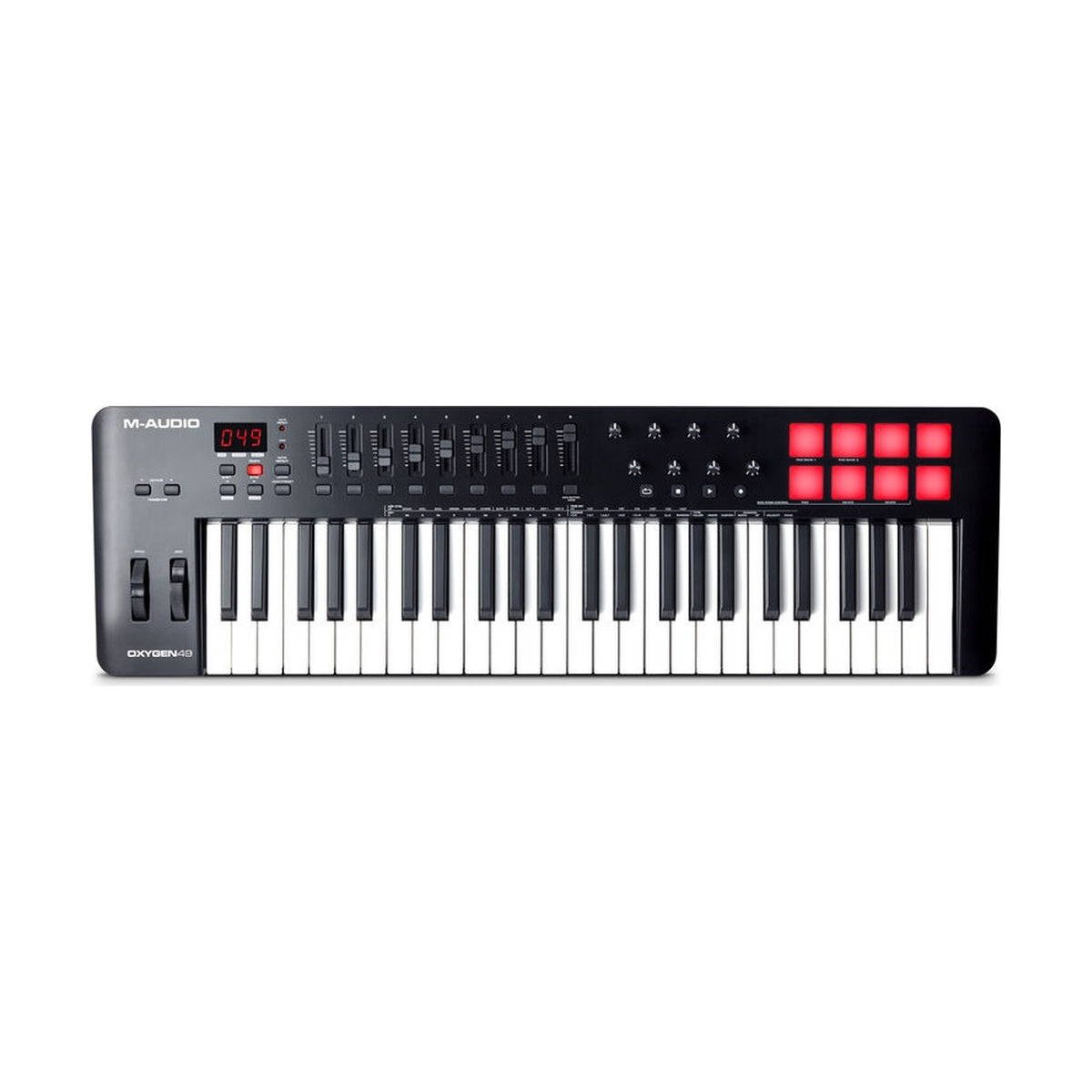
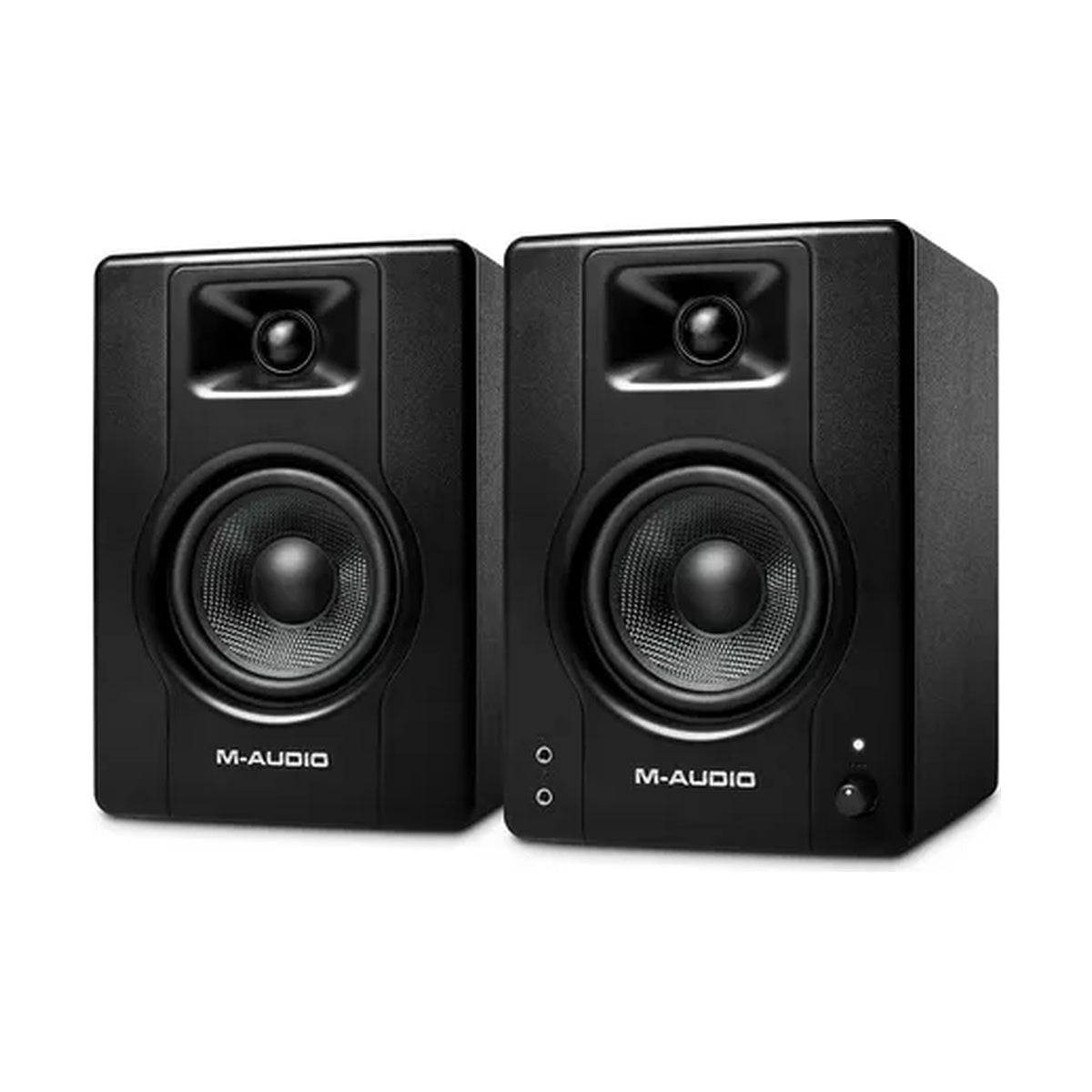
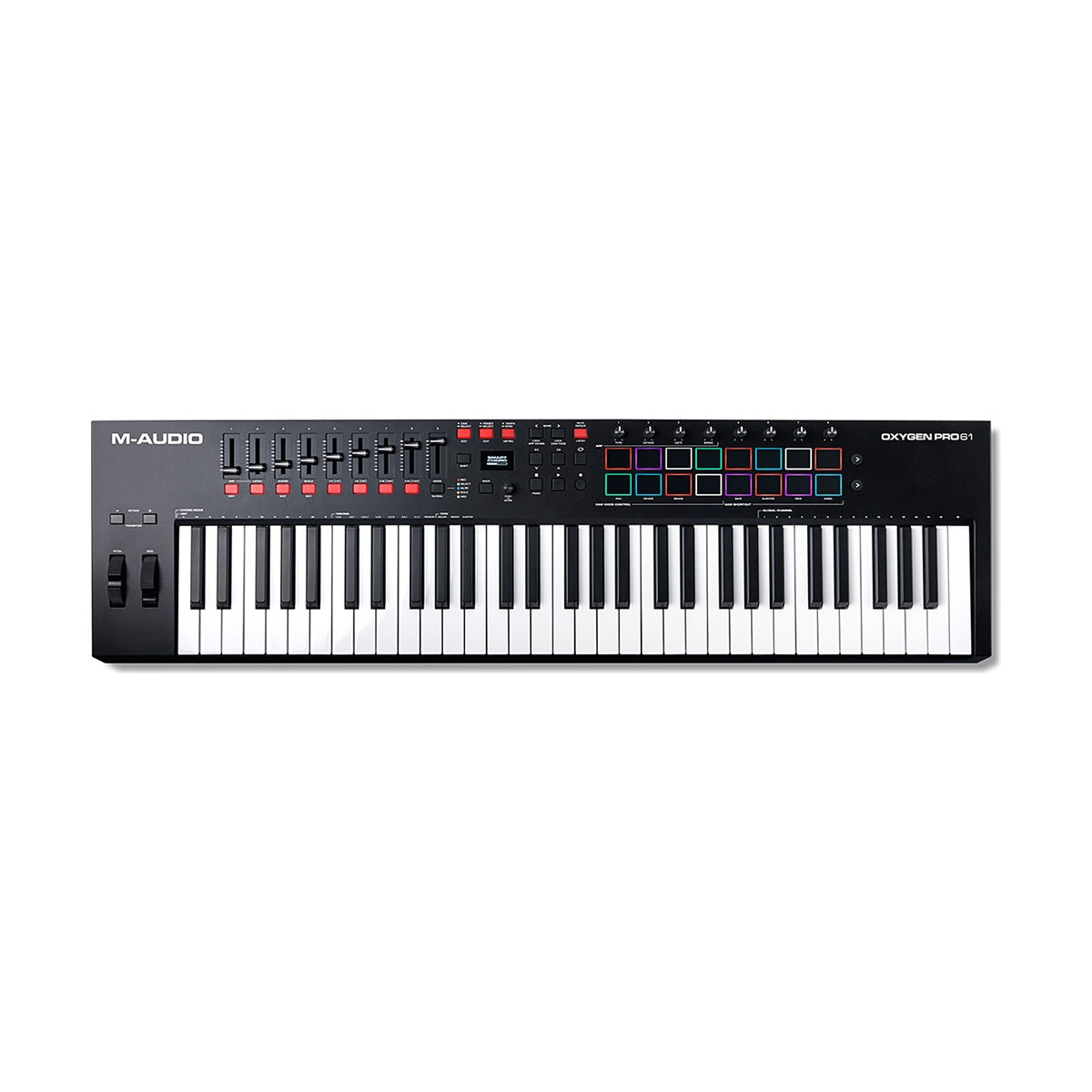
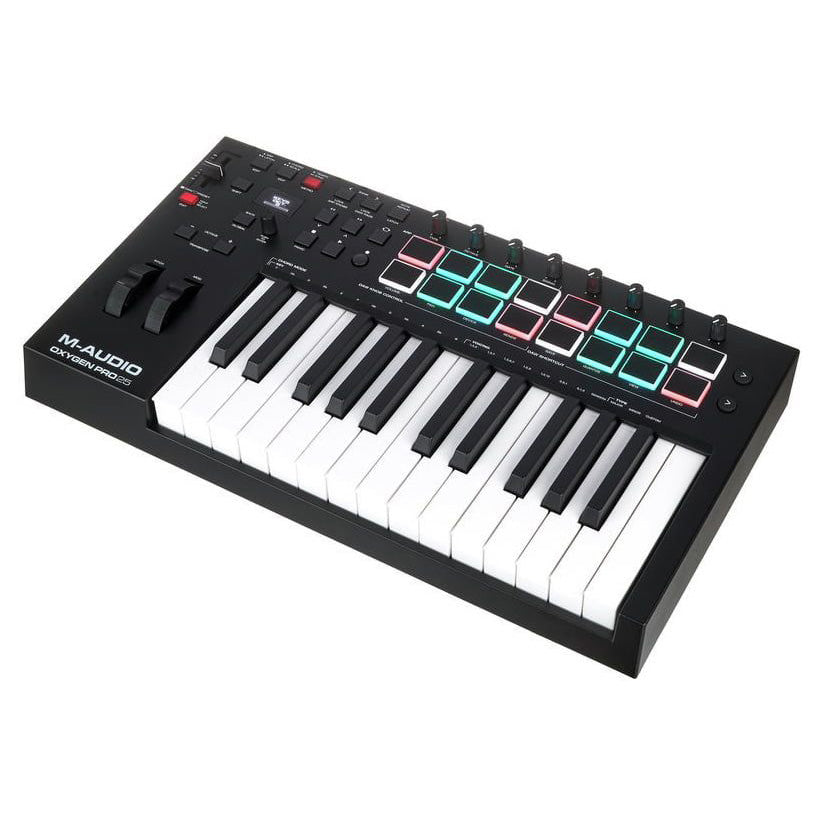
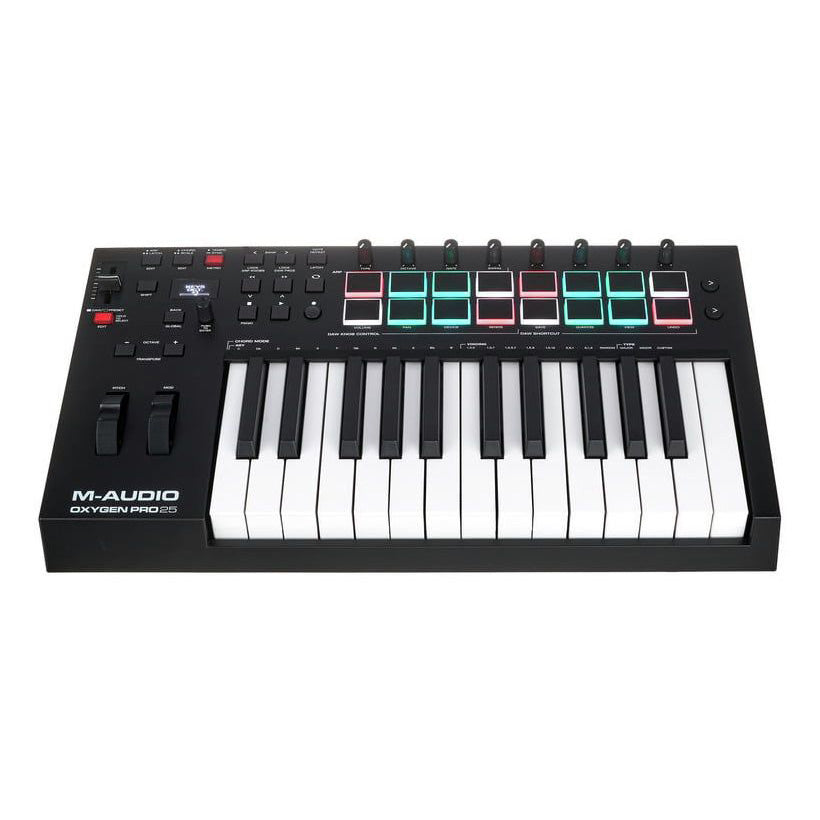
Midiman s'est vite forgé une réputation de fabricant de matériel MIDI abordable et résolvant des problèmes — les interfaces MIDISPORT et Bi-Port, les convertisseurs de timecode Syncman, puis ses propres convertisseurs A/N comme les Flying Cow et Flying Calf. En 2000, l'entreprise a dévoilé sa série Delta d'interfaces audio PCI sous un tout nouveau nom — M-Audio — qu'elle a adopté deux ans plus tard comme nom officiel de toute l'entreprise. Cette même période a vu le lancement des premiers claviers contrôleurs Oxygen, qui ont installé toute une catégorie de contrôleurs MIDI portables, ainsi que des premiers moniteurs de studio de la marque (le Studiophile SP5B).
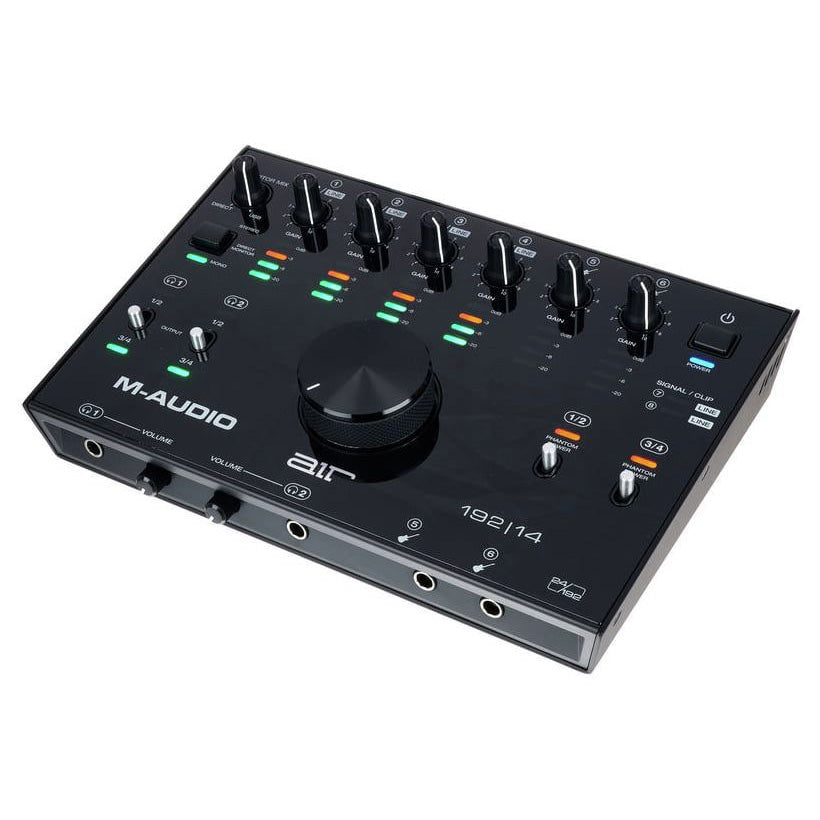
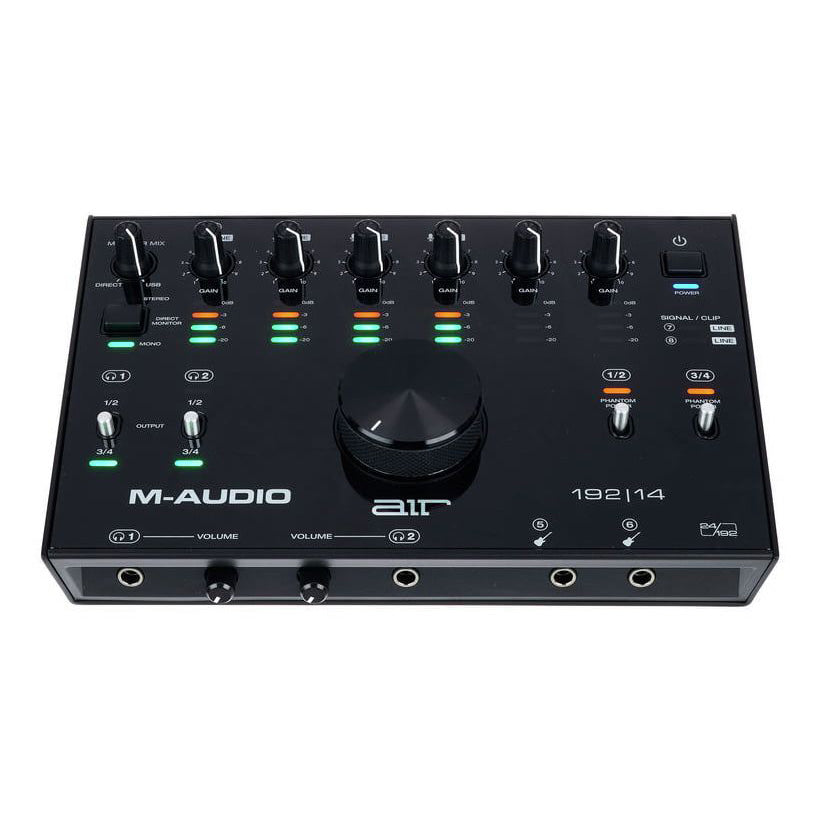
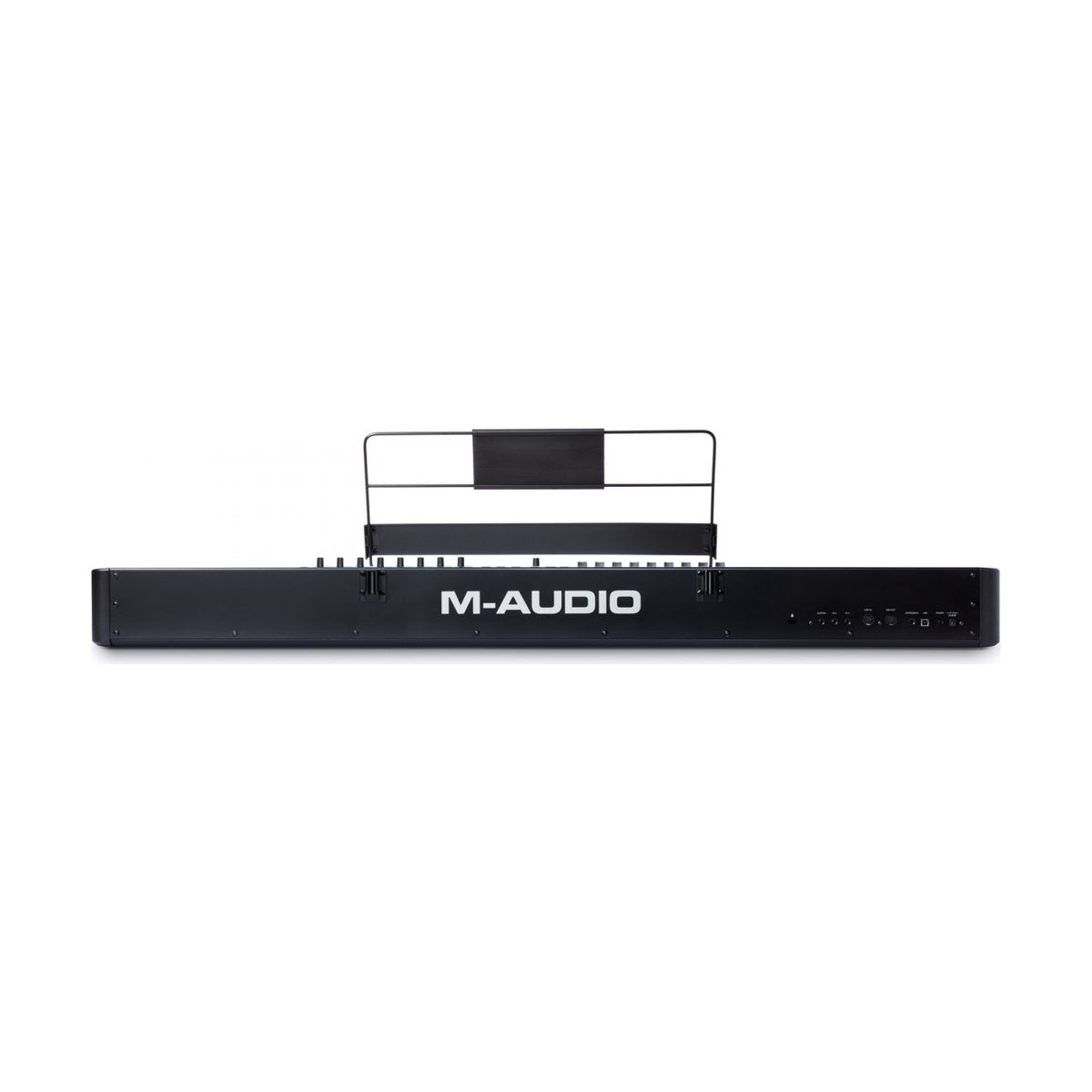
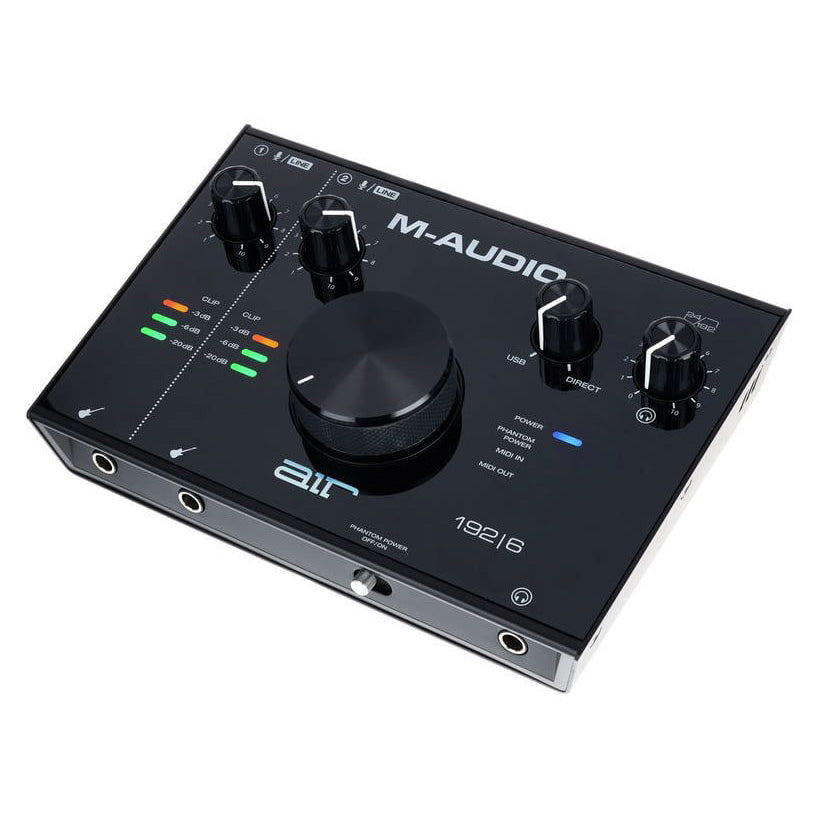
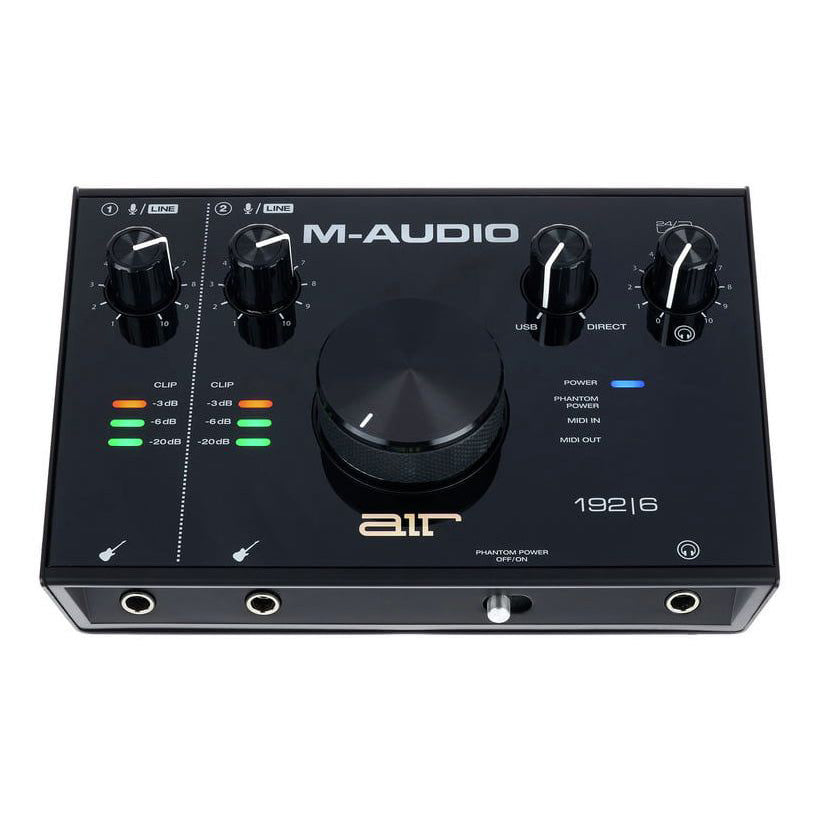
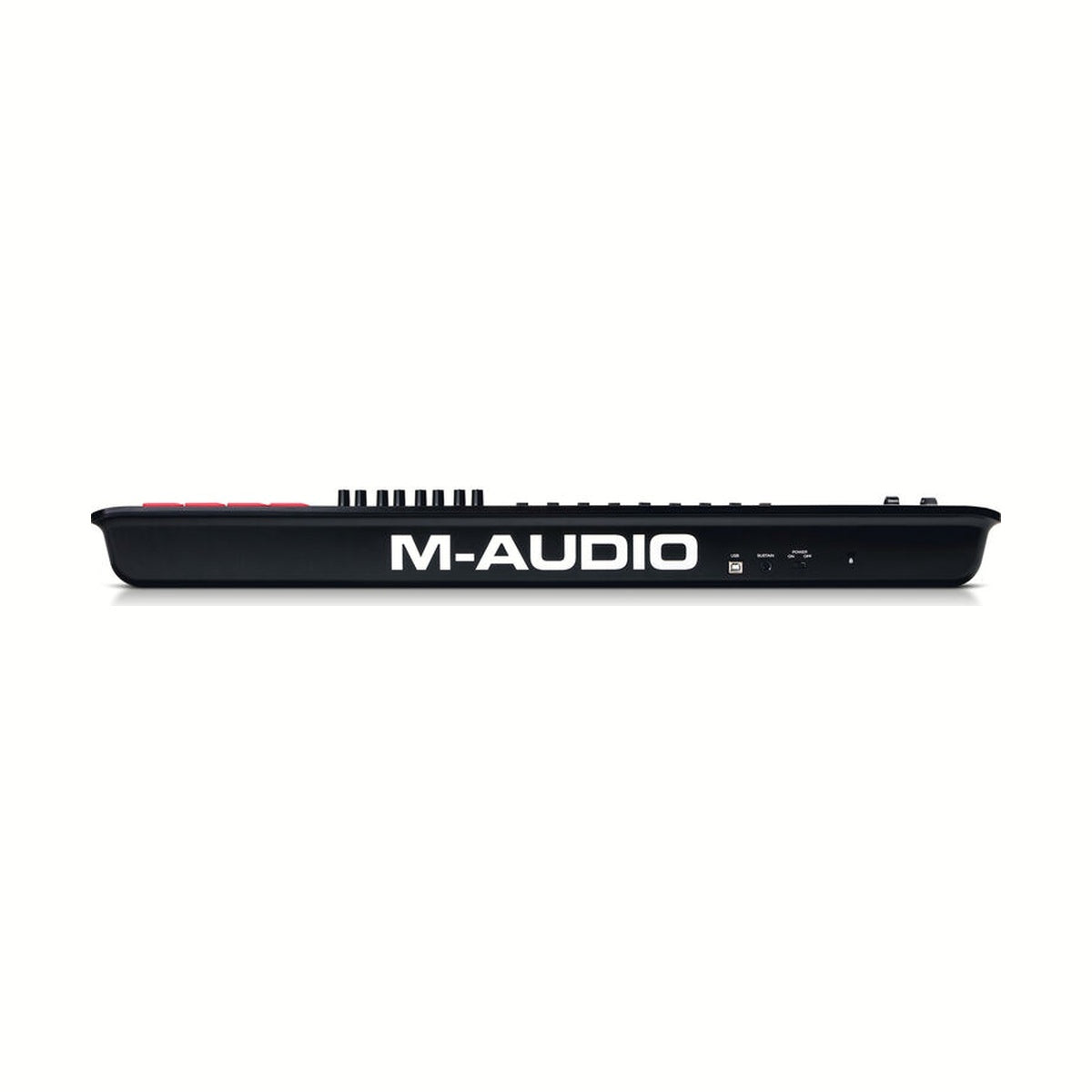
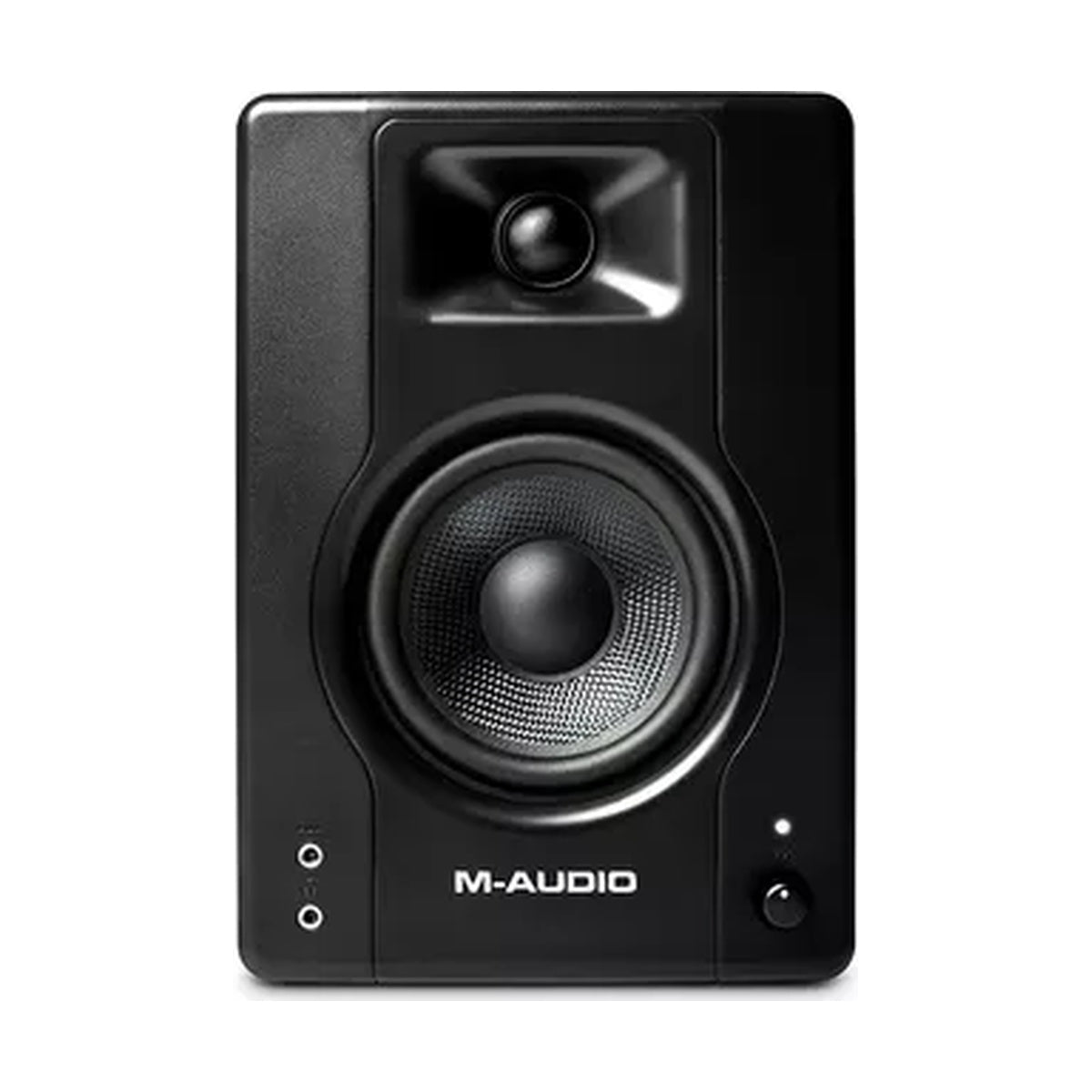
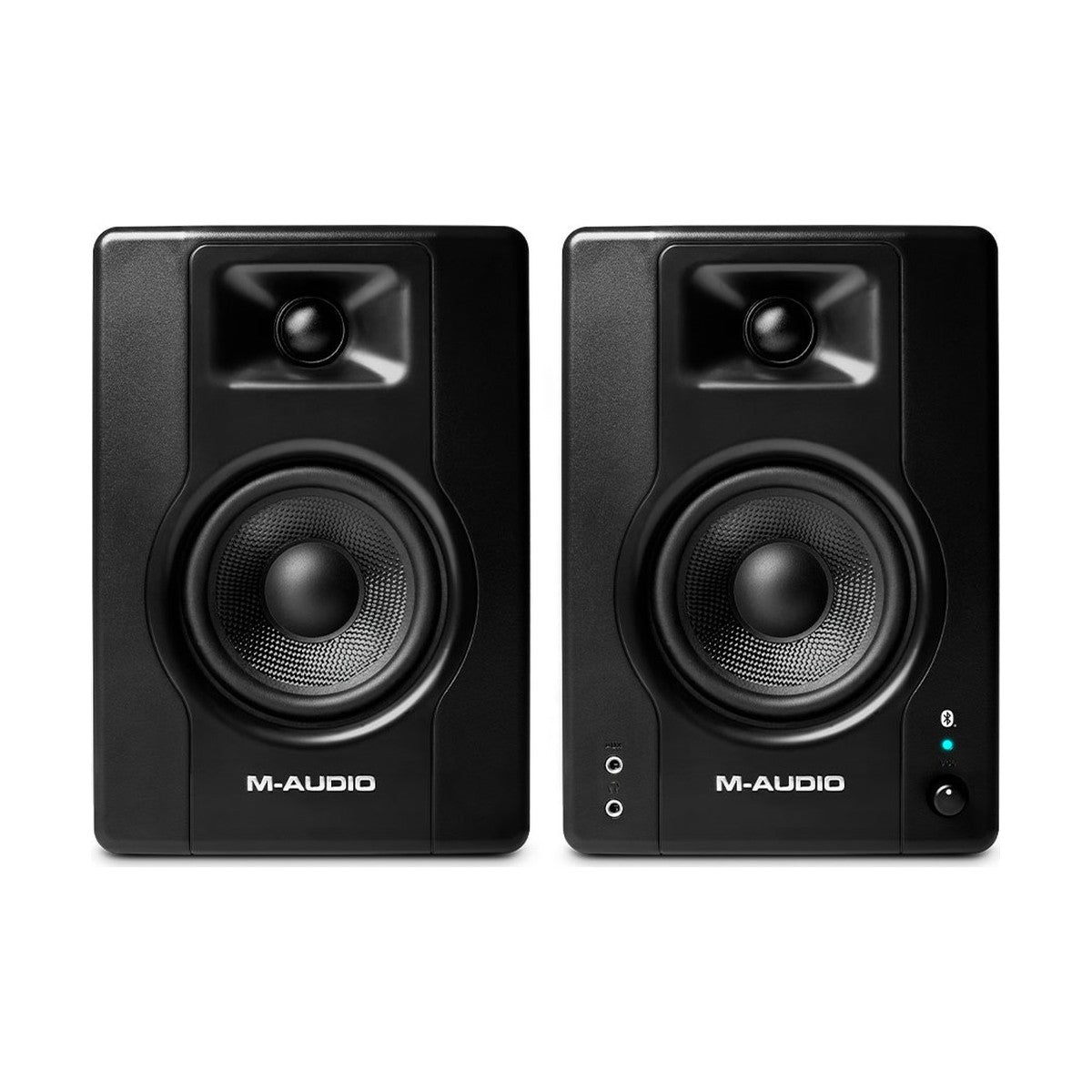
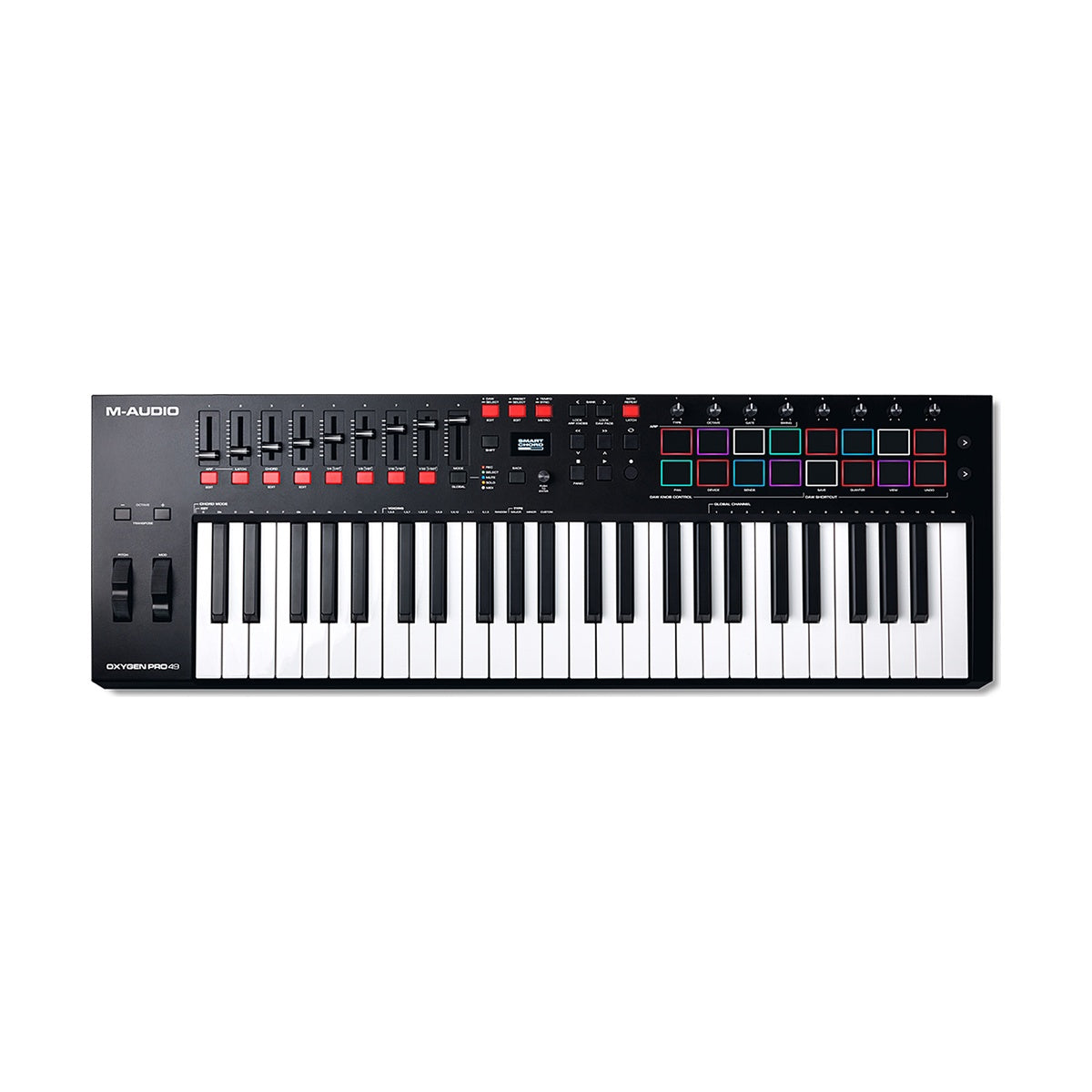
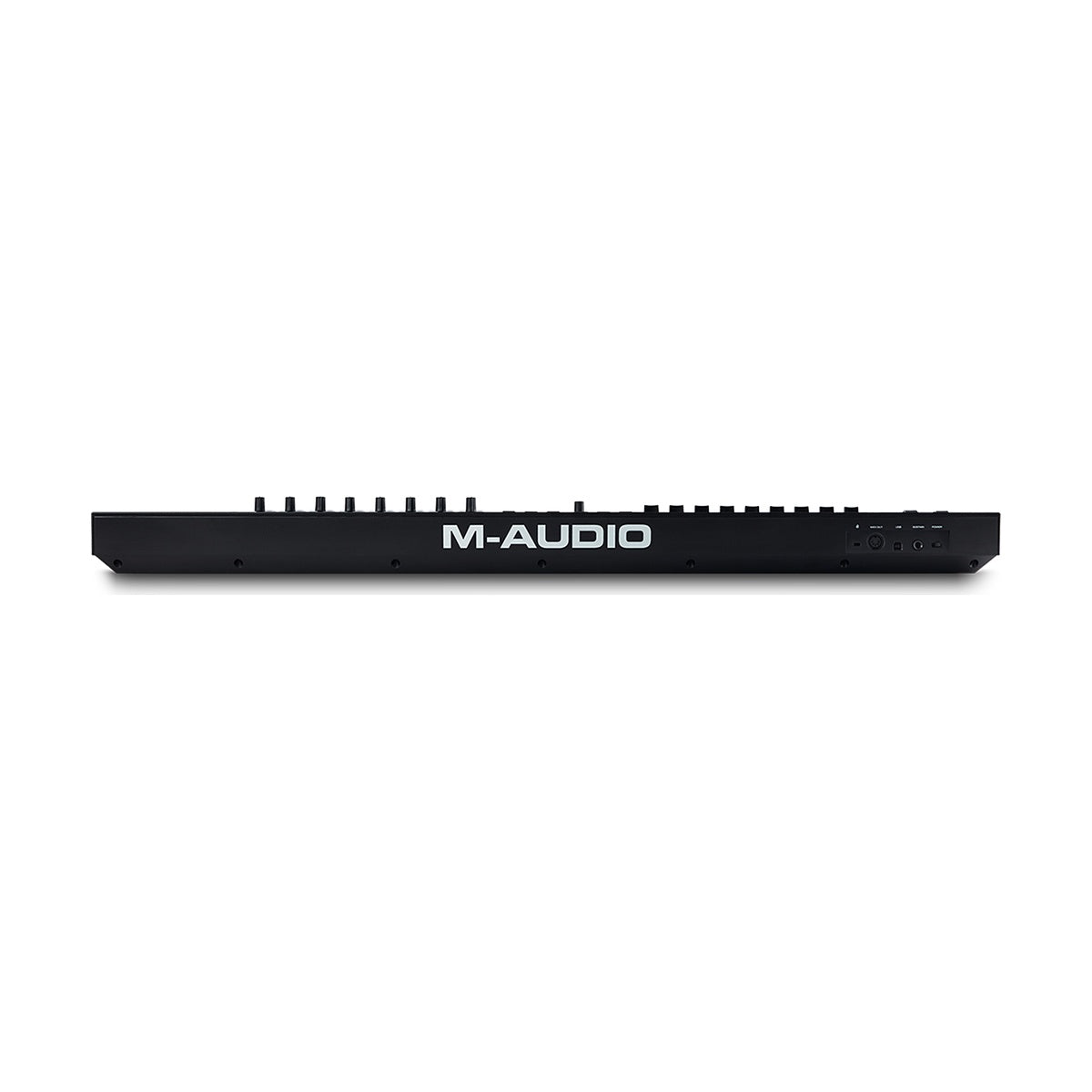
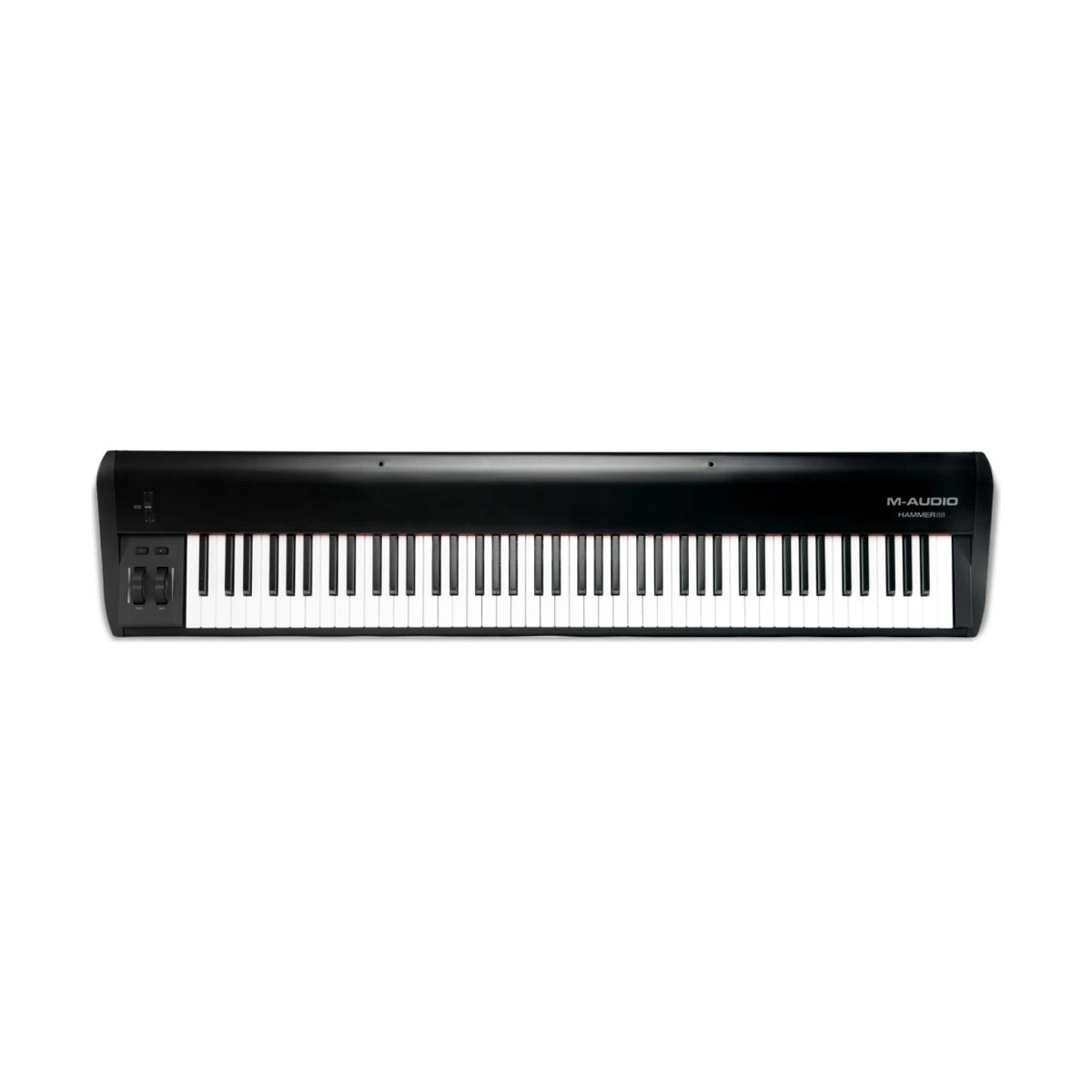
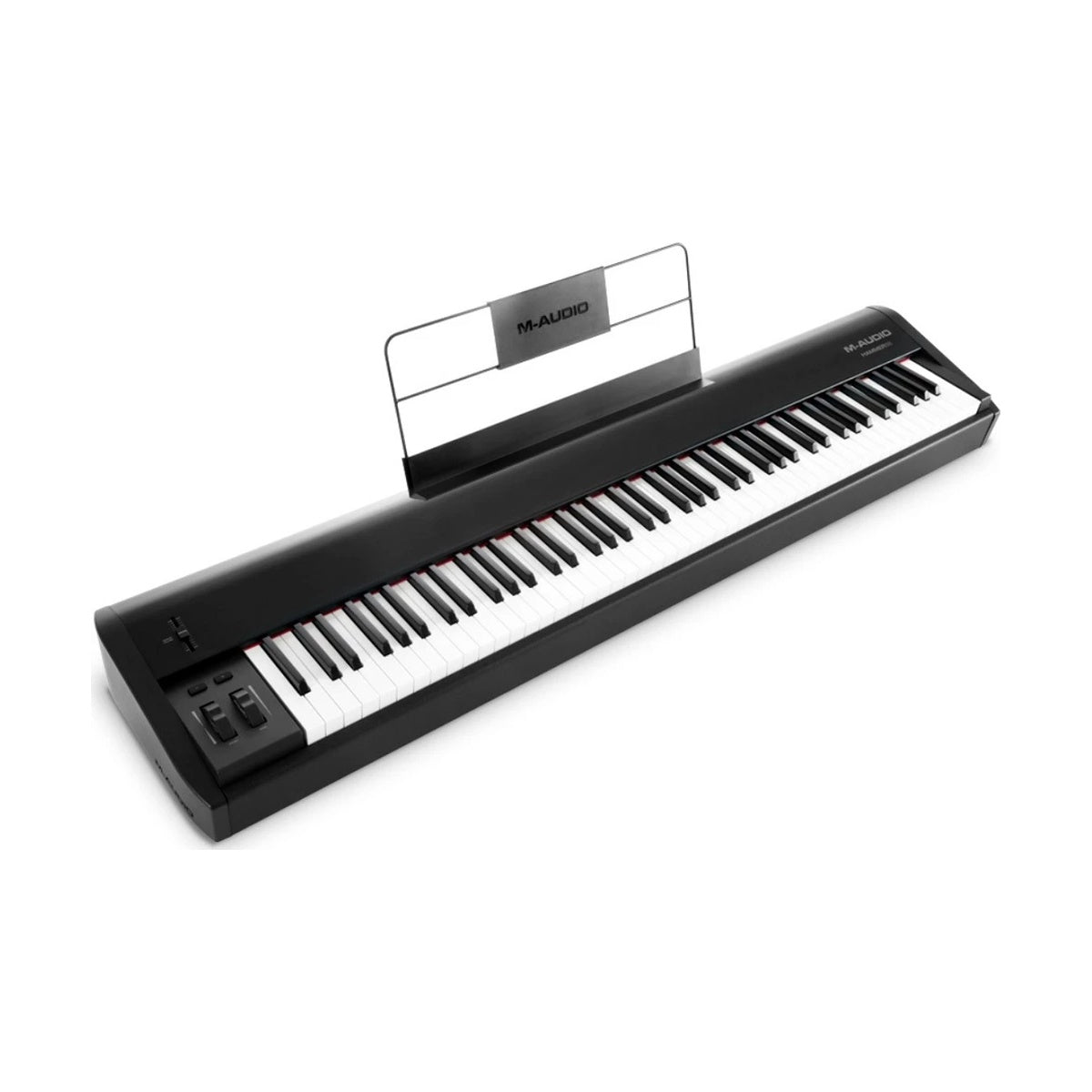
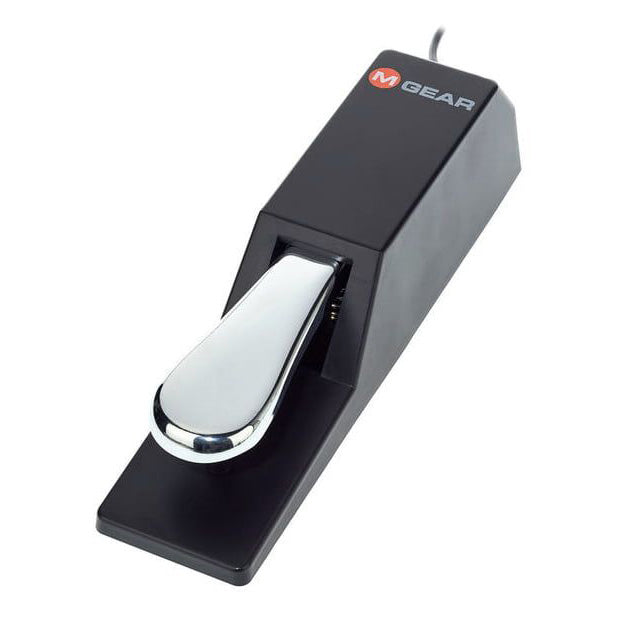
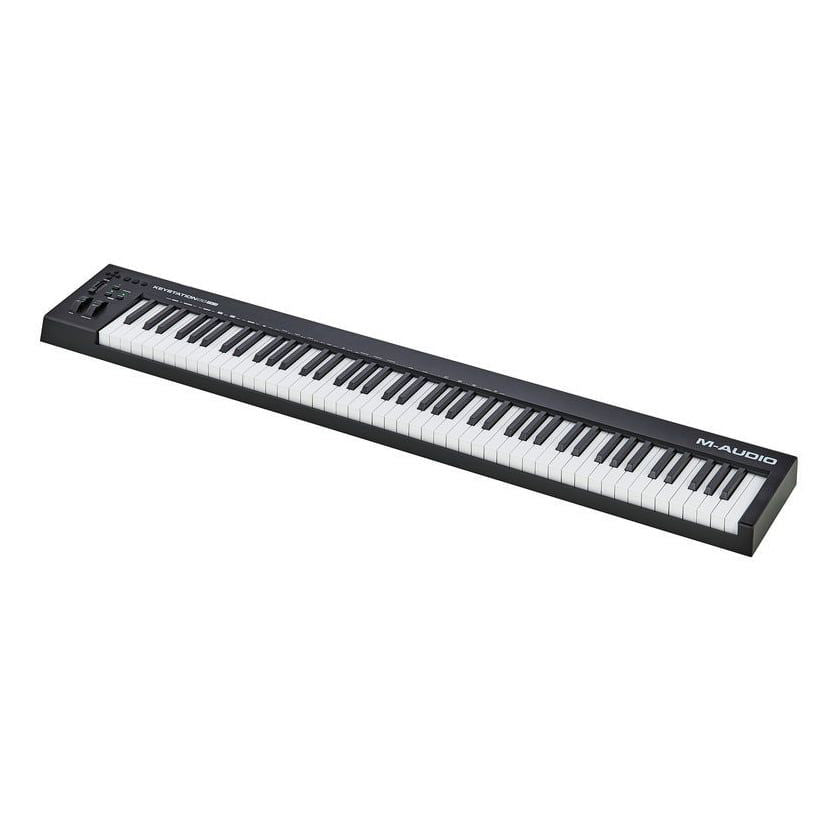
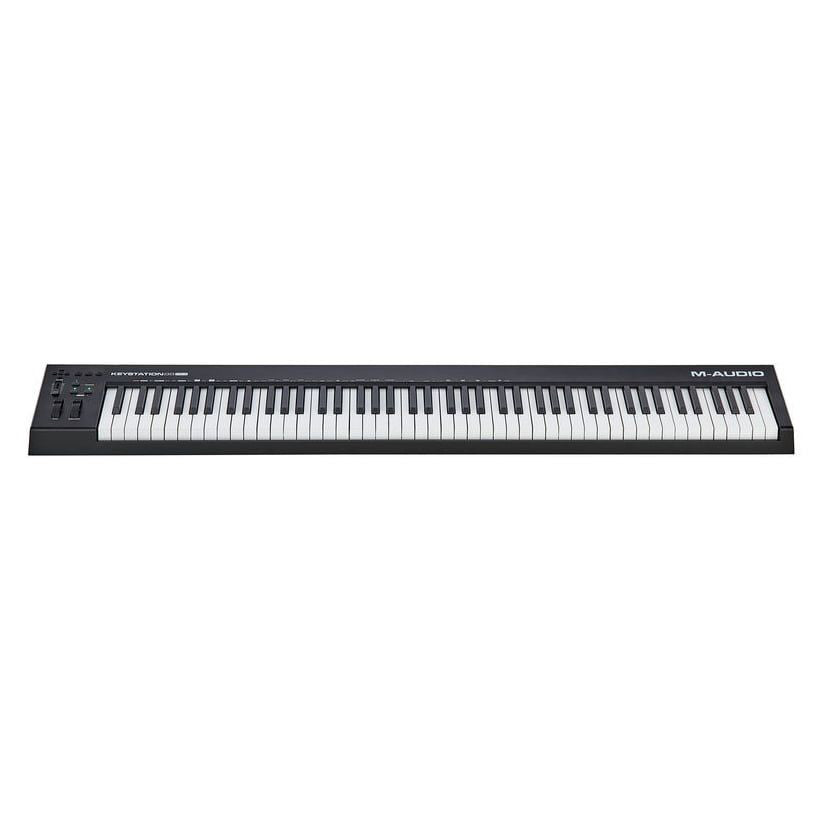
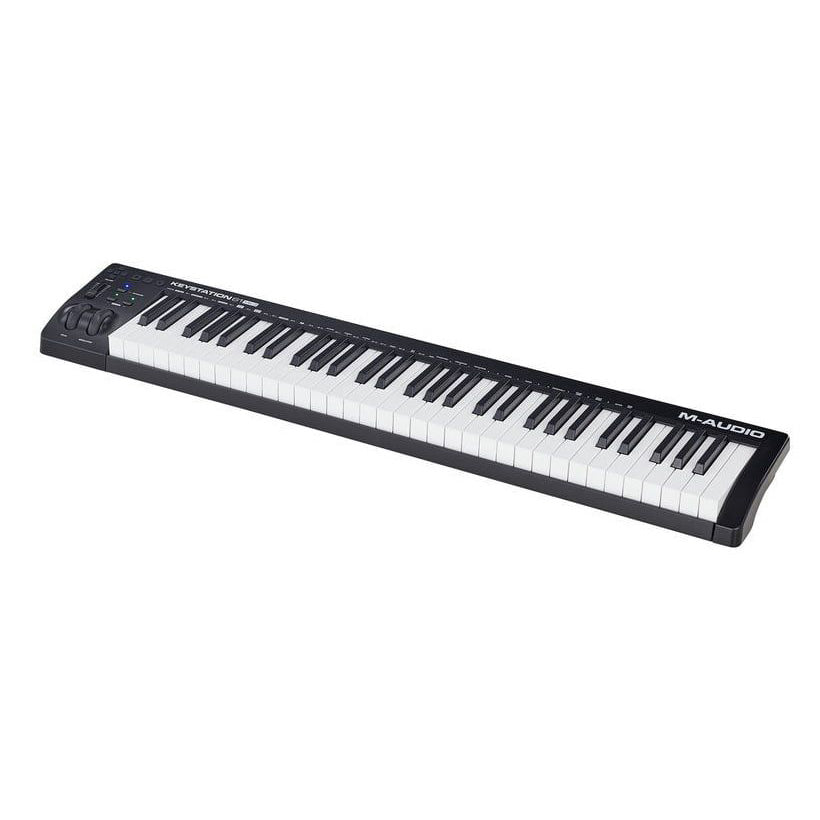
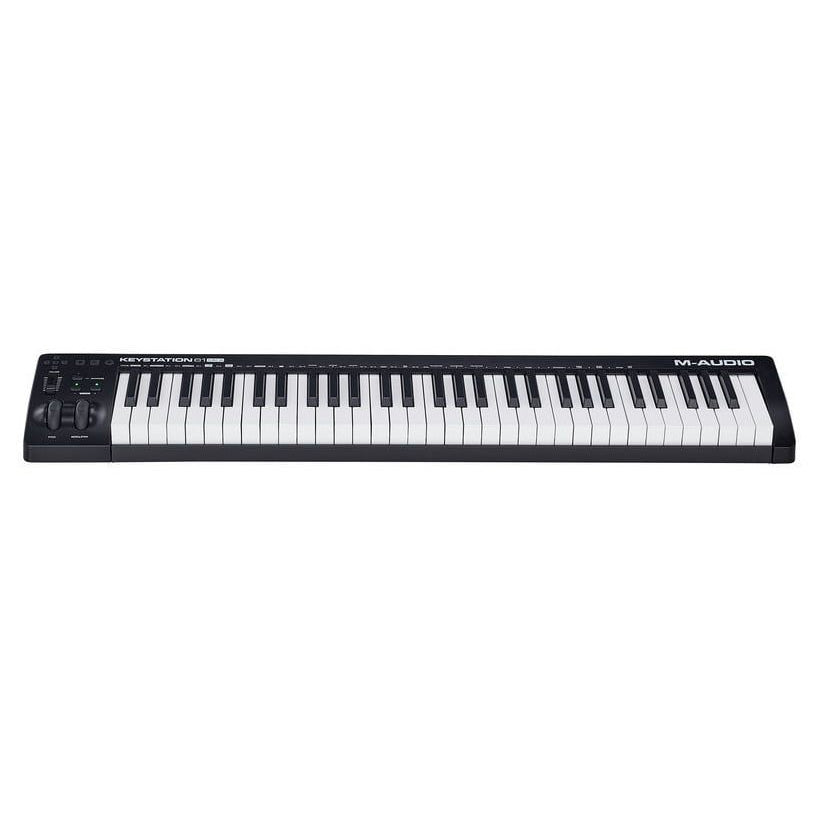
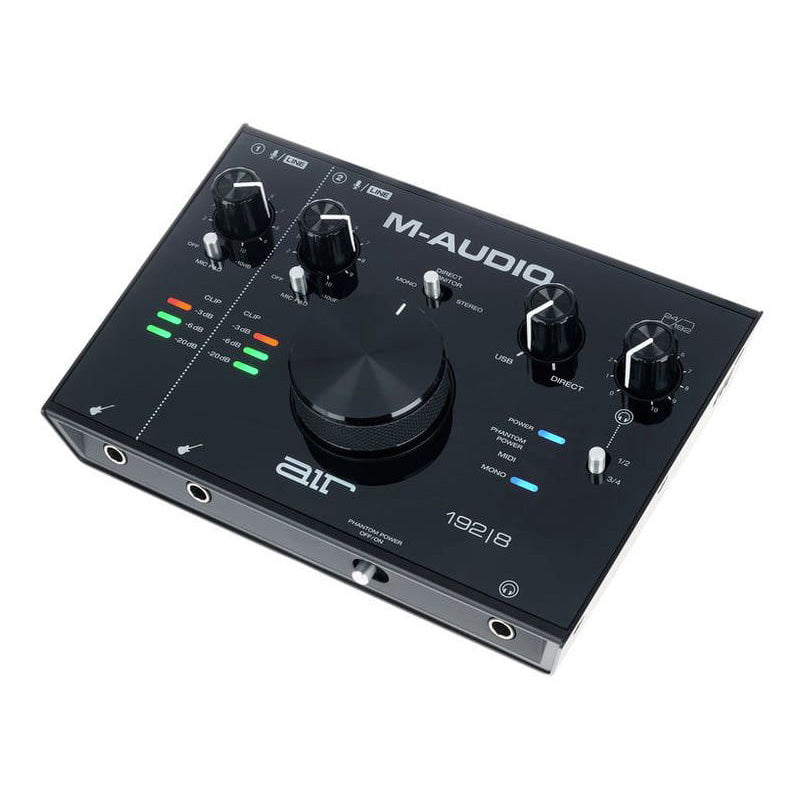
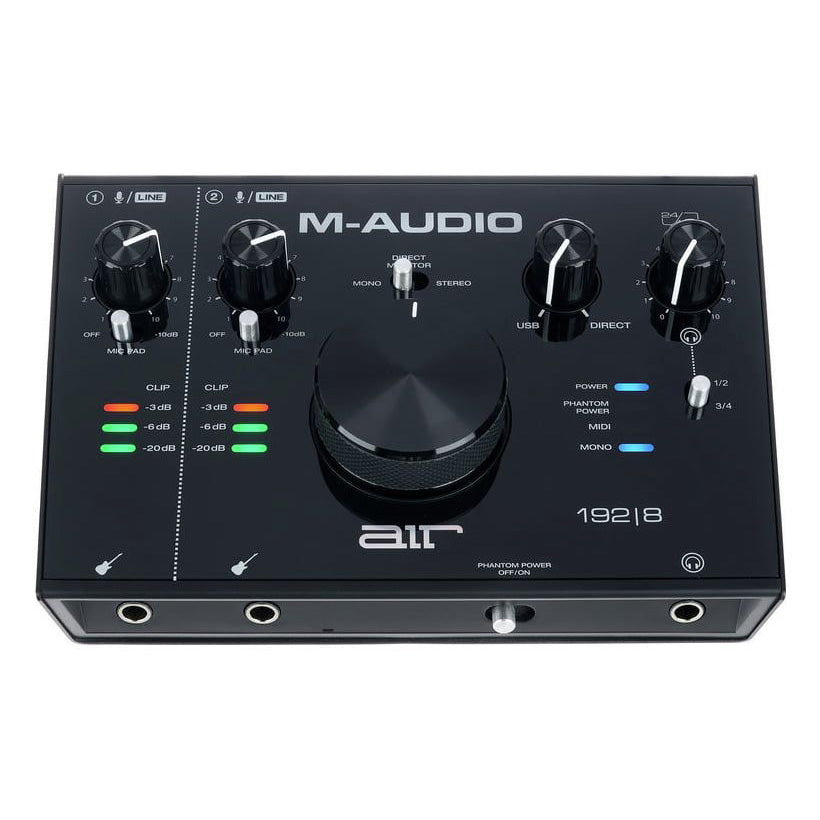
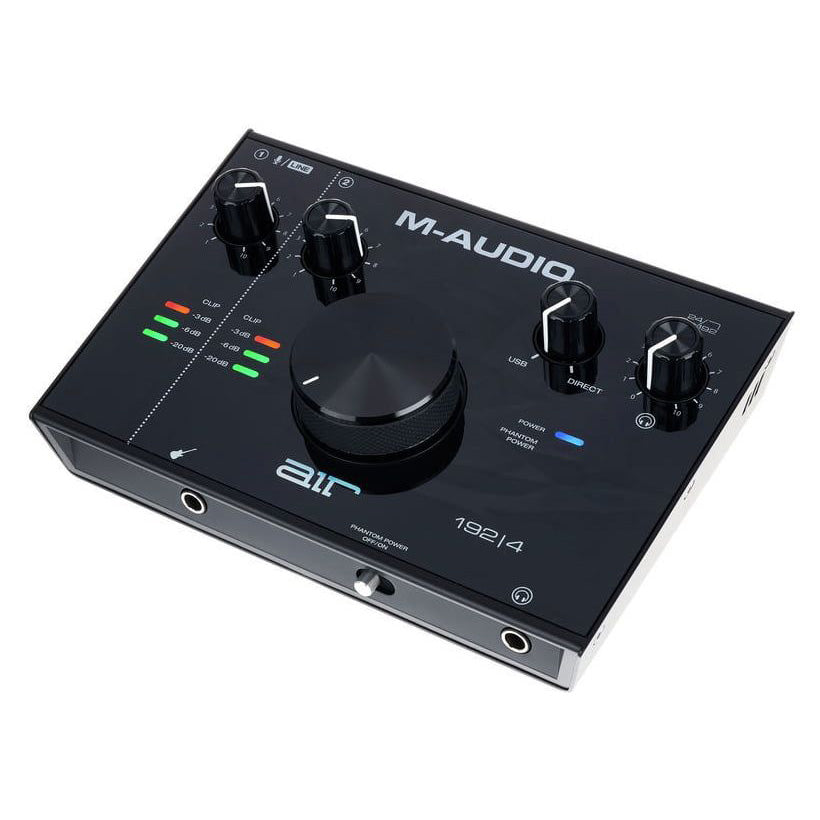
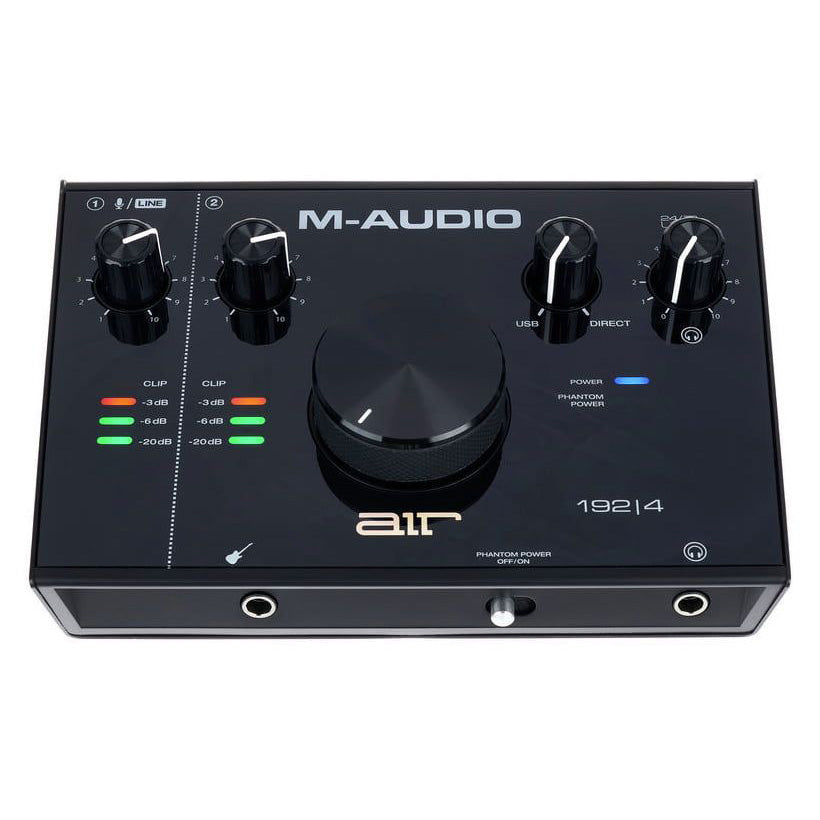
Chez Wired Tunes, nous proposons toute la gamme M-Audio — interfaces audio des séries M-Track et AIR, claviers contrôleurs Oxygen et Keystation, et moniteurs de studio BX et AV. C'est le choix de ceux qui débutent en production musicale et cherchent du matériel fiable et abordable — une marque qui a initié trois décennies de producteurs à l'enregistrement numérique.

M-Audio