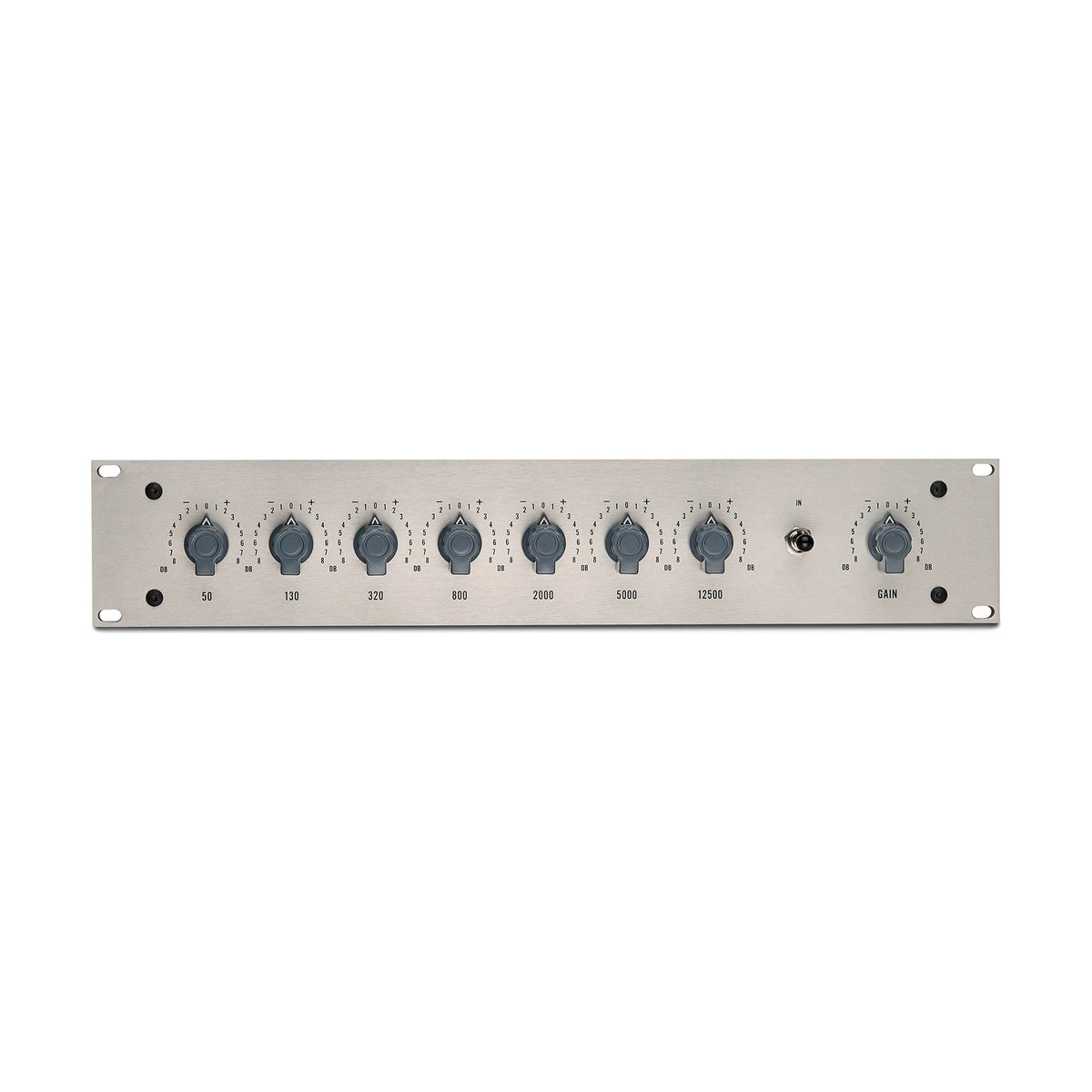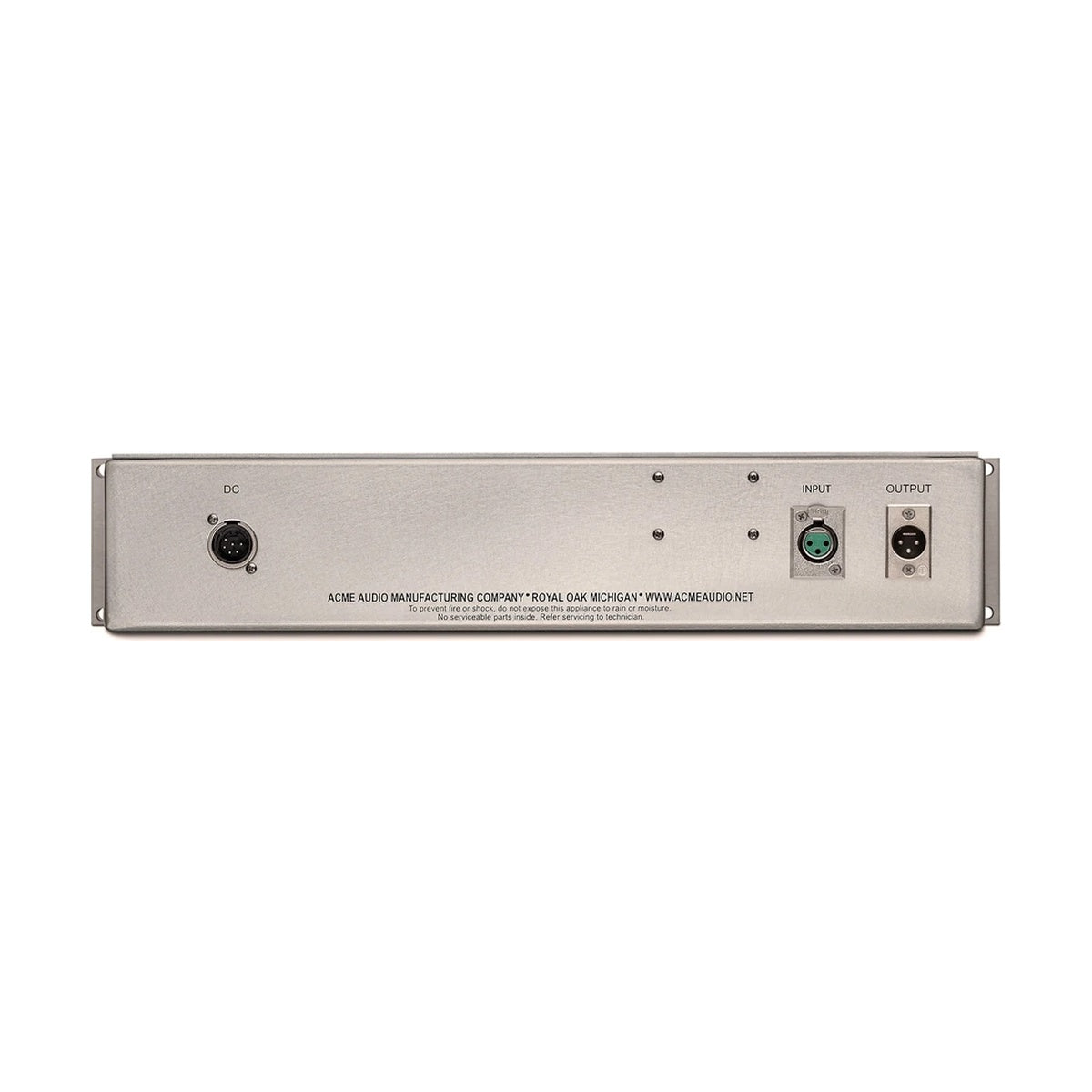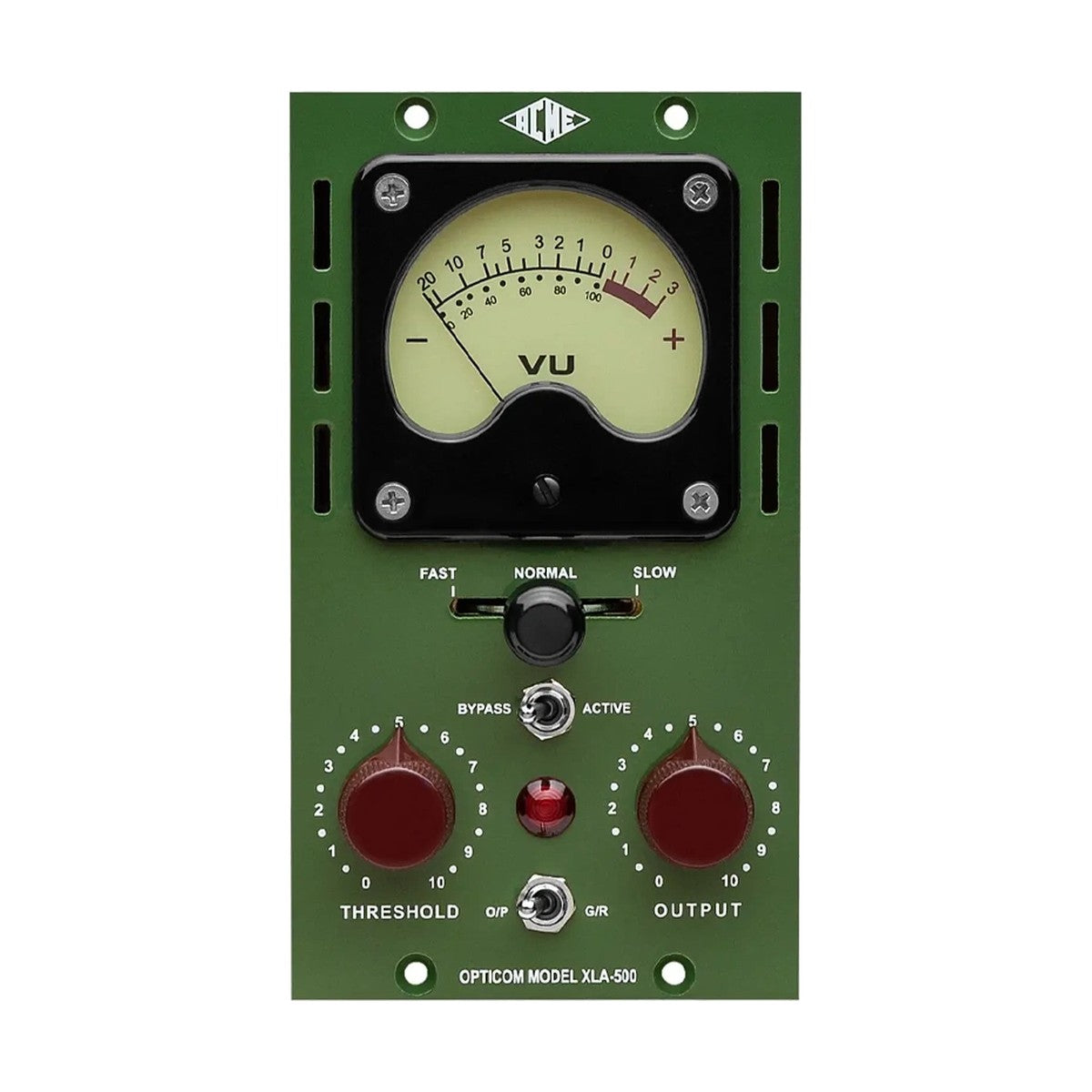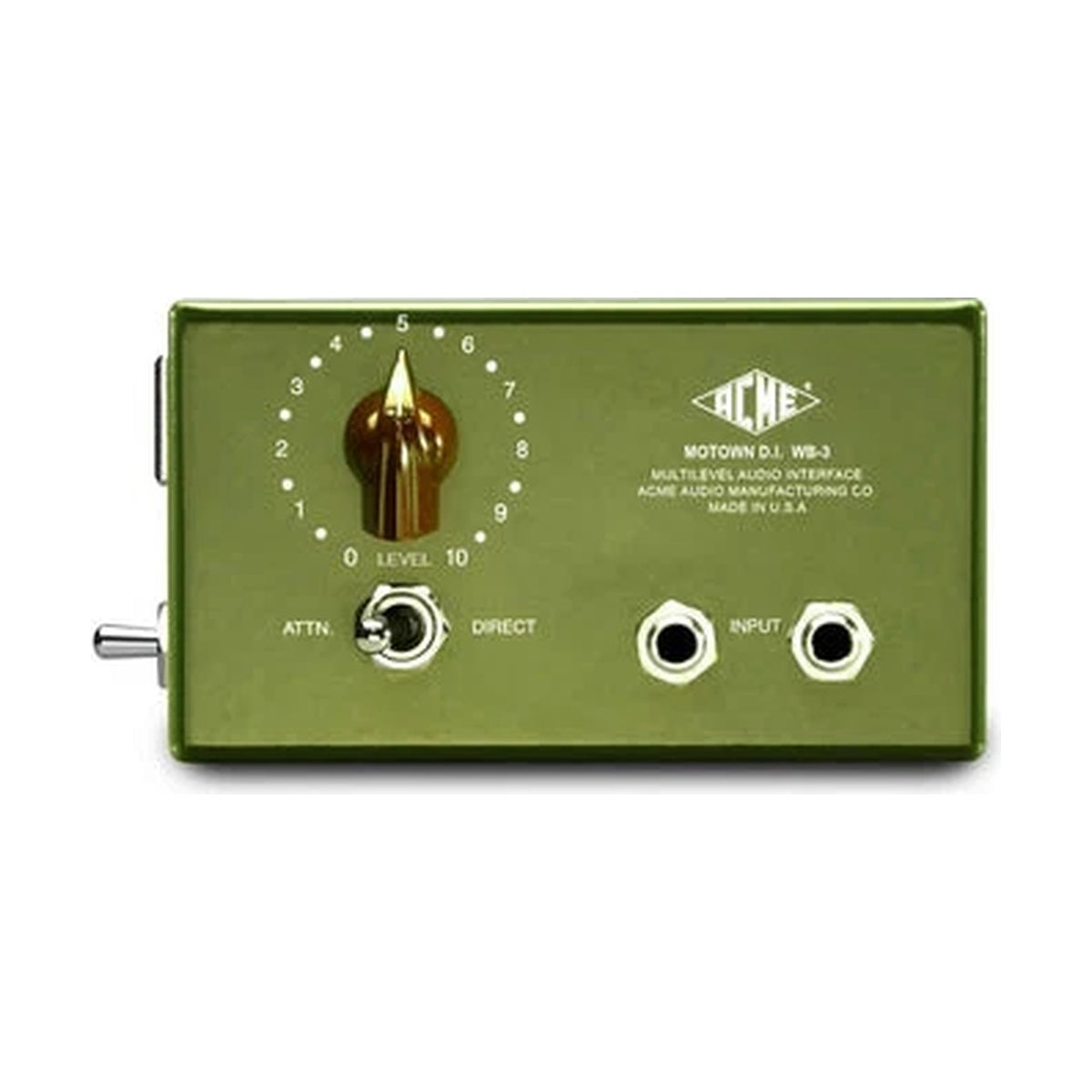


Acme Audio Manufacturing Company rebuilds the circuits that Motown records went through, made again in the USA — point to point, on parts chosen to match the original rather than today's catalogue. The brand came out of a studio: it was started by Detroit engineer Al Sutton. Four devices, each doing a different job: the Opticom XLA-3 is a tube optical limiter, the Motown D.I. WB-3 a direct box, the MTP-66 a tube preamp with DI, and the Motown EQ a seven-band passive equalizer.
Who it's for
- Bass players and the people recording them — the WB-3 is the exact character on those records, not an approximation of it.
- Vocal engineers — the XLA-3 pushes a vocal forward rather than only levelling it.
- Studios running a vintage chain, where it matters that a box reproduces a specific design instead of gesturing at an era.
If you want transparency and a signal that arrives unchanged, look elsewhere. These boxes colour on purpose, and that is the point.
What the range covers
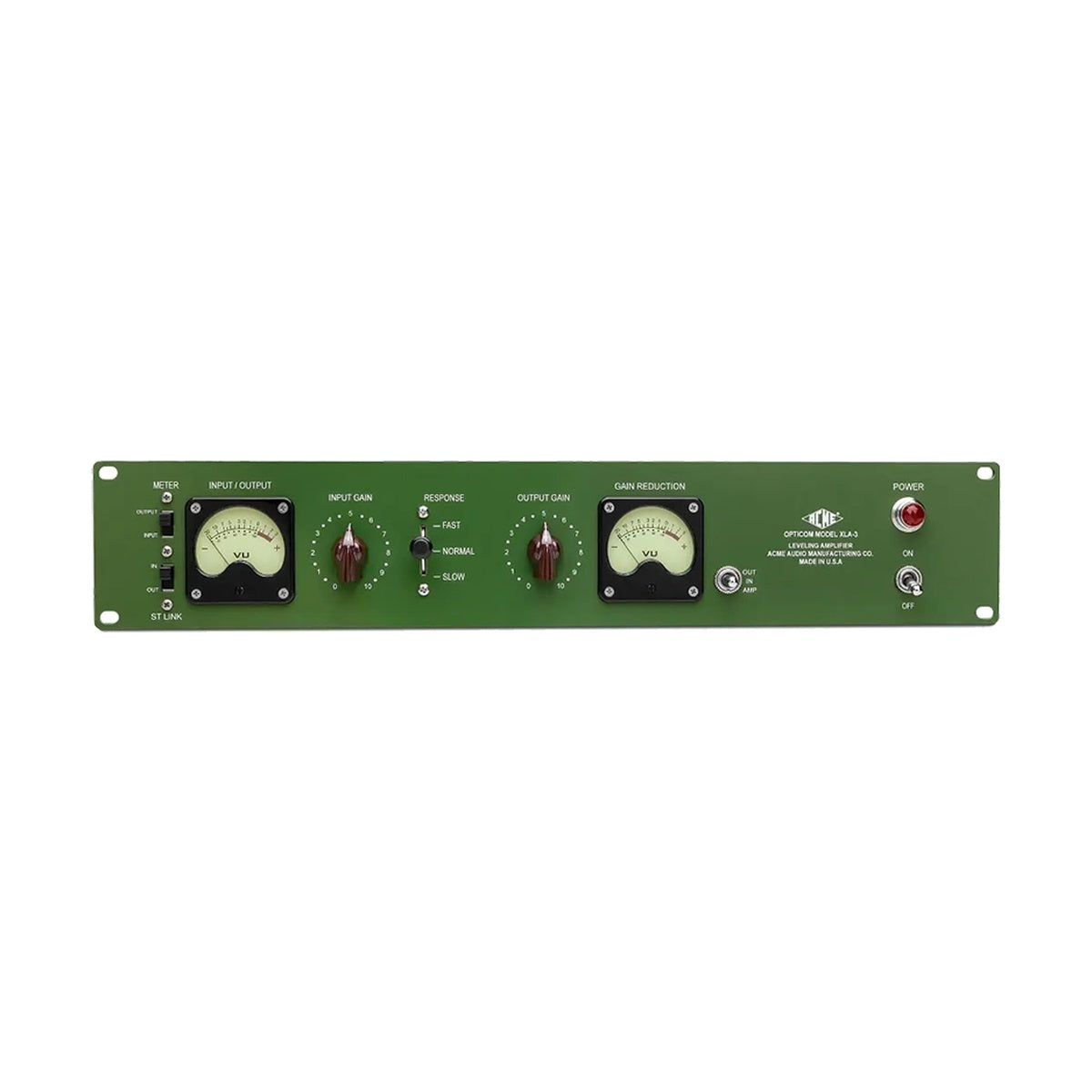
- Opticom XLA-3 MKII — single-channel, all-tube optical limiter with a triple optoelectronic circuit and CdSe photocells. Normal, Fast and Slow modes plus an Amp mode with no reduction.
- Opticom XLA500 — the same idea in 500-series format.
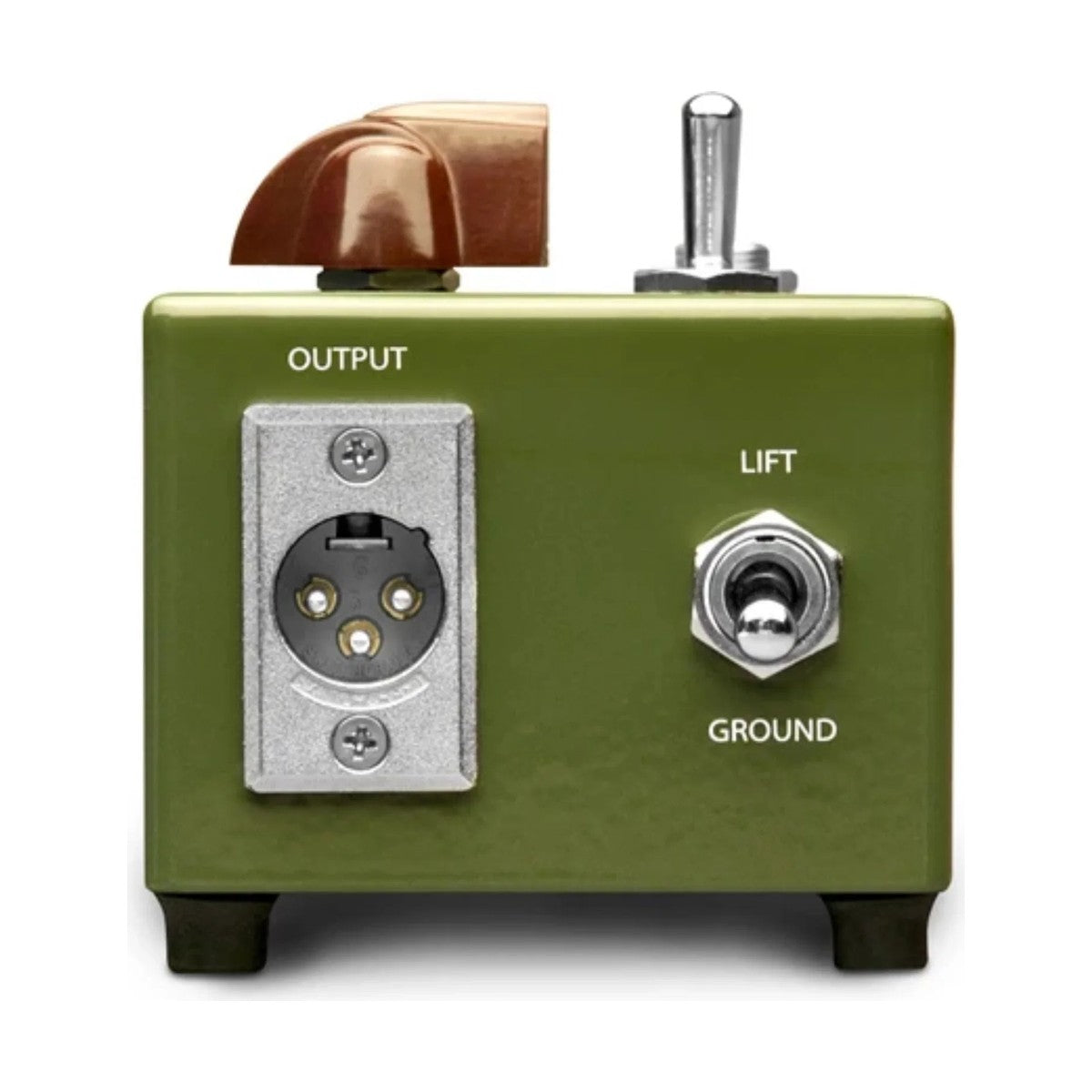
- Motown D.I. WB-3 — passive direct box whose transformer is made by the original manufacturer, with an adjustable pad.
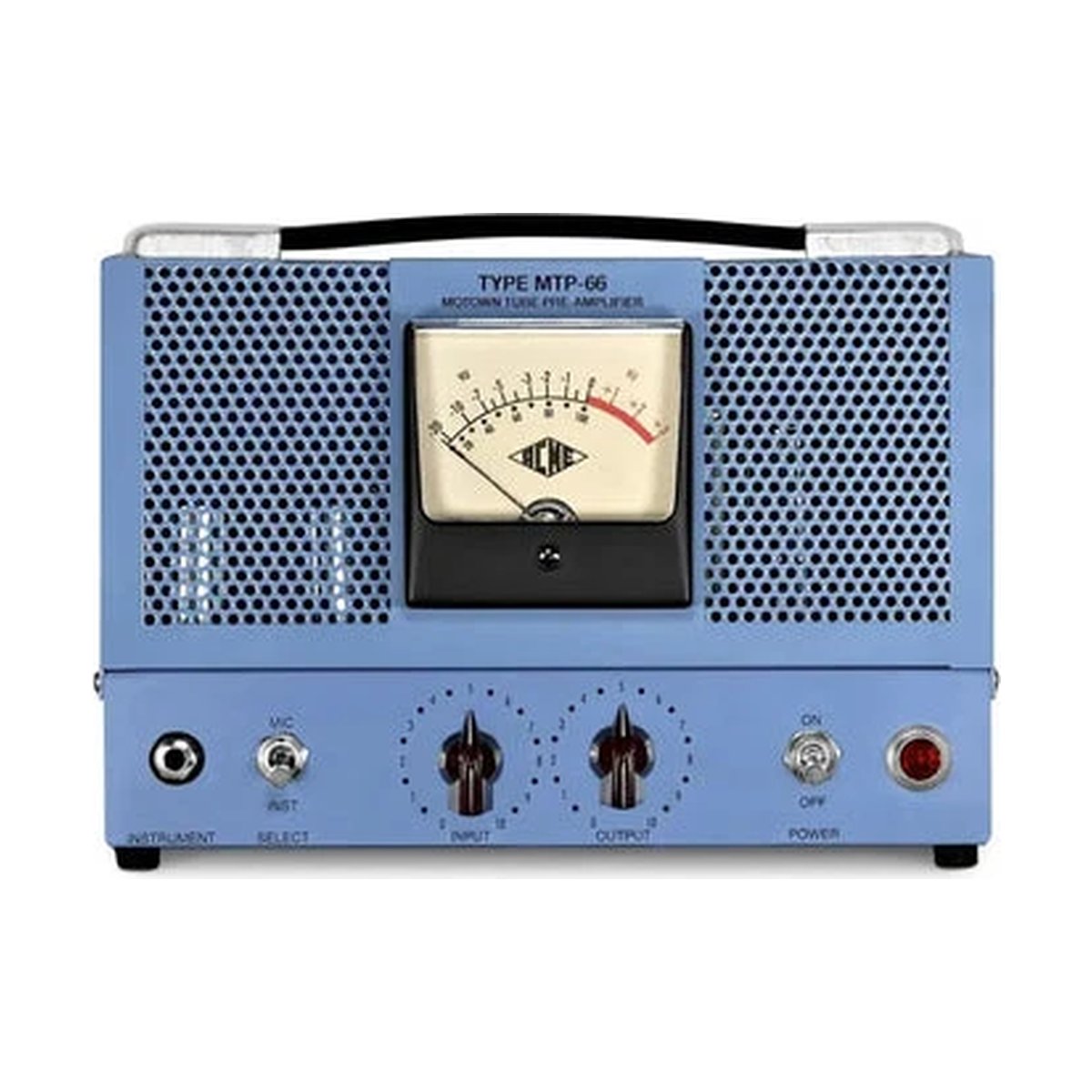
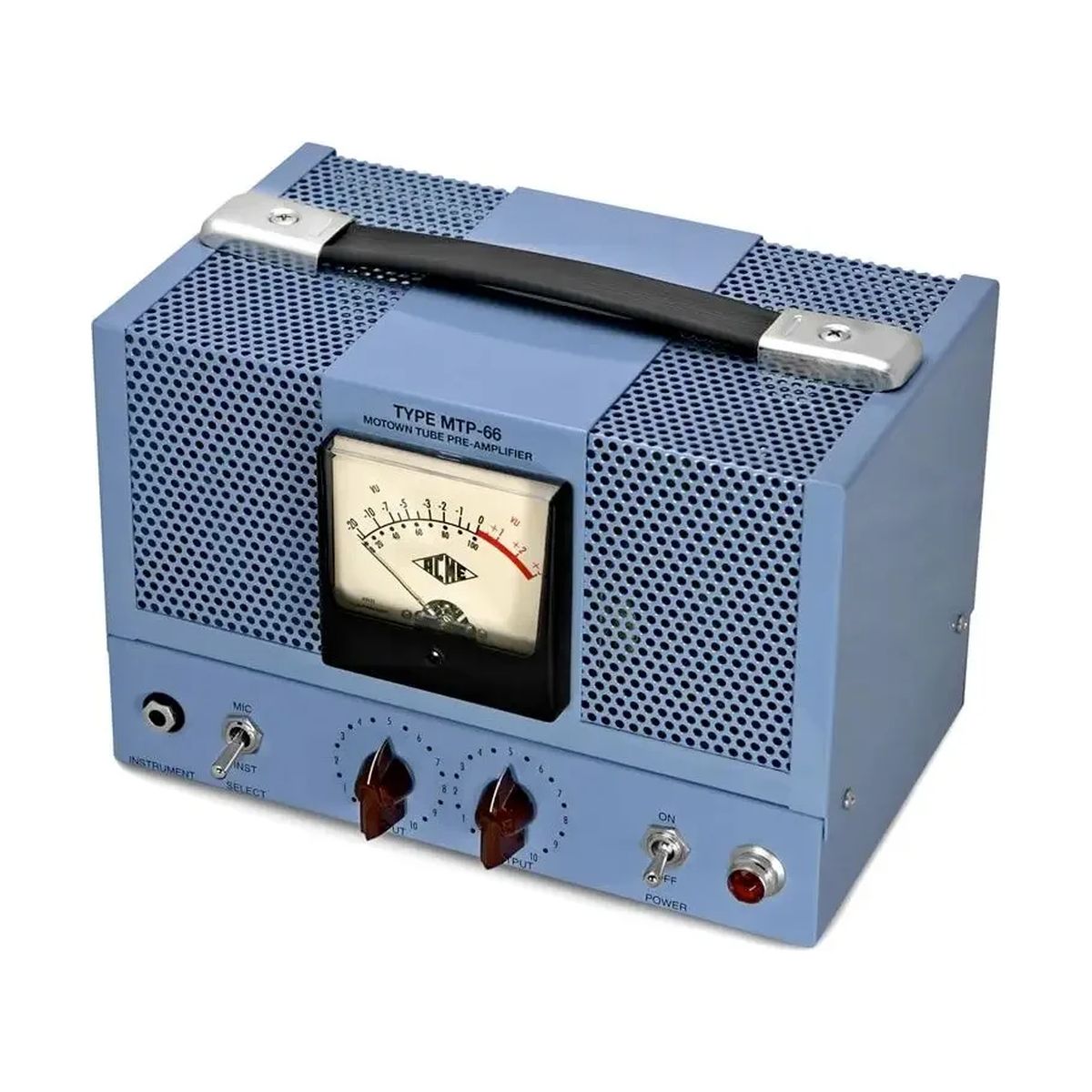
- MTP-66 — tube preamp and DI rebuilt from 1966 schematics, with a Cinemag output transformer and separate input and output controls.
- Motown EQ — seven-band passive EQ on rotary switches, up to 8 dB per band, with Mesanovic inductors and an AMI A24 input transformer.
How the models differ
| Model | What it is | Key feature | What to use it on |
|---|---|---|---|
| Motown D.I. WB-3 | Passive direct box | Transformer from the original maker, recognisable colour, adjustable pad | Bass, Rhodes, keys |
| Opticom XLA500 | Optical limiter, 500 module | The way in if you already own a 500 rack | Vocals, bass, single tracks |
| MTP-66 | Tube preamp and DI | Rebuilt from the 1966 schematic, Cinemag transformer, drive set by input and output together | Bass and guitar straight into a tube, no amp |
| Opticom XLA-3 MKII | Tube optical limiter, 2U | Three compression curves instead of one, up to 29 dB of reduction, 34 dB of makeup, stereo link | Vocals, drum bus, bass |
| Motown EQ | Seven-band passive EQ | Stepped inductor-based shaping, 8 dB per band maximum, 10 Hz–30 kHz | Bass, horns, finished mixes |
What to choose
- Your bass goes into the interface and lands thin — Motown D.I. WB-3. The cheapest way in and the biggest change to a single track.
- You want bass recorded without an amp but with weight — MTP-66: the signal arrives already compressed and saturated.
- The vocal still hides in the mix — Opticom XLA-3 MKII. Slow leaves transients alone; Fast behaves closer to a FET design.
- You have a 500 rack and want to try the character — Opticom XLA500.
- You want EQ that doesn't sound like a plugin — Motown EQ. A passive inductor design means 3 dB here does more than 6 dB in a typical digital EQ.
Browse also: compressors and limiters, preamps and equalizers.
Before you decide
- How to record vocals at home — where the problem in your chain actually is.
- The best audio interface — what should be sorted before you add outboard.
Why buy from us
All four designs are in stock. In our Warsaw showroom (Nowogrodzka 6A/102) you can run your own bass through the WB-3 and through an ordinary direct box back to back — that comparison settles it in a minute. Selected gear qualifies for our Test-Drive: 30 days, free, and everything comes with 36 months of warranty, 30 days to return with no reason given and EU-wide delivery.
Brand history
Acme Audio grew out of a studio: it is run by Detroit engineer Al Sutton, and the Opticom was its first series-produced unit. The Motown rebuilds followed. The Motown D.I. was designed in the early 1960s by a young engineer at the label; players plugged straight into it and got a distinctive, coloured distortion — James Jamerson, Dennis Coffey and Bob Babbitt all recorded through it. The MTP-66 reproduces the five-channel Motown input box of 1966, used in Detroit on guitars and bass until 1972. The Motown EQ was designed by the label's chief engineer Mike McLean; only 48 originals were ever built.