Condenser vs Dynamic Microphone, Which One to Choose
The short version of condenser vs dynamic microphone comes down to one thing, sensitivity. A condenser mic is highly sensitive and detailed, so it captures air and nuance beautifully, and it needs a quiet, treated room plus phantom power to behave. A dynamic mic is tougher and less sensitive, so it ignores most of the room and shrugs off loud sources. Condensers hear everything. Dynamics hear you and politely ignore your neighbour drilling at 9am.
The short version. Pick a condenser for pristine studio vocals, acoustic guitar and detail, but only if your room is quiet and treated. Pick a dynamic for live vocals, podcasts in an untreated room, guitar amps and drums, and anything loud. Condensers need +48V phantom power, dynamics do not. If your room is bare and noisy, a rugged dynamic like the Mojave MA-D at around 175 euro will beat a fancy condenser every time. Come test a few side by side at our Warsaw showroom.
The quick answer, side by side
Before the deep dive, here is the whole argument in a breath. A dynamic microphone is rugged, needs no power, handles brutal volume, and rejects background noise. A condenser microphone is delicate, needs phantom power, captures far more detail, and hears the whole room whether you invited it or not. Neither is better. They are different tools, the way a hammer is not better than a screwdriver, it just has strong opinions about nails.
- Sensitivity. Condenser high, dynamic low. This one fact drives everything else.
- Power. Condenser needs +48V phantom power. Dynamic needs nothing.
- Loud sources. Dynamic handles a screaming guitar cab. Condenser can distort or clip.
- Room. Dynamic forgives a bad room. Condenser exposes it.
- Detail. Condenser captures air and sparkle. Dynamic sounds tighter and darker.
How a dynamic microphone works
A dynamic mic is a speaker running in reverse. Sound moves a thin diaphragm, the diaphragm moves a coil of wire near a magnet, and that movement generates the signal. No outside power needed, nothing fragile in the path. That simplicity is why a dynamic will survive a tour, a dropped mic stand, and a drummer who thinks the snare is a personal enemy. It also handles very high volume without complaint, which is why you see one clamped to a guitar cab and another on a kick drum.

The trade-off is sensitivity. A dynamic is less sensitive by design, so you sing right up on it and it hears little else. In a bare bedroom with a humming fridge and traffic outside, that deafness is a feature, not a fault. It is also why the podcast world quietly standardised on dynamics like the Shure SM7B, which is a dynamic despite the price tag suggesting otherwise.
How a condenser microphone works
A condenser works on a charged plate instead of a coil. A very thin diaphragm sits close to a fixed backplate and the two form a capacitor. Tiny movements in the diaphragm change the capacitance and produce the signal, which is a delicate electrical trick that needs power to run. That power is phantom power, the +48V your audio interface or mixer sends up the cable. Forget to switch it on and your shiny new condenser sits there in silence, judging you. Twenty years in and I still call it the mysterious blue light of shame when I forget to flip it.
Because the moving part is so light, a condenser reacts to the faintest detail, the breath before a line, the pick scrape on a string, the shimmer at the top of a cymbal. That is the magic and the curse. It captures the performance, and it captures the ticking clock, the laptop fan and the bus outside. A condenser does not do subtle rooms. It does honest ones.
The thing that actually decides it, your room
Here is my one strong opinion, and it will save you money. If your room is untreated, do not buy a condenser yet. I lose sales saying this and I will keep saying it. A sensitive condenser in a bare Warsaw flat gives you the vocal and every hard reflection off the walls, plus the street, plus the neighbour's dog. People blame the mic, upgrade the mic, and get the same boxy result, now more expensive. A dynamic gets close to the source and leaves the room out of it. That is the fix that fits a real bedroom.
Put a number on it. A 768 zł, around 175 euro, dynamic like the Mojave MA-D in a bad room will out-record a 49,788 zł, around 11,449 euro, flagship condenser like the Telefunken U47 in that same bad room, every single time. The condenser is the better microphone. The room is the better argument, and the room always wins. Treat the room first, then the condenser earns its keep. If you are recording voice, our full guide to recording vocals at home walks through the treatment side.
Large diaphragm or small, if you go condenser
Condensers split again once you commit. A large-diaphragm condenser has a bigger capsule, a fuller flattering low end, and it is the classic studio vocal look, the mic on the fancy shock mount. A small-diaphragm condenser, sometimes called a pencil mic, has a smaller capsule that tracks fast transients more accurately, which makes it the go-to for acoustic guitar, hi-hats, and anything with sharp detail. If you want one condenser to sing into, get large diaphragm. If you record acoustic instruments, keep a pair of small ones in the bag.
Ribbon mics, the third option nobody mentions
Every condenser versus dynamic article stops at two, and that is a shame, because there is a third family that quietly out-classes both for certain jobs. A ribbon mic uses a thin metal ribbon suspended in a magnetic field. It is technically a dynamic, but it behaves nothing like one. Ribbons are smooth, warm, and famously kind to harsh sources, which is why engineers reach for them on guitar amps, brass and vocals that sound too bright on a condenser. They used to be fragile antiques. Modern ones from makers like AEA and the ribbon range are far tougher, though I still would not hand one to that snare-hating drummer. If a condenser sounds too sharp and a dynamic too dull, a ribbon is often the answer sitting between them.
Which microphone for which job
Skip the theory for a second and match the tool to the task. This is where most people actually land.
- Studio vocals in a treated room. Condenser, large diaphragm. The detail is the whole point.
- Podcasts and streaming in a normal room. Dynamic. It ignores the room and the keyboard clatter.
- Live vocals on stage. Dynamic. Rugged, feedback-resistant, built for the road.
- Loud instruments, guitar amps and drums. Dynamic, or a ribbon on the amp if you want smooth.
- Acoustic guitar and detailed sources. Small-diaphragm condenser for the sparkle and speed.
- Voiceover on a budget with no treatment. Dynamic, every time. Do not fight your room.
What you need to actually plug one in
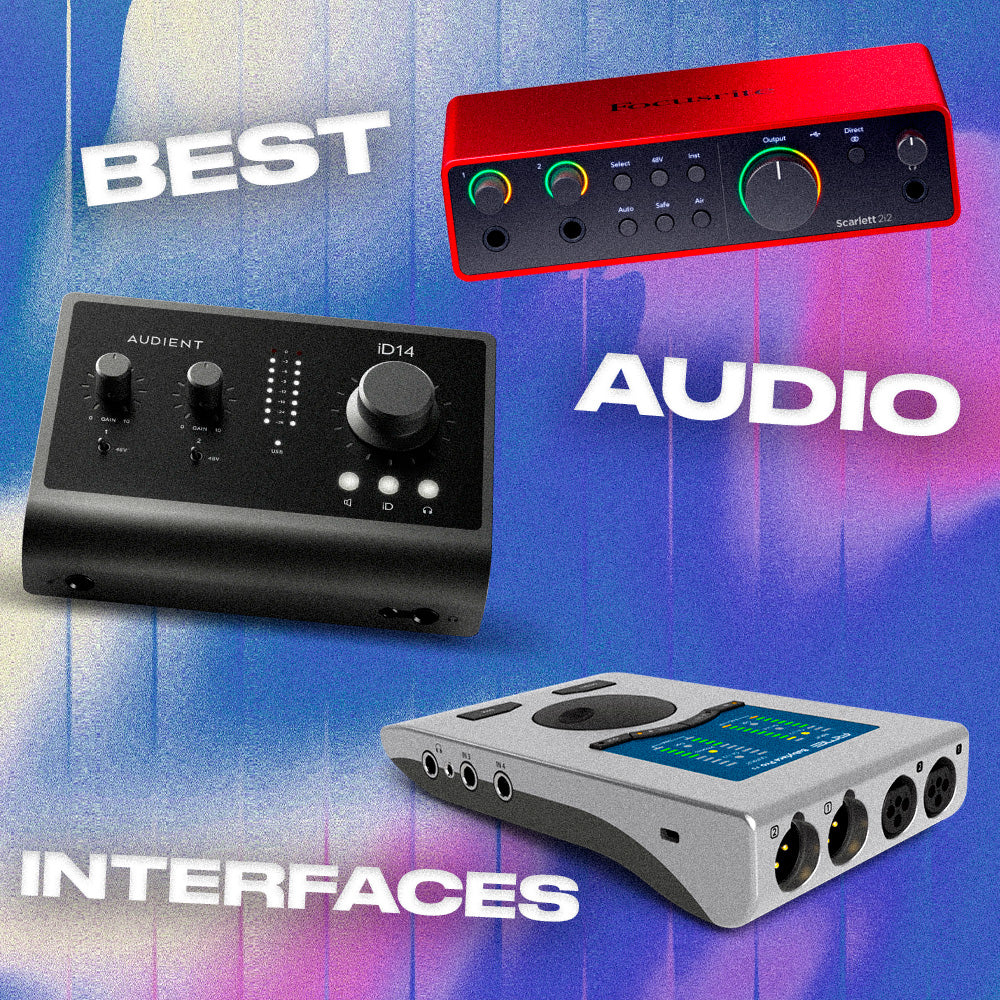
A microphone is only half the chain. Most serious condensers and dynamics use an XLR cable and need an audio interface between the mic and your computer, and that interface is what supplies the +48V phantom power a condenser depends on. A dynamic will run off the same interface without phantom power, so you are covered either way. If you want to skip the interface entirely, USB mics exist that build the interface right into the body, great for a first podcast setup, less flexible once you grow. None of the five below take that shortcut though, they are all XLR studio mics, and the three condensers among them need that +48V. A USB mic and an XLR chain are not basically the same thing, and neither are 44.1 and 48kHz, however often someone insists otherwise.
The mics worth buying, dynamic to condenser
Here is a clean ladder from a first honest dynamic to a flagship treated-room condenser, all things we actually stock and plug in. Prices are today's shelf, and shelf prices move.
- The characterful dynamic. The Mojave Audio MA-D around 175 euro is David Royer's take on a dynamic, warm and forgiving, and it ignores the room the way a good dynamic should.
- The broadcast icon. The Shure SM7B around 488 euro is the dynamic on a thousand podcasts and a few very famous vocals. Yes, it is a dynamic.
- The first real condenser. The RODE NT1 Signature Black around 125 euro is one of the quietest condensers made, a superb first studio vocal mic once your room behaves.
- The multi-pattern workhorse. The sE Electronics 4400 around 494 euro gives you four switchable polar patterns plus a pad and high-pass, a genuine do-everything studio condenser for vocals, acoustic and room work.
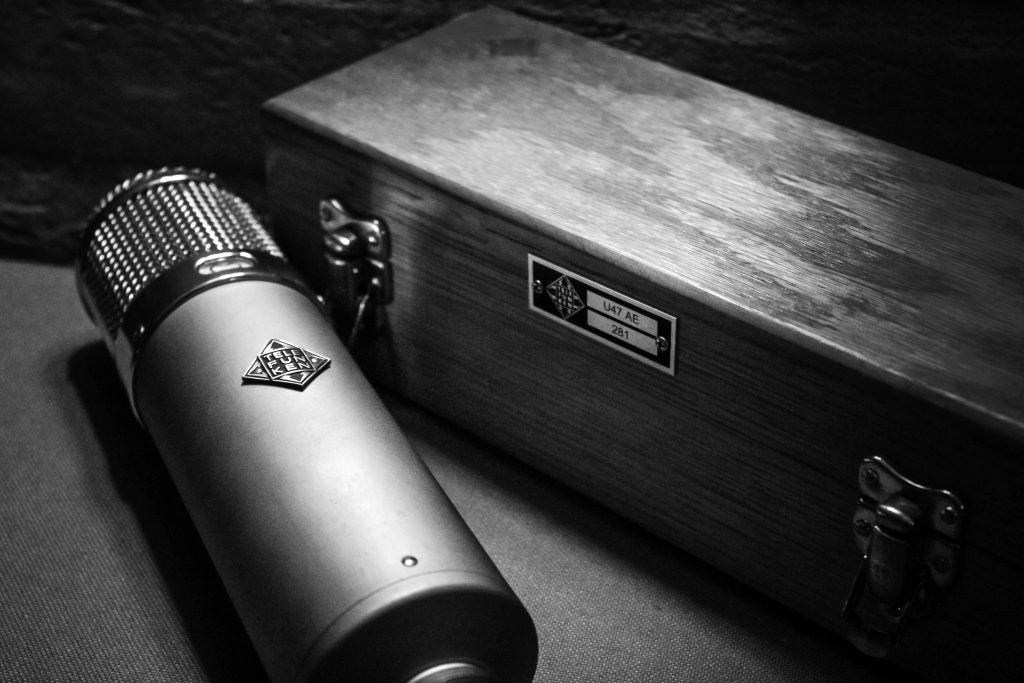
- The flagship. The Telefunken U47 around 11,449 euro is the tube-condenser dream, the mic you grow into once the room is treated and the budget is ready.
Whatever you land on, you get 36-month warranty across the range, a 30-day return window, and delivery to every EU country. Better still, we run a 30-day Test-Drive on eligible gear, so you can record with a mic in your own room, on your own voice, before you commit a złoty. A mic that sounds great in the showroom and wrong in your bedroom has taught you nothing except the showroom is quieter than your bedroom.
Straight answers
Is a dynamic mic better than a condenser?
Neither is better overall, they suit different jobs. A dynamic is better for live use, loud sources and untreated rooms because it rejects noise and handles volume. A condenser is better for detailed studio work in a quiet, treated room. Match the mic to the room and the source, not to the price.
Do singers use dynamic or condenser mics?
Both. In a treated studio, singers usually reach for a large-diaphragm condenser for its detail and air. On stage and in untreated rooms, singers use dynamics because they reject feedback and background noise. Plenty of famous vocals were tracked on a dynamic like the Shure SM7B.
What are the disadvantages of a condenser microphone?
Condensers are more fragile, need +48V phantom power to work, and are so sensitive that they pick up room reflections, background noise and handling bumps. In an untreated room that sensitivity works against you, capturing every flaw in the space along with the performance.
What are the disadvantages of dynamic mics?
Dynamics are less sensitive and capture less high-frequency detail, so they can sound darker or duller than a condenser on delicate sources. You also have to work close to them, and quieter sources may need a clean preamp with plenty of gain to shine.
Do condenser mics need phantom power?
Almost always, yes. A standard XLR condenser needs +48V phantom power from your audio interface or mixer to charge its capsule. Dynamic mics do not need phantom power, and leaving it on will not harm most modern dynamics.
So condenser versus dynamic is really a question about your room and your source, not about which mic wins a spec sheet. Get the detail-hungry condenser once your room is quiet, get the tough, forgiving dynamic for everything else and for right now. Bring your voice down to the showroom, tell us about your room, and we will plug a few in and argue about phantom power until closing. We have got the coffee. You bring the takes.
About the author
Michał Kaniuszkiewicz is a content manager and SEO specialist at Wired Tunes. He creates and optimizes content that helps readers find useful information about music, gear, and sound. Beyond his editorial work, he has been making music for 8 years in hip-hop, pop, and electronic genres — giving him insight into the subject not just from an SEO perspective, but from the inside, as a practicing musician and producer. This experience allows him to create content that's equally useful and clear for both beginners and experienced listeners and music creators.


Read next
- The Best Microphone for Vocals, Picked Honestly. Family chosen, here are the actual models, cheapest first.
- XLR vs USB Microphone: Which One Do You Actually Need?. The second decision you have to make in the same purchase.
- What Is Phantom Power, and Which Mics Actually Need It. Go condenser and that switch starts to concern you.