
Lynx Studio Technology is an American manufacturer founded in 1998 by veteran engineers Bob Bauman and David Hoatson, built from the ground up around a single conviction — that the conversion stage between analog and digital should never be the weak link in a professional signal chain. Based in Costa Mesa, California, the brand has spent over two decades earning a reputation among mastering engineers, broadcast facilities, and demanding studio environments where converter transparency is non-negotiable.
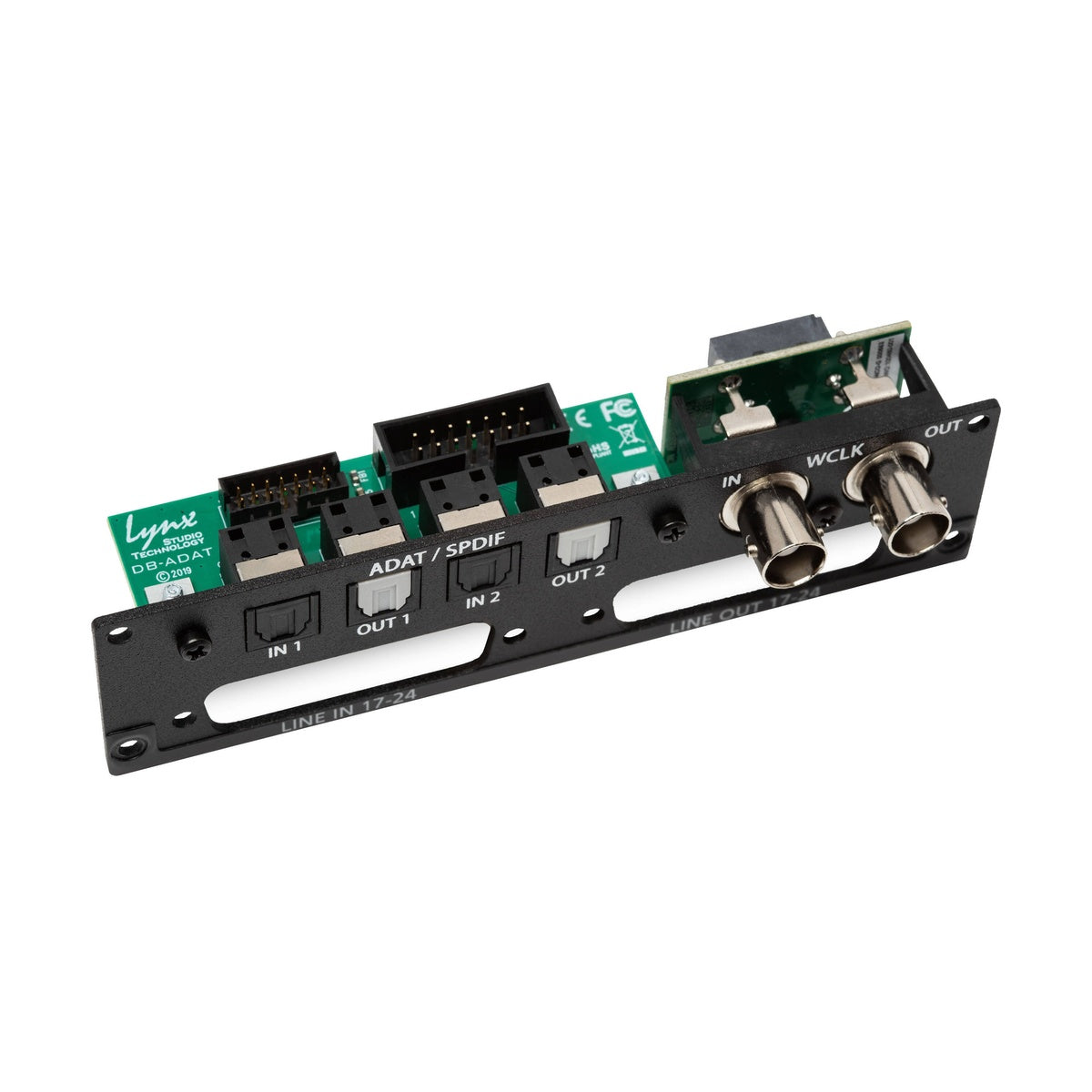
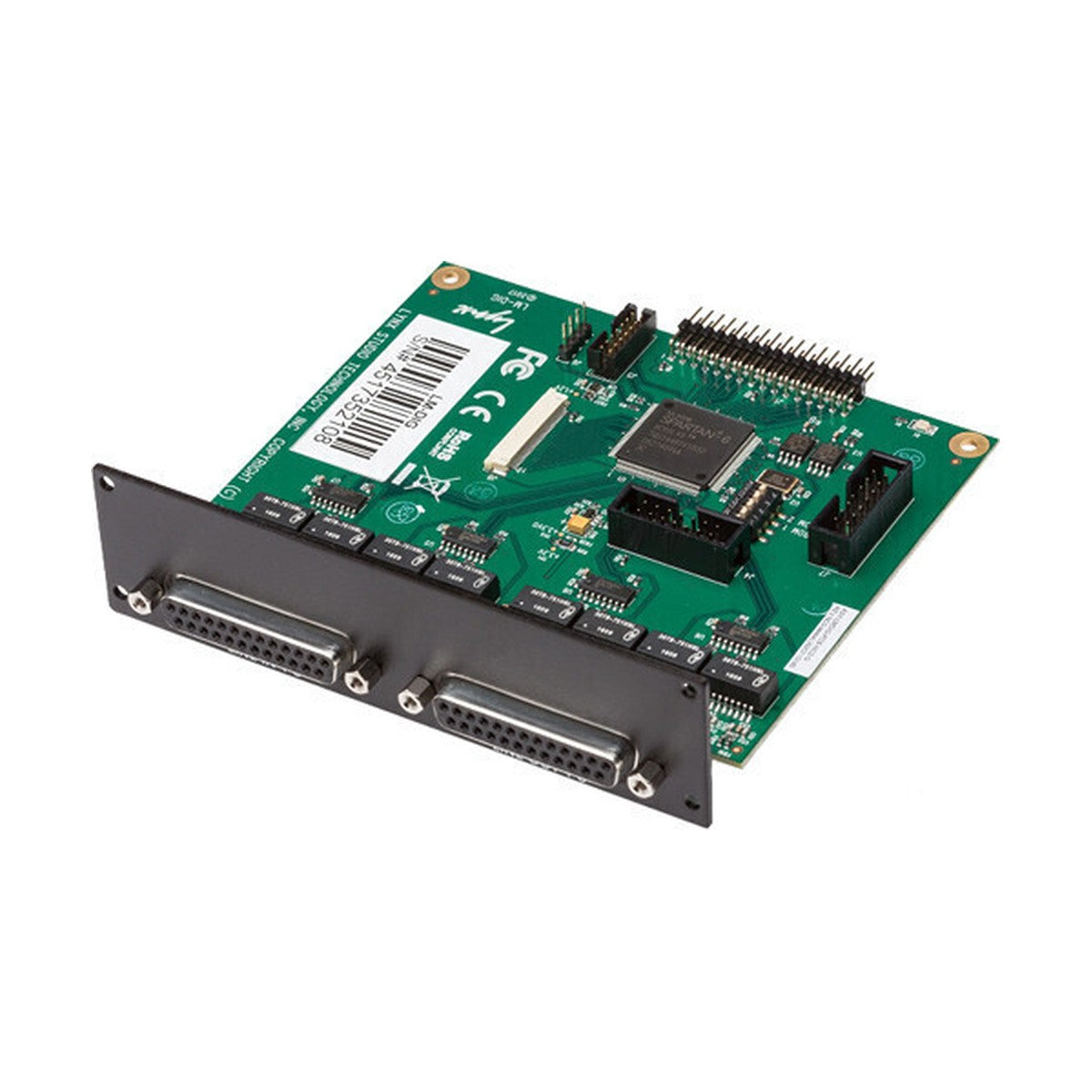
The core of what Lynx does is AD/DA conversion done with unusual rigor. Their flagship Aurora(n) and Hilo interfaces have become reference points in the industry not through aggressive marketing but through consistent performance across years of real-world use. What makes the platform particularly compelling for long-term investment is the LSlot system — a proprietary modular expansion architecture that allows users to swap connectivity cards as studio needs evolve, covering USB, Thunderbolt 3, Pro Tools HD, and Dante, with future standards covered as they emerge. This means a Lynx interface purchased today can adapt to tomorrow's infrastructure without replacing the core conversion hardware.
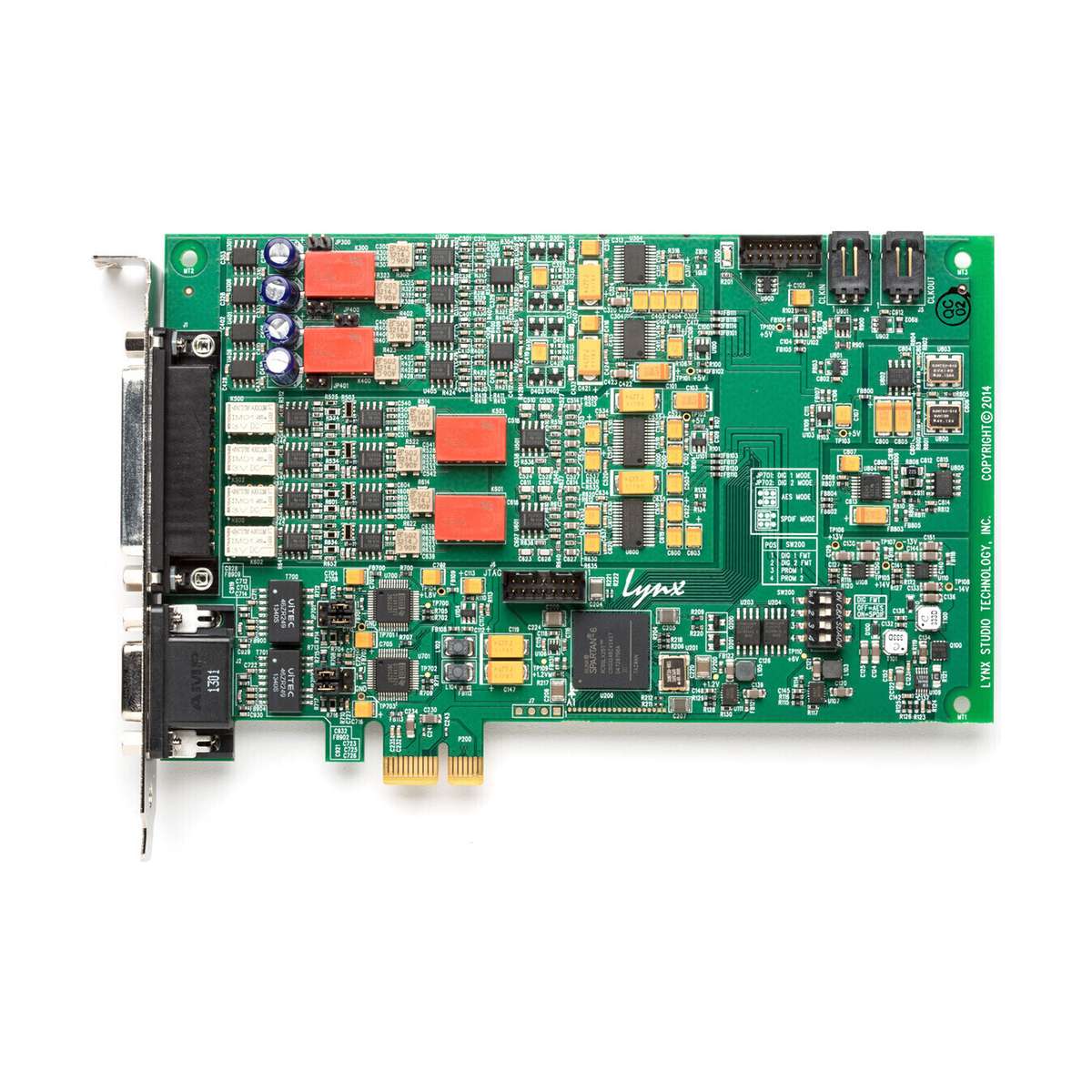
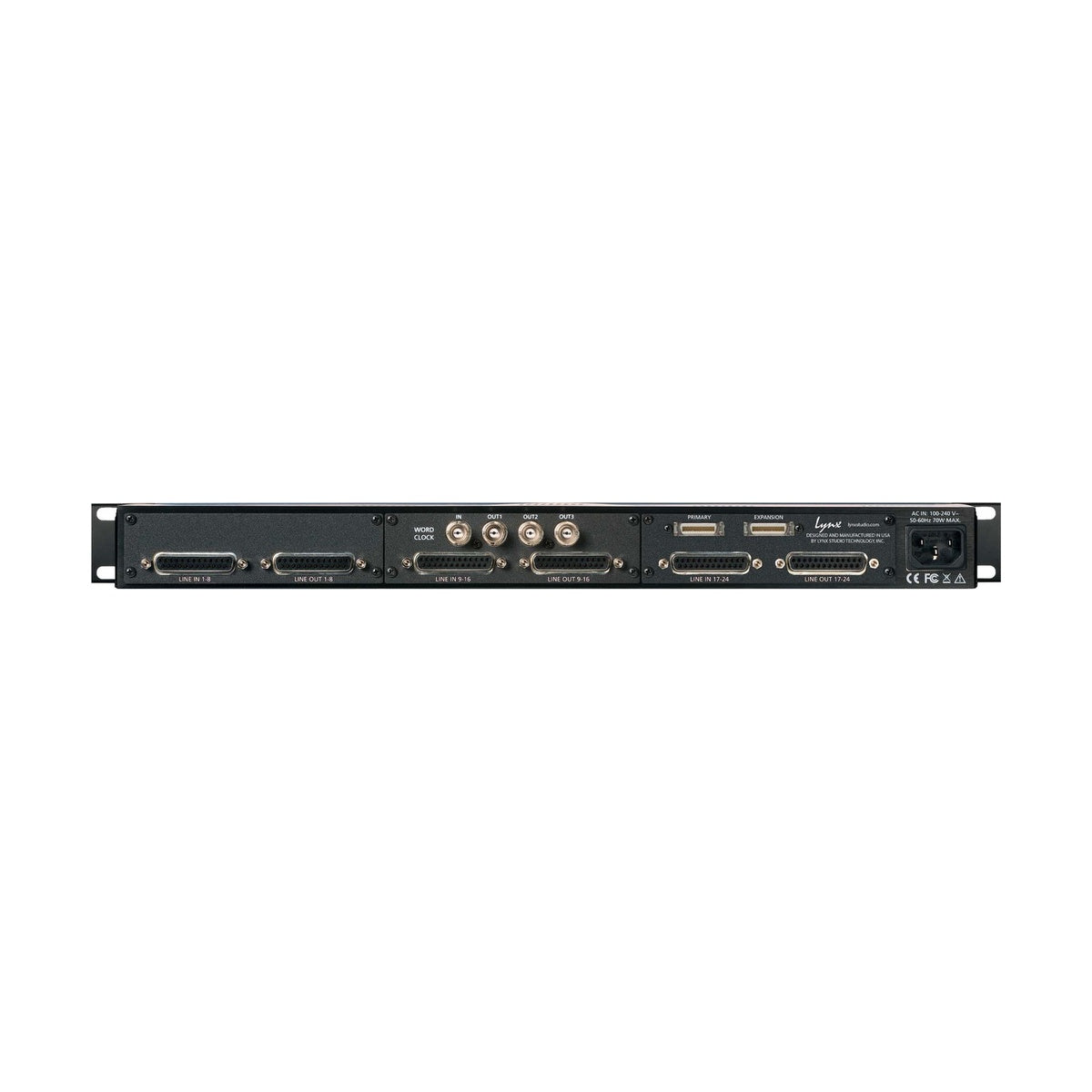
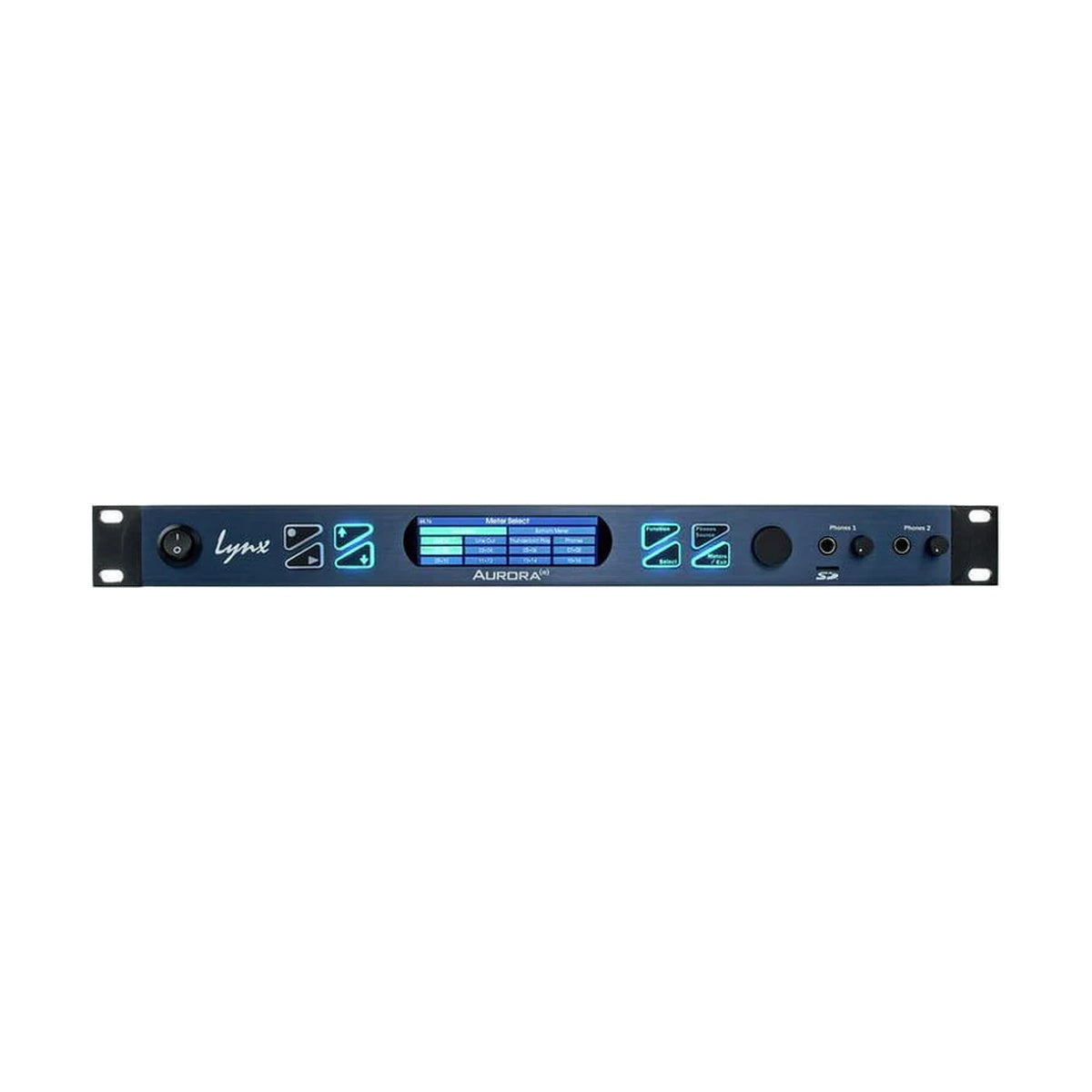
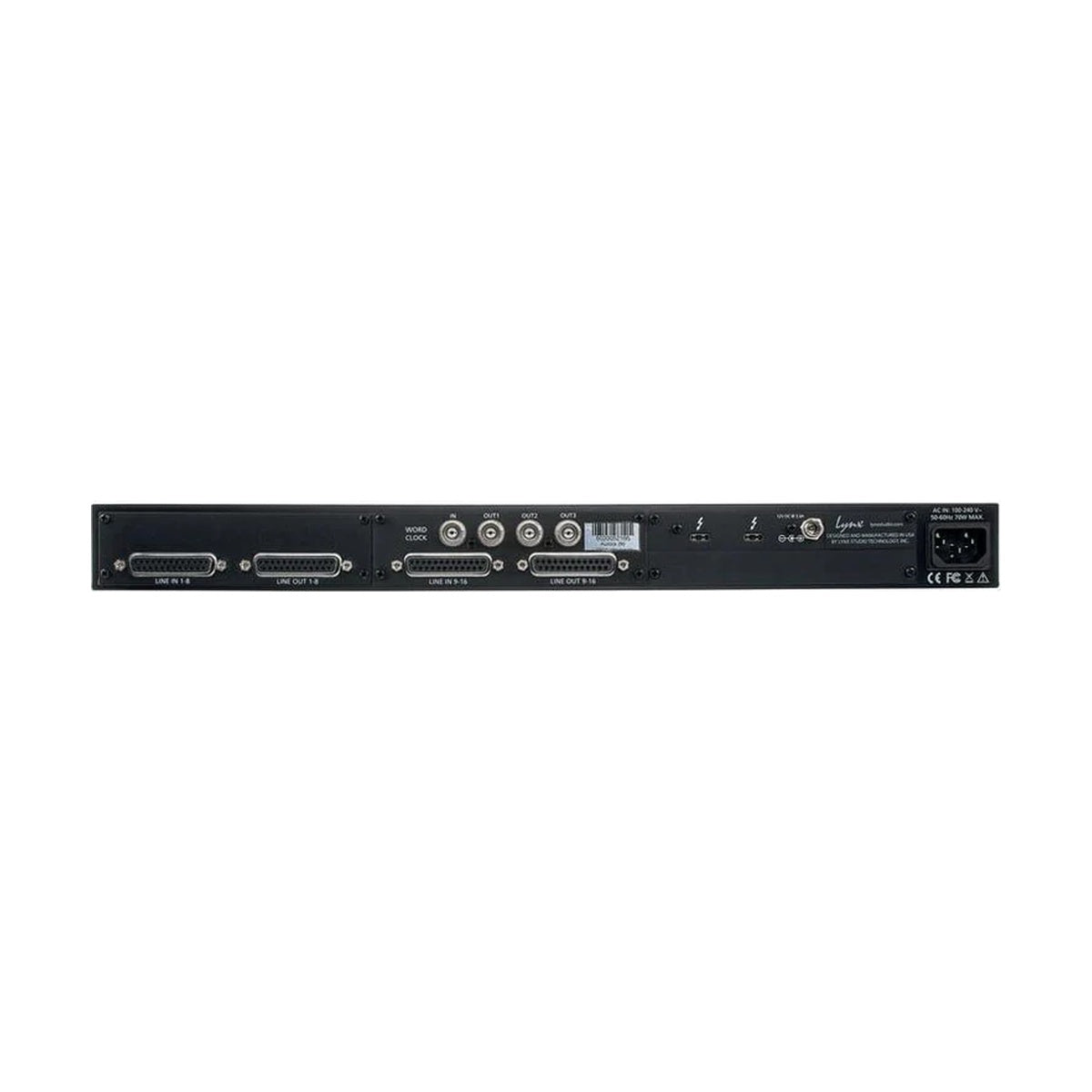
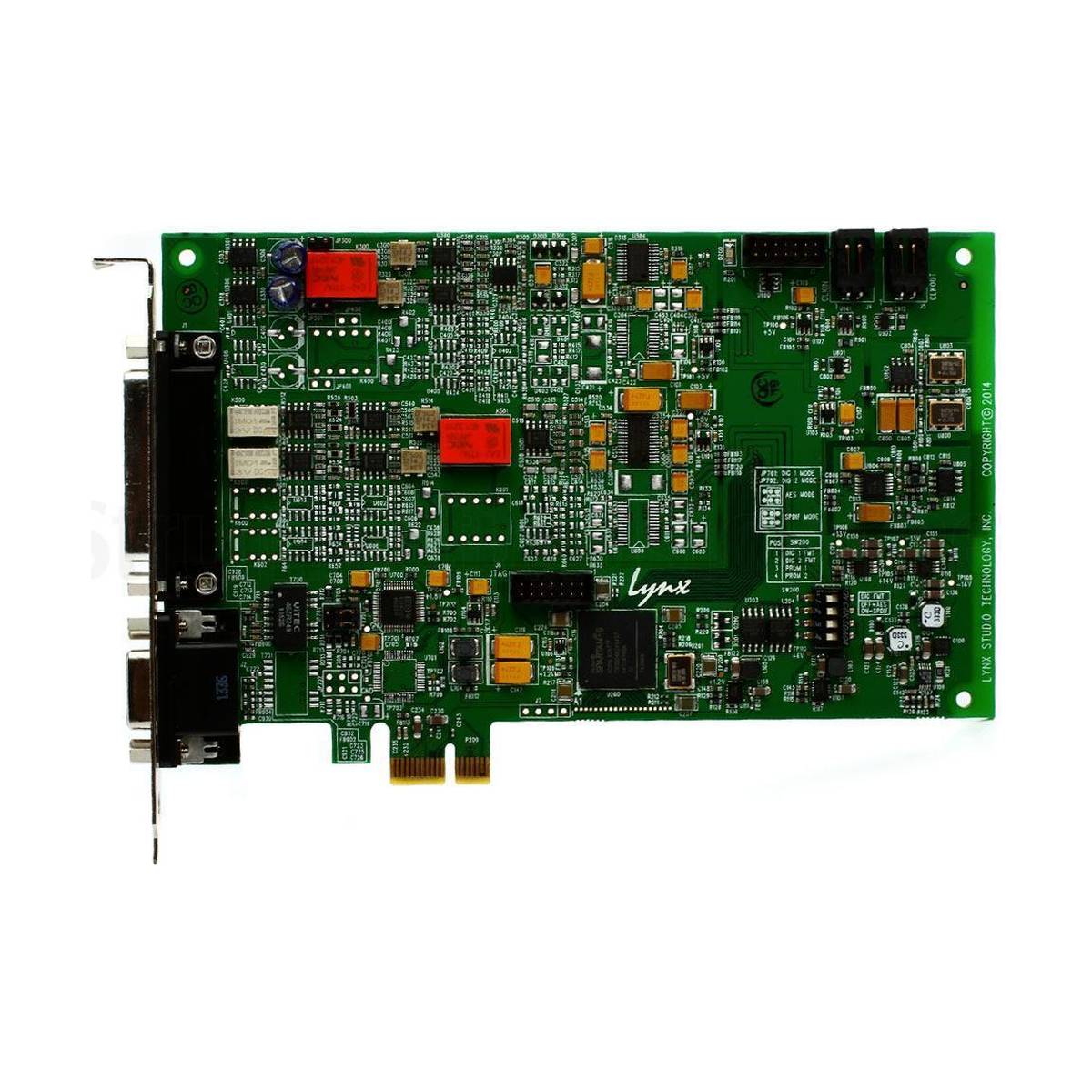
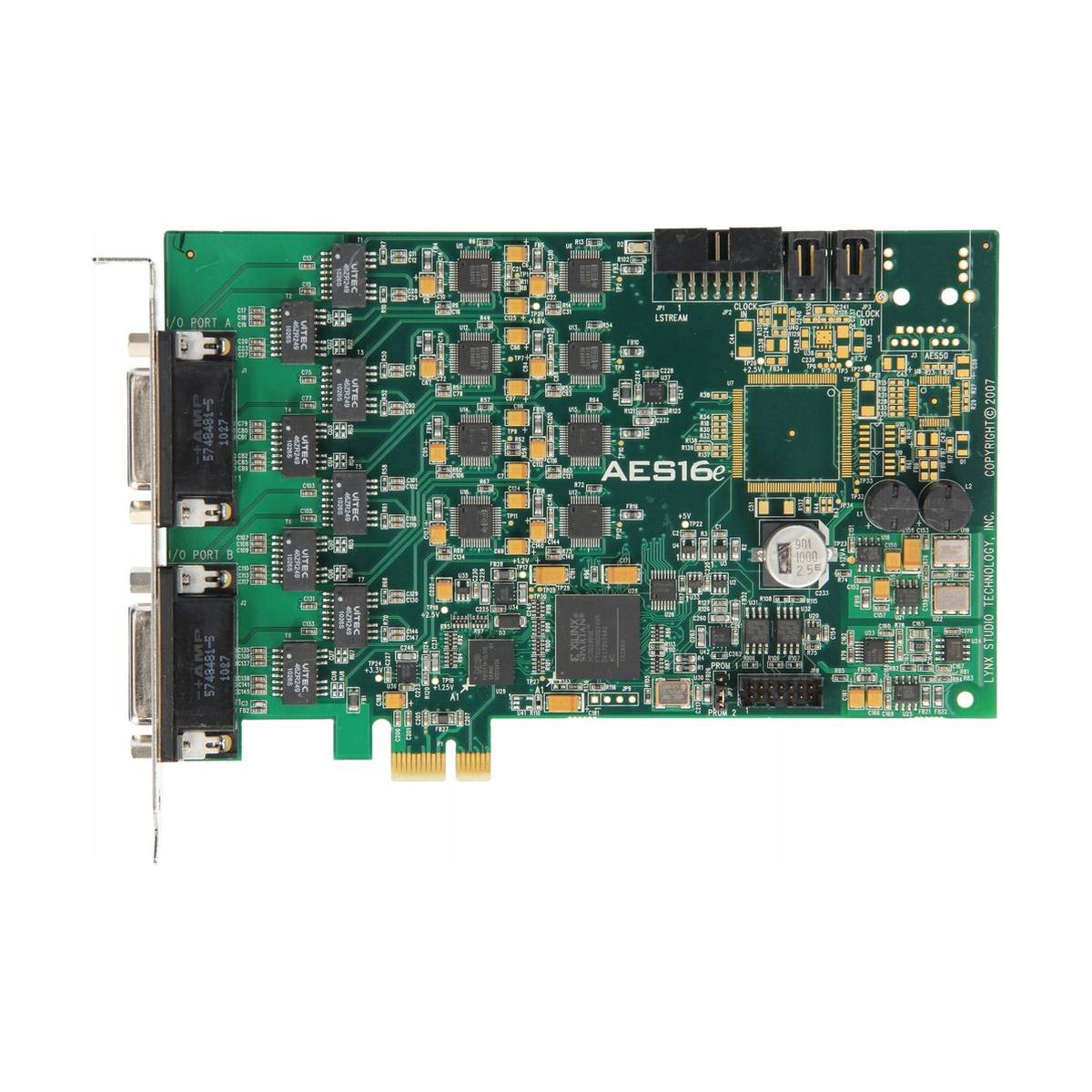
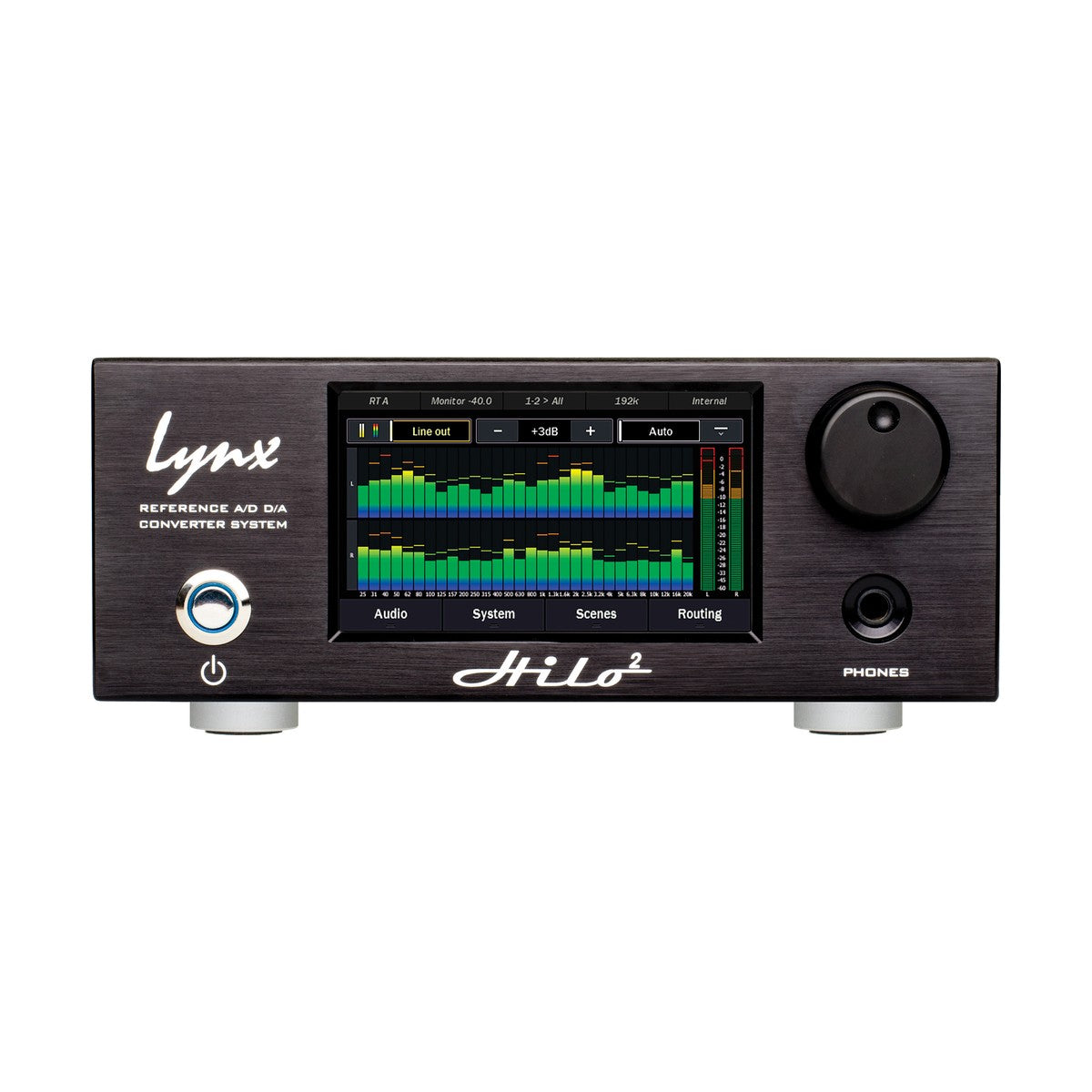
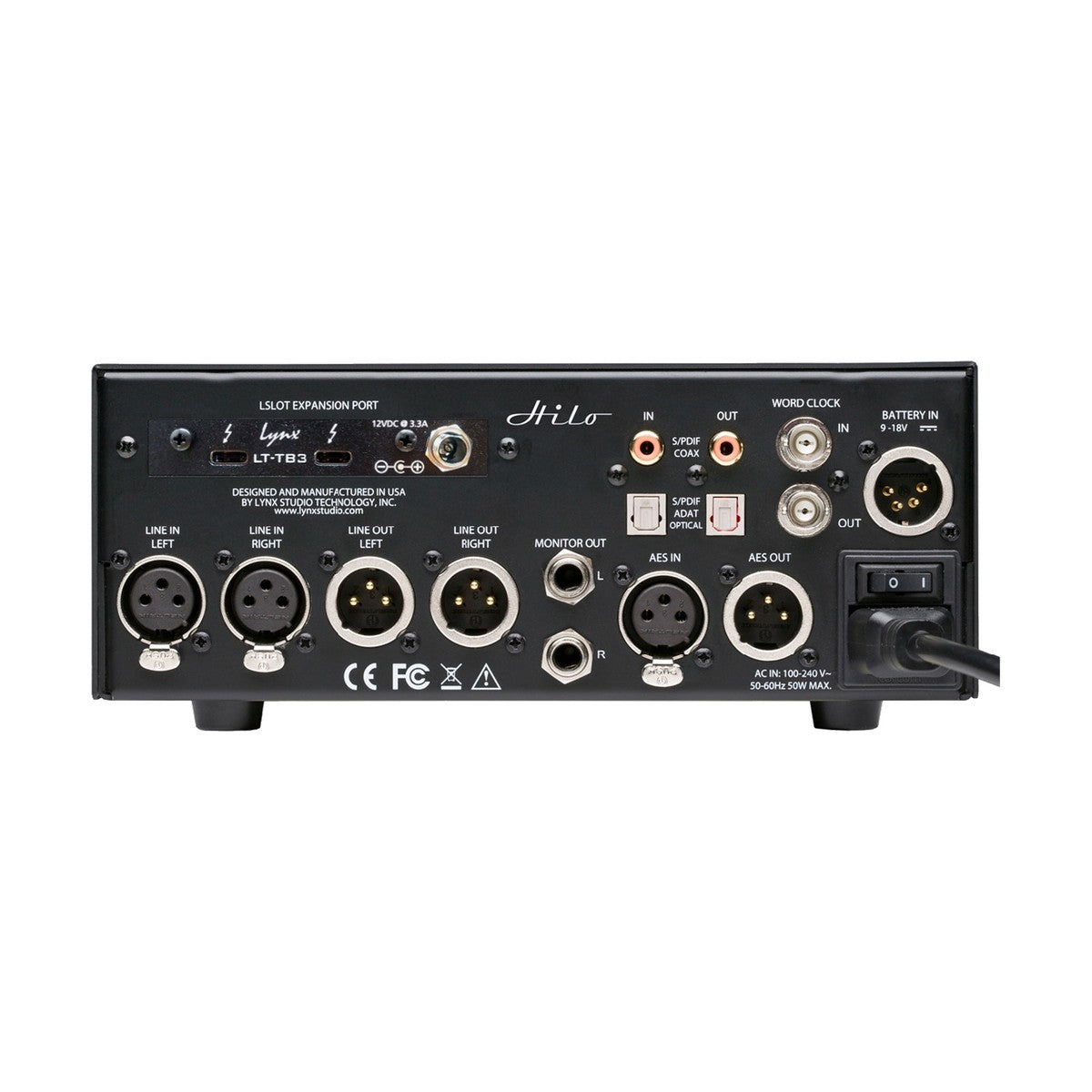
The Aurora(n) is available in 8, 16, 24, and 32 channel versions — all in a single 1U rack format — and includes an onboard 32-channel microSD recorder for standalone use independent of a computer. The Hilo serves as a more compact reference converter and monitoring system, favored particularly in mastering contexts where every stage of the chain needs to be accounted for. Lynx also offers PCIe cards for purely computer-integrated setups, making the brand relevant across a wide range of professional configurations.
At Wired Tunes, we offer Lynx Studio Technology interfaces for engineers who treat conversion as a foundational decision — one that affects everything downstream, from the quality of a recording to the accuracy of a final master.

Lynx Studio
Economisez €830,13

Economisez €63,69