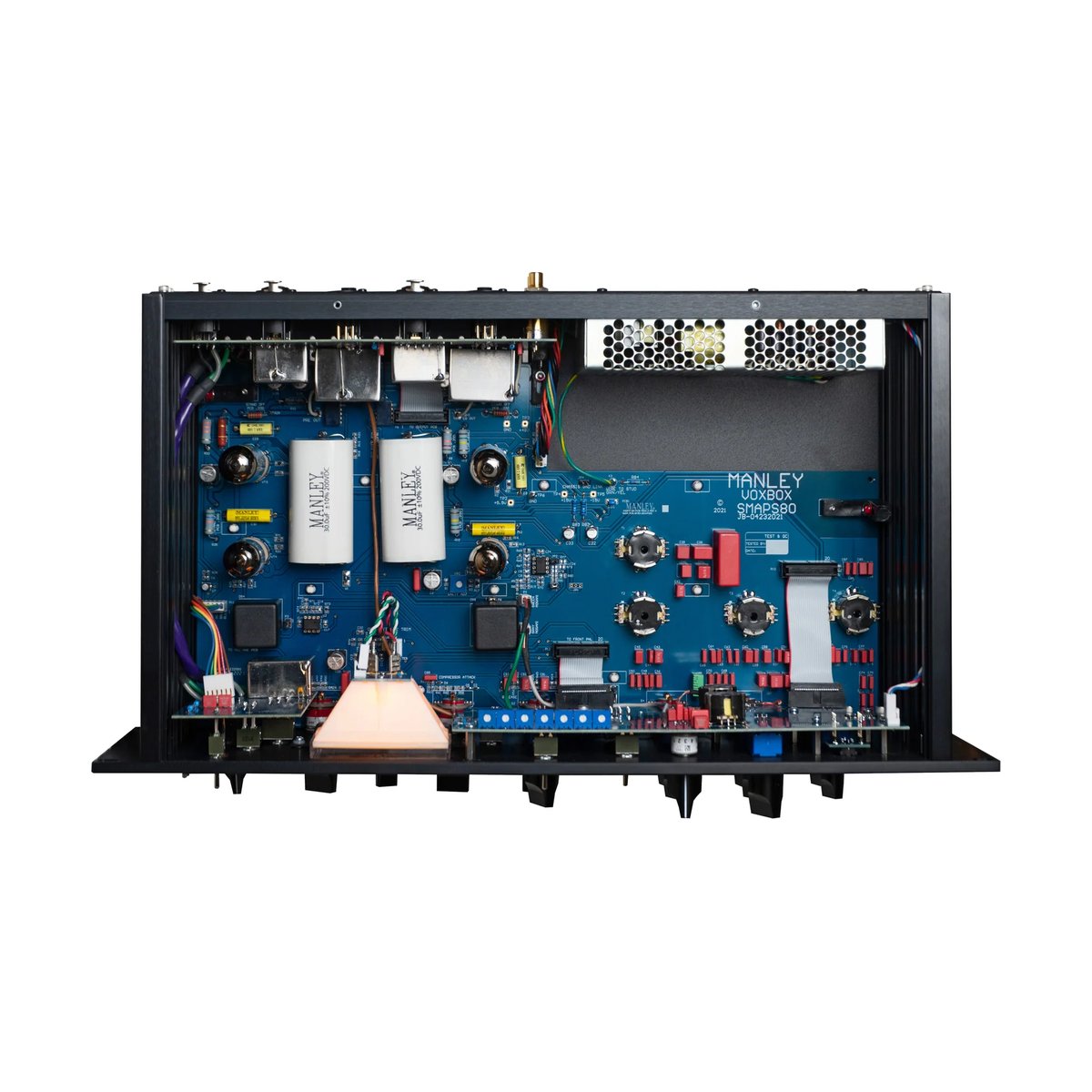
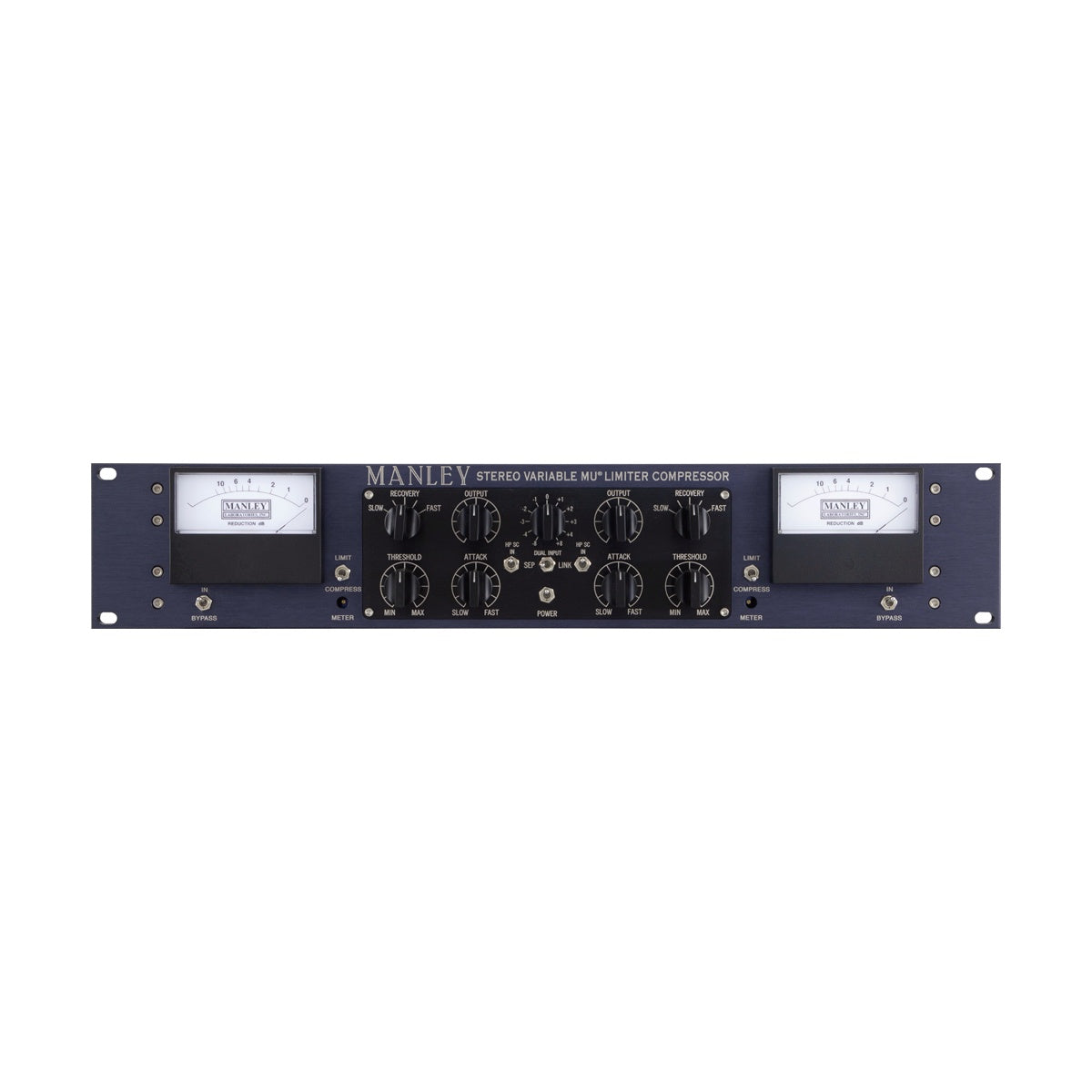
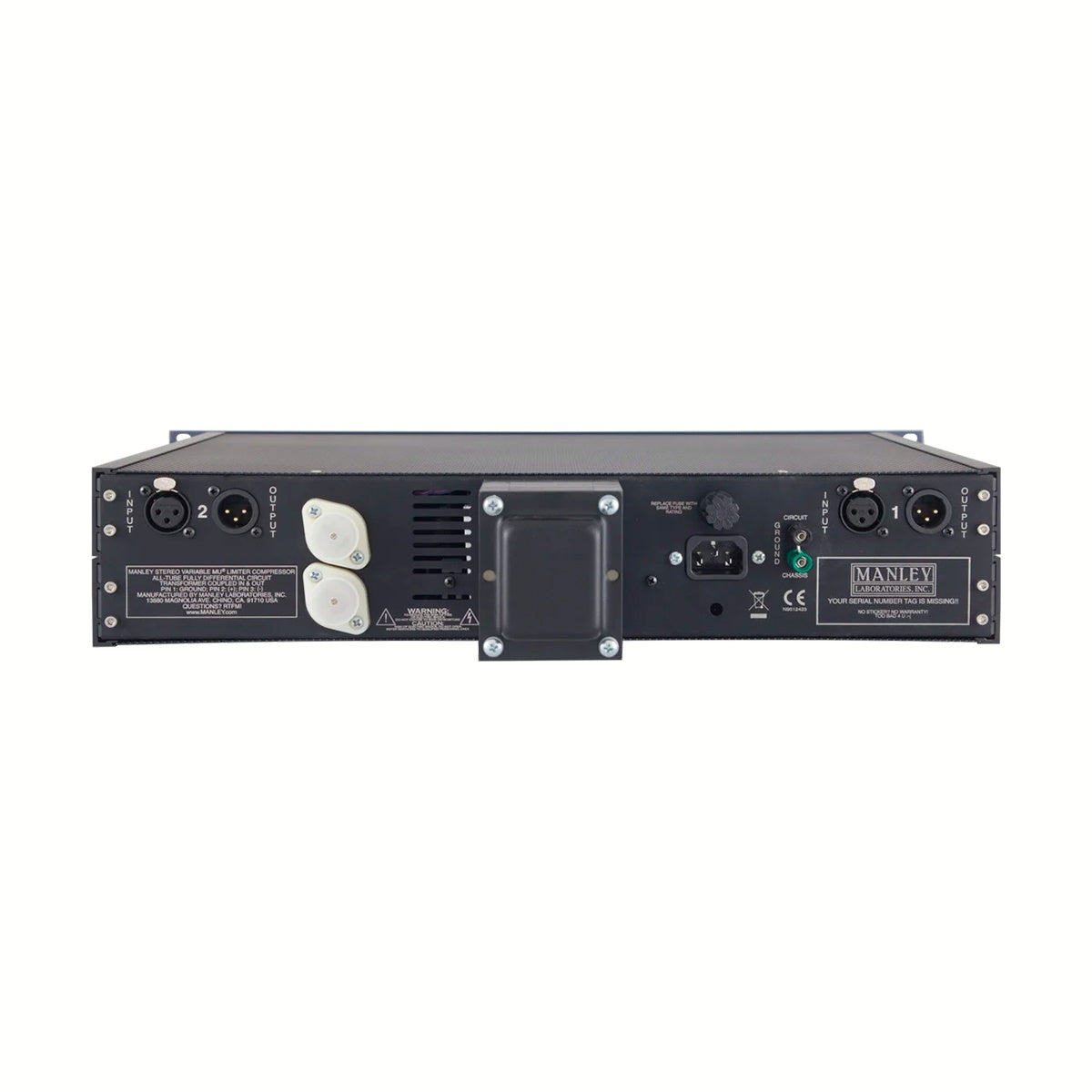
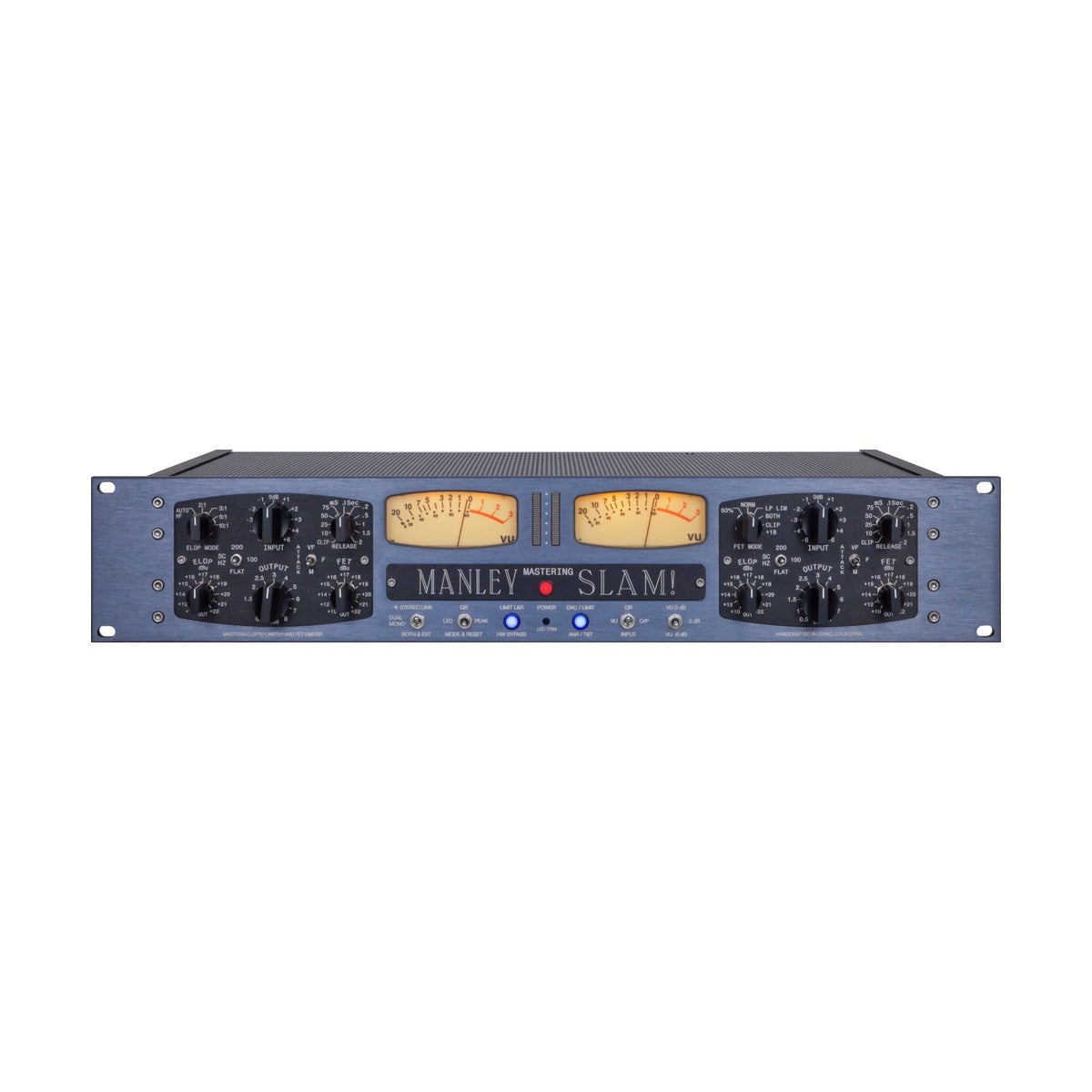
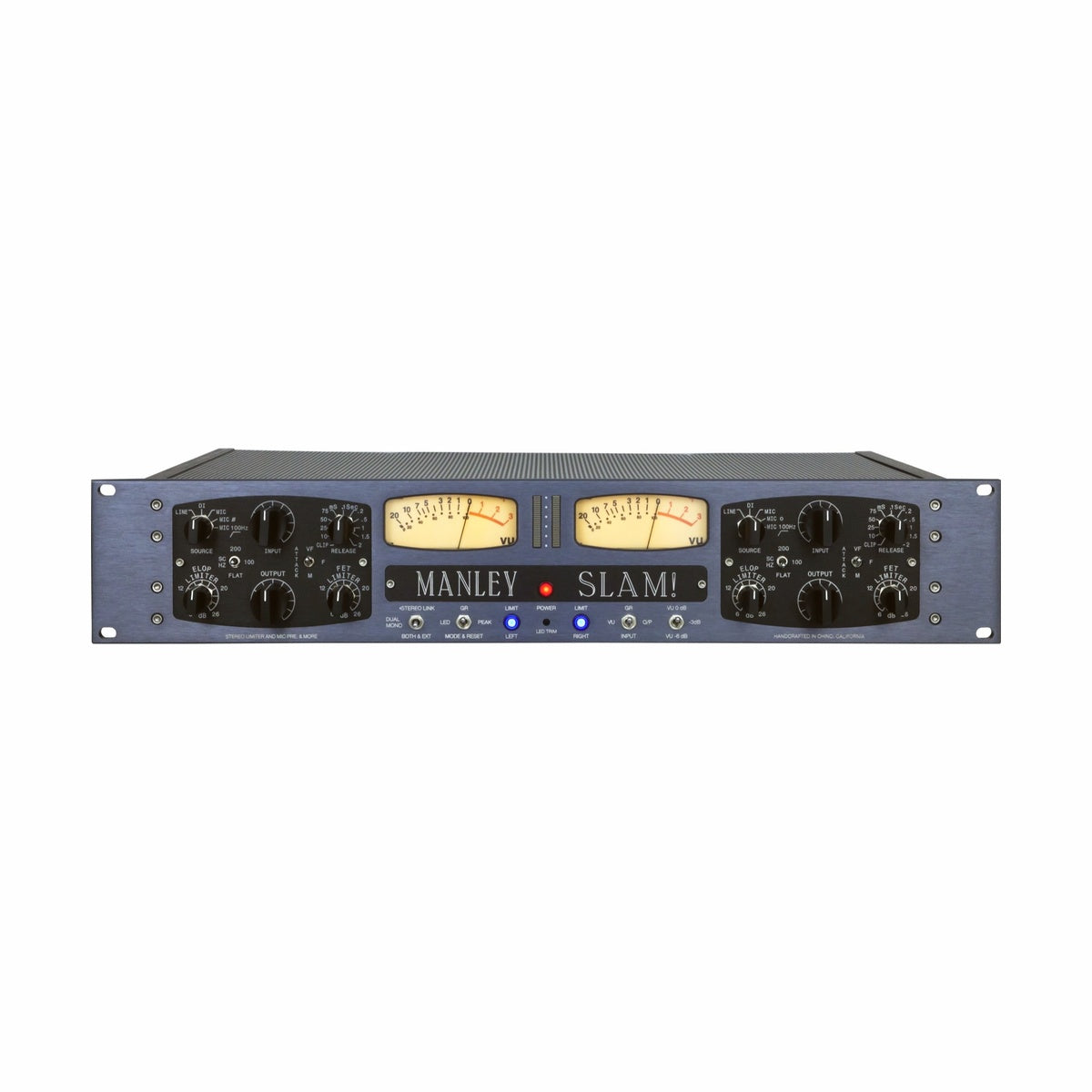
Manley Laboratories builds tube compressors, equalizers, preamps and microphones in Chino, California. The transformers are wound in-house — the winding department has been part of the factory since 1994, and it is the reason a Manley sounds like a Manley. Three designs in this catalogue have been studio fixtures for three decades: the Stereo Variable Mu (1994), the VOXBOX (1997) and the Massive Passive (1998).
Who this gear is for
Manley is a decade-long purchase, not a seasonal one. It fits if you:
- master or mix professionally and want one box on the bus that glues a mix without the compression announcing itself;
- track vocals and want mic, EQ and compression from the same school of sound;
- run a room for clients — Variable Mu and Massive Passive are names visiting engineers recognise on the rack.
It is not starter gear. If you are still assembling a first studio, an honest interface and room treatment will change your mixes more than a tube EQ ever will.
The Manley range, line by line
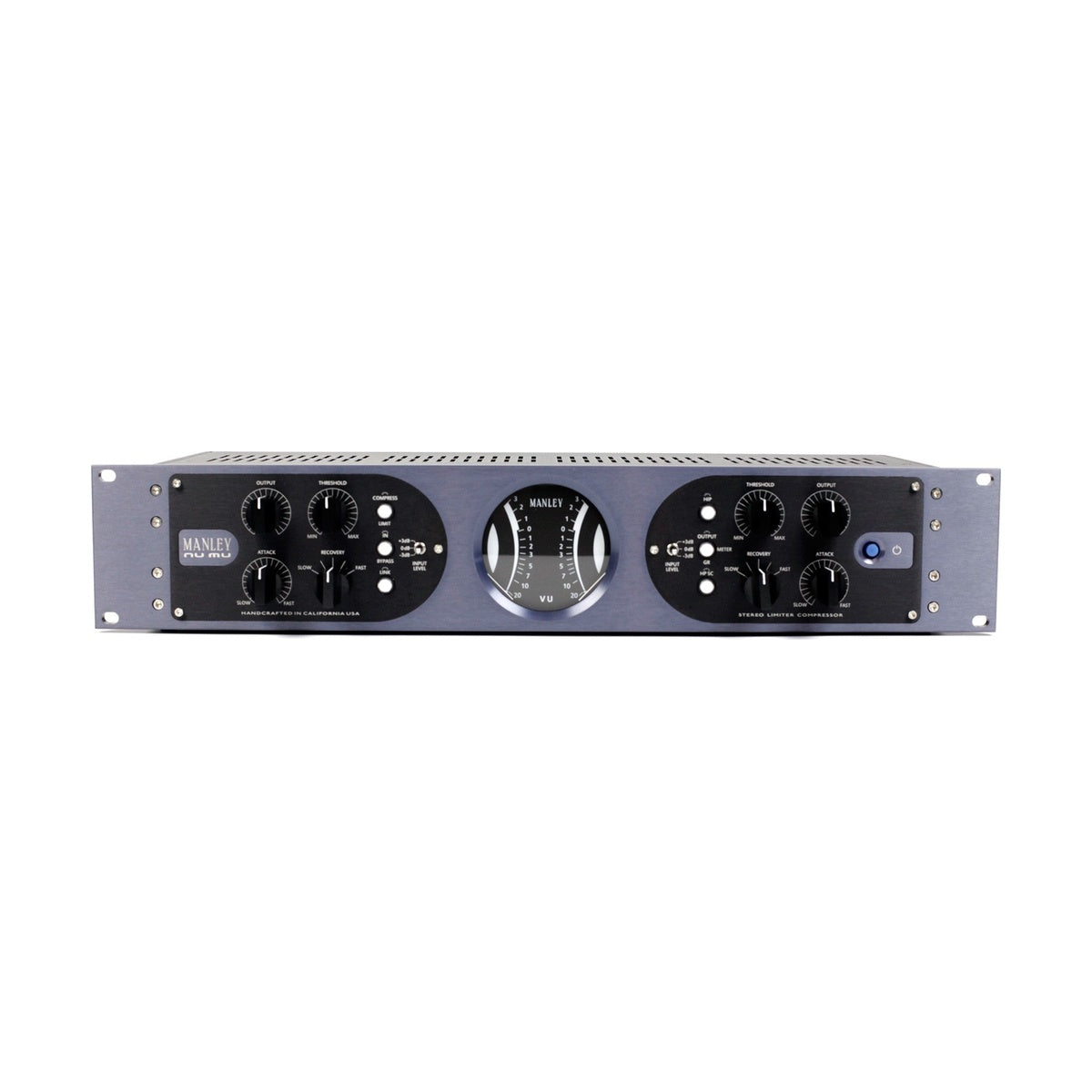
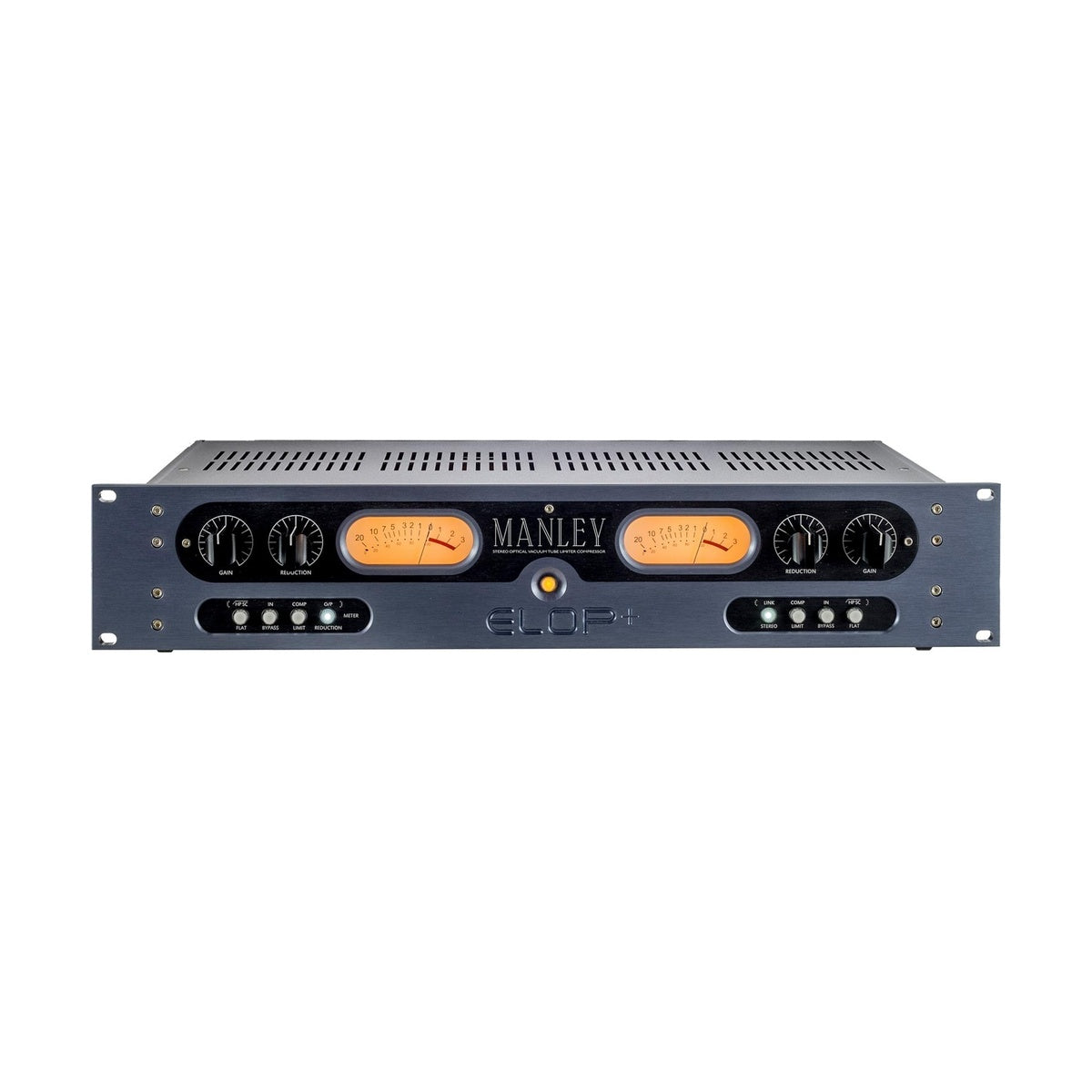
- Dynamics — Stereo Variable Mu (variable-mu tube compressor), NU MU, ELOP+ and SLAM! They differ less in price than in how they behave around the threshold.
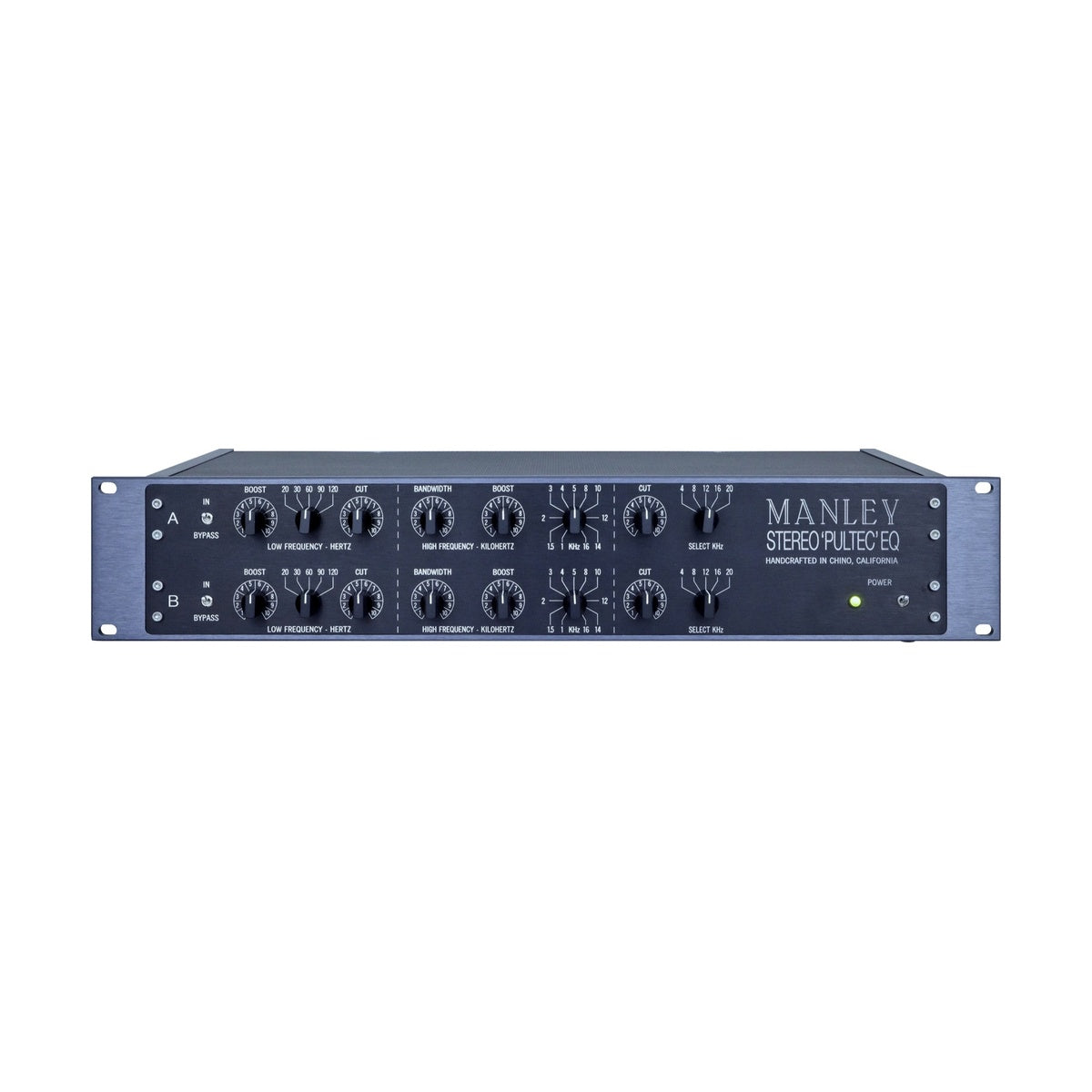
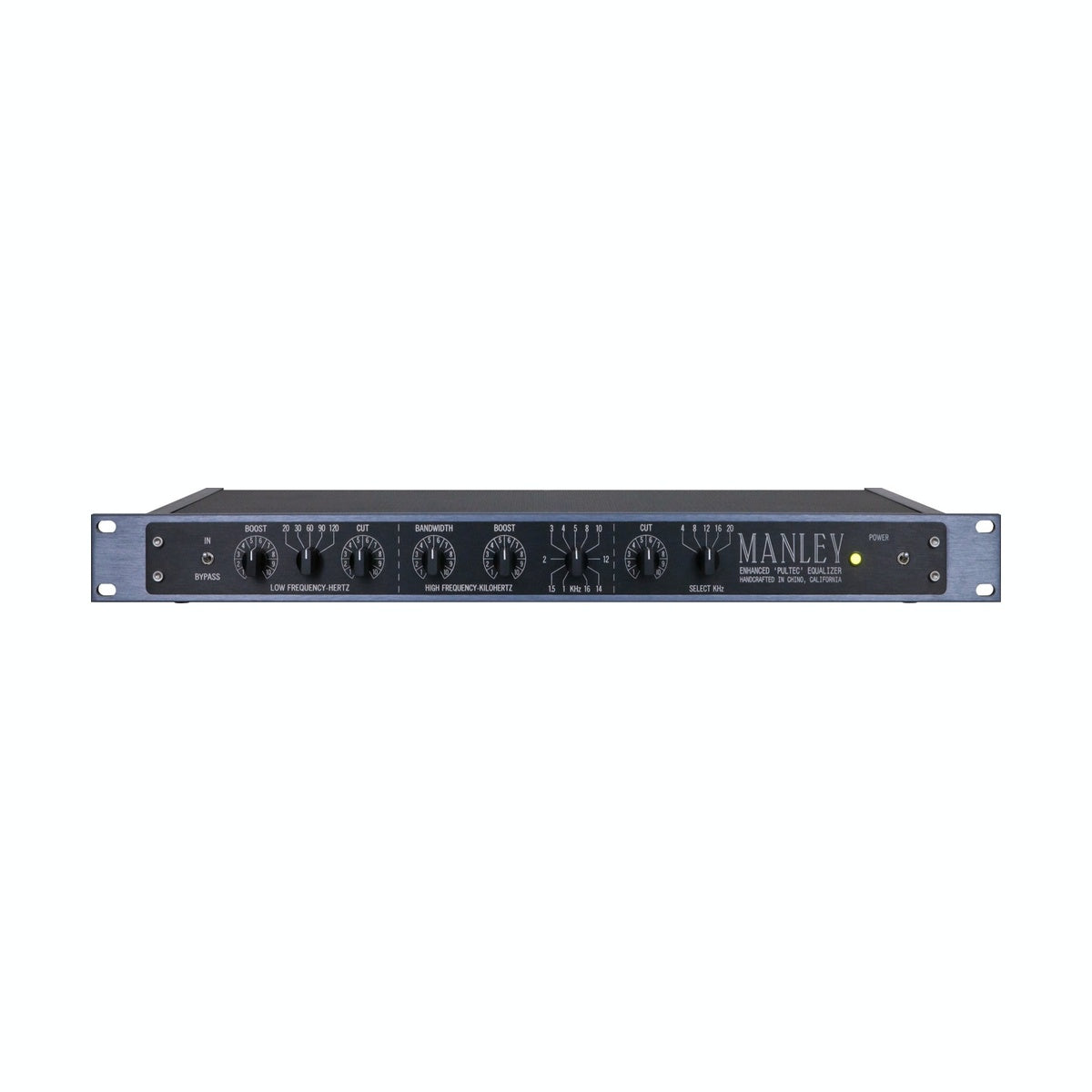
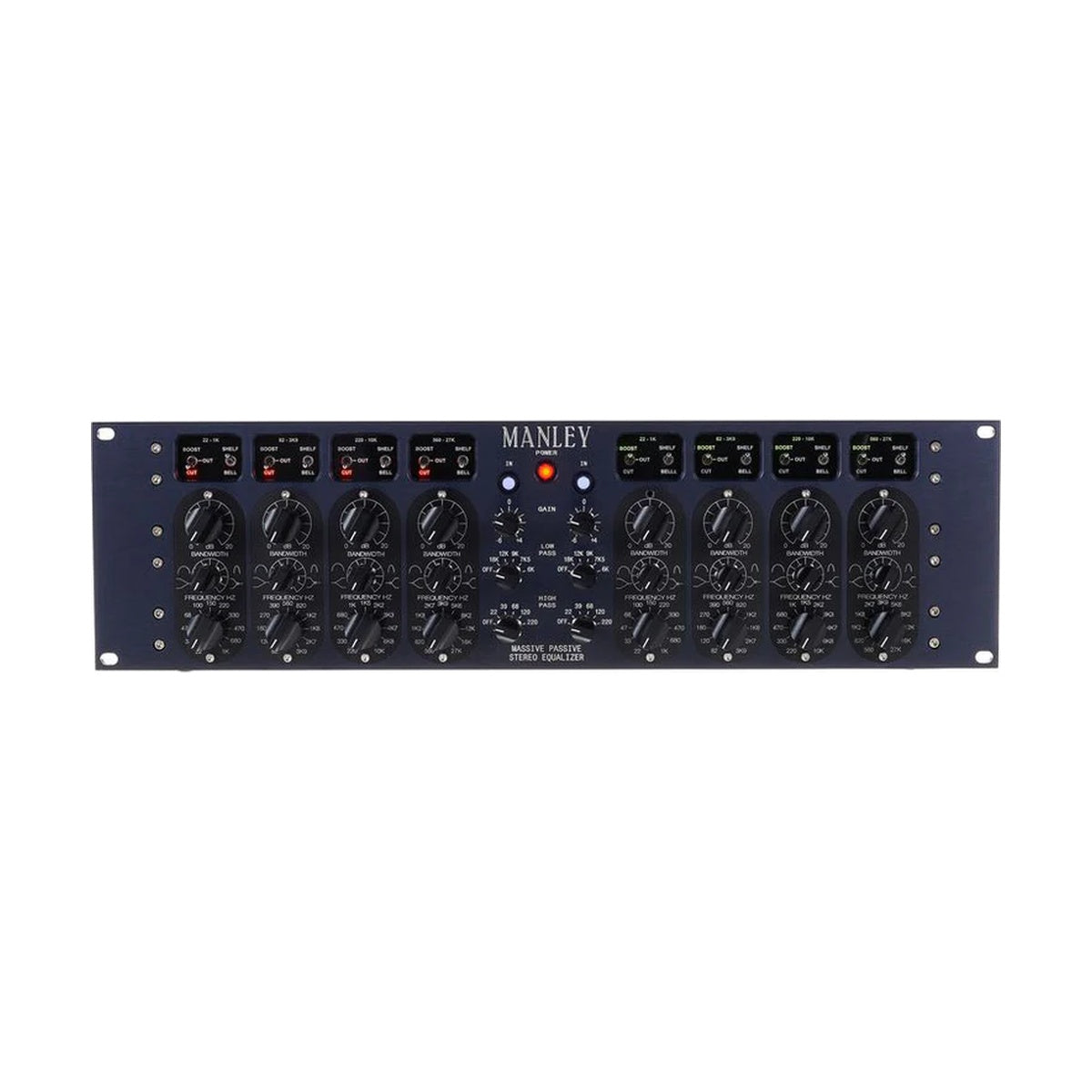
- Equalizers — Enhanced Pultec EQP-1A and Stereo Pultec EQP-1A (classic passive topology), Mid Frequency EQ (both bands per channel devoted to the midrange) and the Massive Passive, the most complete EQ in the catalogue.
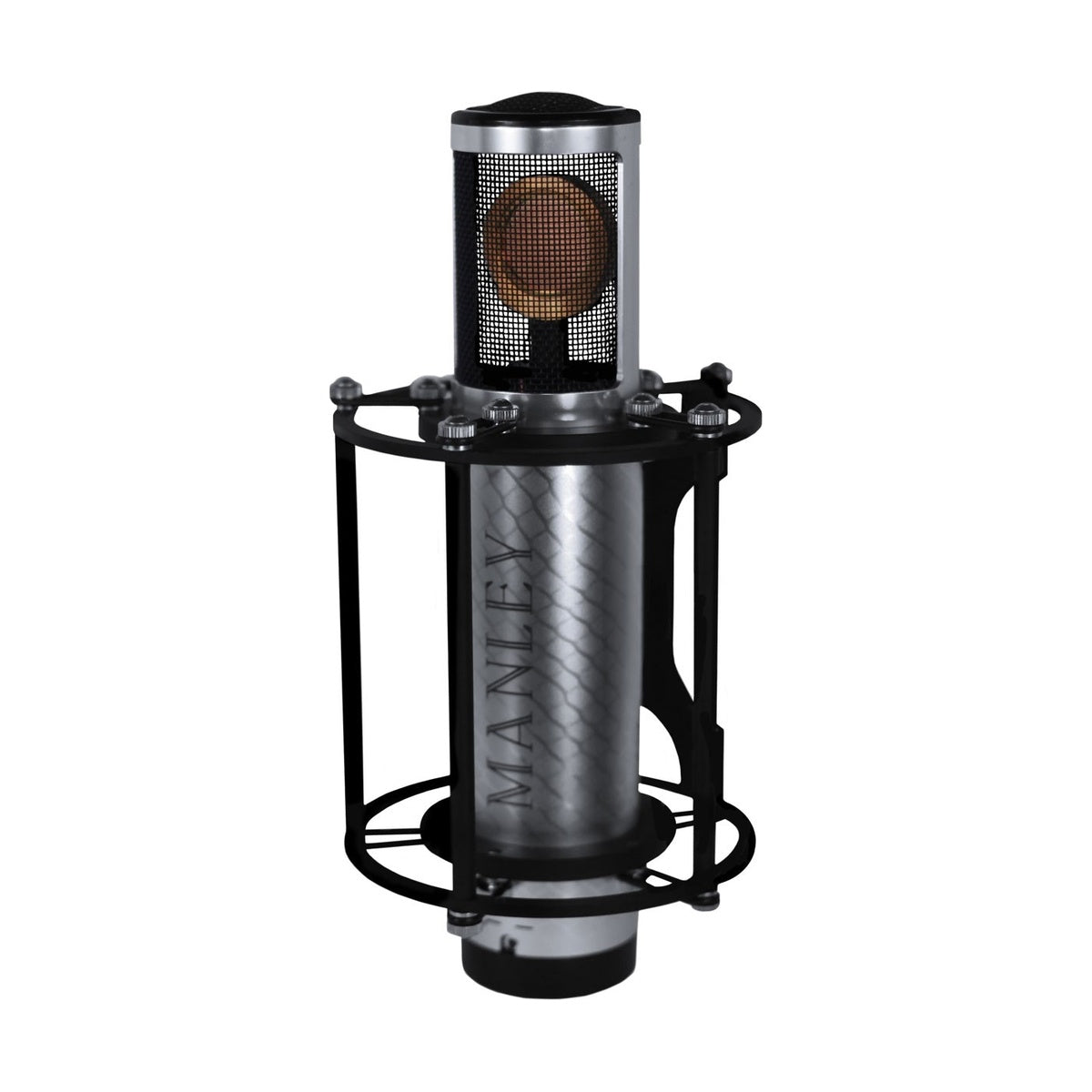
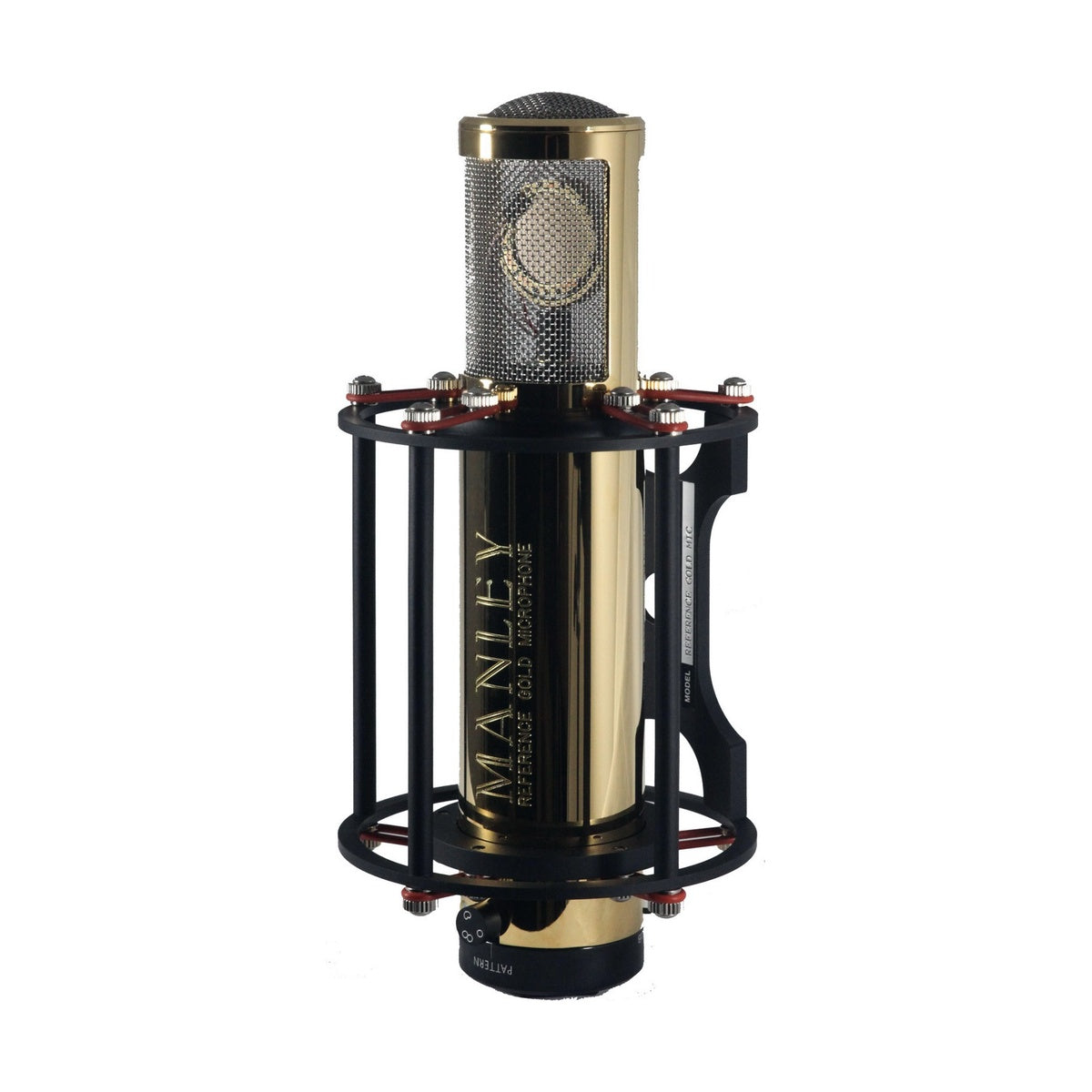
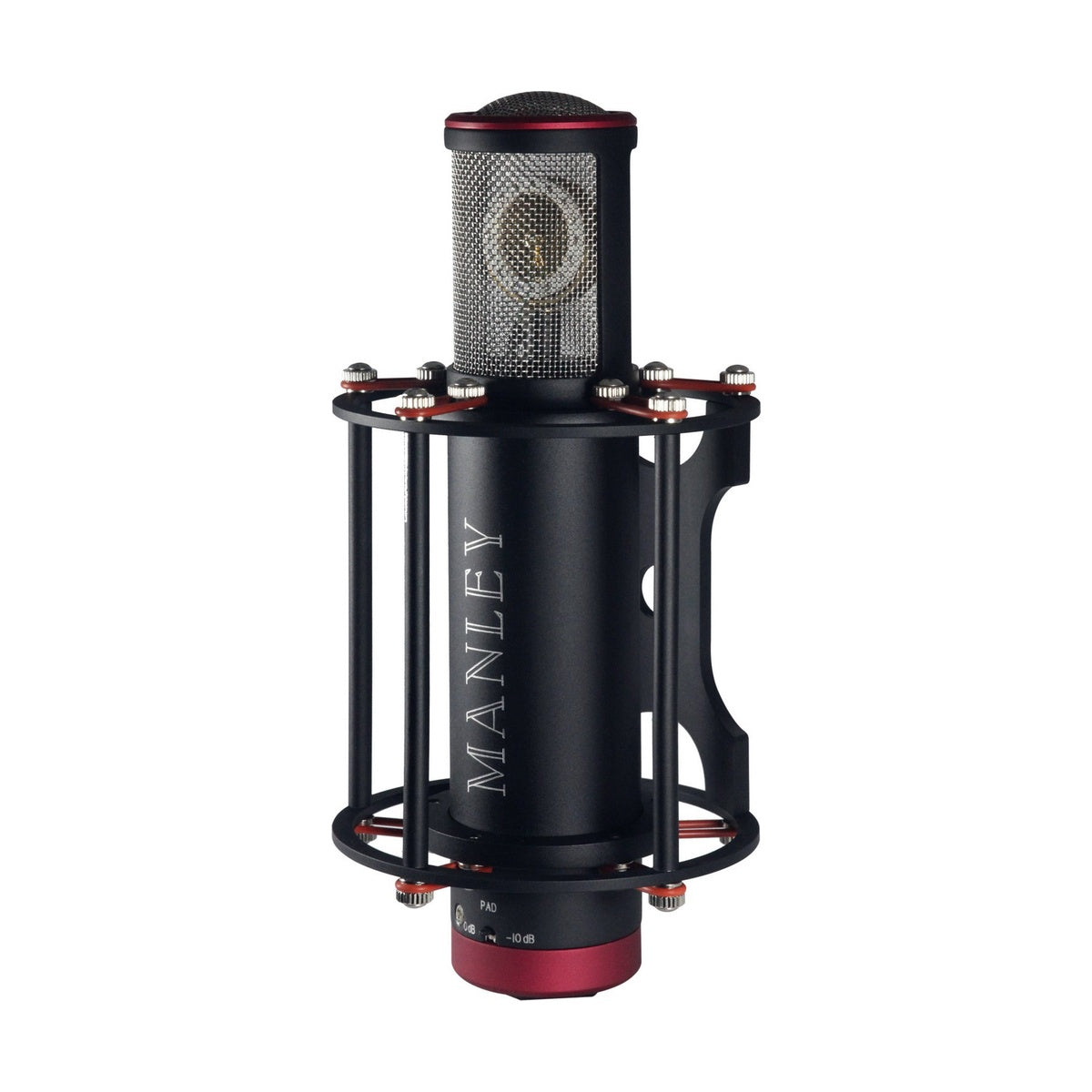
- Microphones — the Reference series: Silver, Cardioid and Mono Gold. Tube designs with capsules built by hand in the USA.
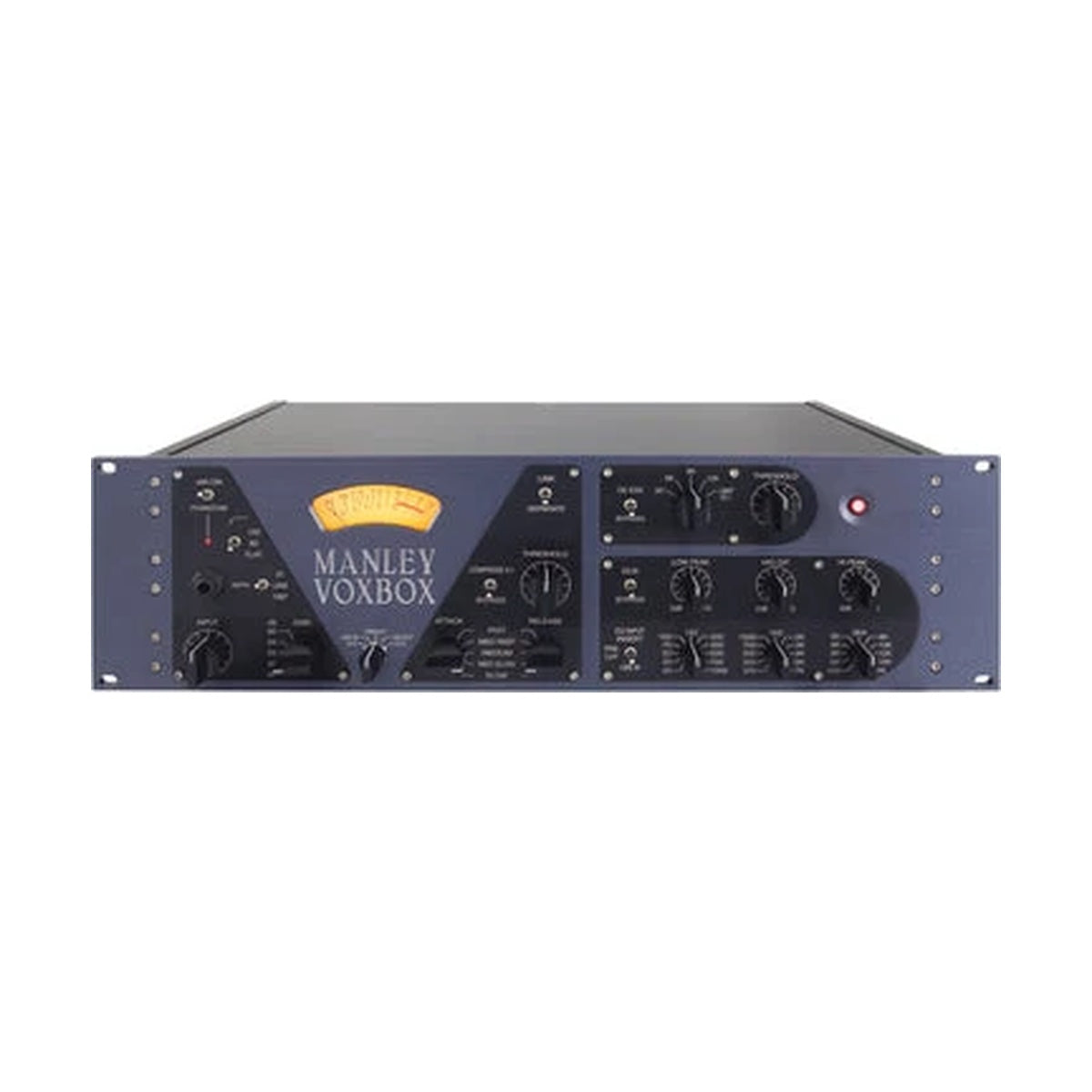
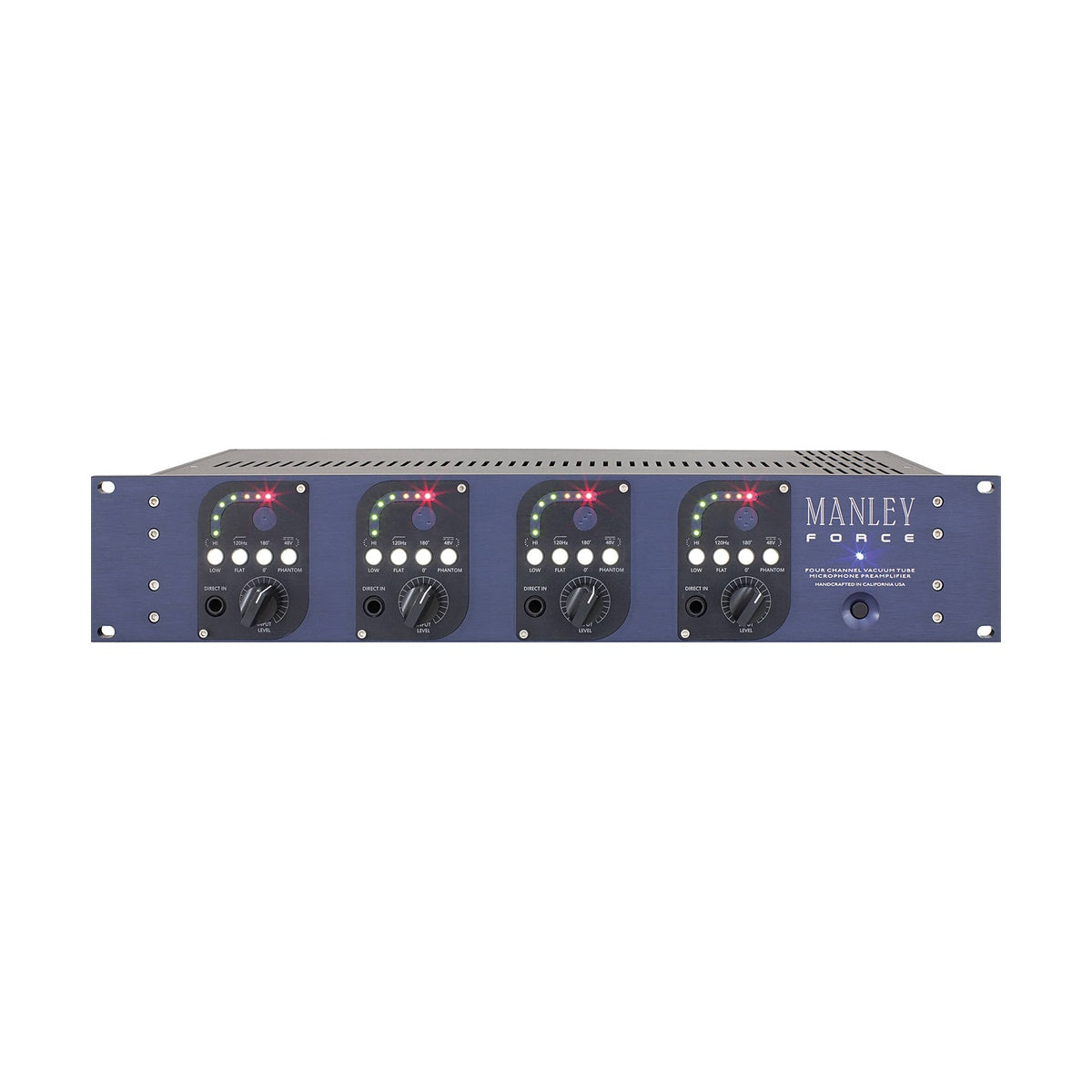
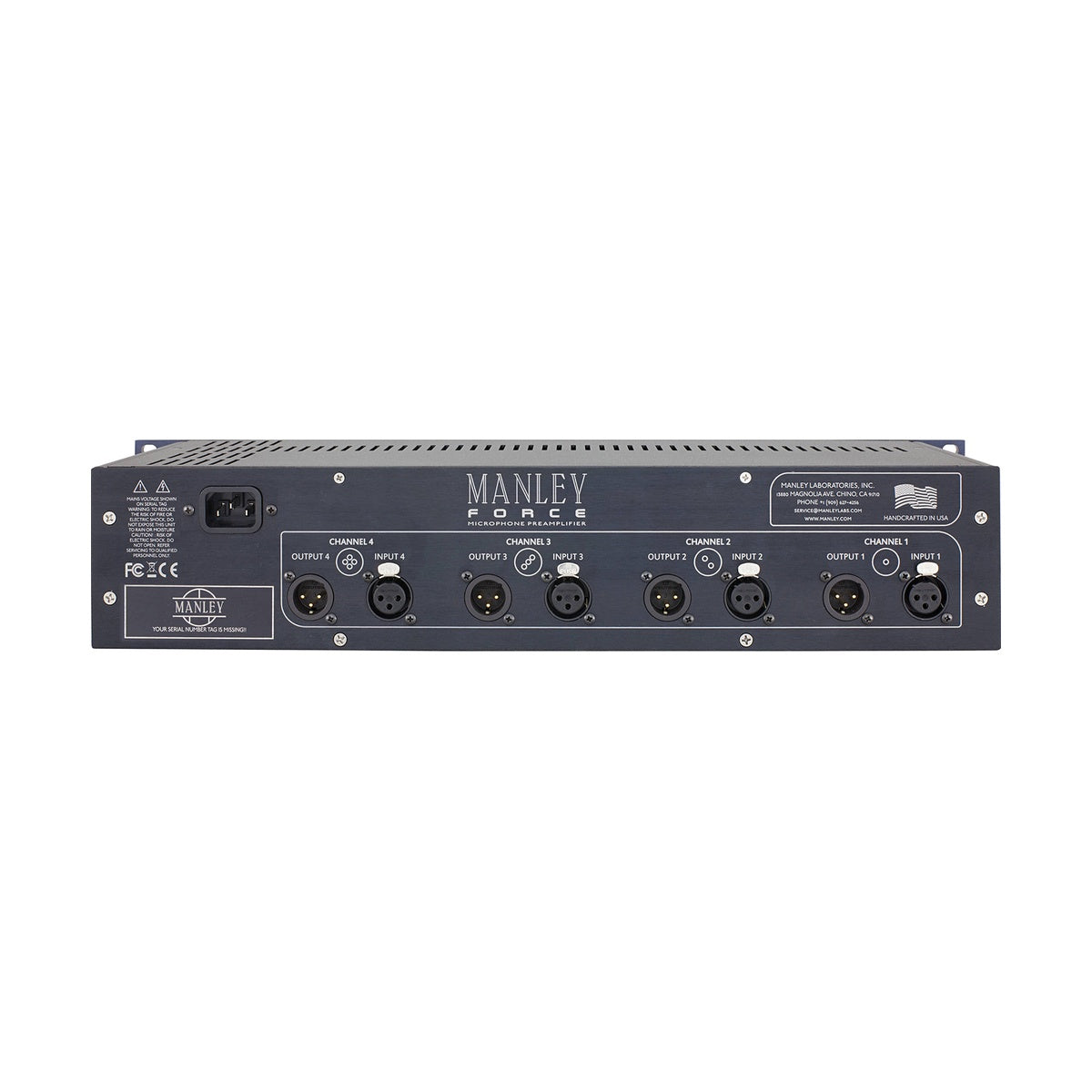
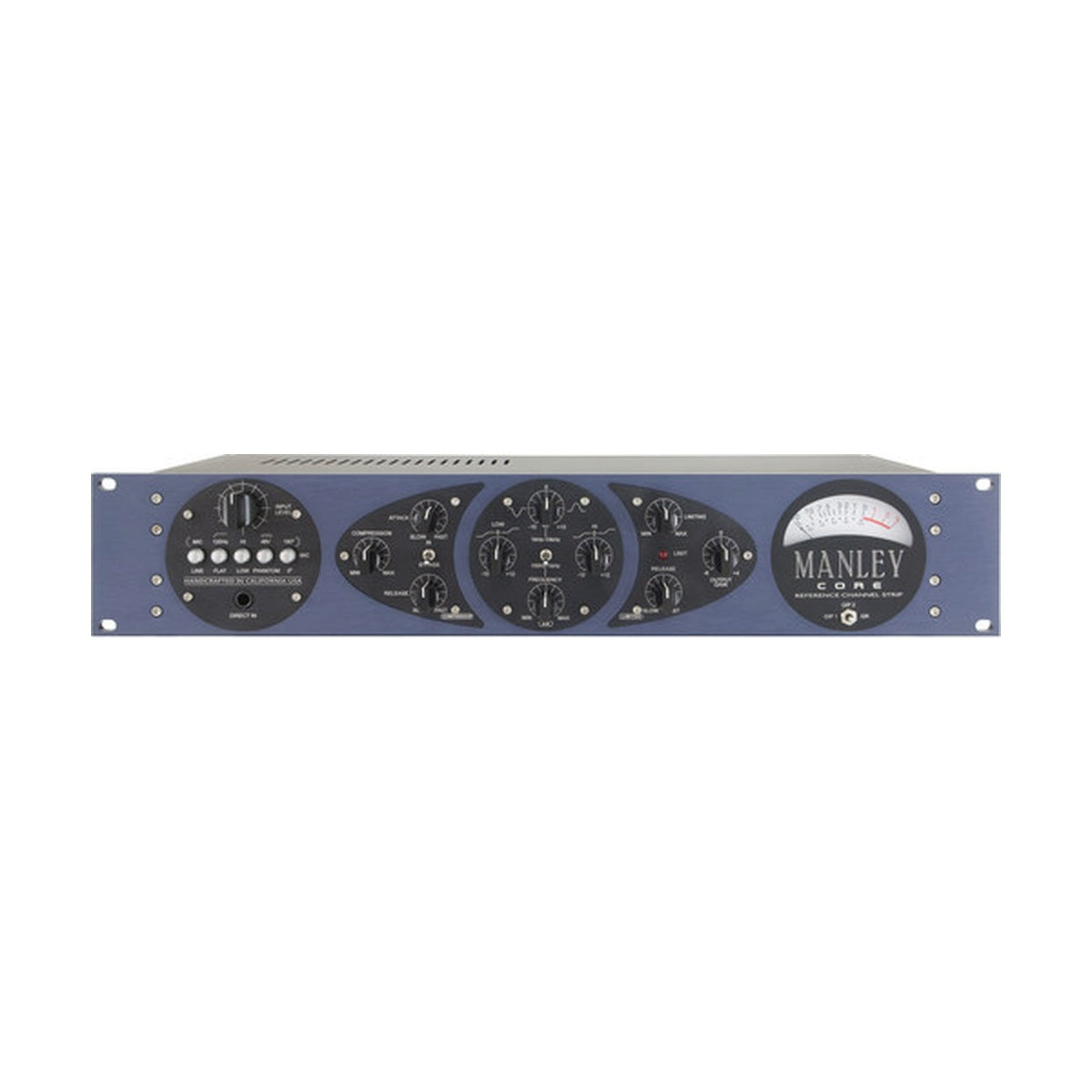
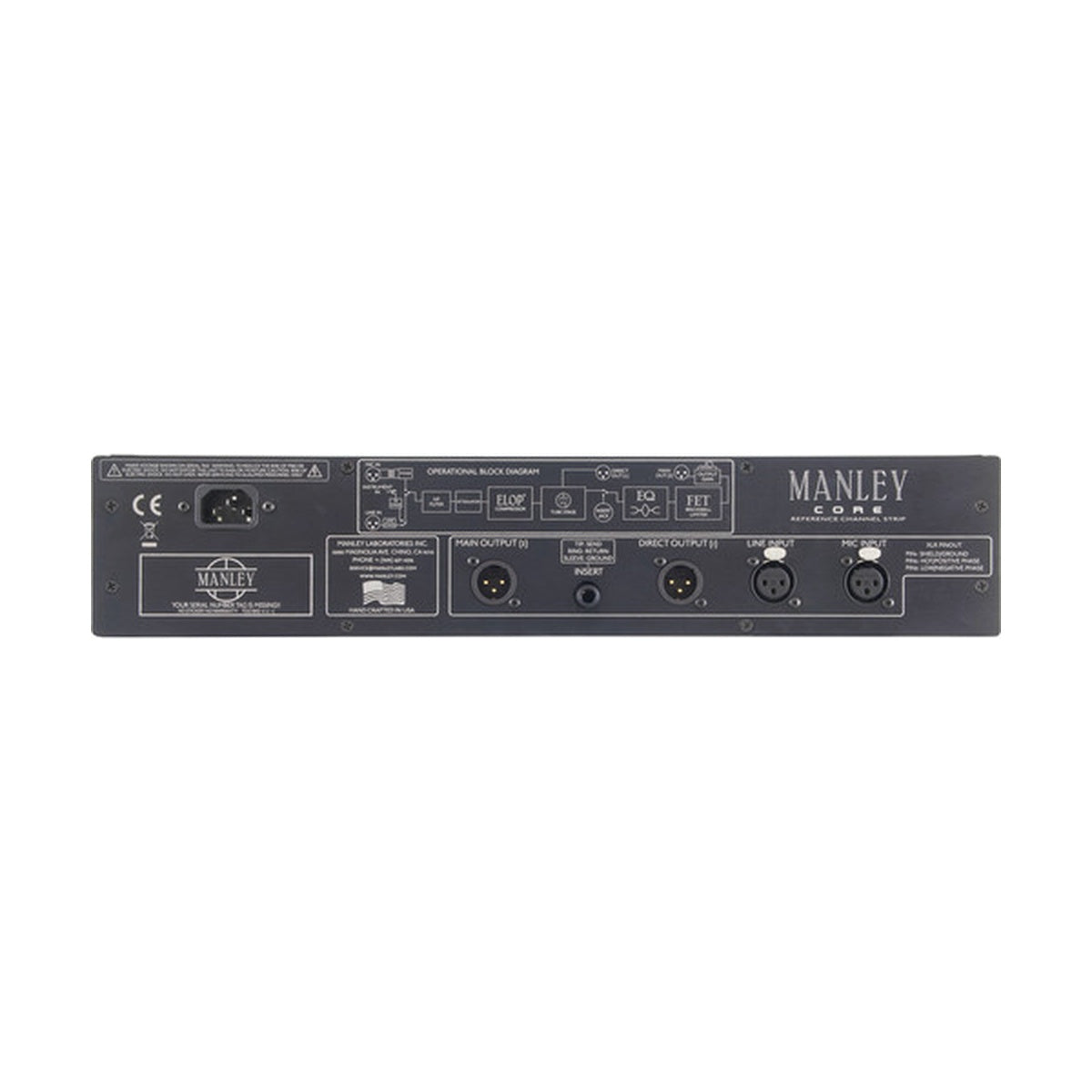
- Channel strips and preamps — VOXBOX, CORE and FORCE. One box instead of three when you track and would rather not patch a chain together.
How the models we stock differ
| Model | What it is | Key difference | Where it earns its place |
|---|---|---|---|
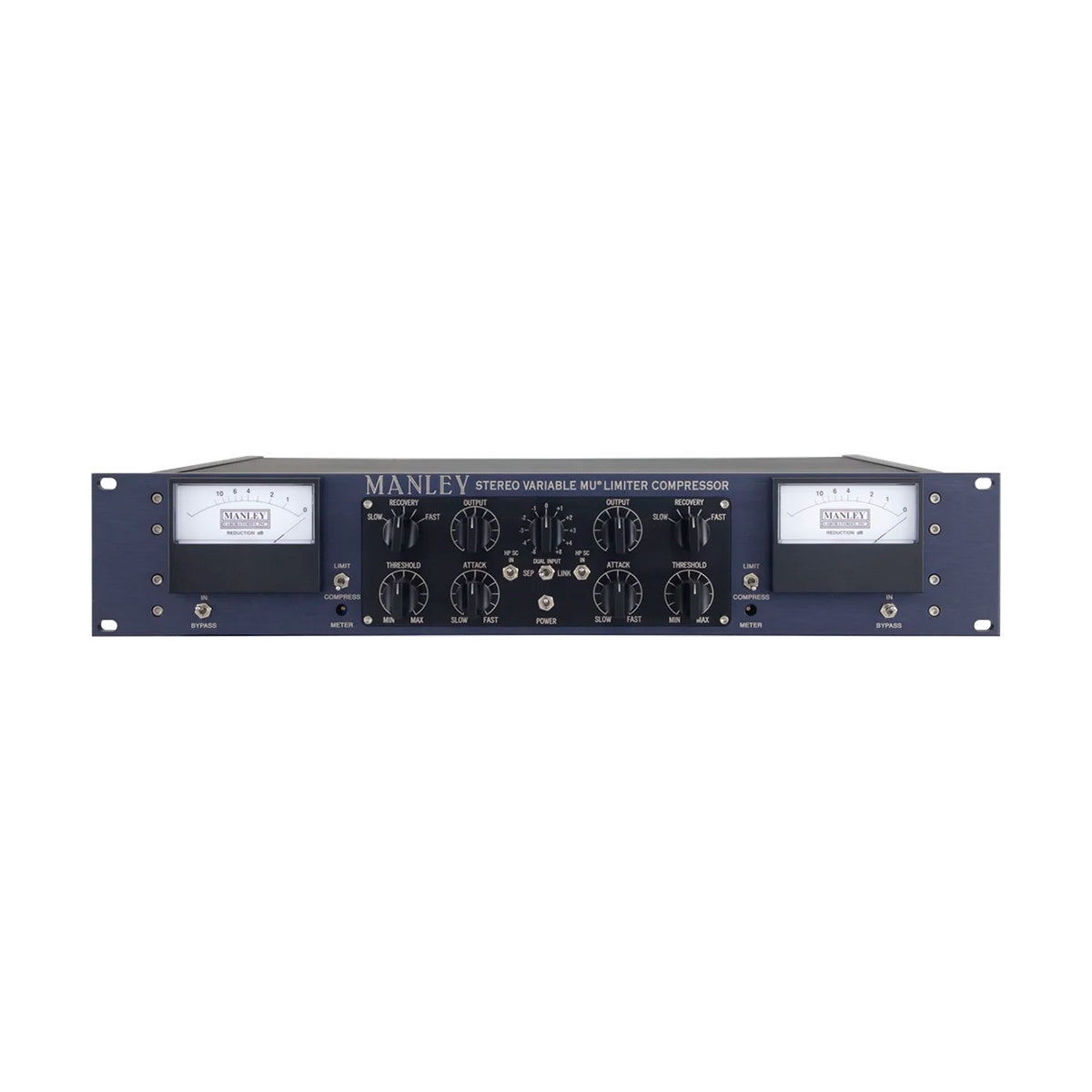
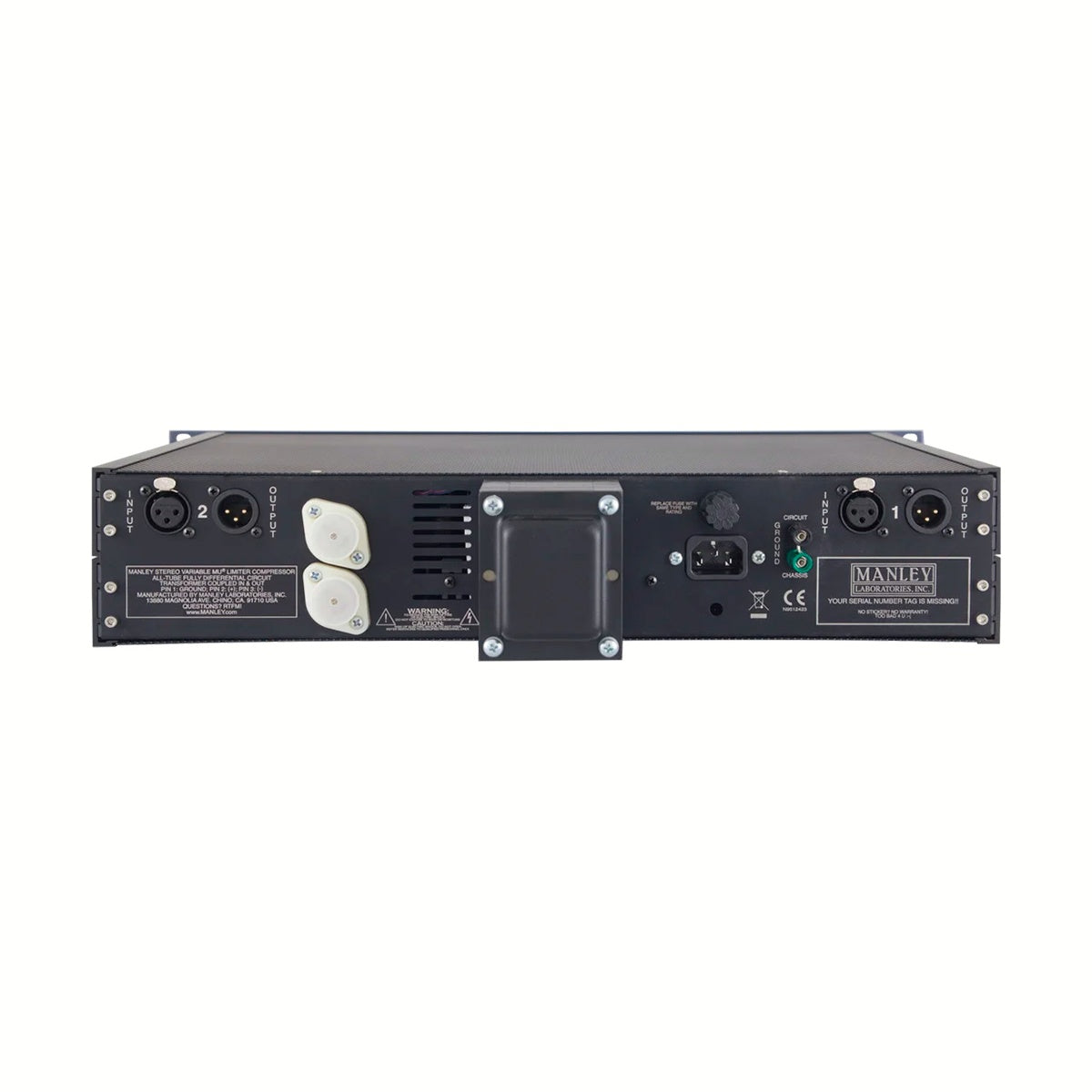
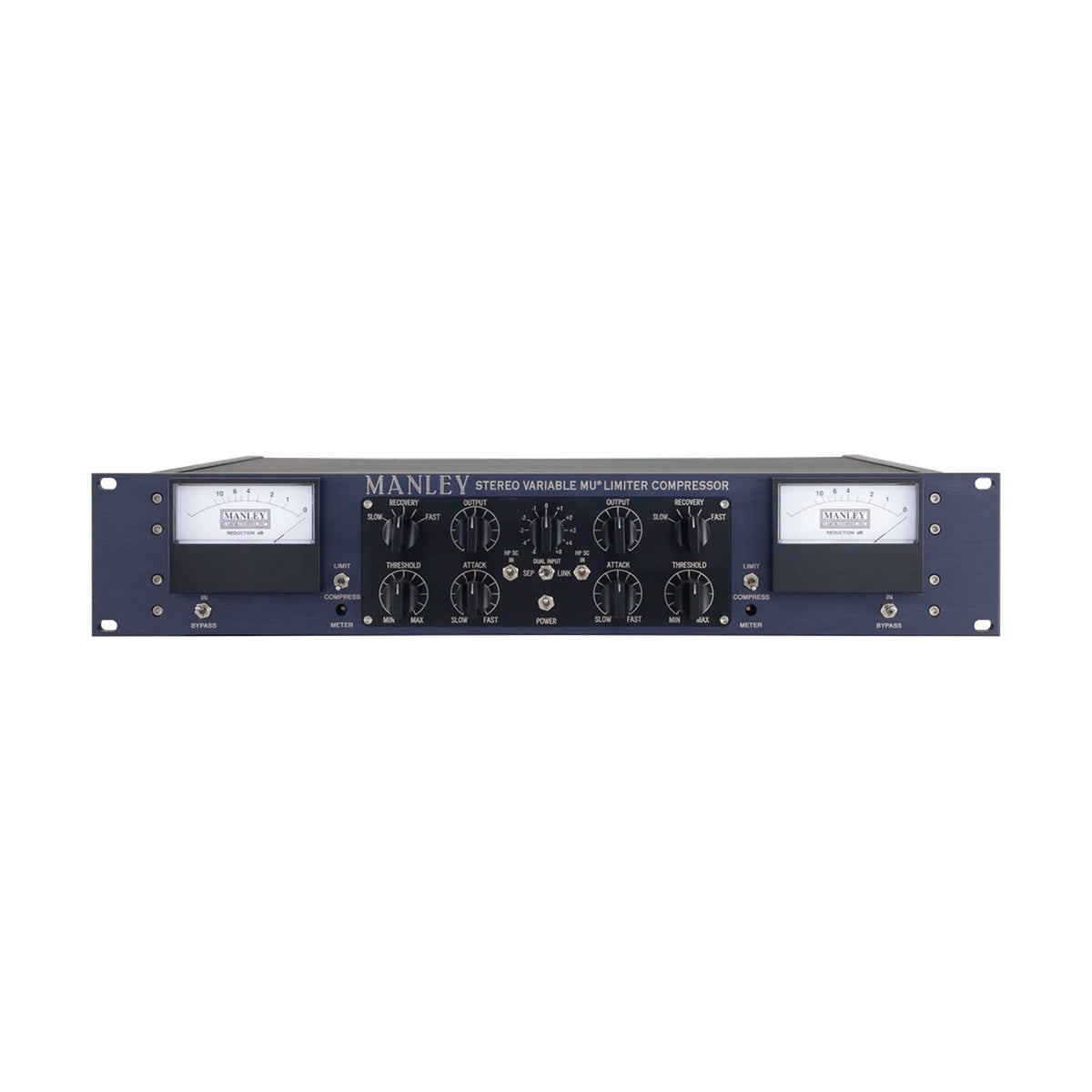
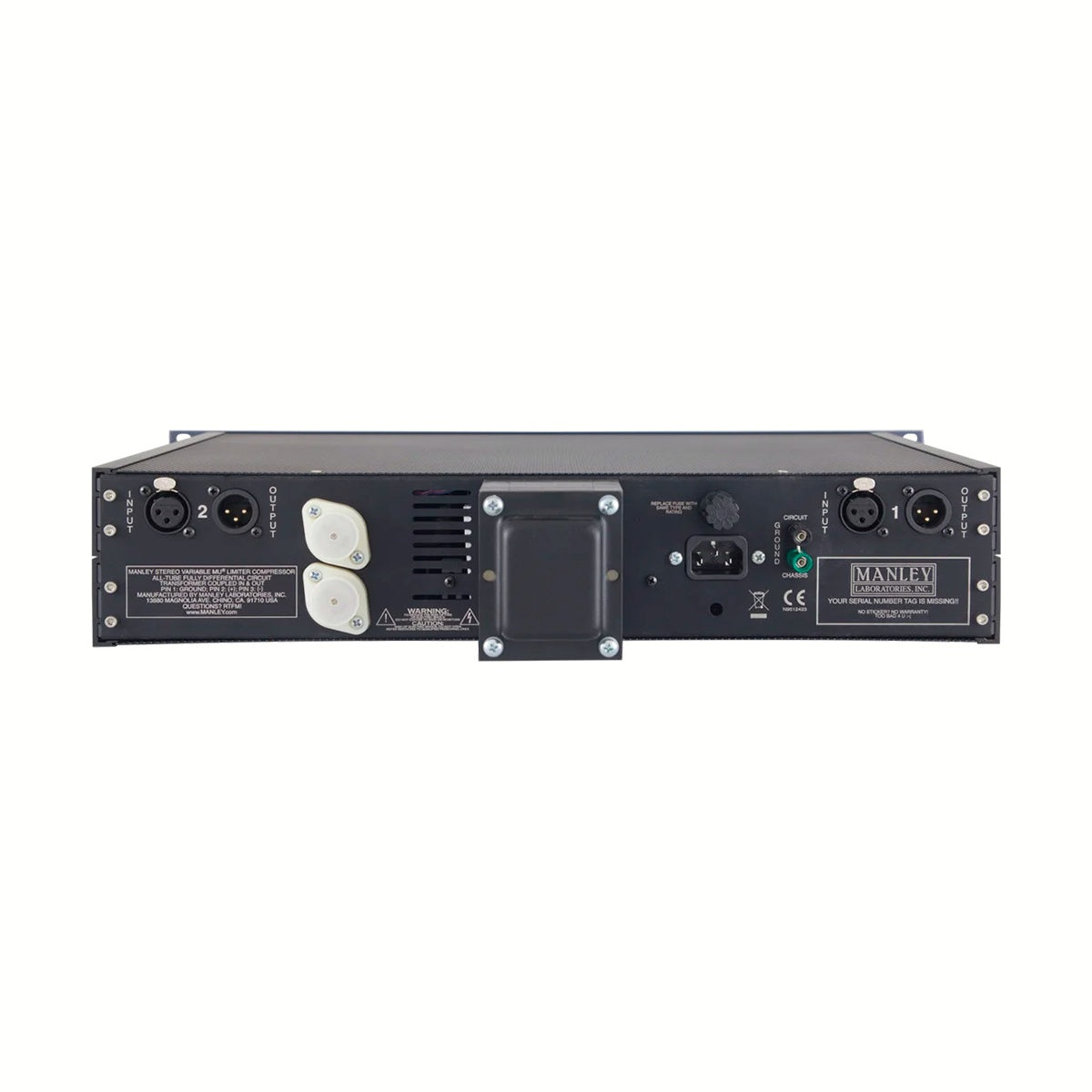
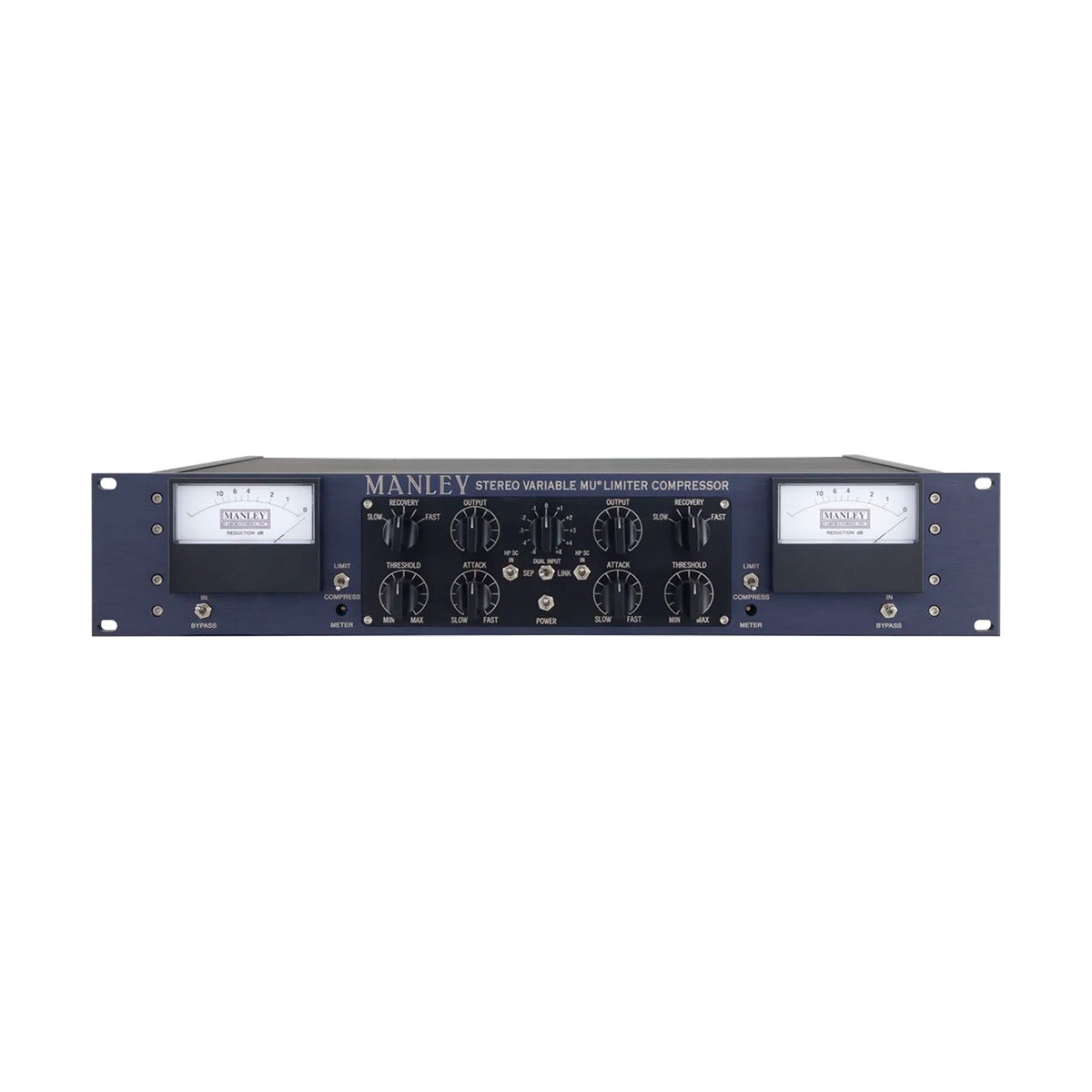
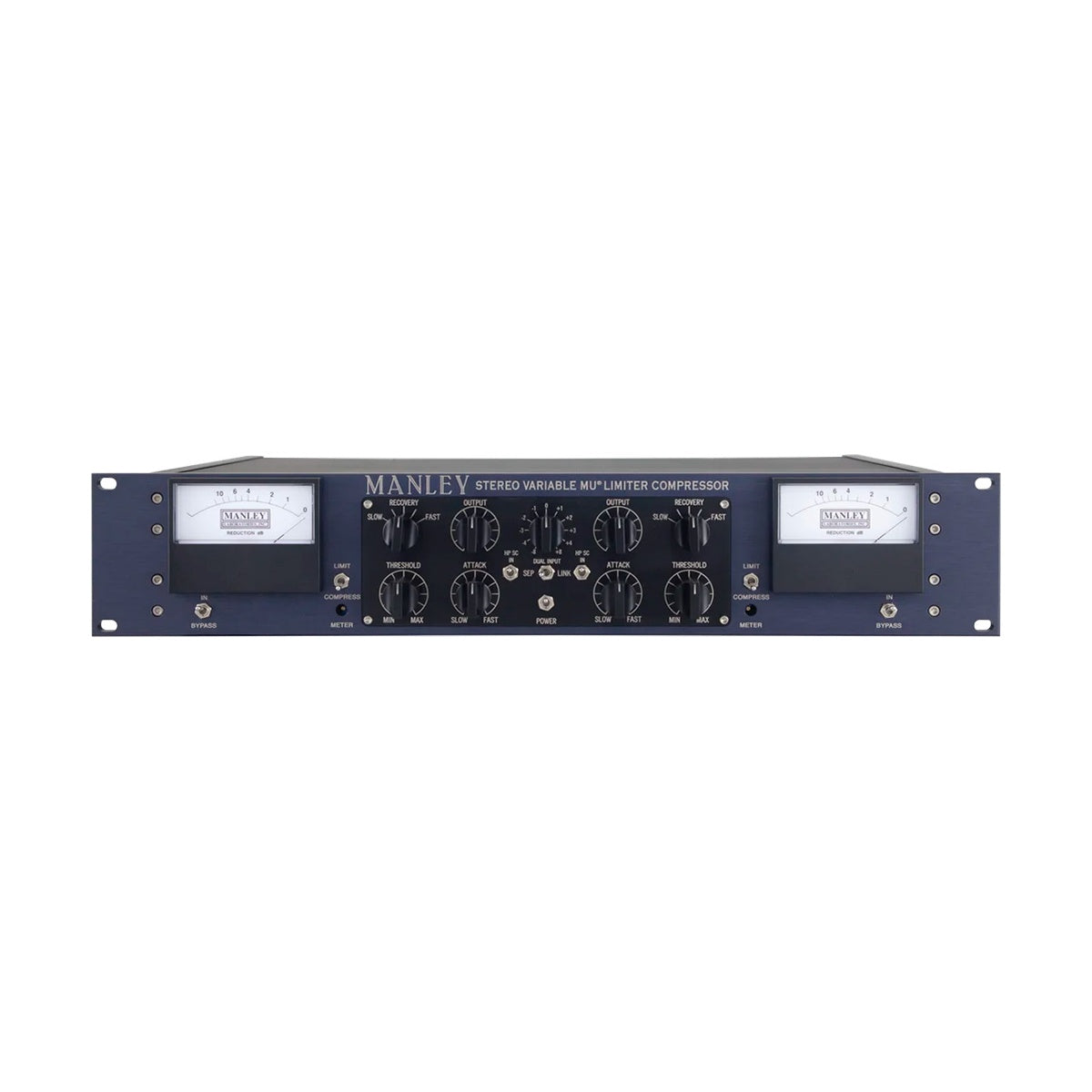
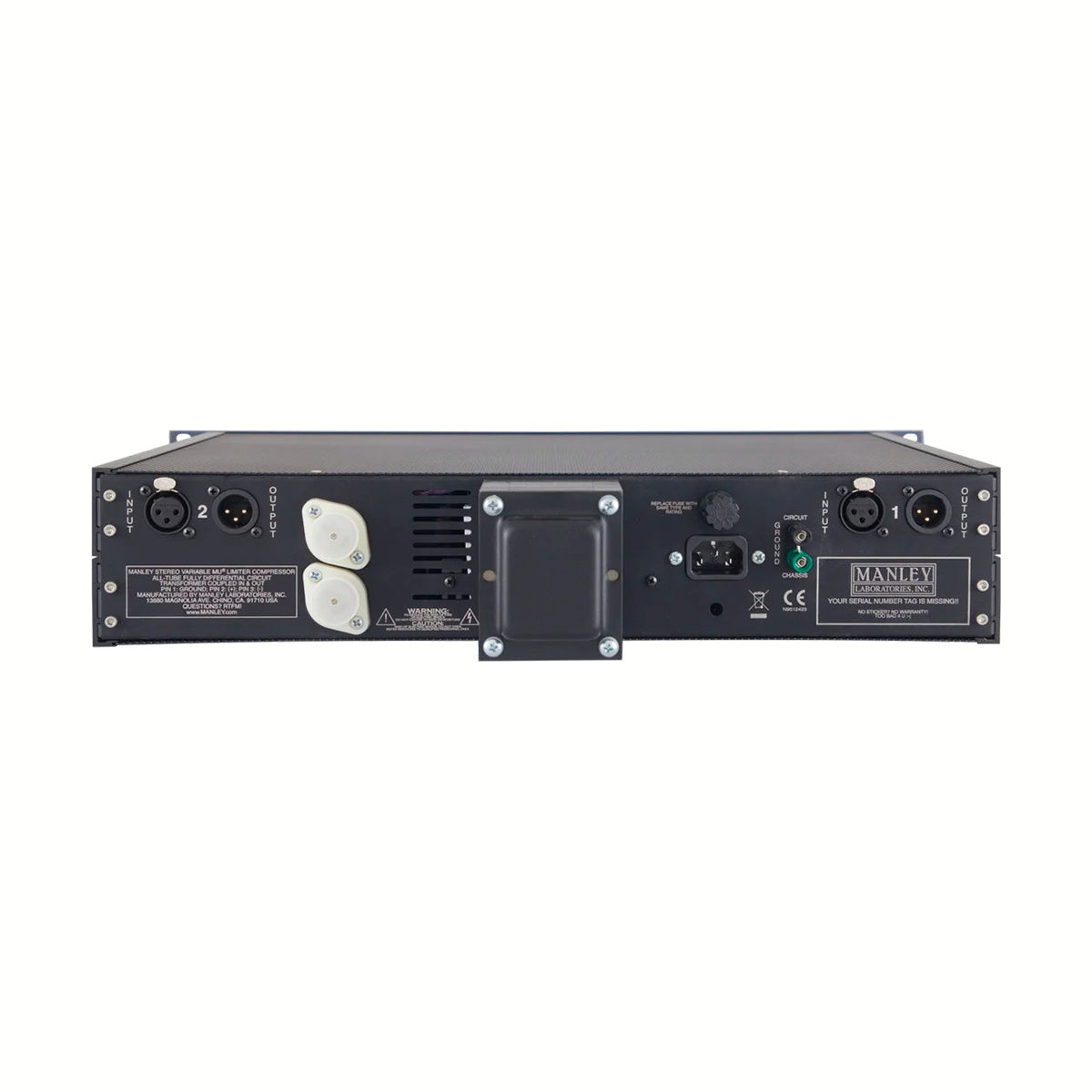
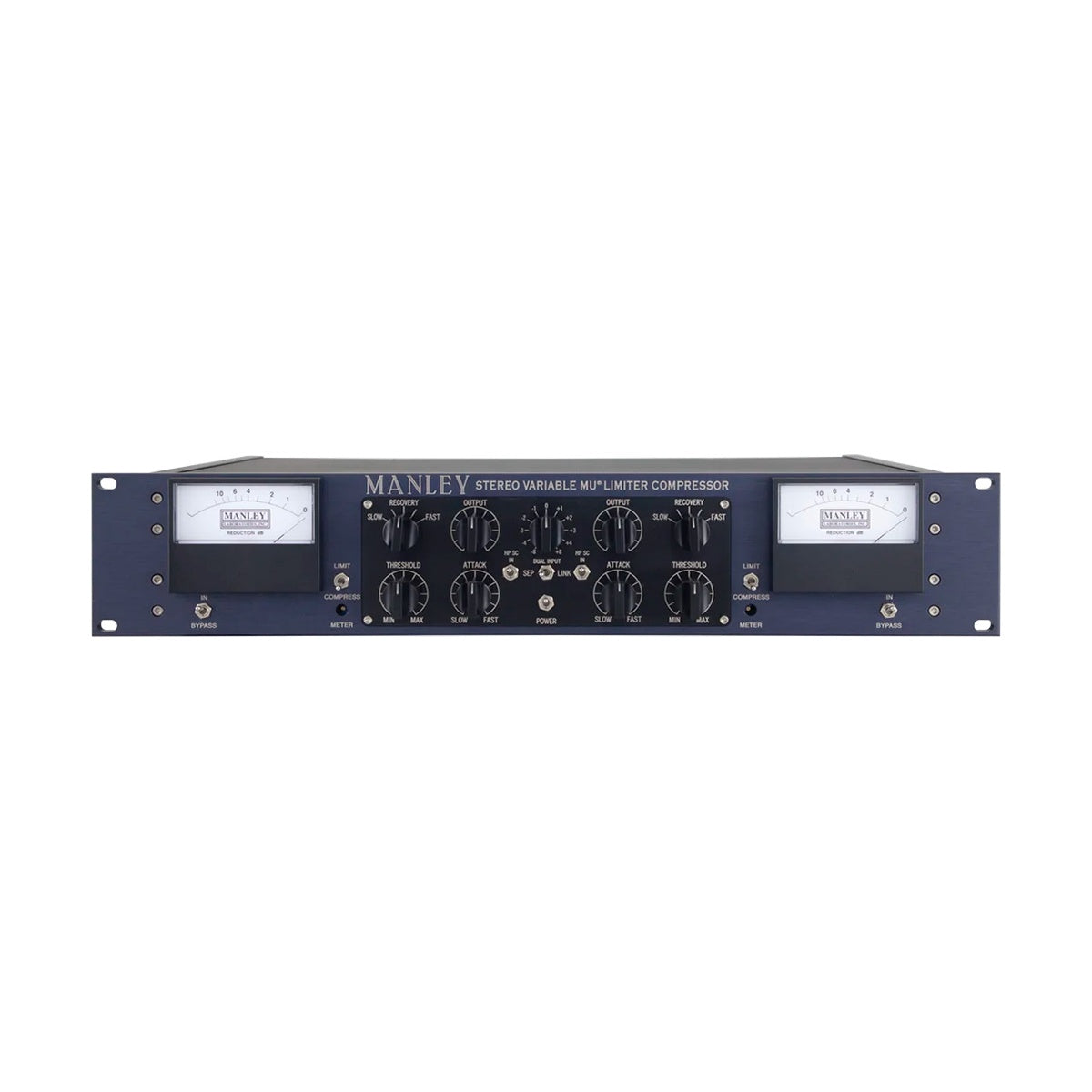
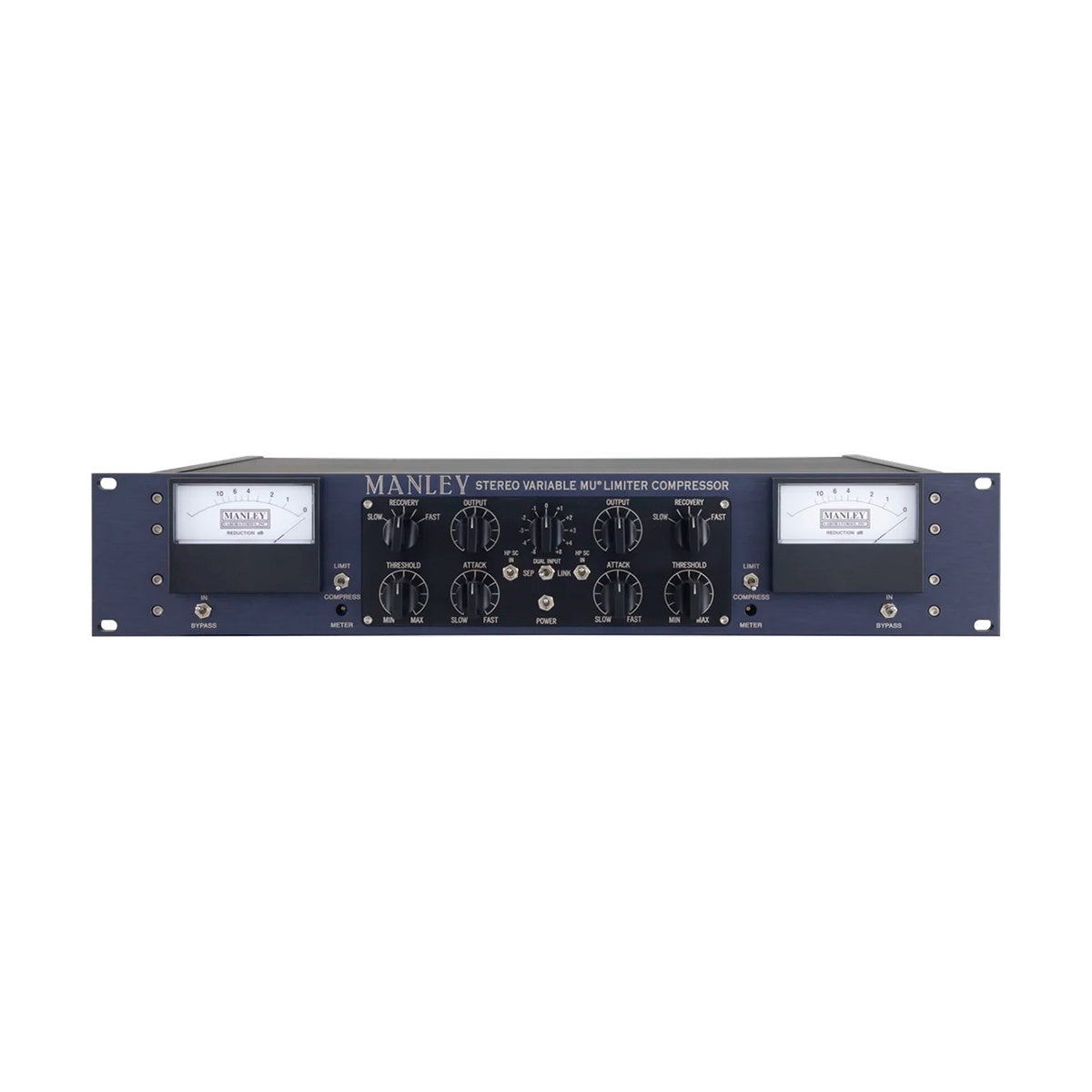
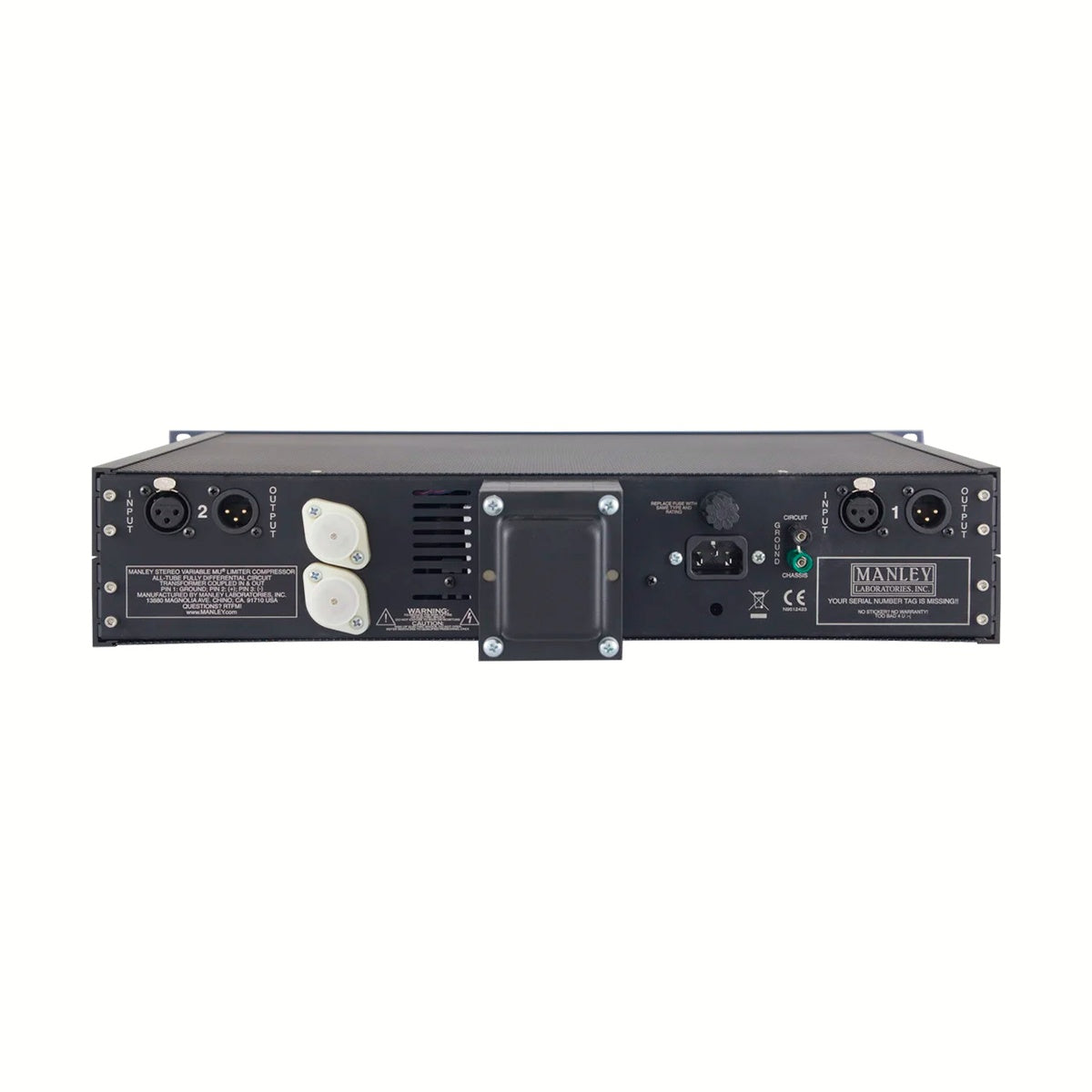
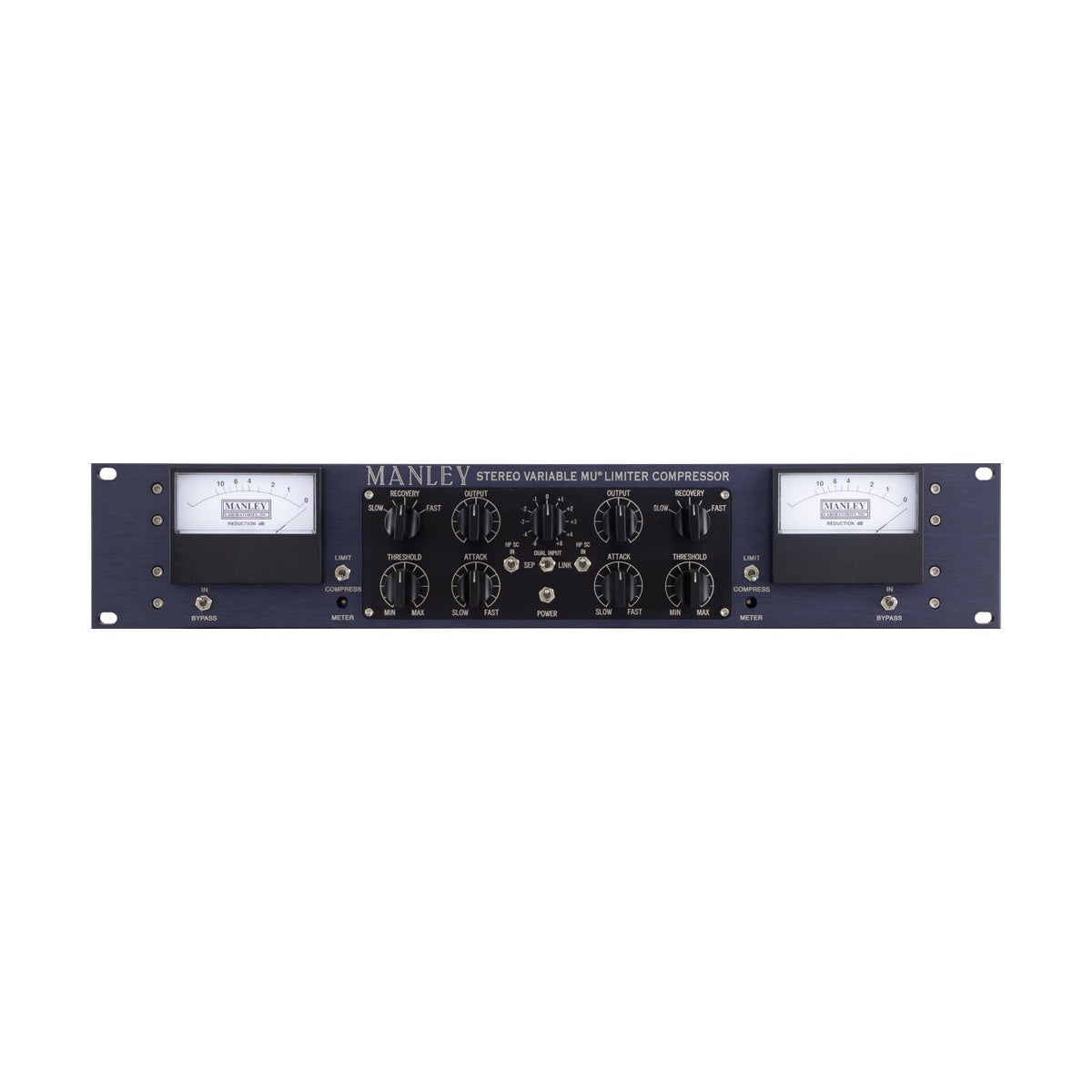
| Stereo Variable Mu | Two-channel tube compressor | The tube itself is the gain control. Compress 1.5:1, Limit 4:1 to 20:1, attack 25–70 ms | Mix bus, mastering, subgroups |
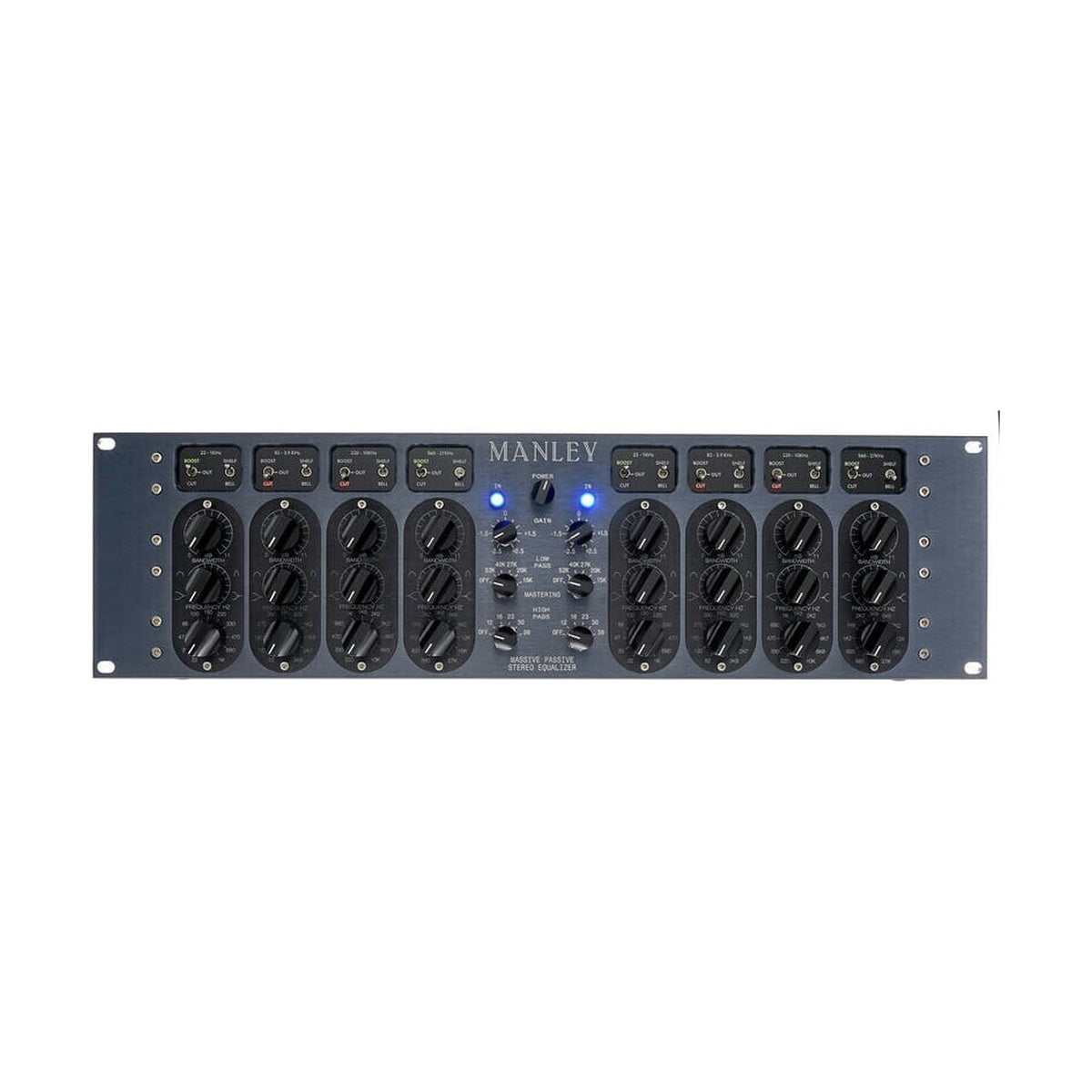
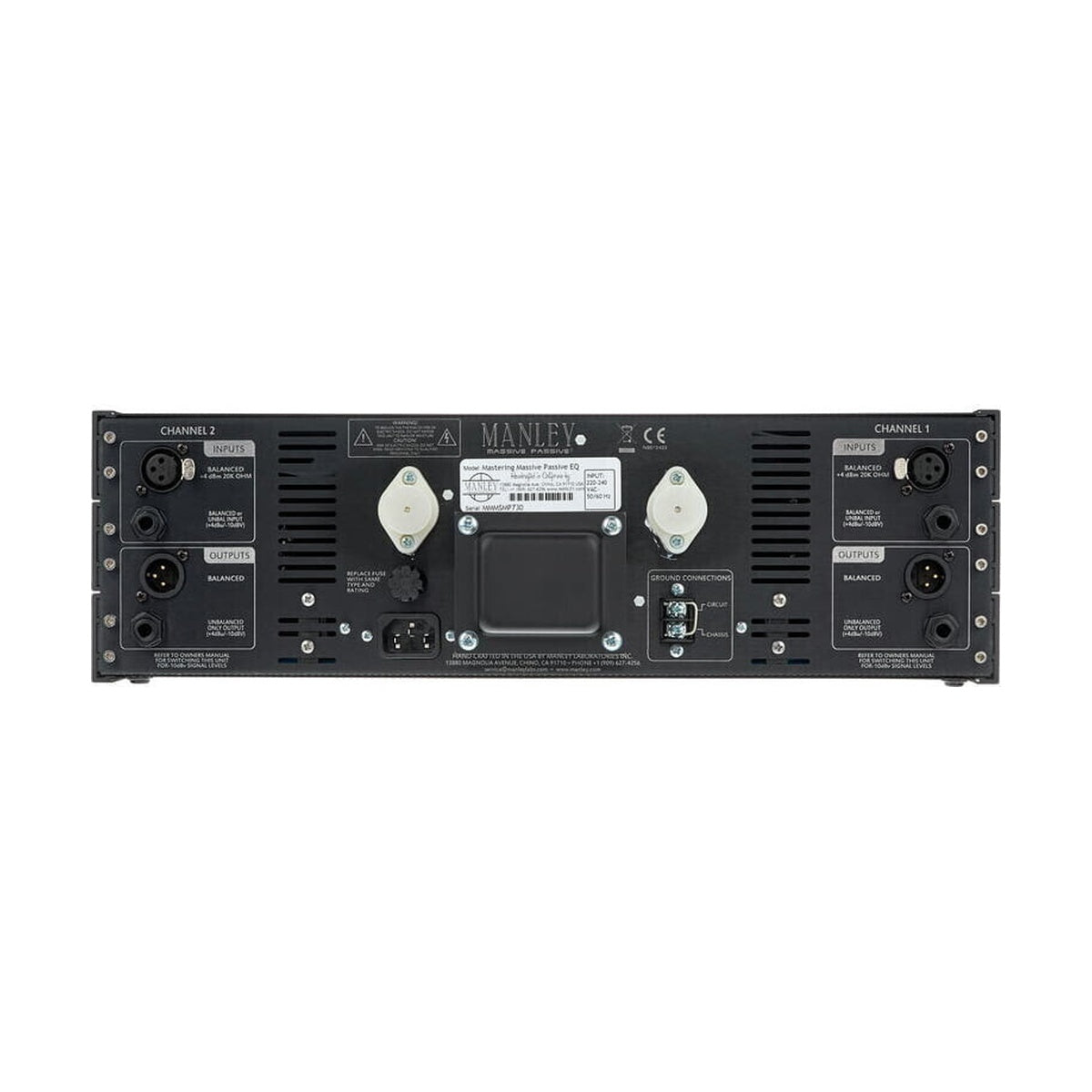
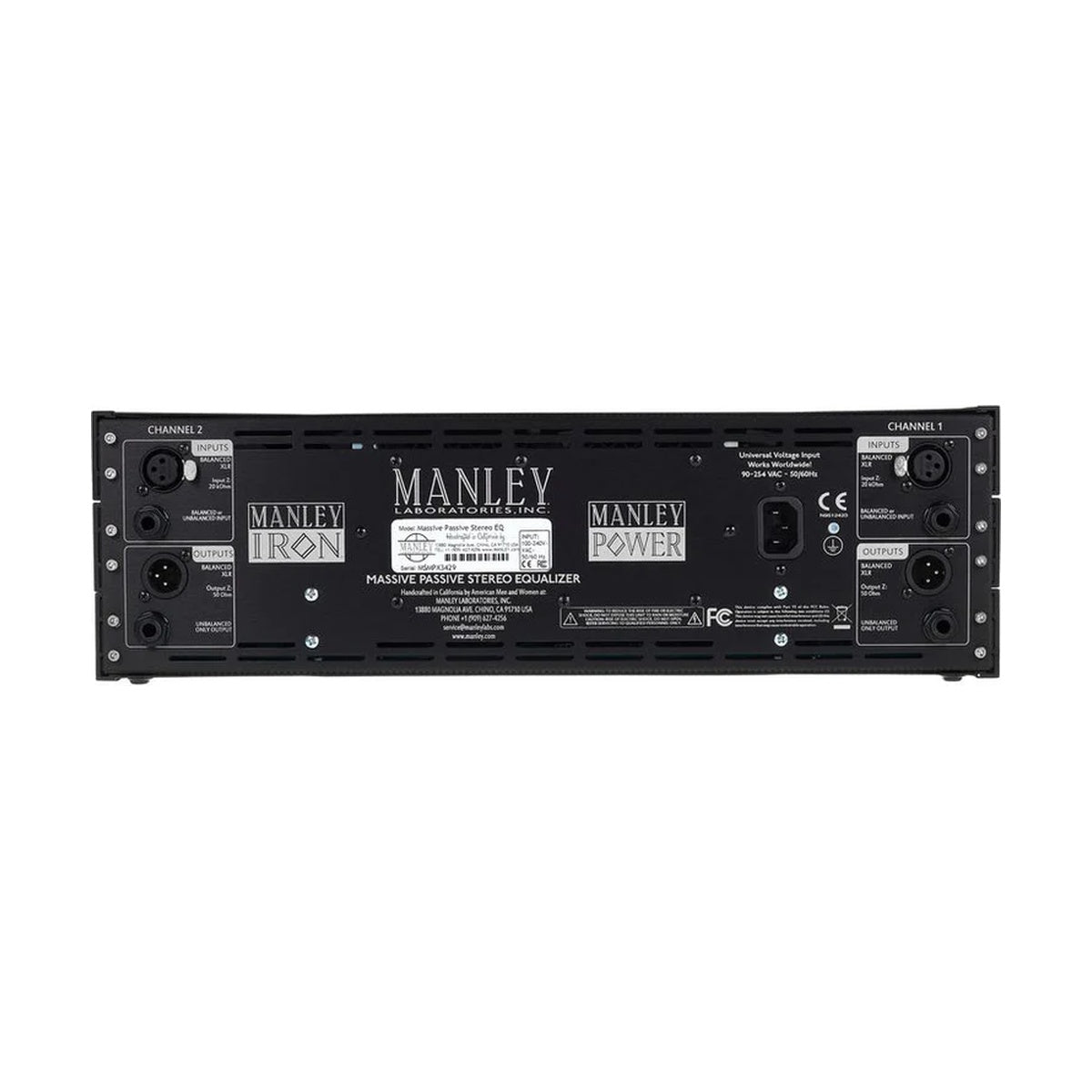
| Massive Passive | Passive tube EQ, 2 or 4 bands | 12AT7 tubes, all shaping done passively, M/S matrix | Mastering and broad mix moves |
| Enhanced Pultec EQP-1A | Single-channel passive EQ, 1U | Simultaneous low boost and cut, plus 20 Hz boost and a 25 kHz shelf | Bass, kick, the bottom of guitars |
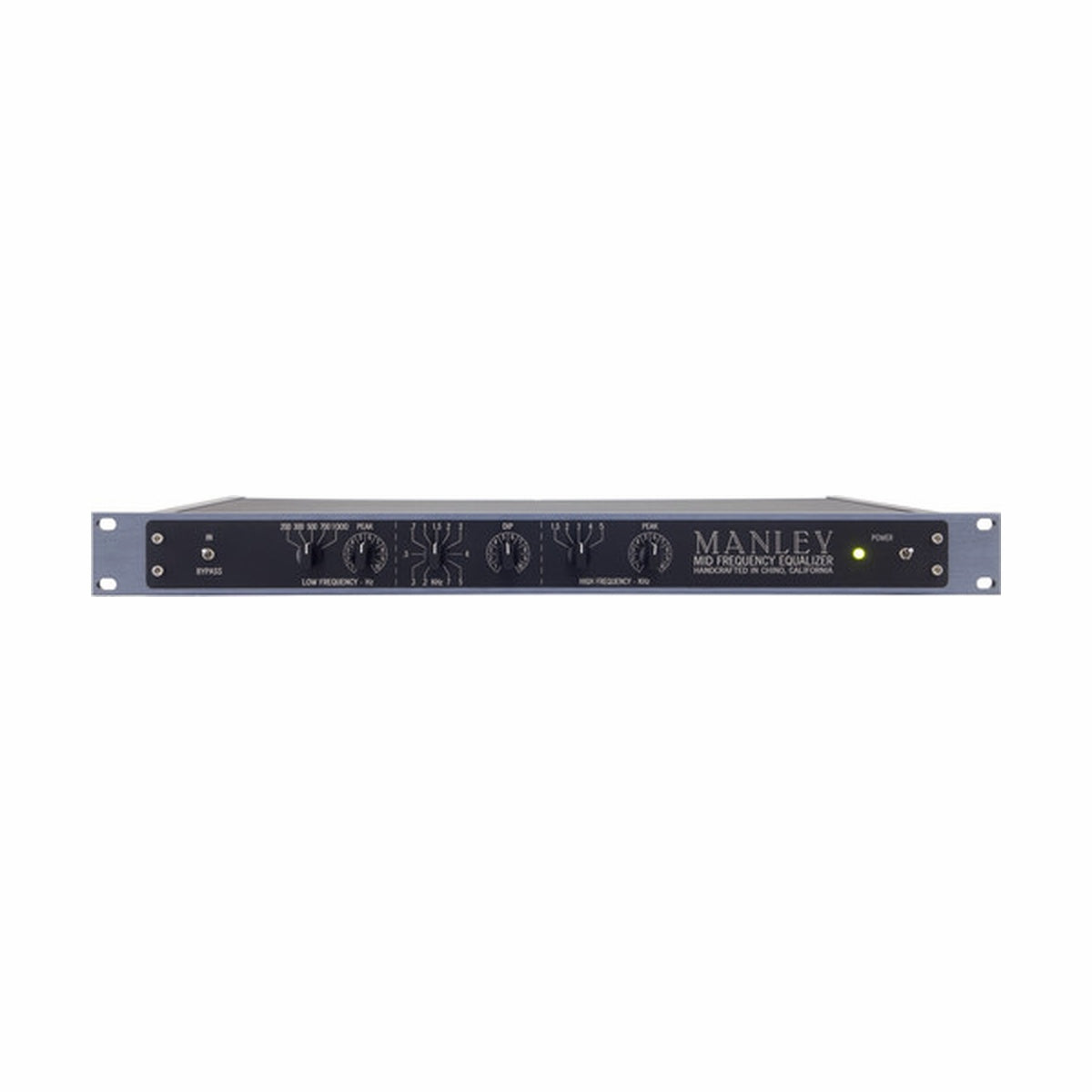
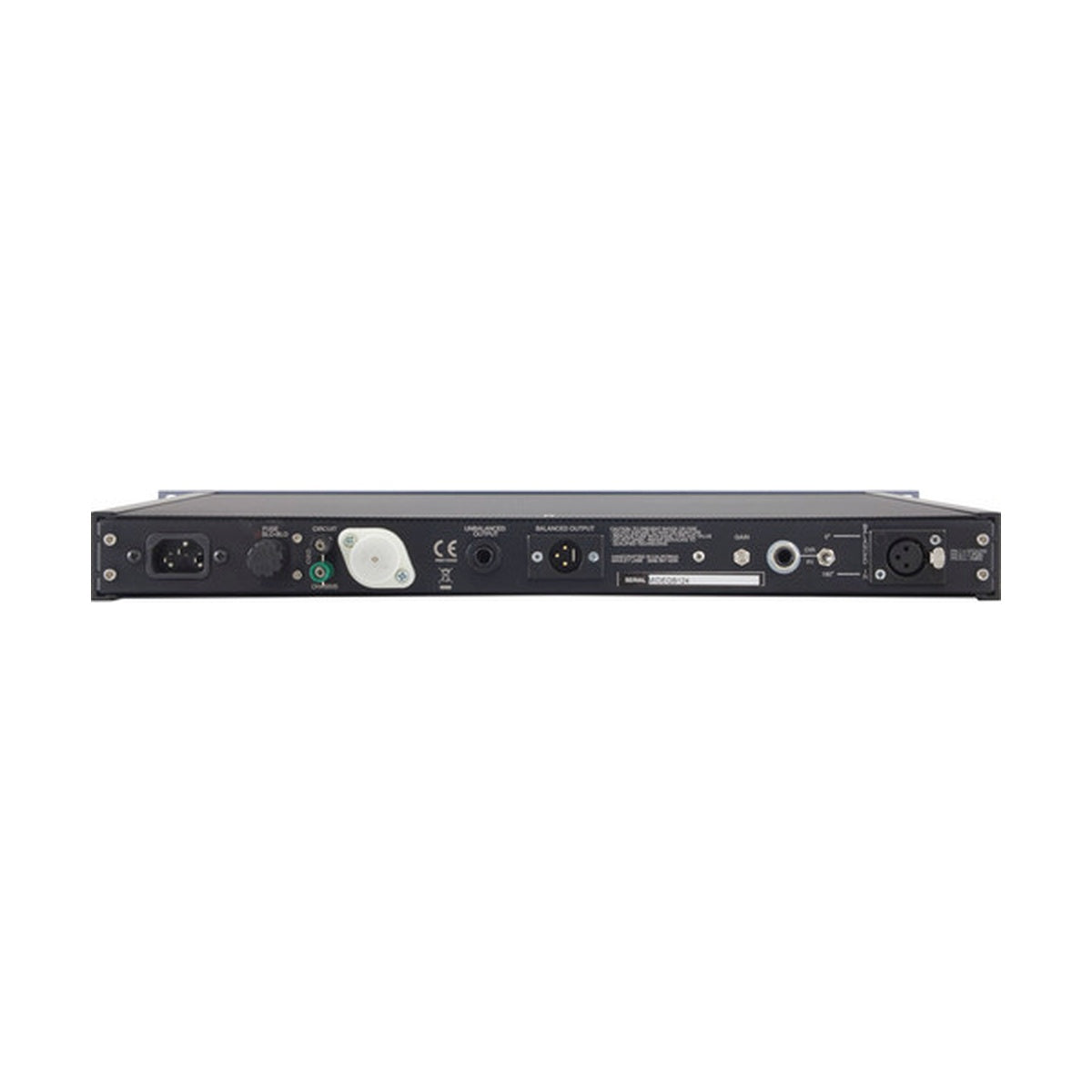
| Mid Frequency EQ | Two-channel passive midrange EQ | Both bands in the mids, 5751 and 12BH7 tubes, 10 Hz–70 kHz | Vocals, guitars, stems |
| Reference Silver | Tube condenser microphone | Sony C-37A-style capsule built by Josephson Audio, mechanically switched pattern | Vocals and acoustic sources |
| Reference Mono Gold | Flagship tube microphone | Top of the Reference line | Rooms where the mic is the calling card |
What to choose for the job in front of you
- The mix sounds like separate tracks stacked together — Stereo Variable Mu on the bus, two or three dB of reduction. You won't hear compression; you'll hear the parts lock together.
- You master and need one EQ for everything — Massive Passive. Four bands, M/S working, curves a parametric cannot build.
- The bass takes up too much room — Enhanced Pultec EQP-1A. Boost and cut on offset frequencies give you weight that stays out of the midrange.
- The vocal disappears behind the guitars — Mid Frequency EQ. Two bands per channel in the mids, so you can cut boxiness and lift the attack at once.
- You want a microphone with character, not a measurement curve — Reference Silver. A top end that doesn't bite up close, and mids no flat modern capsule will give you.
- You want the whole vocal chain in one box — that's the VOXBOX. It is not in stock right now: email us for a delivery date, and in the meantime a Variable Mu plus an EQ from this list gets you close.
Manley at Wired Tunes
In stock you'll find the Stereo Variable Mu, Massive Passive, Stereo Pultec EQP-1A, Enhanced Pultec EQP-1A, Mid Frequency EQ and the Reference Silver and Reference Mono Gold microphones. Mastering versions and the MS and T-Bar mods are available to order.
Browse also: compressors and limiters, equalizers, preamps and condenser microphones.
Before you decide
- How to record vocals at home — where the problem in your chain actually sits before you add a tube.
- Condenser vs dynamic microphone — what choosing a transducer type commits you to.
Why buy and test with us
Gear at this level is judged by ear, not by spec sheet. In our Warsaw showroom (Nowogrodzka 6A/102) you can hear what Manley does to your own material before you commit. Selected units come with our Test-Drive: 30 days, free, under a contract that lists the gear and the test period. Add 36 months of warranty, 30 days to return with no reason given, and delivery to every EU country.
Brand history
The Manley brand goes back to the late 1980s, started by EveAnna Manley and VTL founder David Manley. The first professional products arrived in 1989, beginning with the Reference 60dB Microphone Preamplifier, and made their public debut at the 1990 AES show in Los Angeles. Manley Laboratories became a separate company in 1993; when David Manley left in 1996, EveAnna Manley took the helm. The modern classics followed: Stereo Variable Mu (1994), VOXBOX (1997) and Massive Passive (1998).
In 2025 the company was acquired by Dirk Ulrich and his Rockforce Tech Holding, the group that also bought Apogee Electronics later that year. In December 2025 Manley moved into a new 11,000 sq ft facility, still in Chino, California, transformer winding department included.