Audiotales Designs ist ein französischer Hersteller von Mastering-Hardware, gegründet von Adrien Sauvaget, Chefingenieur bei X-Pand Sound Mastering. Das erklärt die Form des Sortiments: Das sind Geräte, entworfen von jemandem, der vom Mastering lebt. Die drei Geräte konkurrieren nicht miteinander – der 1951 bearbeitet die Ränder des Frequenzbands, der 1954 die Mitte, und der Equidal übernimmt Sättigung und Summierung.
Für wen die Geräte gedacht sind
- Sie haben einen fertigen Mix und wollen ihn nicht zerstören – jeder Regler hier ist gerastet, die Einstellung von letzter Woche kommt also exakt zurück.
- Sie mastern fremdes Material – der 1951 berührt nur Höhen und Tiefen und lässt Gesang und Gitarren in Ruhe.
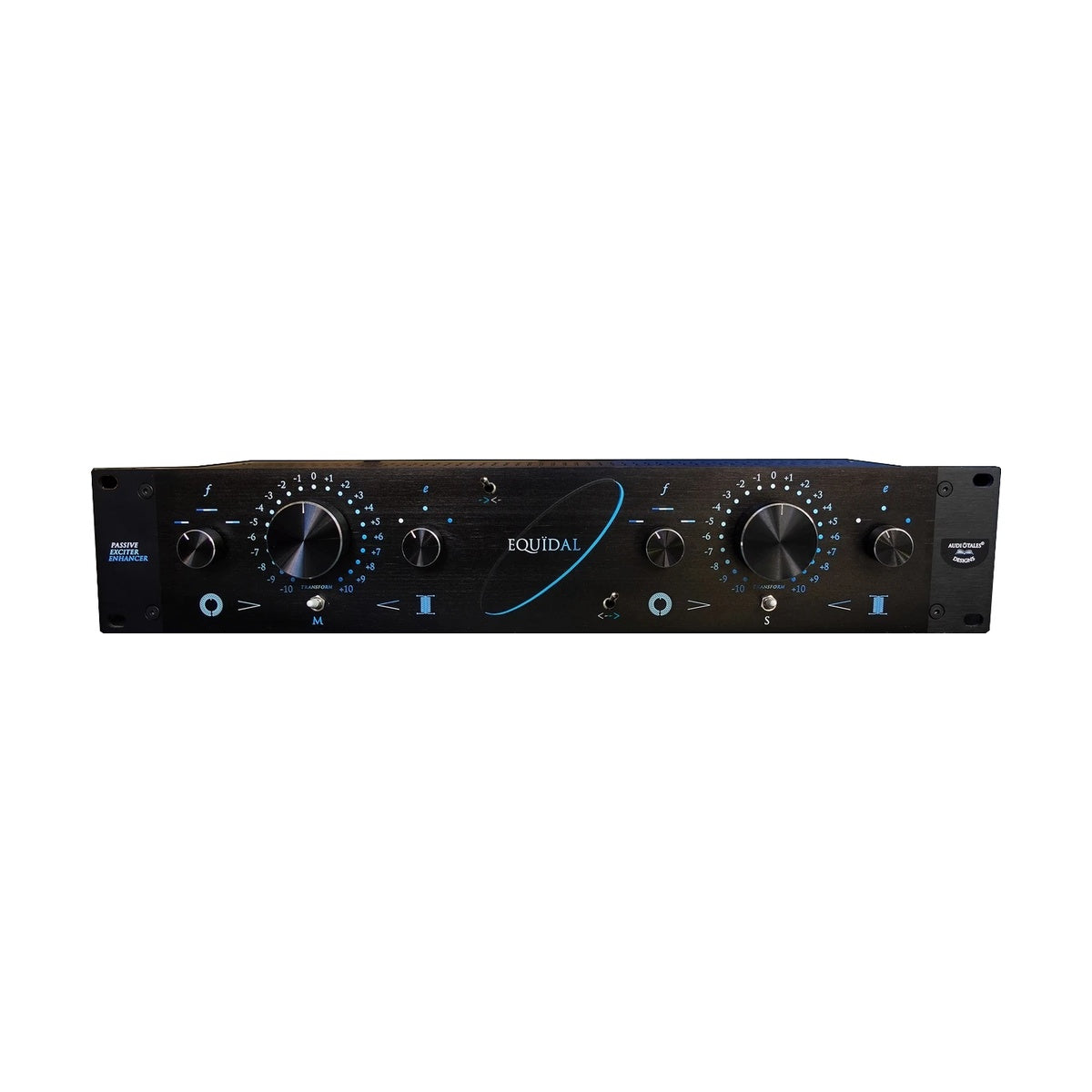
- Sie arbeiten hybrid – der Equidal bietet passive Sechskanal-Summierung und M/S-Bearbeitung in einem Gerät, ohne Netzteil und ohne Pegelverlust.
Nichts davon ist für Aufnahme oder für das Mischen einzelner Spuren gedacht. Alle drei beginnen dort, wo der Mix bereits steht.
So unterscheiden sich die drei
| Modell | Typ | Bearbeiteter Bereich | Besonderheit |
|---|---|---|---|
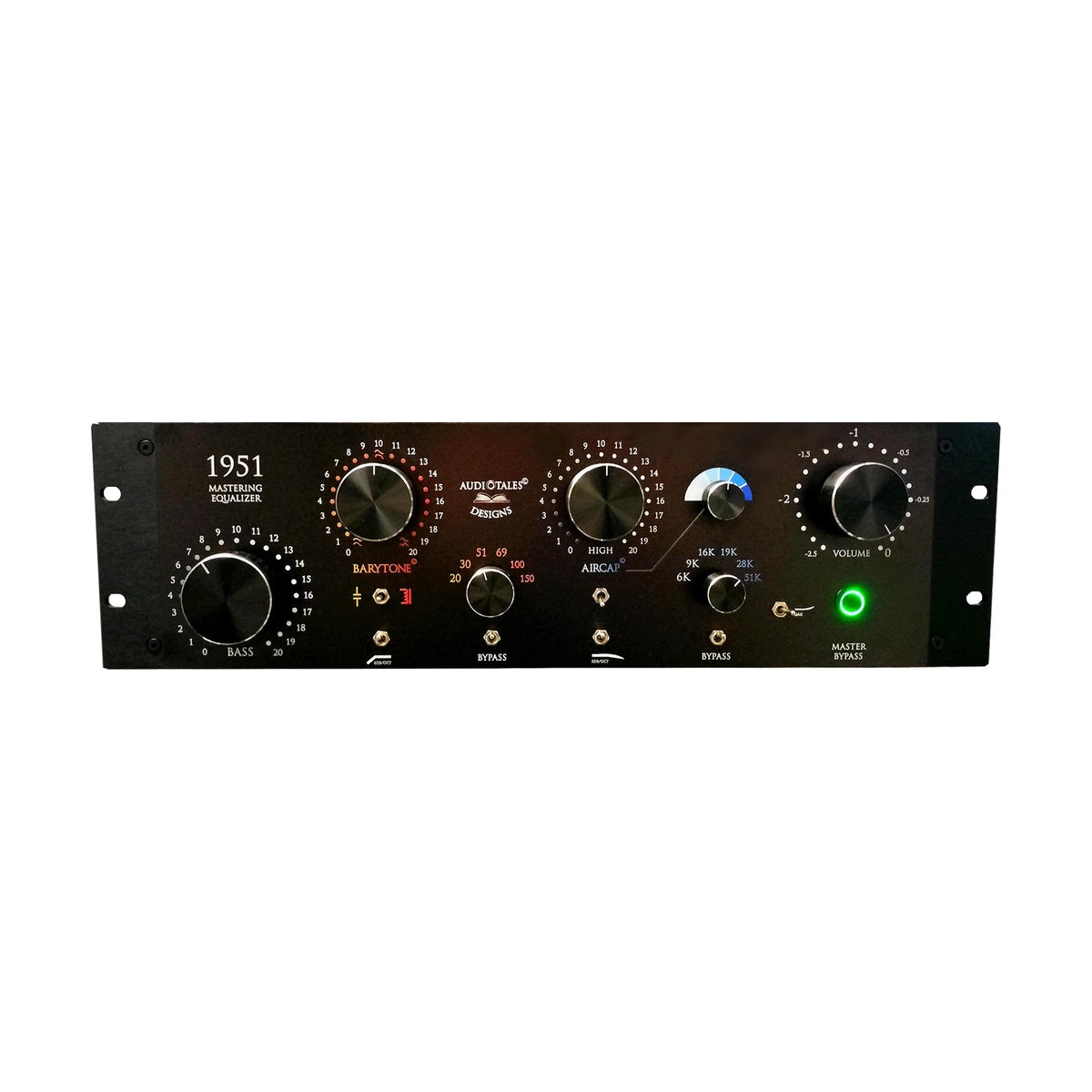
| 1951 EQ | Röhren-Mastering-Equalizer | Tiefen 20–150 Hz, Höhen 6–51 kHz | Umschaltbar zwischen Shelf- und Baxandall-Kurve, Funktionen BARYTONE und AIRCAP, NOS-Röhren Sylvania 6SL7 WGT und 6922 |
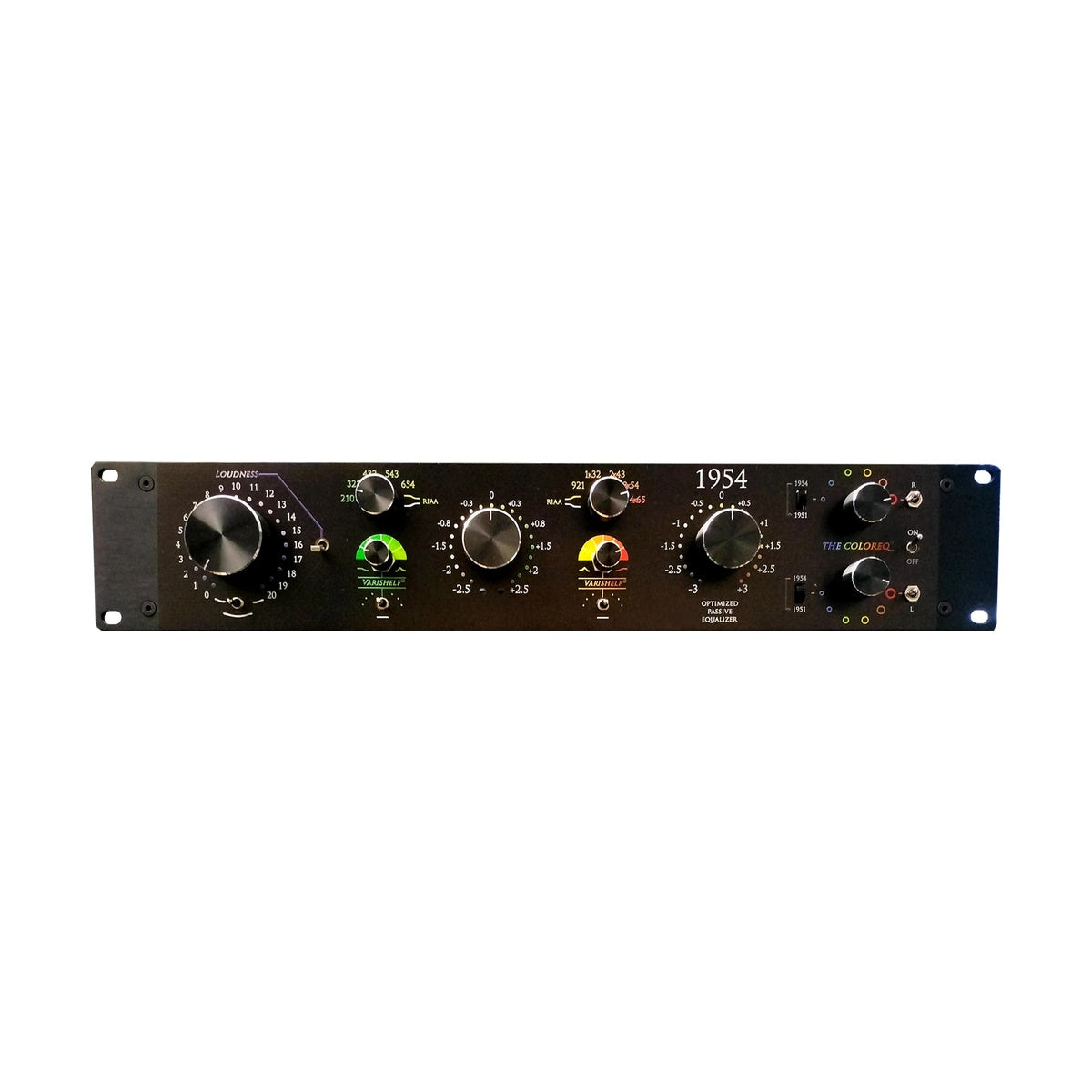
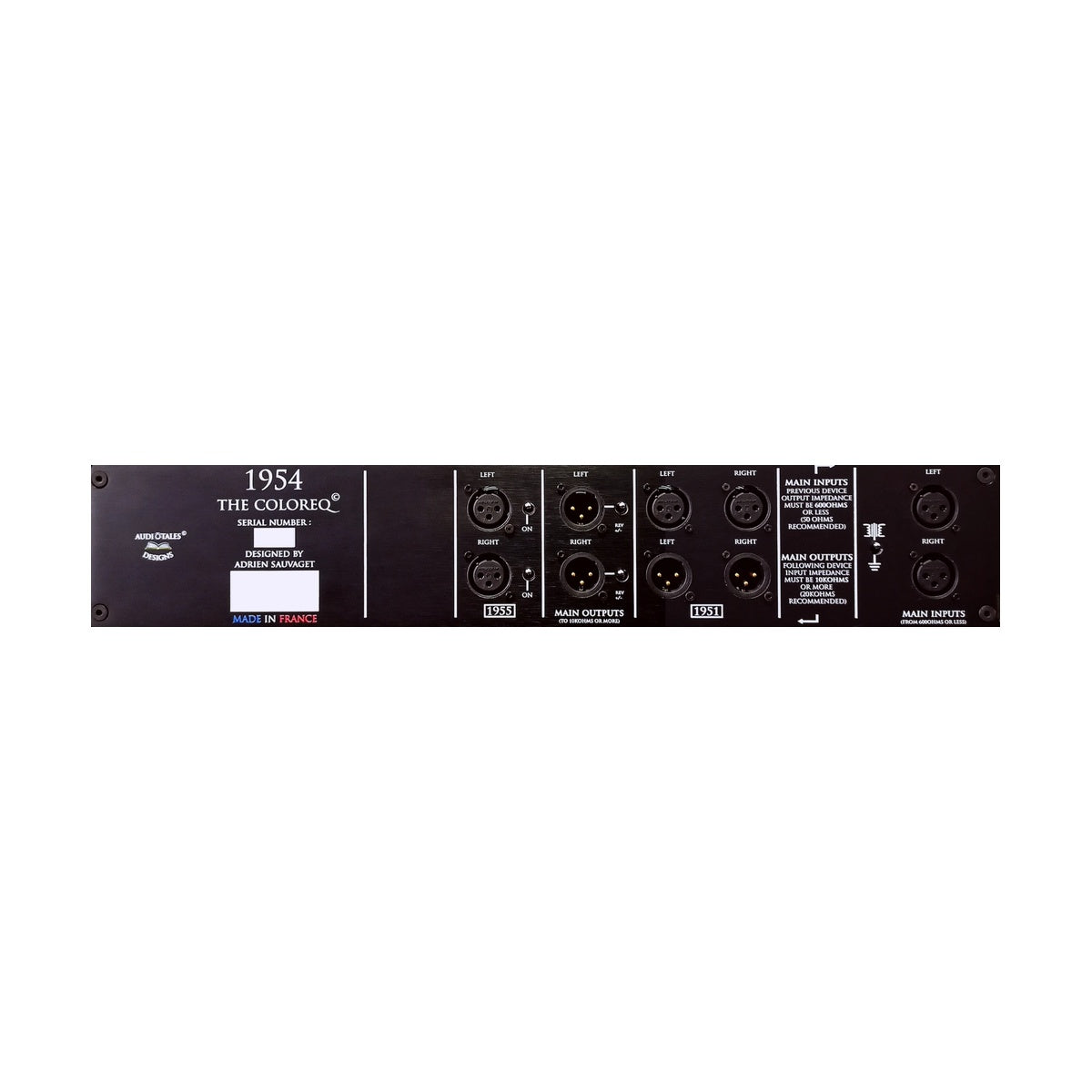
| 1954 EQ | Passiver Mastering-Equalizer | Die Mitten, die der 1951 bewusst auslässt | Keine aktiven Stufen und kein Netzteil, Lundahl-Übertrager, Sektionen Varishelf, Coloreq und Loudness, Dual-RIAA-Kurven |
| Equidal | Passiver Exciter, Enhancer und Summierbox | Volles Band, wirkt auf den Charakter | Acht Übertrager, Ringkern- und amorphe Kerne, über einen Balance-Regler gemischt, Sechskanal-Summierung, M/S mit eigenem Insert |
Was Sie wählen sollten
- Der Mix braucht Luft oben und Gewicht unten – 1951 EQ. Mit der Baxandall-Kurve heben Sie oben ein dB an, ohne die Zischlaute zu schärfen.
- Das Problem liegt in den Mitten: Gesang, Snare, Gitarren – 1954 EQ, der genau dort beginnt, wo der 1951 aufhört.
- Das Material ist korrekt, aber flach – Equidal. Der Balance-Regler blendet zwischen zwei Arten von Übertragersättigung über, Sie wählen den Charakter also während der Arbeit und nicht beim Kauf.
- Sie wollen nur die Mitte komprimieren oder nur die Seiten formen – wieder der Equidal: M/S-Bearbeitung mit eigenem Insert an der Rückseite.
Stöbern Sie auch bei: Equalizer und Studio- und Aufnahmetechnik.
Bevor Sie sich entscheiden
- Wie man eine Frequenzgangkurve liest – bevor Sie die Ränder des Frequenzbands korrigieren.
- Aufstellung von Studiomonitoren – ohne sie korrigiert ein Mastering-EQ Ihren Raum, nicht Ihren Mix.
Warum bei uns kaufen
Alle drei sind lieferbar, der Vergleich eines 1951 mit einem 1954 an Ihrem eigenen Material dauert also einen Besuch. Showroom in Warschau: Nowogrodzka 6A/102. Ausgewählte Geräte können Sie im Test-Drive: 30 Tage, kostenlos ausprobieren, und jeder Kauf umfasst 36 Monate Garantie, 30 Tage Rückgaberecht ohne Angabe von Gründen und Lieferung in die gesamte EU.
Über die Marke
Audiotales Designs begann mit dem 1951 Mastering Equalizer – einer reinen Röhrenkonstruktion in Class A mit eigenen Funktionen BARYTONE und AIRCAP, zum Patent angemeldet. Der Name verneigt sich vor dem ersten passiven Röhren-EQ, der 1951 erschien. Der 1954 folgte als zweite Hälfte eines modularen Paars, danach der Equidal. Alles wird in Frankreich von Hand gebaut, und das Unternehmen fasst seinen Ansatz in einem Satz zusammen: entworfen von einem Toningenieur, für Toningenieure.