PCIe Audio Interfaces – Direct Integration, Minimum Latency
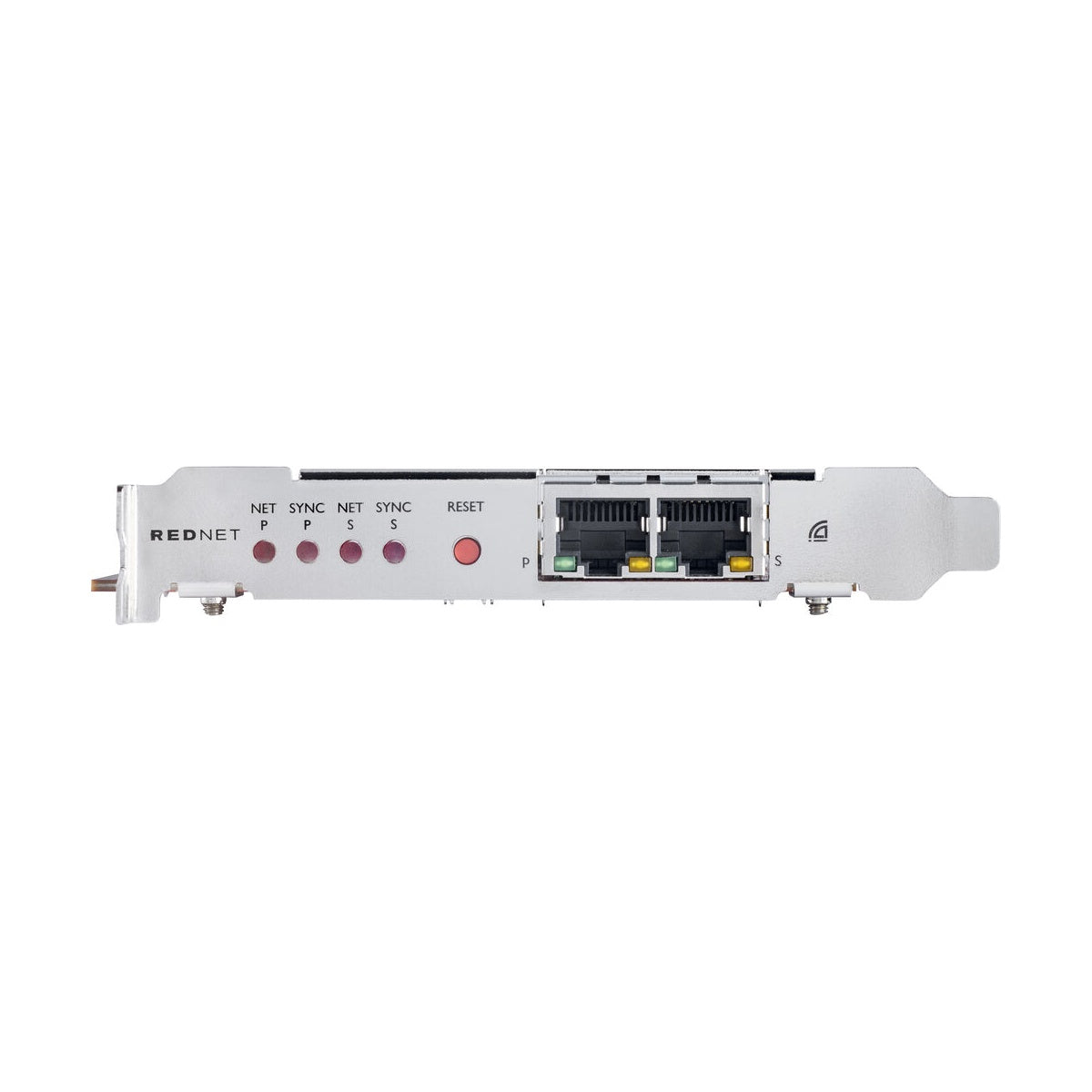
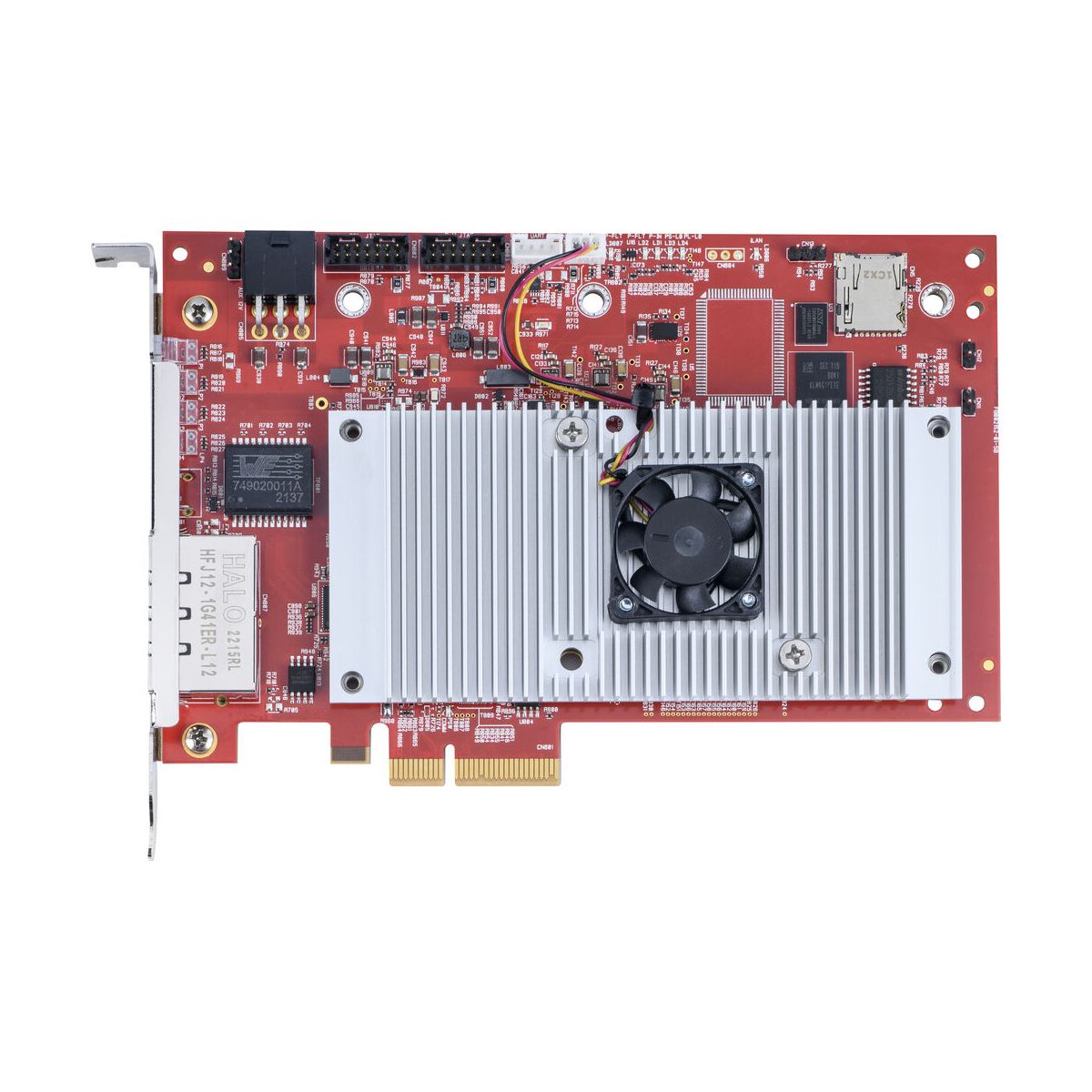
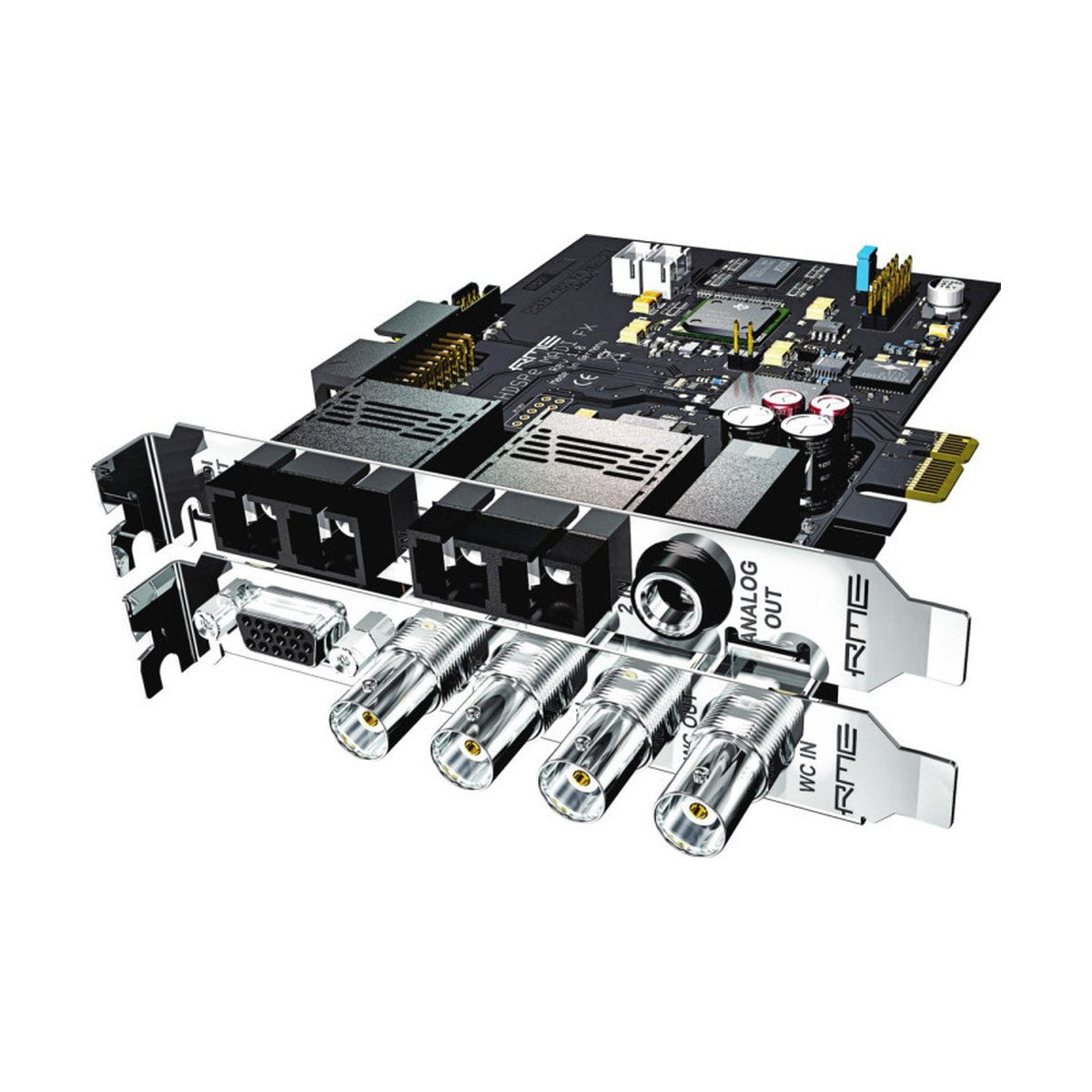
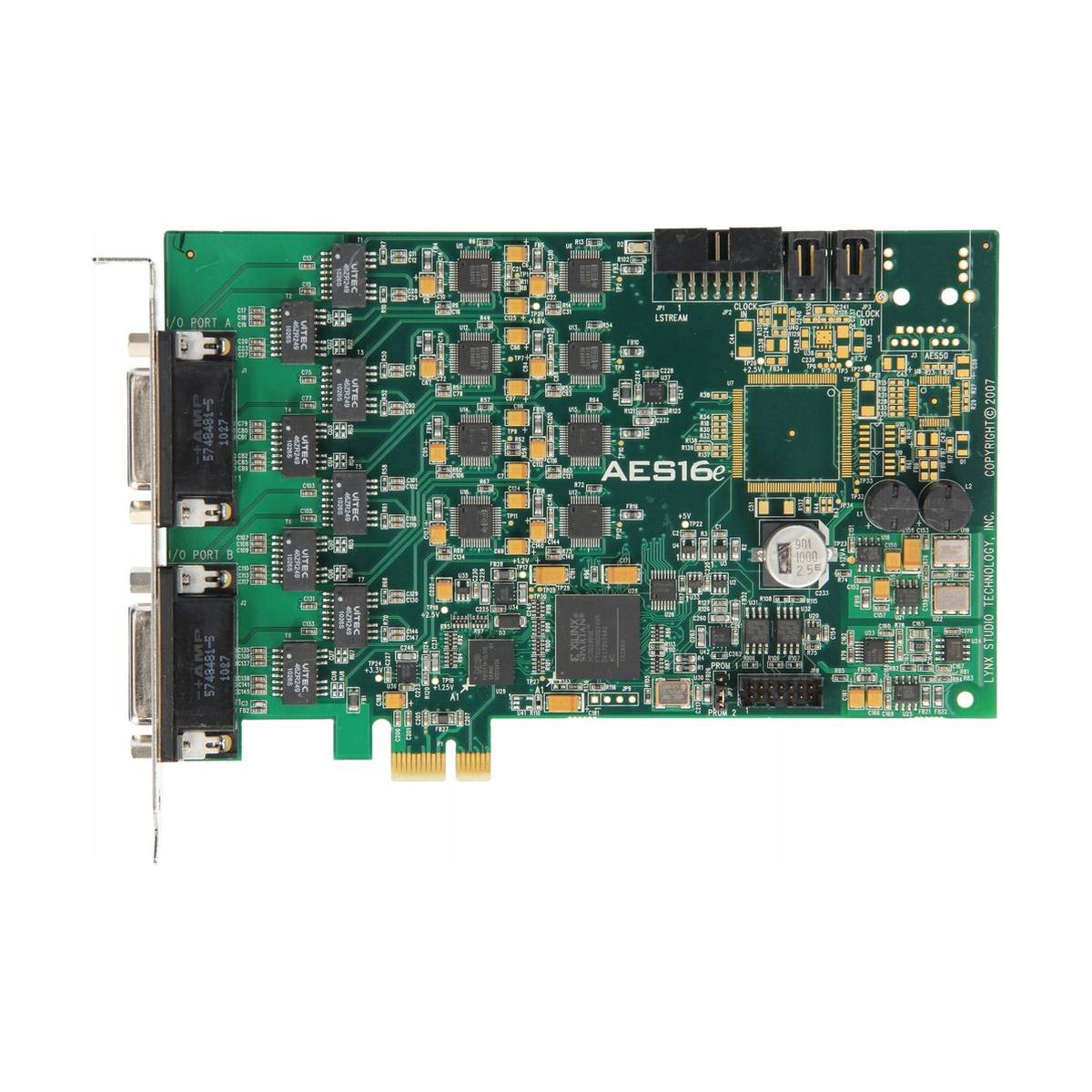
A PCIe card plugs directly into the motherboard, cutting out every layer of connection overhead that USB and Thunderbolt add. This collection covers PCIe audio interfaces and DSP accelerator cards for professional, latency-critical work — desktop computers only, no laptops.
When PCIe actually makes sense
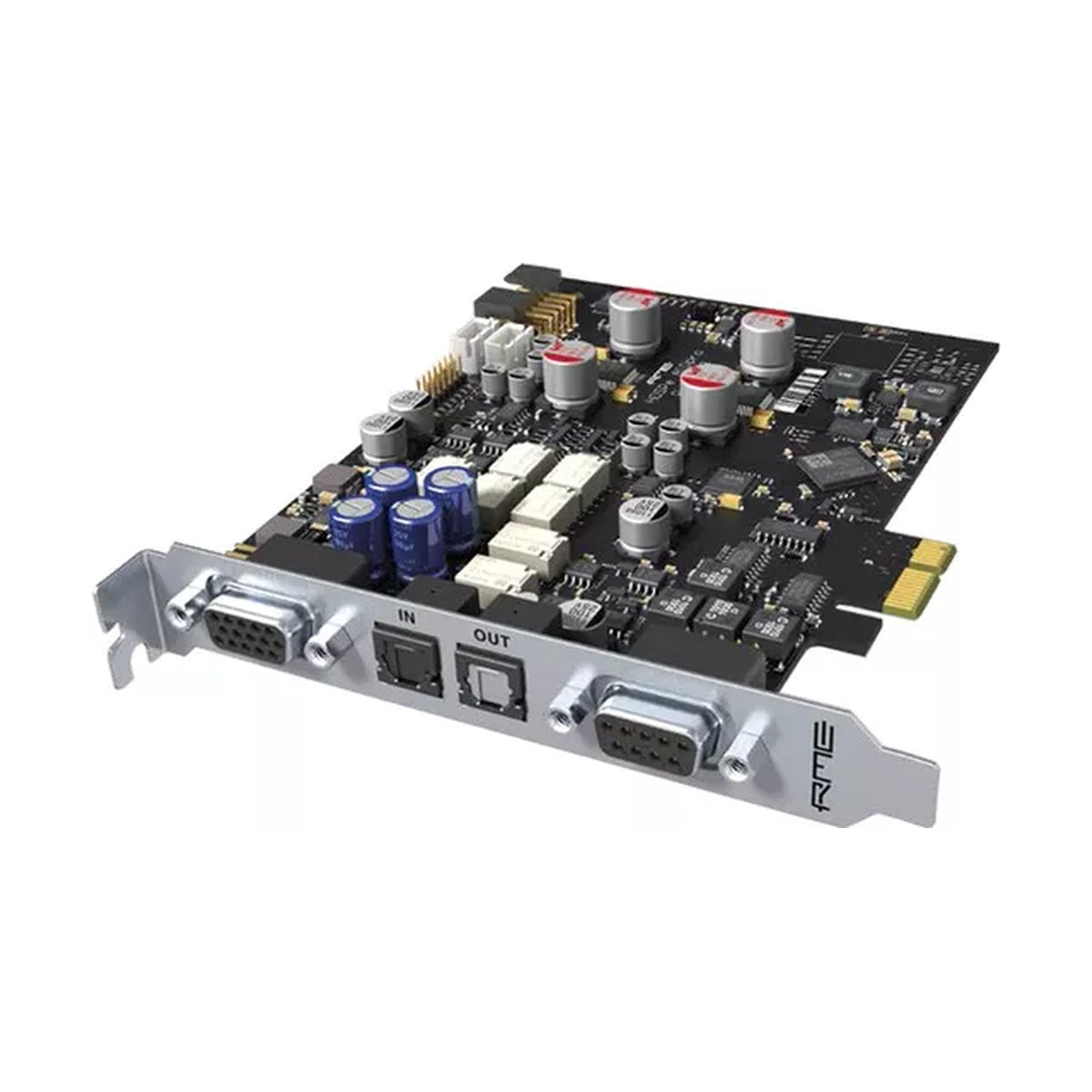
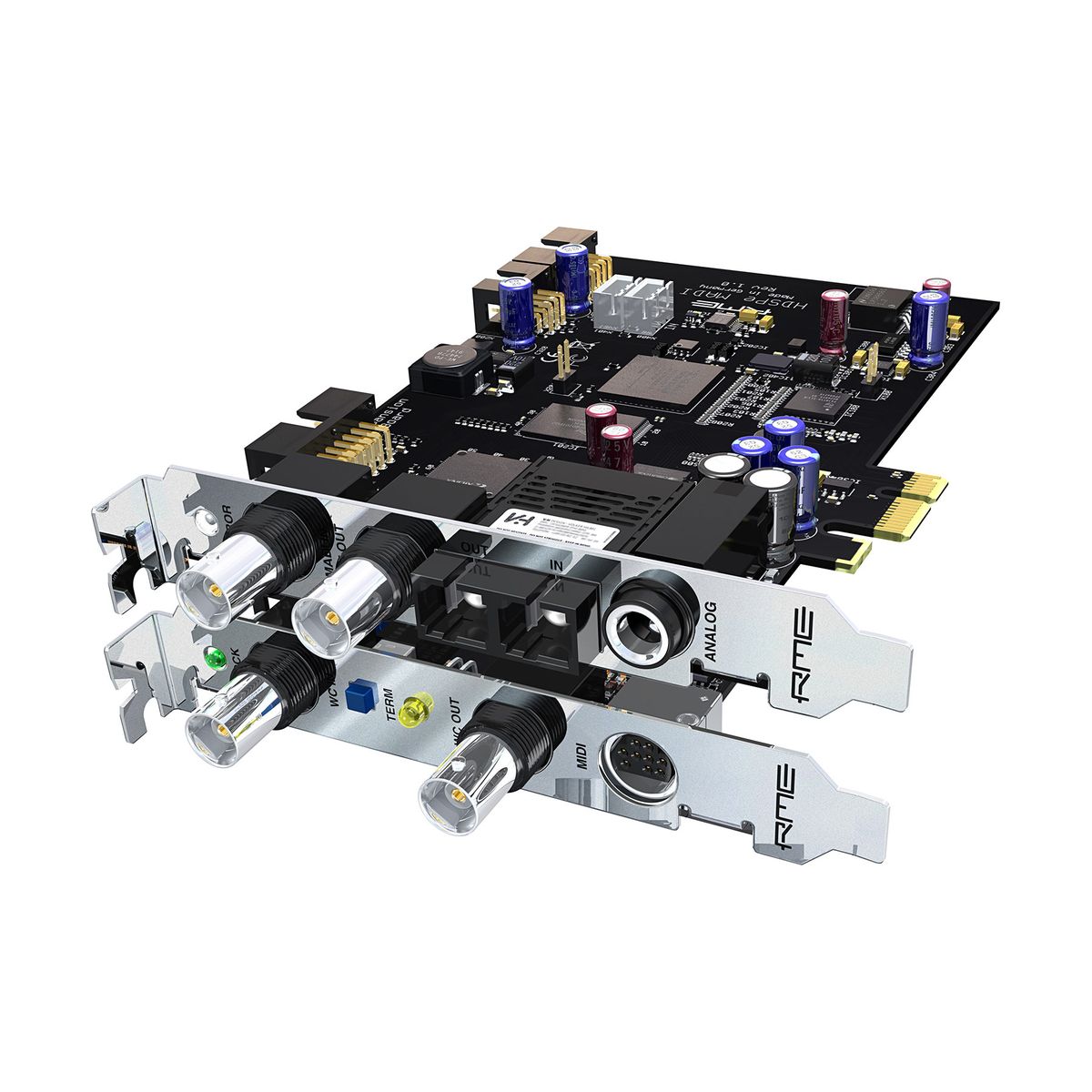
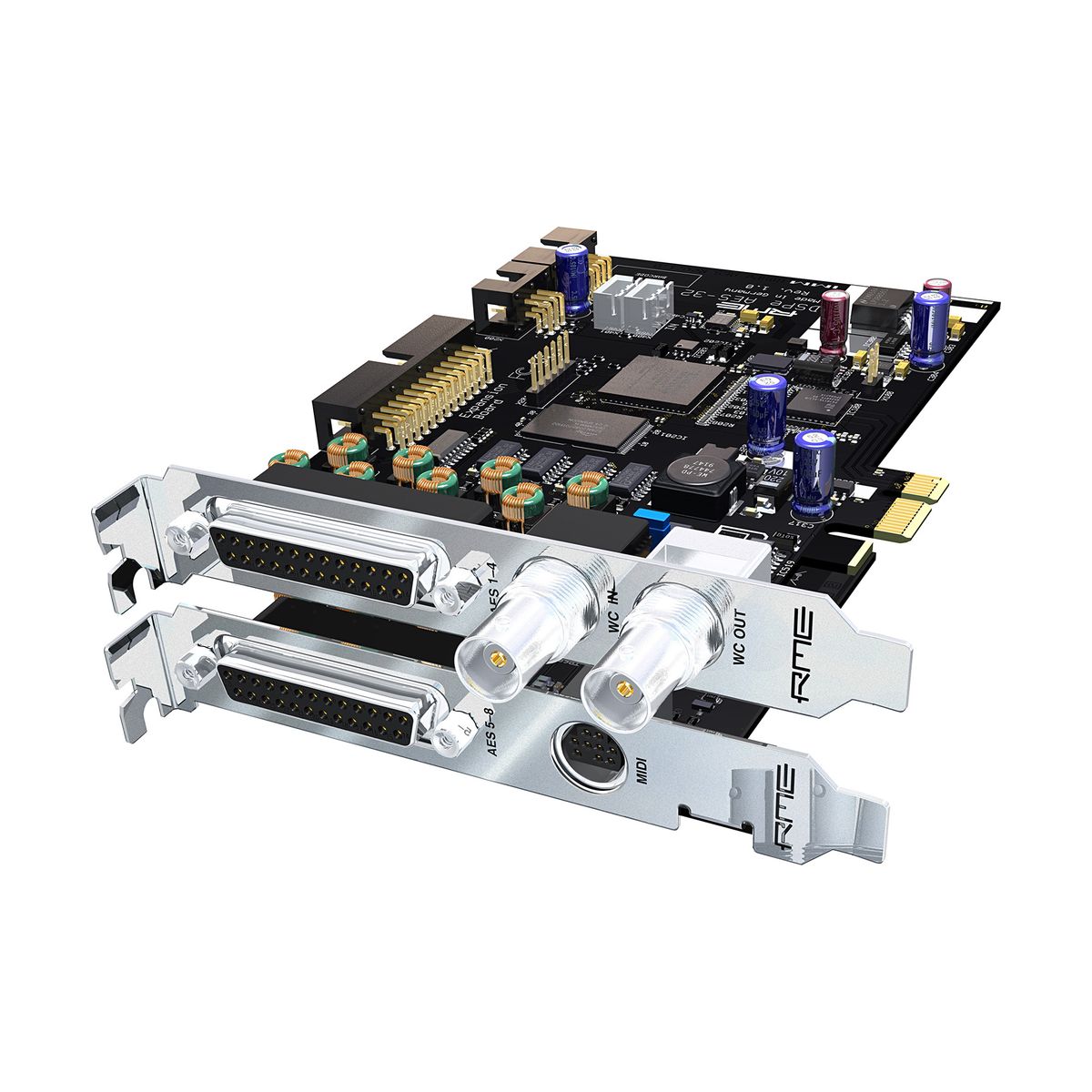
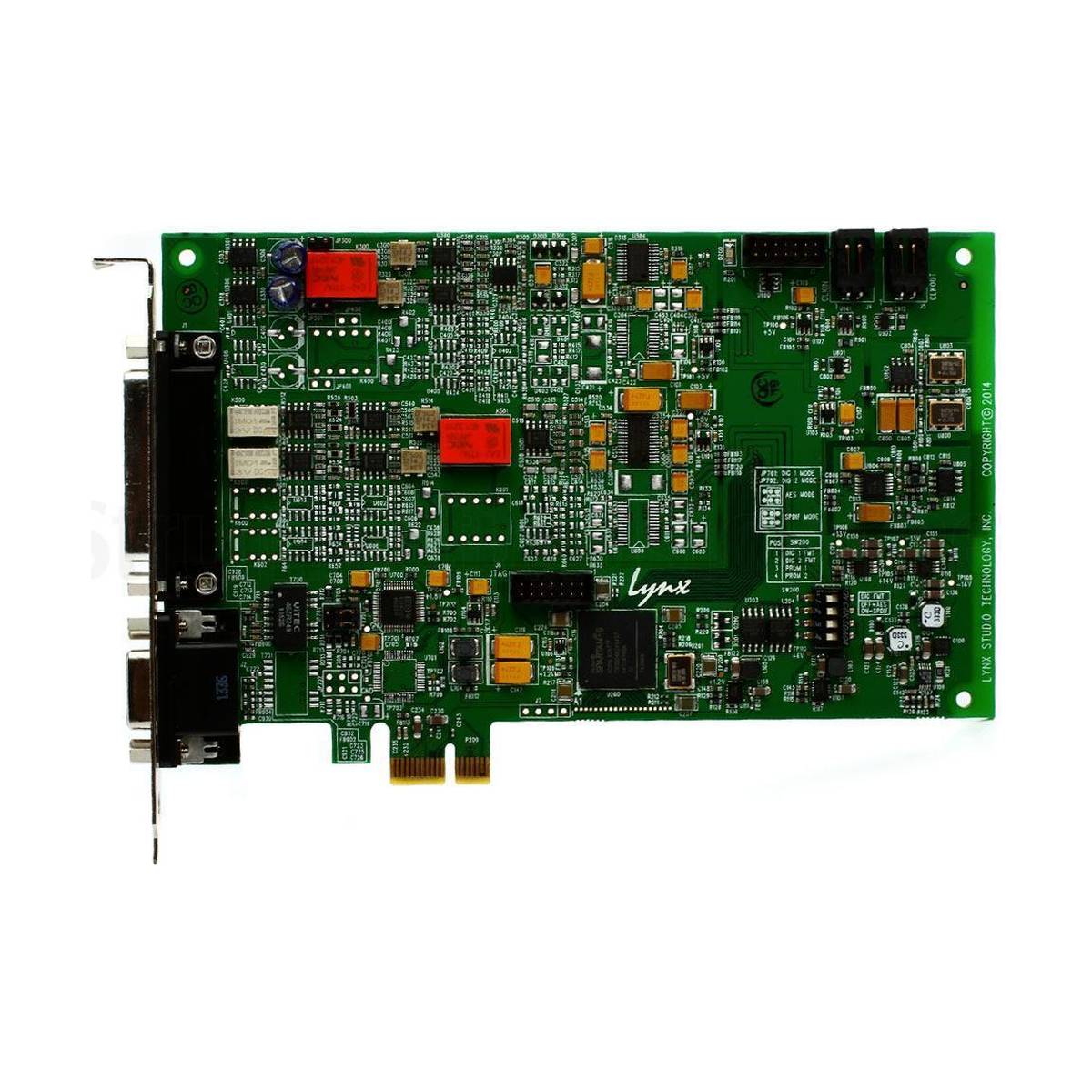
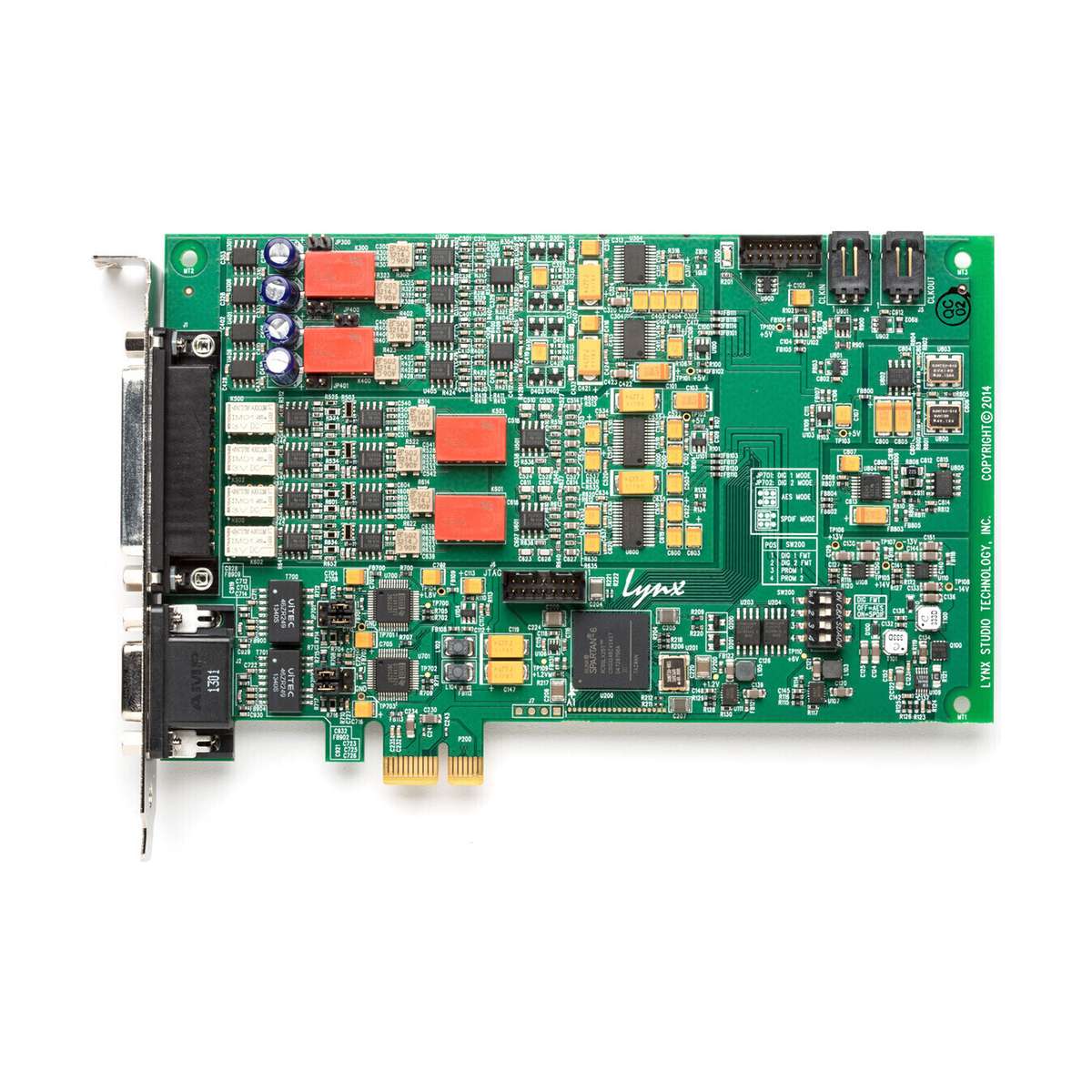
If every millisecond of latency matters — professional recording studios, live broadcast, mastering — a PCIe card like RME HDSPe AIO Pro removes a layer of translation that external connections can't avoid. For pure I/O expansion at the highest format flexibility, Lynx Studio E22 is built to reference-grade standards.
Where to start
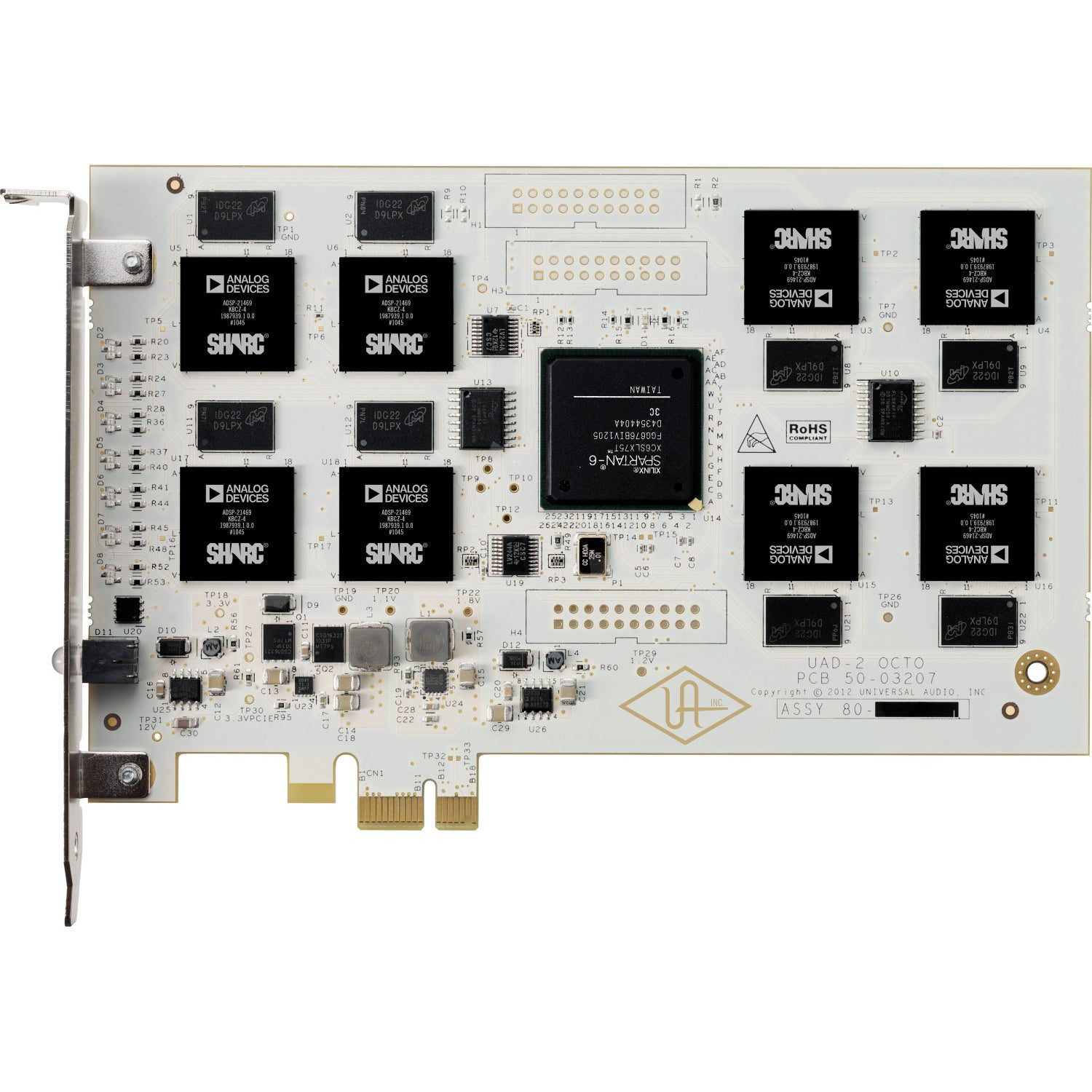
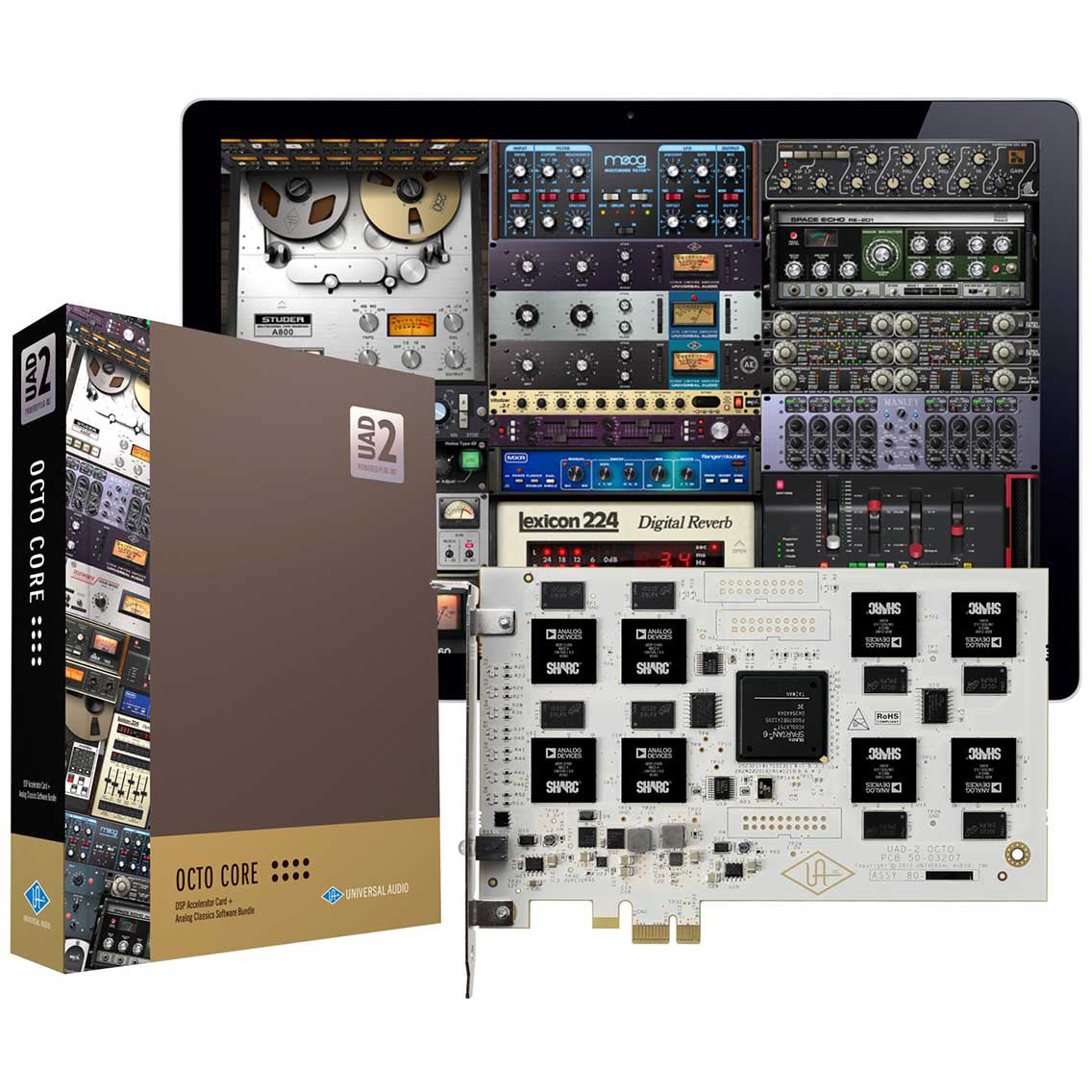
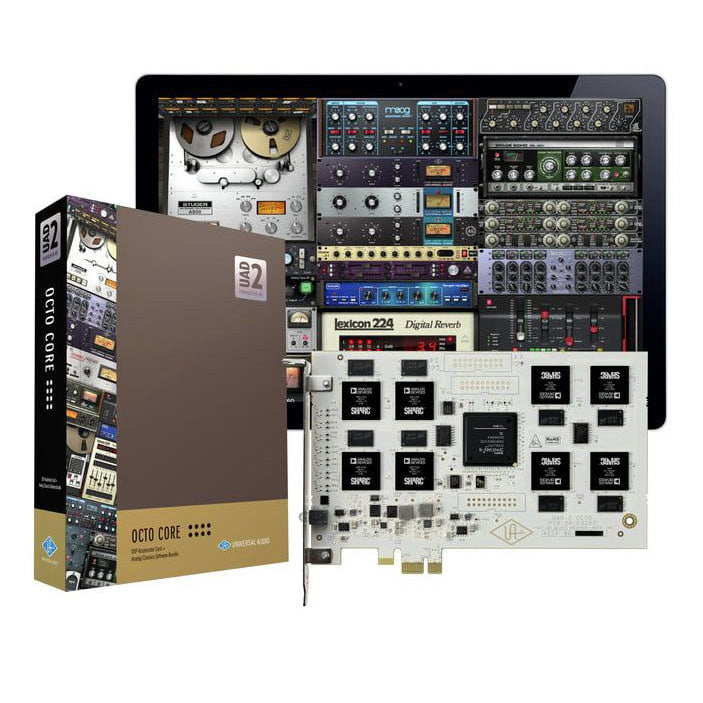
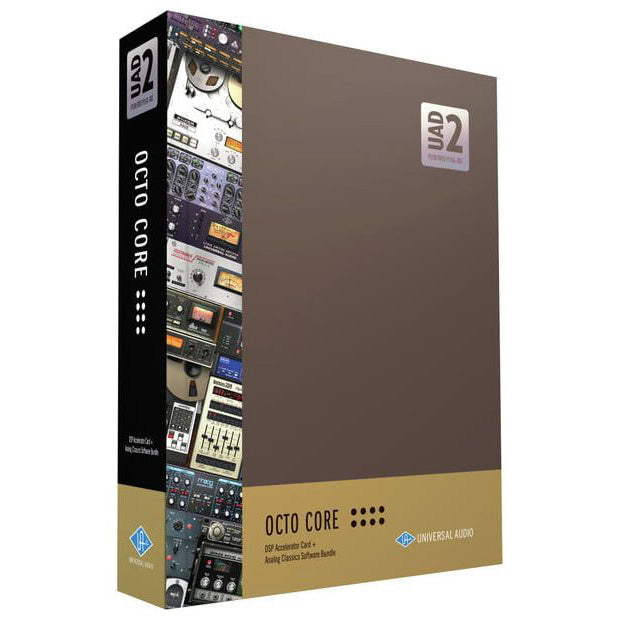
Need broad format support — ADAT, AES, analog — in one card? RME HDSPe AIO Pro covers the most ground. Chasing the highest possible conversion quality for mastering? Lynx Studio E22 is the reference. Already on Universal Audio's ecosystem and want more DSP power for plugins without adding audio I/O? UAD-2 OCTO Core is a dedicated processing card, not an interface itself.
The brands we carry
We carry RME, Lynx Studio, Universal Audio and Focusrite.
Hear it in our Warsaw showroom
The biggest difference between us and a mail-order shop: you can hear the gear before you buy it. Our showroom at Nowogrodzka 6A/102 in Warsaw is there so you can try it on your own material, not a shop demo. Book a visit or just swing by — we'll help without the sales pitch. Call: +48 573 580 840.
FAQ
Will a PCIe card work with my laptop?
No — PCIe cards require a desktop computer with a free PCIe slot. If you work on a laptop, look at our Thunderbolt or USB categories instead.
Is the latency difference from PCIe actually noticeable?
In demanding professional environments with heavy channel counts and tight monitoring requirements, yes. For typical home or project studio work, USB or Thunderbolt is close enough that most people won't hear the difference.
What's the difference between a PCIe audio interface and a DSP card like UAD-2?
An audio interface handles actual analog-to-digital I/O. A DSP card like UAD-2 OCTO Core adds processing power for plugin emulations and doesn't handle audio input or output on its own — you still need a separate interface.
See also: Audio Interfaces · Thunderbolt Audio Interfaces · Converters