

Open-Back vs Closed-Back Headphones, Which to Choose
Whether you want open-back or closed-back headphones comes down to one word, and that word is air. Open-back cups let air move freely through the driver, so the sound breathes, opens up, and leaks out to the whole room. Closed-back cups seal the driver shut, so the sound stays in, the outside stays out, and your neighbour on the train stays blissfully unaware. Open-back is what you mix on. Closed-back is what you record on. That is the whole argument in two sentences, and I have somehow been having it on the shop floor for twenty years.
The short version. Open-back headphones have a vented cup, so they sound wider, more natural, and closer to a pair of monitors. Great for mixing, useless for anyone sitting near you. Closed-back headphones have a sealed cup, so they block outside noise and keep your sound in. That makes them right for recording, tracking, and travel. Open-back tells the truth about your mix, closed-back flatters the bass a little. Most people need one honest pair, not two, and a solid one like the Beyerdynamic DT-900 Pro X runs about €217. Come hear both back to back at our Warsaw showroom before you spend a euro.
The difference is one word, and it is air
Everything about open-back versus closed-back headphones flows from what the back of the cup is doing. On an open-back pair the rear of the earcup is a grille or a mesh, so air and sound pass freely through both sides of the driver. Nothing bounces back at you. On a closed-back pair the rear is a solid, sealed shell, so the sound has nowhere to go but into your ear, and the outside world has no way in.

That one design choice sets everything else. Open cups give a wide, natural soundstage and let heat escape, so your ears stay cool on a long session. Sealed cups trap the sound, which builds a firmer, sometimes bigger low end, and a warmer set of ears by hour three. Neither is better in the abstract. They are two different tools, and knowing which job you are doing tells you which one to reach for.
What open-back headphones do well
Open-back is the sound of honesty. Because nothing reflects back inside the cup, the stereo image spreads out wide and the tone stays neutral, which is exactly what you want when you are mixing and mastering. The soundstage feels less like it is happening between your ears and more like it is out in front of you, closer to how a pair of studio monitors behaves in a room. Nine times out of ten, a mixing engineer reaches for open-back and never looks back. In our showroom the open-back pair most people leave with is the Beyerdynamic DT-900 Pro X at around €217, and if you want to step up to a planar driver the Audeze MM-500 at about €1.742 is the one. More on both in a moment.
Here is where I talk you out of them, though, because that is the job. Open-back headphones offer basically no isolation. They leak sound out like an open window, so everyone in the room hears your reference track, and they let noise in, so a rumbling tram outside walks straight into your mix. If you share a flat, an open-back pair at 11pm is a conversation with your flatmate you did not plan to have. Great in a quiet room. A liability everywhere else.
What closed-back headphones do well
Closed-back is the sound of privacy. The sealed cup blocks the outside world and keeps your sound sealed in, which is why closed studio headphones are the default for recording. When a singer is tracking vocals over a backing mix, closed-back stops that mix from bleeding out of the cups and into the microphone, which would otherwise smear the take with a ghost of the backing track. It is the one job open-back simply cannot do. The closed-back pair I hand people first is the Beyerdynamic DT-770 Pro X LE at around €163, a limited-edition take on the sealed workhorse a whole generation of studios grew up on.

The isolation also makes closed-back the honest pick for anywhere that is not a silent studio. A commute, a shared office, an editing suite next to a noisy air-con unit, closed-back handles all of it. The trade is comfort and tone. Sealed cups run warmer and can push the bass a touch harder than it really is, which brings me to the part of this most guides skip.
The pairs actually worth buying
Skip the ranking listicles written by people who never put the things on their head. In our showroom, these are the good studio headphones that keep earning their place, from a first honest pair upward. Prices are today's shelf, and shelf prices move.
- The honest all-rounder, closed. The Beyerdynamic DT-770 Pro X LE at around €163 is the limited-edition sealed workhorse a whole generation of studios grew up on, with the newer STELLAR.45 driver and a detachable cable. The right first pair if you record more than you mix.
- The mixing pair, open. The Beyerdynamic DT-900 Pro X at around €217 is the open-back sibling with a wide, neutral stage and a detachable cable. The one you reach for when the mix has to travel well.
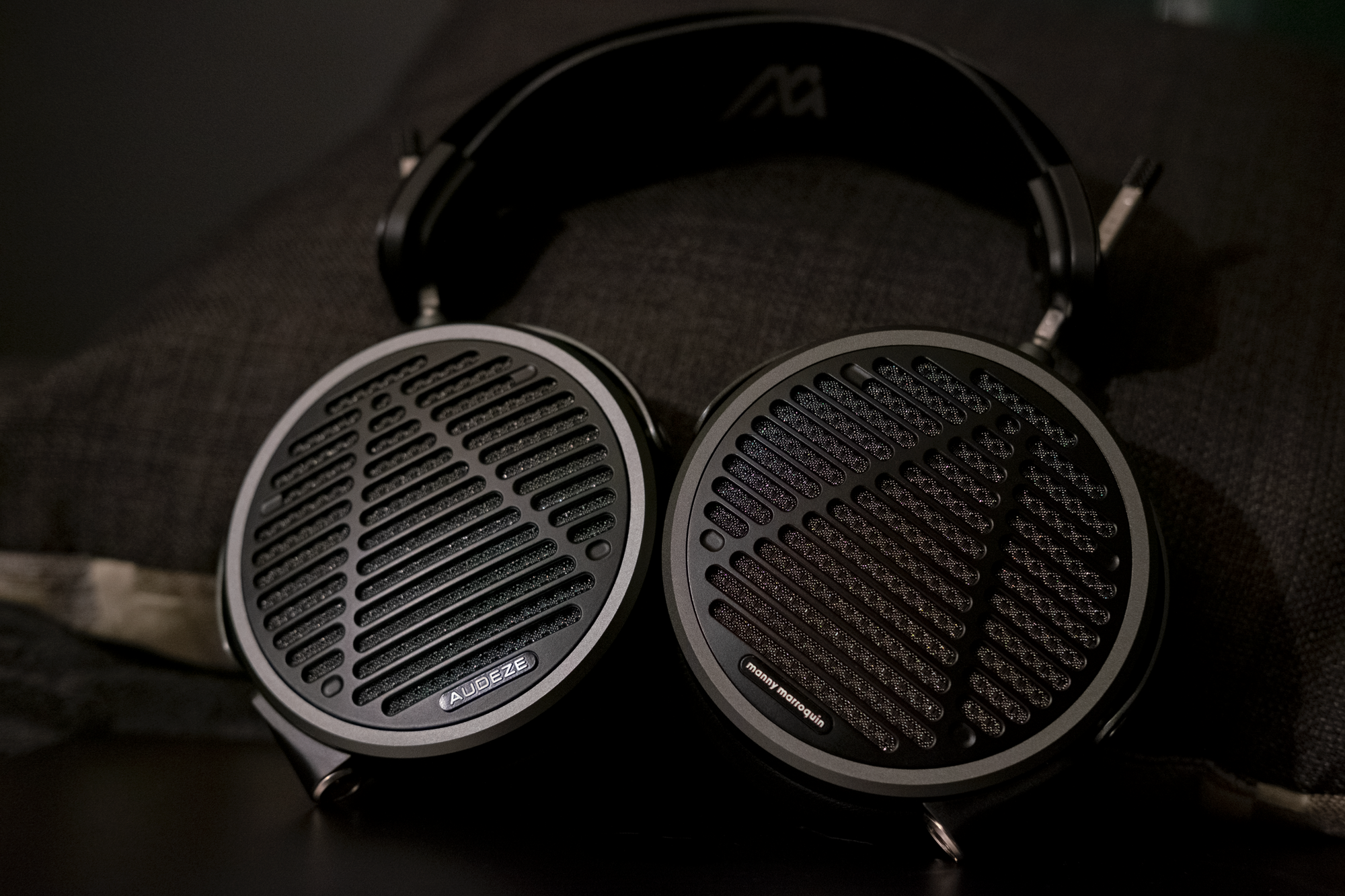
- Stepping up, open planar. The Audeze MM-500 at around €1.742, developed with Grammy-winning mixer Manny Marroquin, swaps the usual dynamic driver for a planar magnetic one, which means faster transients and a low end that stays honest and controlled. A real reference tool without a reference-tool price.
- Not sure yet. Start from the semi-open range if you want a middle path, or read our fuller guide to choosing studio headphones before you commit.
Whichever way you go, you get a 36-month warranty across the range, free shipping on orders over €250, and a 30-day return window if the pair turns out not to be for you. One honest heads-up, ear pads and other personal-use accessories are non-returnable for hygiene reasons, so try before you swap them. Because honestly, headphones are the most personal thing in the studio, and a spec sheet has never once fit a head.
Semi-open, the middle ground nobody explains
There is a third door, and it confuses people. Semi-open headphones sit between the two, with a partly vented cup that leaks and isolates less than a closed pair, but more than a fully open one. The idea is a bit of the open soundstage without broadcasting your whole session to the room. So the closed versus semi-open question really comes down to how much isolation you can afford to lose.
My honest take on semi-open is that it is a compromise, and compromises are neither villain nor hero. If your room is fairly quiet but not silent, and you want more air than a closed pair without going fully open, semi-open is a genuinely smart pick. If you need real isolation for tracking, or you want the widest possible stage for mixing, go to the ends of the spectrum instead. Semi-open is the sensible saloon car in a world of vans and sports cars. Not exciting, quietly right for a lot of people.
The bass thing nobody wants to hear
Now the one opinion I will plant a flag on. Closed-back headphones flatter the bass, and open-back headphones tell you the truth about it, sometimes uncomfortably. That sealed cup pressurises the air against your ear, and pressure reads as extra low end that is not really in the mix. It is not a fault, it is physics doing exactly what a sealed box does. But if you only ever mix on closed-back, you are trusting a slightly rose-tinted view of your low end.
The result is the classic trap. Your mix sounds bass-heavy in the cans, so you pull the low end down, and then it lands thin and weak the moment it plays anywhere else. I have watched more producers chase that ghost than I can count. So here is the rule I actually give people. Mix on open-back if you can, and if closed-back is all you have, check the low end against a second reference before you finalise anything, a pair of open-back, a set of monitors, even the car. Do not let a sealed cup have the last word on your bass. That single habit fixes more muddy mixes than any upgrade on the shelf.
So which one do you actually need
Most people need one honest pair, not a matched set of both, so let me make the difference between open and closed headphones practical. If you mostly mix, master, or listen critically in a quiet room, buy open-back and enjoy the truth. If you mostly record, track vocals, travel, or work somewhere with other humans and other noise, buy closed-back and enjoy the peace. If you do a real mix of both and can only own one, start closed-back, because a closed pair can at least attempt a mix, while an open pair genuinely cannot record.
And a Warsaw-specific note, because half our customers live in flats where the walls are more of a suggestion. Open-back headphones leak both ways, so in a shared apartment they are a late-night compromise for you and everyone within earshot. If your studio is the corner of a bedroom and quiet hours are real, a good closed-back pair keeps the peace at home and still gets serious work done. Fix the room later, keep the flatmate now.
Straight answers
Open-back or closed-back headphones, which is better?
Neither is better overall, they are two tools. Open-back sound wider and more natural, which is best for mixing and mastering in a quiet room. Closed-back block outside noise and keep your sound in, which is best for recording, travel, and shared spaces.
Do open-back headphones leak sound?
Yes, and that is the whole point of the design. The vented cup lets sound out and outside noise in, which is why they sound so open. It also means anyone near you can hear your music, so they are a poor choice on a train or in a shared flat at night.
Which headphones should I use for recording vocals?
Closed-back, every time. The sealed cup stops the backing mix from leaking out of the headphones and into the microphone, which would otherwise bleed into your take. Open-back headphones cannot do this job, so keep them for mixing.
Do closed-back headphones have better bass?
They have more apparent bass, not necessarily better bass. The sealed cup pressurises the air against your ear, which reads as extra low end that is not truly in the mix. Open-back headphones give a more honest picture of your low end.
What are semi-open headphones for?
Semi-open sit between the two. They leak and isolate less than closed, but more than fully open, giving some of the open soundstage without broadcasting your whole session. They suit a room that is fairly quiet but not silent.
If I can only buy one pair, which should it be?
If you record at all, start with closed-back, because a closed pair can at least attempt a mix while an open pair genuinely cannot record. If you only ever mix in a quiet room, buy open-back and check your bass against a second reference before you finalise.
Headphones are the one piece of studio gear you wear, so the right pair is the one that fits your ears, your room, and your neighbours' patience. Come put a few on at the showroom, tell us whether you mostly record or mostly mix, and we will hand you the honest pair. Bring your reference tracks. We have the coffee, and an opinion about your bass you did not ask for.
About the author
Michał Kaniuszkiewicz is a content manager and SEO specialist at Wired Tunes. He creates and optimizes content that helps readers find useful information about music, gear, and sound. Beyond his editorial work, he has been making music for 8 years in hip-hop, pop, and electronic genres — giving him insight into the subject not just from an SEO perspective, but from the inside, as a practicing musician and producer. This experience allows him to create content that's equally useful and clear for both beginners and experienced listeners and music creators.